



European Defense Spending Surge 2026 | Supply Chain & Logistics Opportunities for B2B Sellers
- €60 billion NATO military aid pledge drives demand for industrial components, logistics services, and defense-adjacent manufacturing across EU; sellers in industrial equipment, electronics, and supply chain services face 18-24 month procurement cycles and regulatory compliance requirements






















Overview
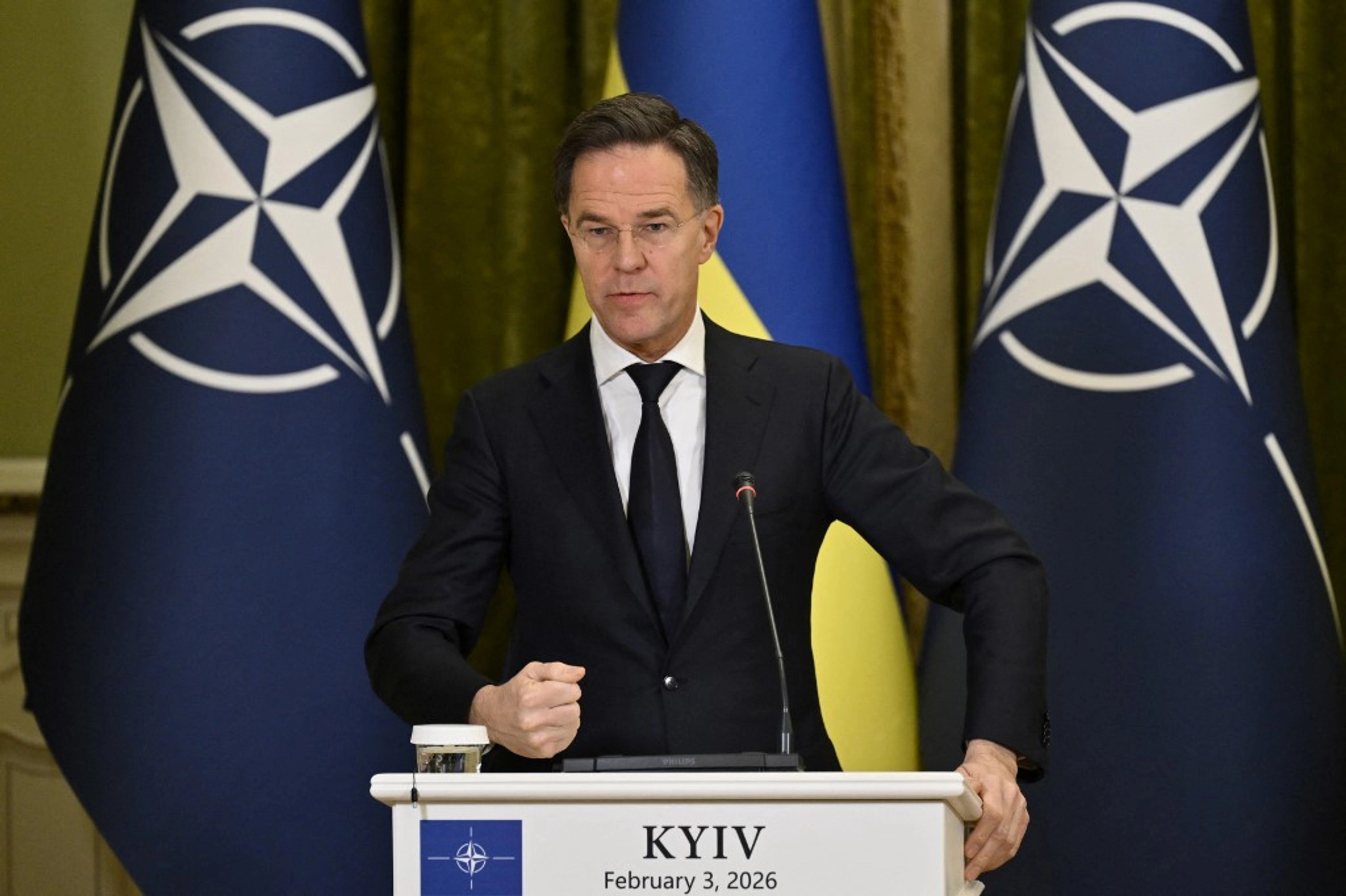
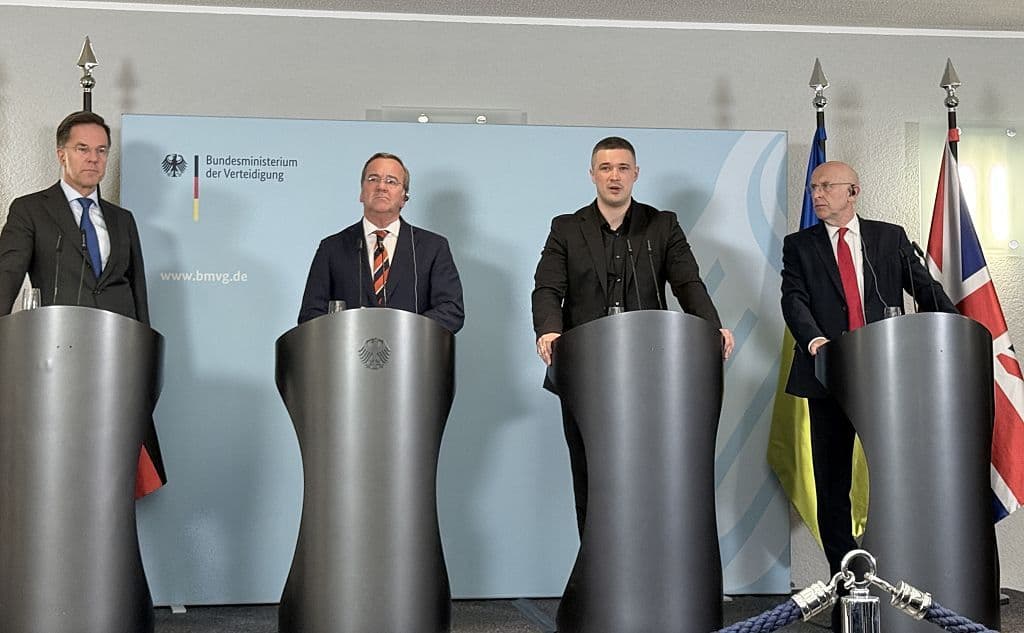
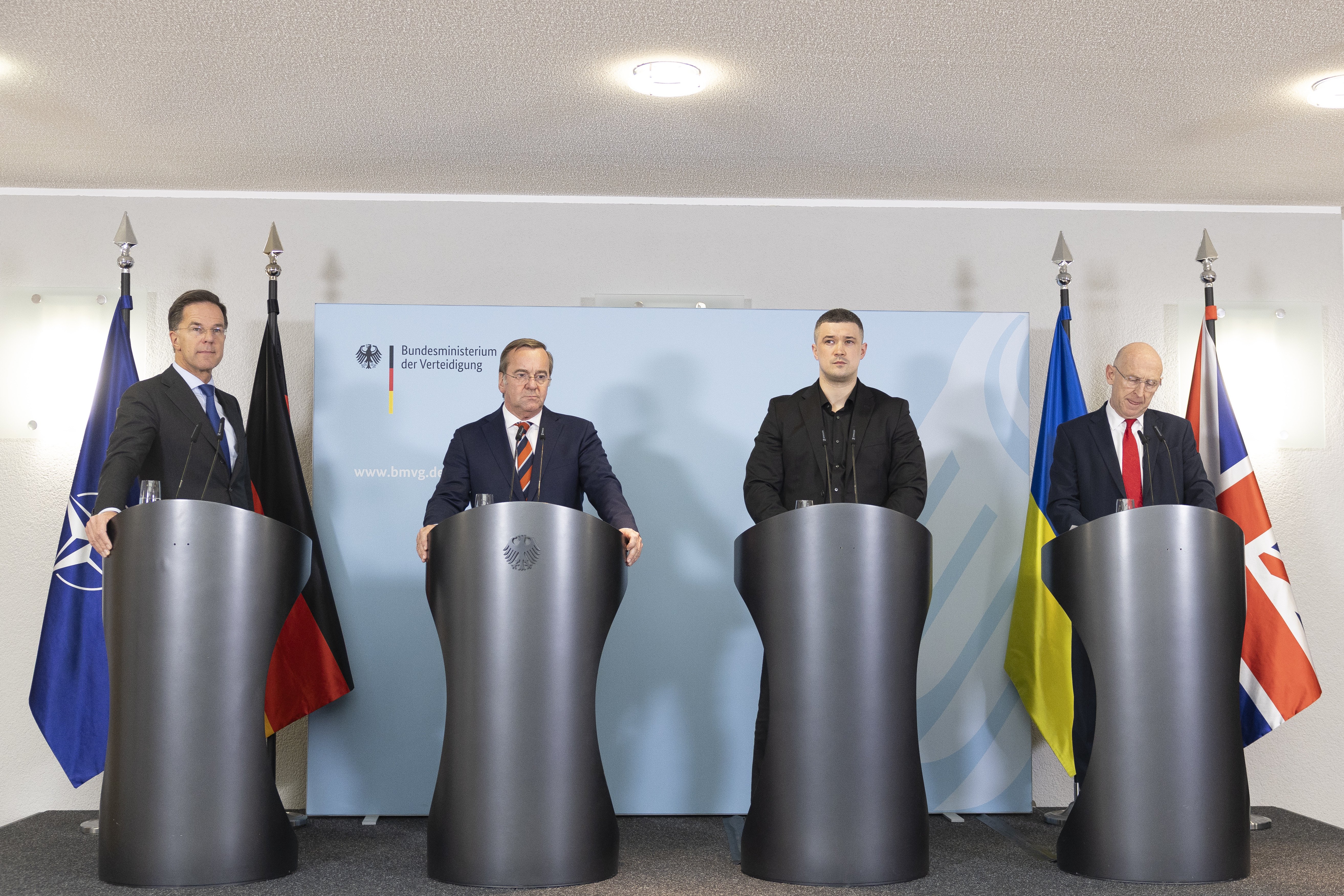
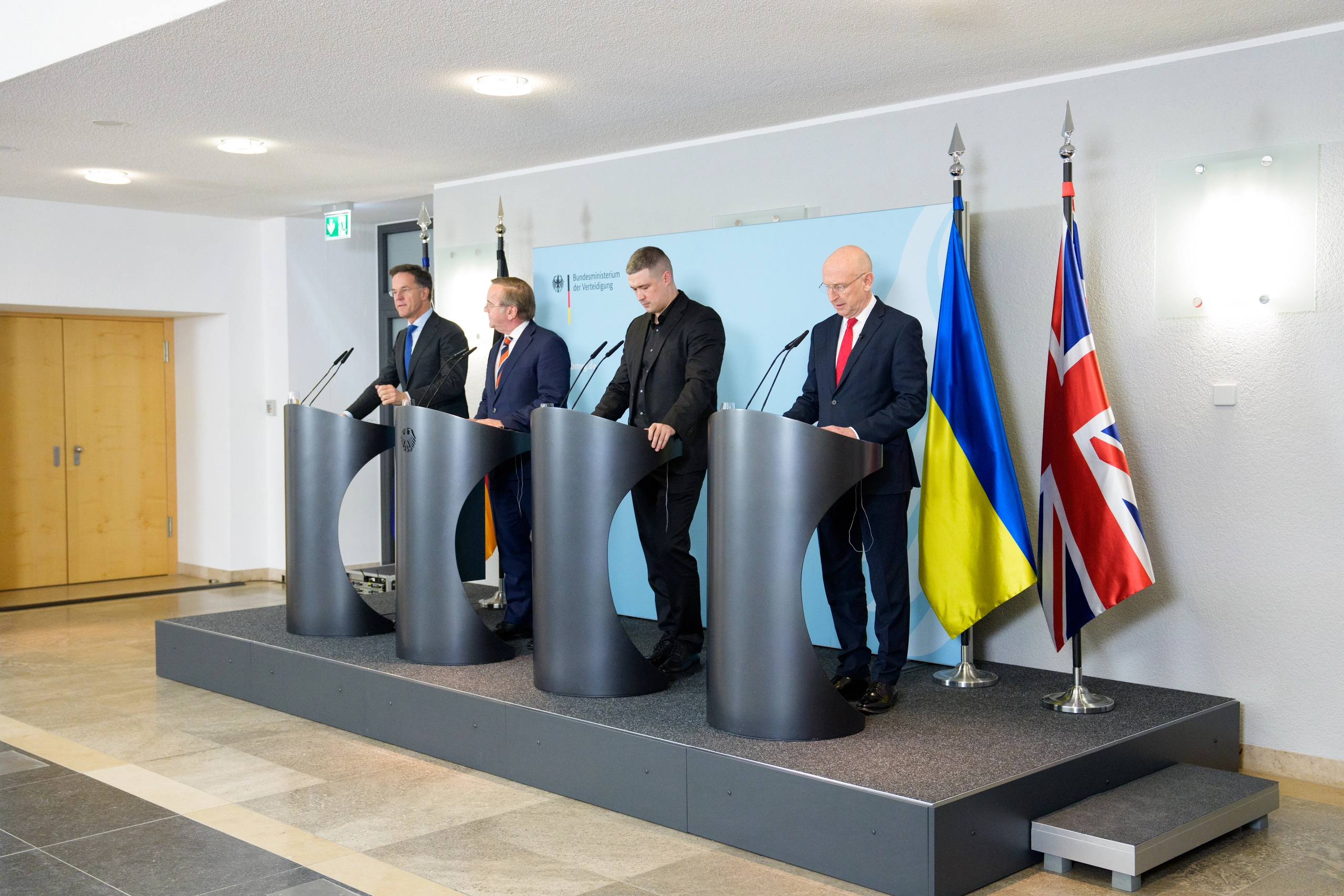
NATO's €60 billion military aid commitment to Ukraine announced April 15-16, 2026, represents a significant macroeconomic shift with cascading implications for cross-border B2B sellers and industrial supply chains. The coordinated pledge from 50+ nations—supplemented by the EU's €90 billion loan package—signals sustained European defense spending that will reshape procurement patterns, manufacturing capacity allocation, and logistics infrastructure through 2026-2027. For e-commerce sellers, this geopolitical commitment creates both direct and indirect commercial opportunities across multiple verticals.
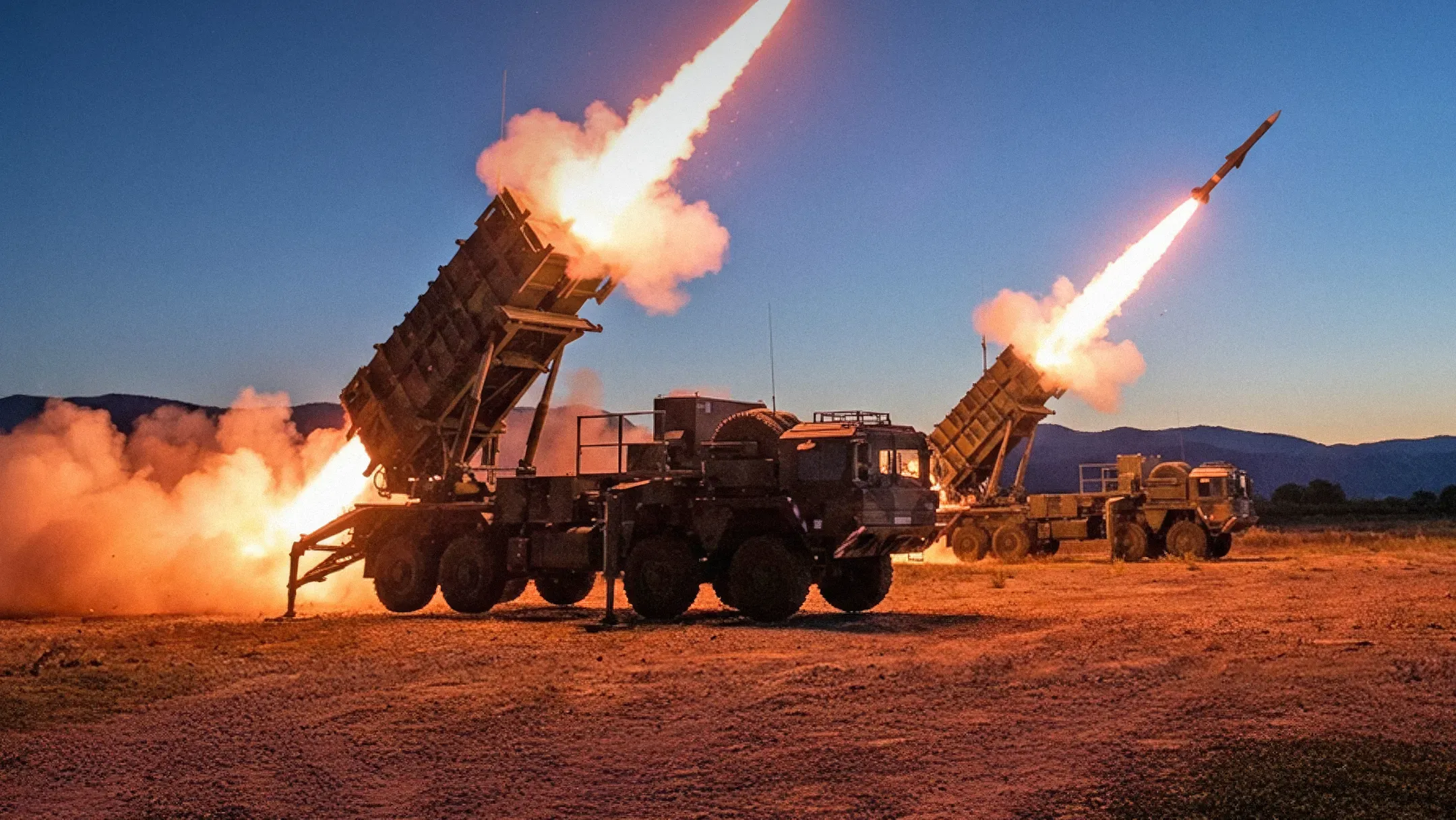
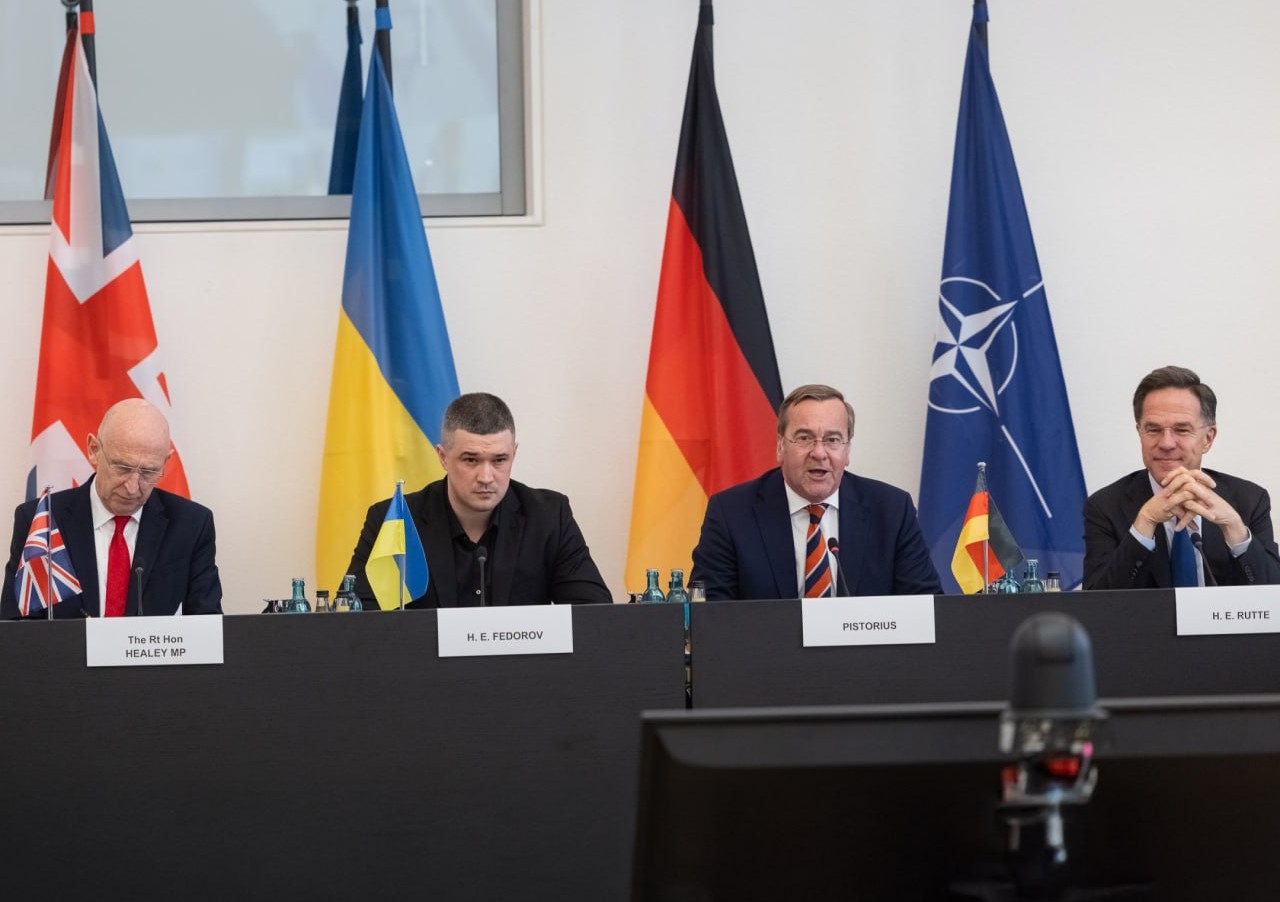
Direct Supply Chain Opportunities: The NATO announcement specifically prioritizes air defense systems, drone technology, and extended-range ammunition—categories requiring precision electronics, composite materials, and specialized components. Germany's €4.7 billion defense package and the UK's 120,000-unit drone commitment indicate massive procurement volumes flowing through industrial suppliers. B2B sellers specializing in electronics components, industrial fasteners, precision manufacturing, and logistics services will experience increased demand as defense contractors scale production. The Ramstein coordination platform managing 50+ partner countries' weapons deliveries creates opportunities for 3PL providers, customs brokers, and supply chain software vendors serving the defense-industrial base.
Logistics and Infrastructure Impact: The shift from US-led to European-led military support (following Trump's aid reduction) means supply chains are reorienting toward European manufacturing hubs and distribution centers. Sellers offering logistics optimization, warehouse management systems, and cross-border customs documentation services will see increased demand from defense contractors and their supply networks. The 18-24 month procurement cycles typical in defense contracting create predictable, high-volume opportunities for industrial suppliers willing to navigate regulatory compliance (ITAR, EU export controls, NATO standards).
Broader Economic Signals: The €150 billion combined commitment (€60B NATO + €90B EU) represents a 12-15% increase in European defense budgets, historically the largest peacetime expansion. This spending surge typically cascades through industrial supply chains—affecting everything from raw materials (steel, aluminum, rare earth elements) to finished components. Cross-border sellers in industrial categories should anticipate increased competition for supply contracts but also expanded total addressable market as defense budgets grow.
Risk Factors for Sellers: Export control regulations tighten significantly in defense-adjacent categories. Sellers must verify end-use compliance, maintain detailed audit trails, and potentially obtain export licenses for certain electronics and materials. The geopolitical uncertainty (Russia's counter-threats to European weapons facilities) may create supply chain volatility, requiring sellers to diversify sourcing and maintain buffer inventory.
Questions 7
What risks should sellers monitor regarding geopolitical volatility and defense supply chains?
Key risks include: (1) Russia's counter-threats to European weapons facilities may disrupt supply chains and increase insurance costs, (2) Export control regulations may tighten further, increasing compliance burden, (3) Supply chain volatility from sanctions and counter-sanctions, (4) Payment delays if government budgets face political pressure, (5) Inventory obsolescence if procurement priorities shift. Sellers should: (1) Diversify sourcing to reduce single-country dependency, (2) Maintain 30-60 day buffer inventory, (3) Monitor regulatory changes through DDTC and EU export control updates, (4) Establish contingency logistics routes, (5) Consider supply chain insurance for high-value contracts. The 5-year conflict timeline suggests sustained but unpredictable demand.
What are the financial implications of €150 billion defense spending for industrial suppliers?
The combined €60 billion NATO pledge plus €90 billion EU loan package represents a 12-15% increase in European defense budgets—the largest peacetime expansion in recent history. This spending surge typically cascades through industrial supply chains, creating predictable high-volume opportunities for suppliers. However, sellers face: (1) Increased competition for supply contracts, (2) Longer payment cycles (government contracts often 60-90 days), (3) Upfront compliance costs (certifications, audits), (4) Supply chain volatility from geopolitical uncertainty. Sellers should model 18-24 month ramp-up periods and maintain buffer inventory to manage Russia's counter-threats to European weapons facilities.