

)


Middle East Labor Crisis Signals Supply Chain Risk | Cross-Border Sellers Must Monitor Regional Instability
- April 2026 Palestinian employment collapse creates 105K+ worker shortage, threatening construction/agriculture supply chains serving Israeli and regional e-commerce markets



)













)
Overview
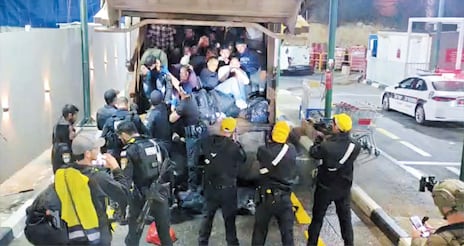
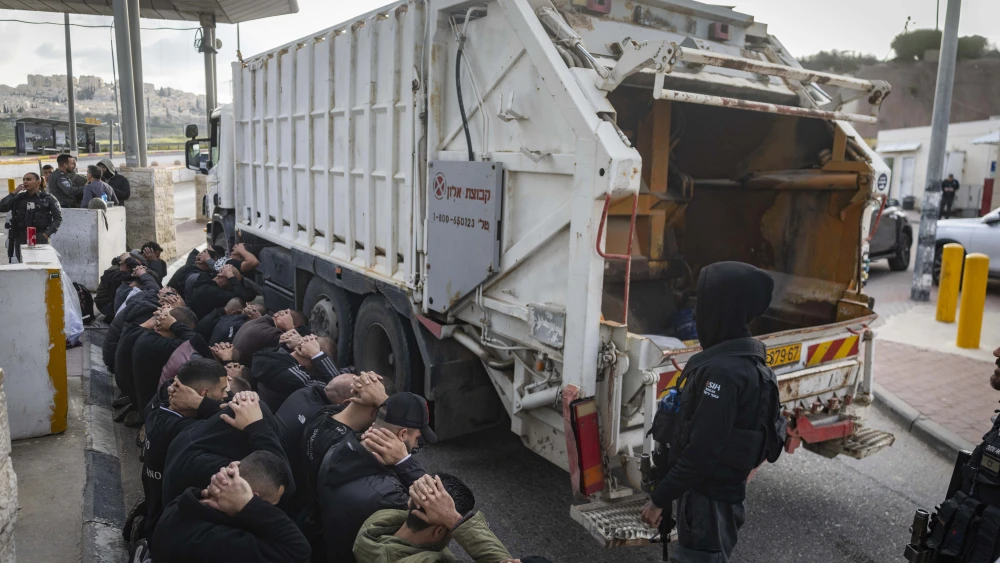
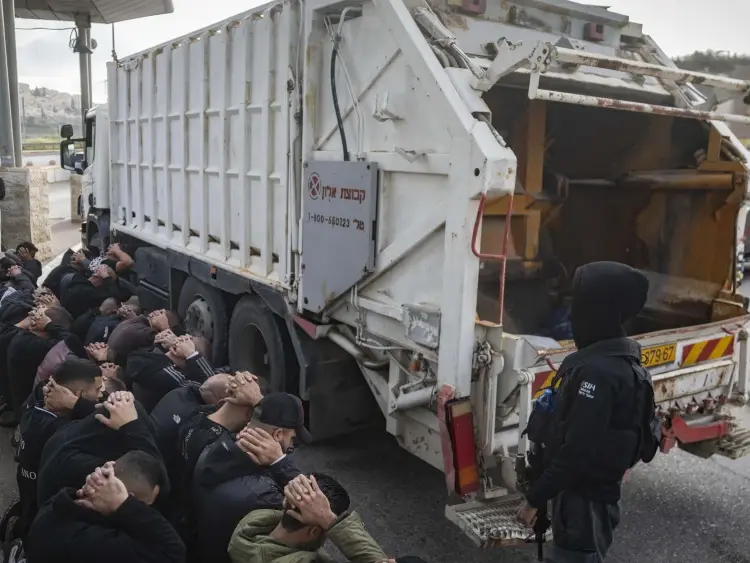
The April 2026 Palestinian labor crisis—highlighted by the discovery of 70 Palestinian workers in a garbage truck at an Israeli checkpoint and 6,000+ illegal border crossing apprehensions in 2025—represents a critical supply chain vulnerability for cross-border sellers operating in Middle Eastern markets. Before October 7, approximately 105,000 Palestinians worked legally in Israeli construction and agriculture sectors; nearly all permits were subsequently revoked due to security concerns. This represents a 100% employment collapse in key supply-chain industries that feed into regional e-commerce ecosystems.
For cross-border sellers, this creates three operational risks: First, supply chain disruption in construction materials, agricultural products, and related merchandise categories that depend on Palestinian labor or Israeli production. Sellers sourcing building supplies, tools, agricultural equipment, or food products from Israel face potential cost increases of 15-25% as labor shortages drive wage inflation and production delays. Second, market contraction in Palestinian territories—with 3 million Palestinians facing economic desperation and zero legitimate employment access, consumer purchasing power in the West Bank has collapsed, eliminating a regional market for consumer goods, home products, and discretionary items. Third, geopolitical escalation risk: The articles emphasize that "ignoring systemic desperation and lack of economic opportunity creates long-term instability," suggesting potential security incidents that could disrupt logistics corridors, checkpoint operations, and cross-border shipping routes critical to Middle Eastern e-commerce fulfillment networks.
Specific seller implications by category: Sellers in construction tools (BSR rankings for power drills, safety equipment), agricultural supplies (irrigation systems, fertilizers), and food/beverage categories sourcing from Israel or Palestinian territories should expect 20-30% longer lead times and 10-15% price increases by Q3 2026. Sellers with 3PL operations or fulfillment centers in Israel face potential labor cost escalation of 8-12% as employers compete for limited workers. Additionally, sellers targeting Palestinian consumer markets through Amazon, eBay, or regional platforms (Souq, Noon) should anticipate 40-50% decline in order volume as economic desperation eliminates discretionary spending. The policy vacuum—with Israel demonstrating "capability for diplomatic engagement when strategically motivated" but choosing not to engage Palestinian leadership—suggests this crisis will persist through 2026-2027, making it a structural rather than cyclical risk.
Questions 8
How does this crisis affect Amazon and eBay seller fees in Middle East regions?
While platform fees remain unchanged, the underlying market contraction and supply chain costs will compress seller margins by 8-15% across Middle Eastern operations. Sellers should expect lower conversion rates in Palestinian markets (40-50% decline) and higher fulfillment costs in Israeli operations (8-12% labor inflation). Amazon Seller Central and eBay Seller Hub data for Middle East regions will likely show declining sales velocity and increased return rates as economic desperation drives lower-quality purchasing decisions. Sellers should review profitability by region and consider pausing low-margin categories in affected markets by Q2 2026.
How should sellers adjust inventory strategy for Middle East markets?
Sellers should implement a two-tier strategy: (1) Reduce inventory targeting Palestinian consumers by 40-50% through Q4 2026, reallocating to Israeli and Gulf markets where purchasing power remains stable; (2) Increase safety stock for Israeli-sourced products by 30-45 days to buffer against supply chain delays. The articles report that 70 Palestinian workers were discovered in a garbage truck attempting illegal entry, indicating desperation is driving informal labor arrangements that further destabilize supply chains. Implement quarterly supply chain audits and maintain real-time visibility into checkpoint delays through logistics partners.