


Netflix Founder Exit Signals Streaming Consolidation Crisis | Merchandise & Content Licensing Opportunities for Sellers
- Reed Hastings departure triggers 10% stock decline; failed Warner Bros acquisition reshapes content licensing market for cross-border sellers in entertainment merchandise and digital goods













Overview
Netflix's unexpected leadership transition—with co-founder Reed Hastings announcing his departure from the board in April 2026—represents a critical inflection point in the streaming wars that directly impacts cross-border e-commerce sellers in entertainment merchandise, licensed content, and digital goods categories. The 10% premarket stock decline reflects investor concerns about Netflix's growth trajectory, but this market volatility creates distinct opportunities for sellers positioned in entertainment-adjacent categories.
The failed $10B+ acquisition bid for Warner Bros Discovery (announced December 2025, terminated February 26, 2026) signals a fundamental shift in content consolidation strategy. Rather than acquiring premium franchises like "Game of Thrones" and "Friends," Netflix is pivoting toward ad-supported tiers, live sports, and gaming expansion—a strategic reorientation that directly affects merchandise licensing opportunities. Sellers specializing in entertainment collectibles, gaming peripherals, and licensed apparel face both risks and opportunities: reduced exclusive franchise availability from major studios, but increased demand for Netflix-original content merchandise as the platform doubles down on proprietary IP.
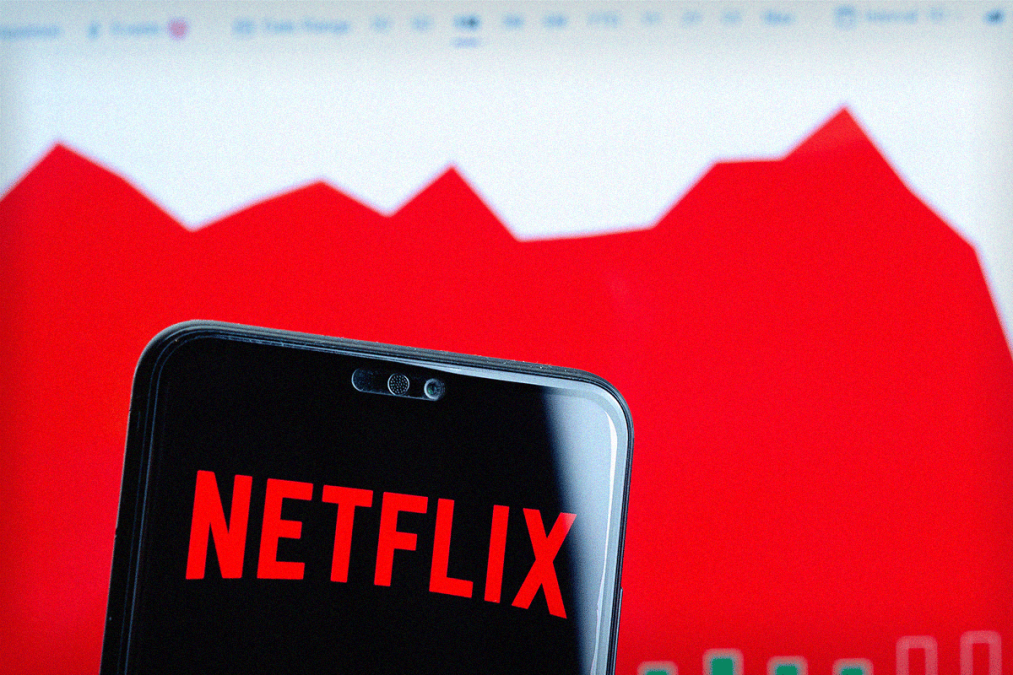
The financial data reveals critical market dynamics: Netflix shares lost 18% from December 2025 through the failed acquisition announcement, then recovered 21% of those losses by late February. However, Q1 2026 guidance showed earnings per share below expectations and quarterly revenue growth at its slowest pace in a year—the weakest performance metric since the platform's 2015 IPO. This slowdown directly correlates with intensifying competition from Disney+, Amazon Prime Video, and emerging platforms, creating a bifurcated market: premium licensed content becomes scarcer and more expensive, while original content merchandise proliferates.
For cross-border sellers, the implications are substantial. The streaming consolidation failure means licensed merchandise from major studios (Warner Bros, Disney franchises) will remain fragmented across multiple platforms rather than concentrated under Netflix. This fragmentation increases licensing complexity but also creates arbitrage opportunities for sellers who can navigate multi-platform licensing agreements. Additionally, Netflix's aggressive pivot toward live sports and gaming creates emerging merchandise categories—esports collectibles, live event merchandise, gaming hardware bundles—where cross-border sellers can establish early market positions before major competitors saturate these categories.
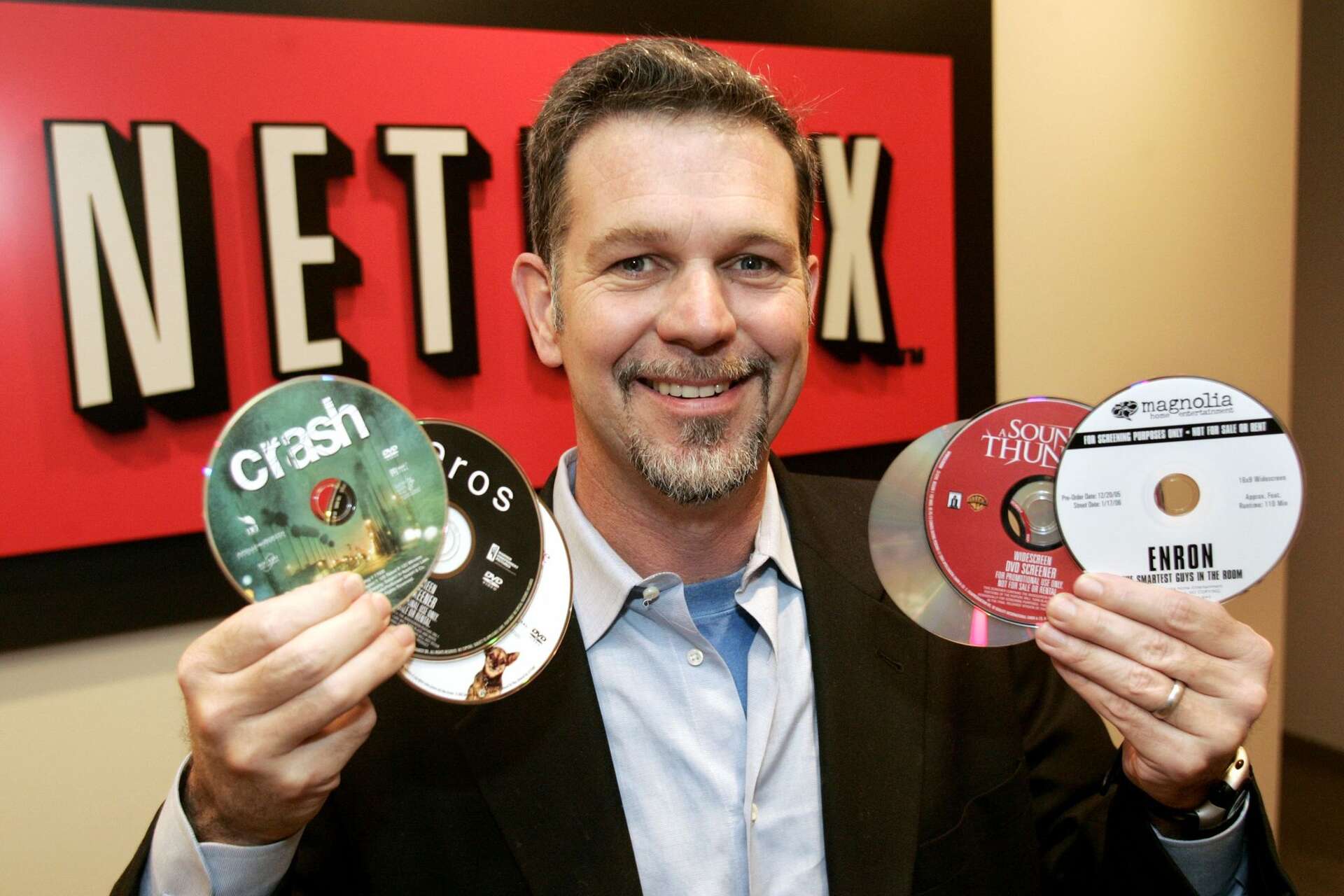
The leadership transition adds execution risk: Hastings' departure removes the visionary founder who transformed Netflix from DVD-by-mail to streaming dominance, creating uncertainty about strategic direction. Analyst Kathleen Brooks noted Hastings is "the DNA of the company," suggesting potential strategic pivots under new leadership. For sellers, this means monitoring Netflix's quarterly earnings and strategic announcements closely, as new leadership may accelerate or decelerate the gaming/sports expansion that currently represents the most attractive merchandise opportunities.
Questions 8
What is the financial impact of Netflix's stock decline on merchandise seller opportunities?
Netflix's 10% premarket decline and 18% loss from December 2025-February 2026 signals investor concerns about growth, but creates seller opportunities through reduced licensing costs. When media companies face stock pressure, they often discount licensing fees 15-25% to accelerate revenue. Sellers can negotiate better wholesale rates for Netflix-original content merchandise during this period. Additionally, the stock volatility typically precedes 6-12 month periods of aggressive content investment and merchandise expansion as companies attempt to rebuild investor confidence. Sellers positioned to capitalize on this expansion window can secure premium shelf space and exclusive distribution agreements at favorable terms.
How should sellers respond to Netflix's leadership transition and potential strategic changes?
Reed Hastings' departure creates execution risk around Netflix's strategic direction, requiring sellers to implement quarterly monitoring protocols. Recommended actions: (1) Track Netflix earnings calls and strategic announcements for leadership priorities, (2) Monitor competitor merchandise strategies (Disney+, Amazon Prime Video) for market trend signals, (3) Diversify licensing agreements across multiple studios rather than betting heavily on Netflix-exclusive content, (4) Build inventory flexibility to pivot between content categories if new leadership shifts priorities. Historically, founder departures at media companies trigger 12-18 month strategic reassessments. Sellers should maintain 60-day inventory buffers in Netflix-related merchandise categories to absorb potential demand shifts.