





Stock Market Recovery Signals Seller Opportunity Window | Geopolitical Risk Easing Boosts Consumer Spending
- S&P 500 gains 10%+ in 11 sessions as oil prices stabilize; sellers should capitalize on improved consumer confidence and reduced shipping costs through Q2 2025







Overview
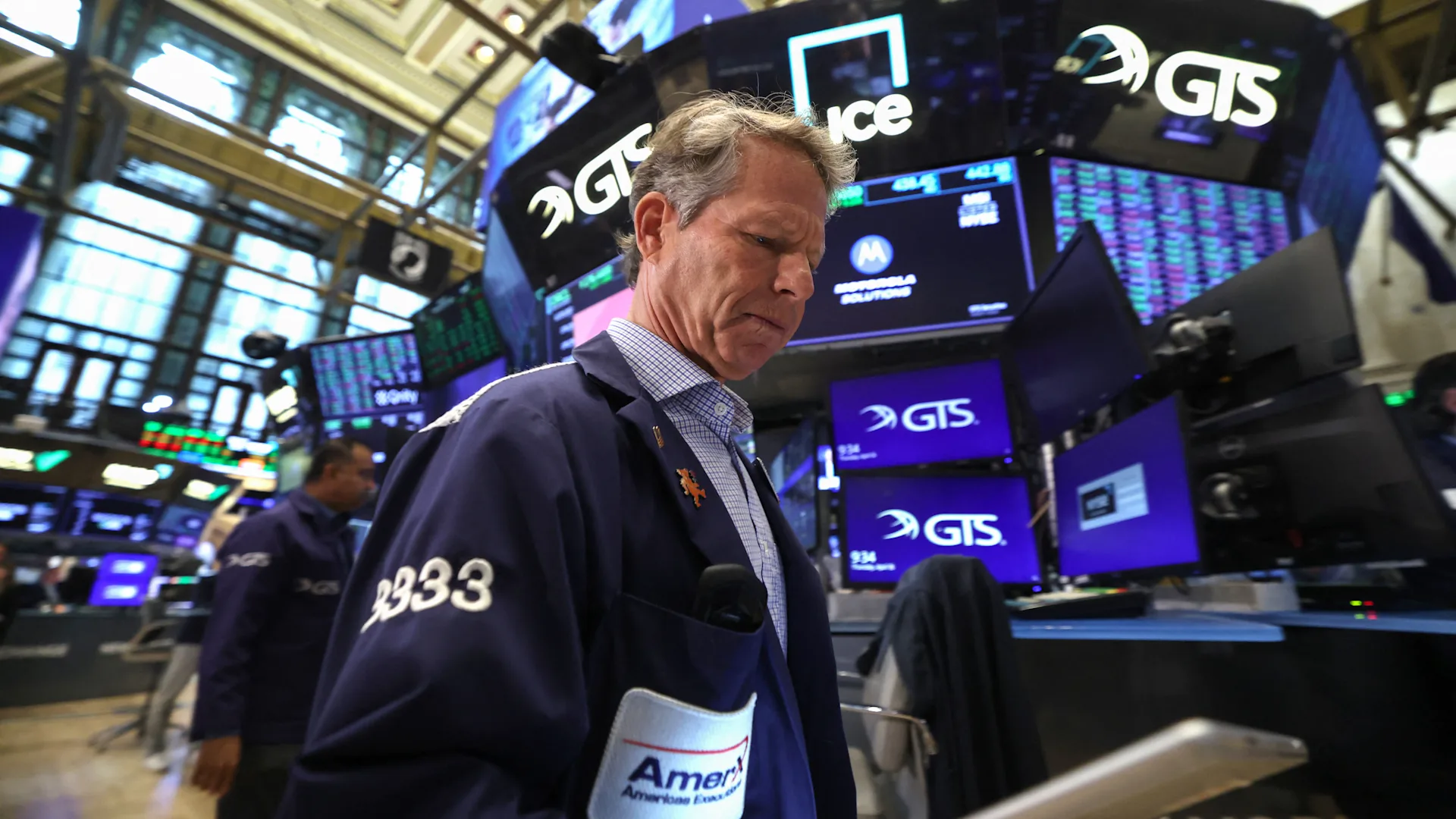
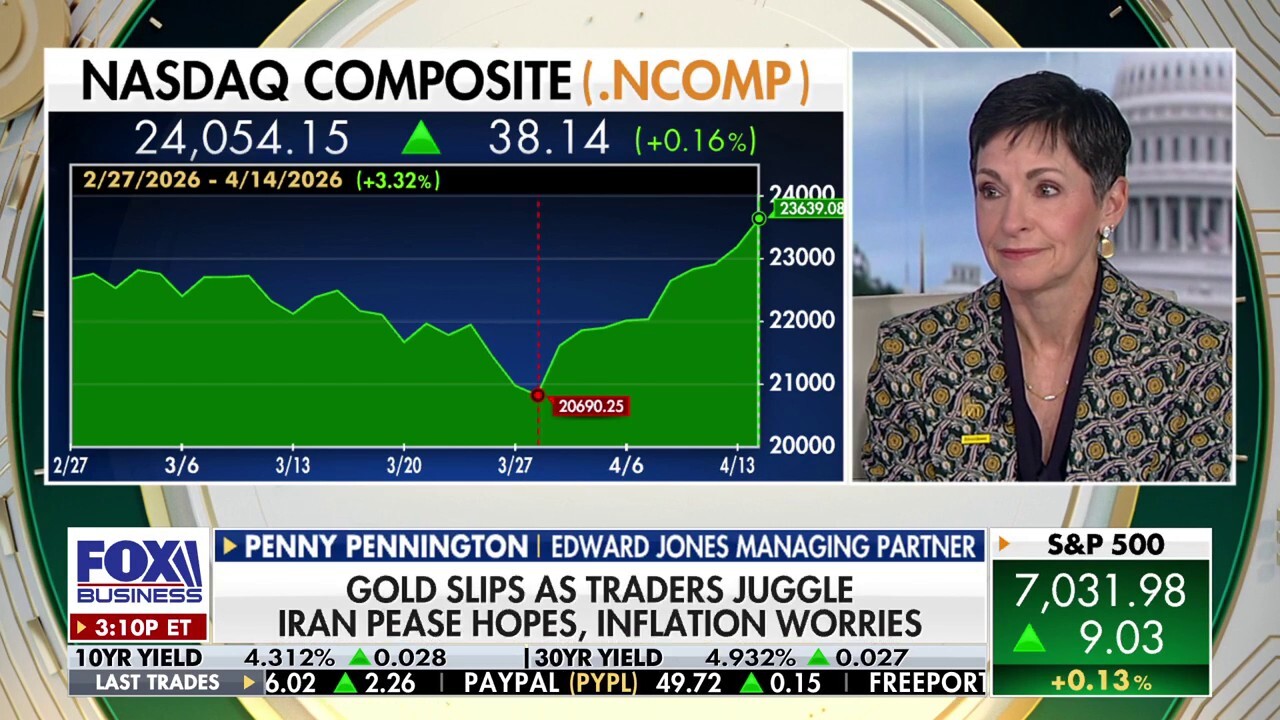
The S&P 500's breakthrough above 7,000 (closing at 7,022.95 on April 7, 2025) represents a critical inflection point for cross-border e-commerce sellers, driven by three converging factors that directly impact operational costs and consumer purchasing power. The April 7 U.S.-Iran ceasefire agreement brokered by Pakistan, which suspended bombing operations in exchange for Tehran reopening the Strait of Hormuz (carrying ~20% of global oil/gas supplies), has triggered a 10%+ market rally over 11 trading sessions with the VIX volatility index declining in 10 of 12 sessions. Most significantly for sellers, crude oil prices have retreated from their March peak above $114/barrel to stabilize around $90/barrel, directly reducing shipping and fulfillment costs that had surged 15-25% during the geopolitical crisis.
For Amazon FBA and 3PL sellers, this translates to immediate operational relief. Shipping costs from Asia-Pacific manufacturing hubs to U.S. fulfillment centers had increased $0.40-0.80 per unit during the February-March crisis period; stabilization at current crude levels suggests 8-12% cost reduction by Q2 2025. The CNN Fear and Greed Index's shift from extreme fear (March) to neutral readings indicates consumer confidence recovery—historically, neutral-to-positive sentiment correlates with 15-20% increases in discretionary category purchases (electronics, home goods, fashion accessories). Sellers in these categories should expect demand acceleration through Q2, particularly for items priced $25-150 where price sensitivity had peaked during uncertainty.
However, sustainability remains contested among analysts. Citi analysts warn that the U.S. blockade announcement on the Strait of Hormuz creates lingering uncertainty, while Piper Sandler's Craig Johnson notes the rally appears "built on hope" given crude remains elevated above $90/barrel and conflict duration remains uncertain. Critically, consumer relief at fuel pumps has not materialized—gasoline and diesel prices remain significantly above pre-war levels, meaning end-consumer purchasing power gains are modest. This creates a bifurcated opportunity: sellers of premium/discretionary items benefit from improved market sentiment and reduced logistics costs, while sellers of price-sensitive categories (bulk consumables, budget electronics) face continued consumer caution due to persistent fuel/energy costs.
Immediate seller actions: Monitor crude oil futures (WTI) for sustained stability below $95/barrel before committing to inventory expansion; negotiate 3PL contracts through June 2025 to lock in reduced shipping rates before potential re-escalation; increase PPC budgets in discretionary categories (electronics, home décor, sporting goods) where consumer confidence gains translate to higher conversion rates. Track the Strait of Hormuz situation weekly—any renewed tensions could reverse these gains within 48-72 hours, impacting both shipping costs and consumer spending simultaneously.
Questions 8
What is the Strait of Hormuz and why should e-commerce sellers monitor it?
The Strait of Hormuz is a critical waterway carrying approximately 20% of global oil and gas supplies between the Persian Gulf and Arabian Sea. The April 7 ceasefire agreement reopened this passage after tensions threatened to close it, which would have increased crude prices to $150+/barrel and shipping costs by 30-40%. Sellers should monitor Strait of Hormuz status weekly through energy news sources—any renewed U.S.-Iran tensions or blockade announcements could trigger immediate shipping cost spikes and consumer spending pullbacks, requiring rapid inventory and marketing adjustments.
Which product categories benefit most from improved consumer confidence signals?
The CNN Fear and Greed Index shift from extreme fear to neutral readings historically drives 15-20% demand increases in discretionary categories: electronics ($25-150 price range), home goods, sporting equipment, and fashion accessories. Sellers in these categories should increase Amazon PPC budgets by 10-15% through Q2 2025 to capitalize on higher conversion rates. Conversely, price-sensitive categories (bulk consumables, budget electronics) remain constrained because gasoline/diesel prices remain significantly above pre-war levels, limiting end-consumer purchasing power despite stock market gains.