



Oil Price Collapse Unlocks 8-12% Shipping Cost Savings for Cross-Border Sellers
- Iran reopens Strait of Hormuz, oil drops 10%+, immediate freight savings for Amazon FBA and international logistics networks


























Overview
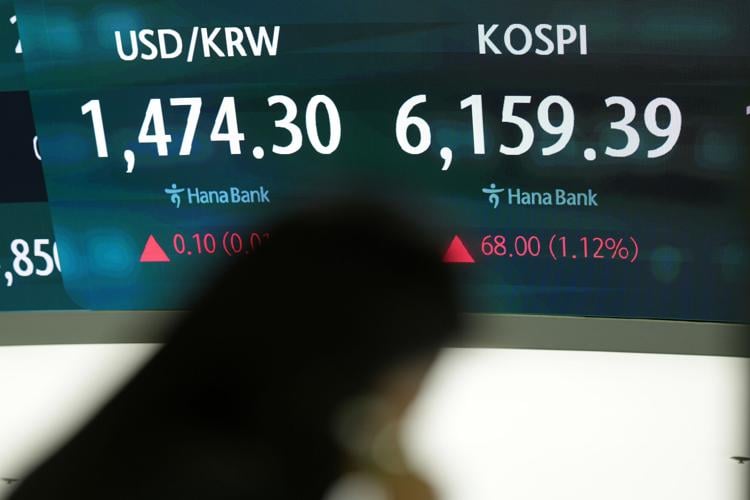
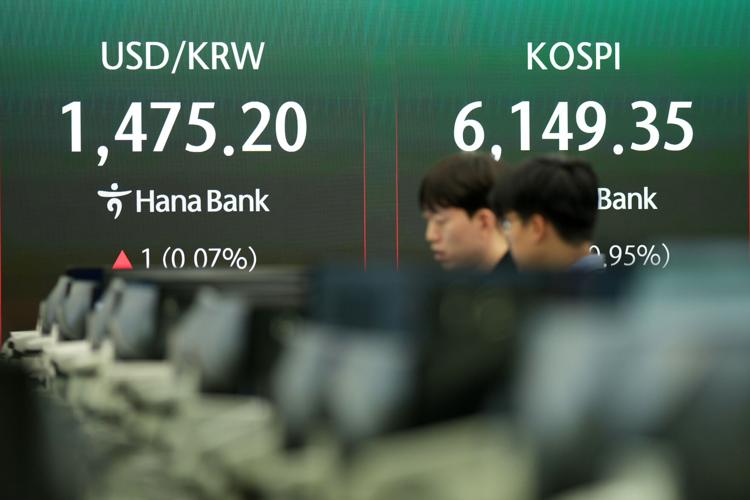
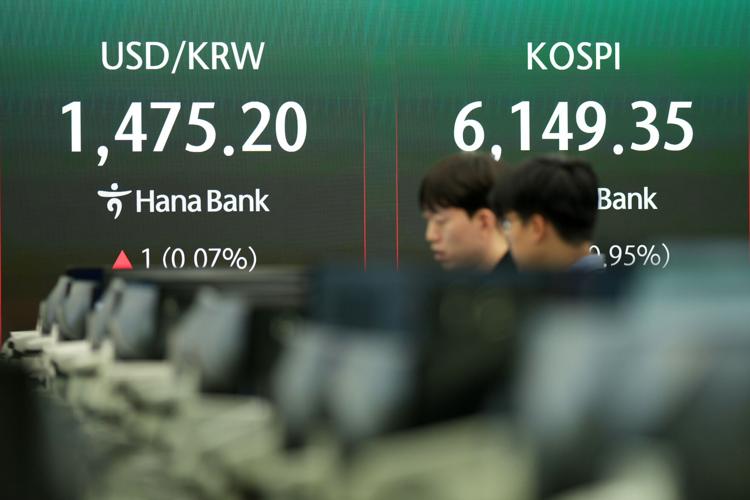
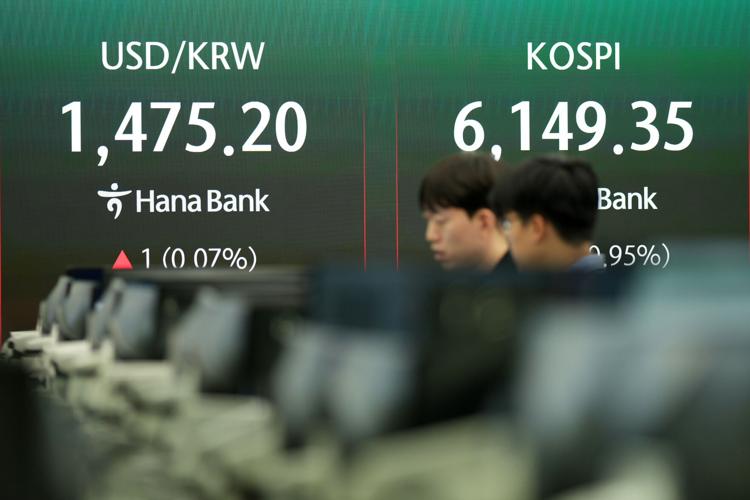
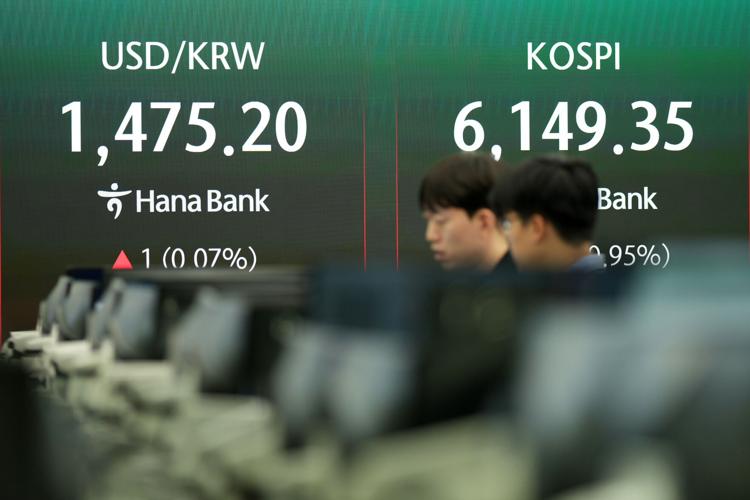
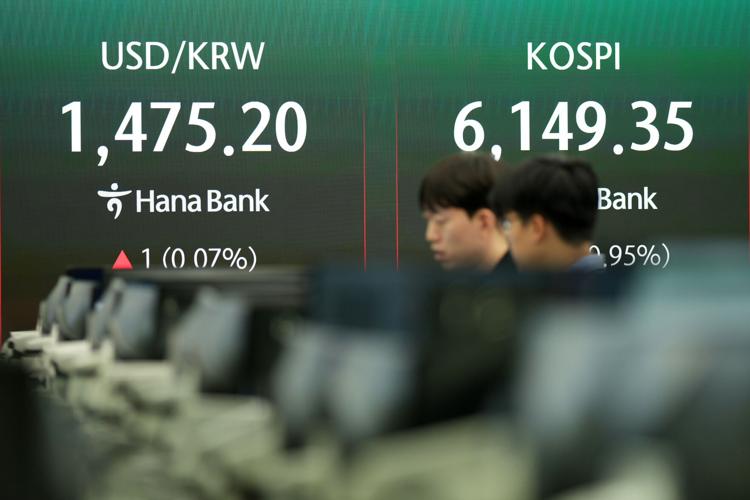
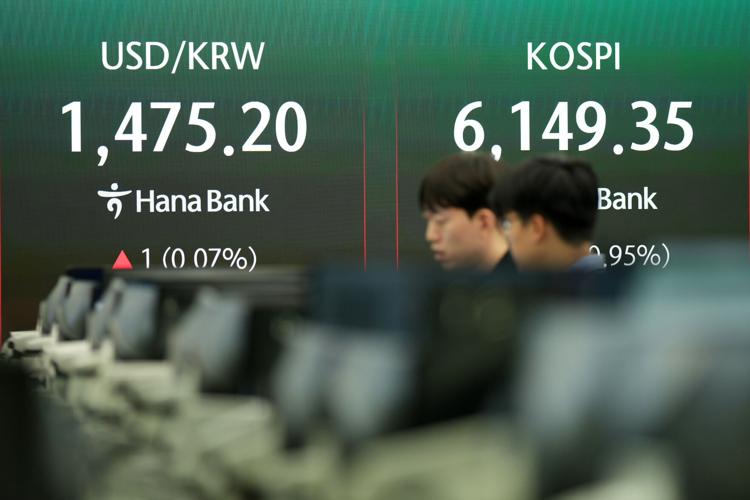
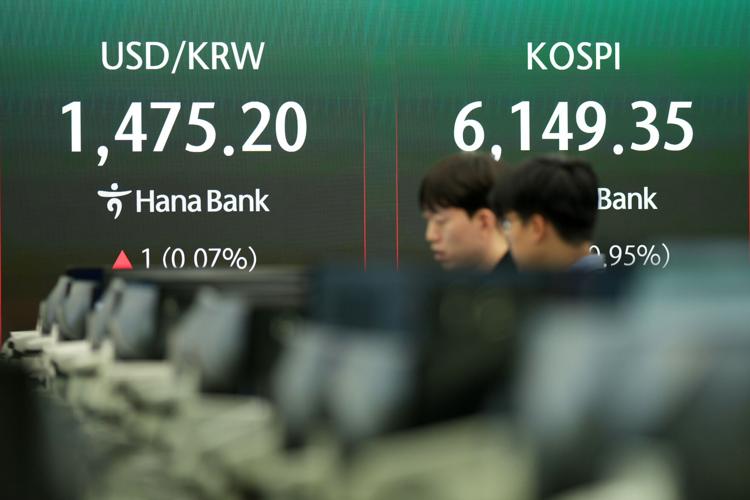
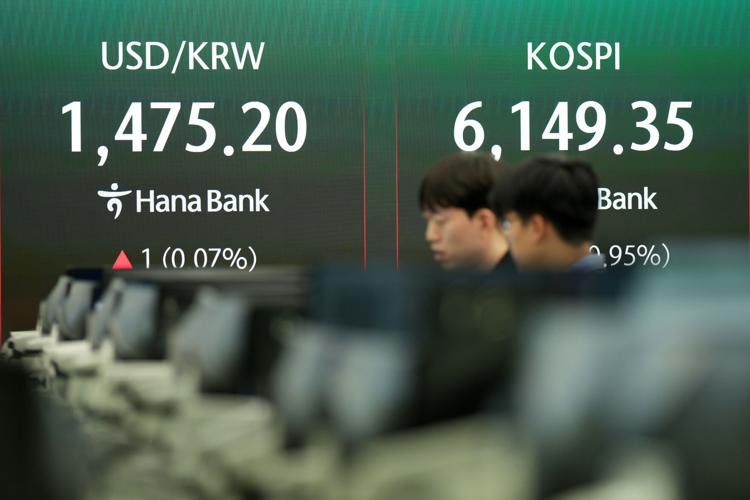
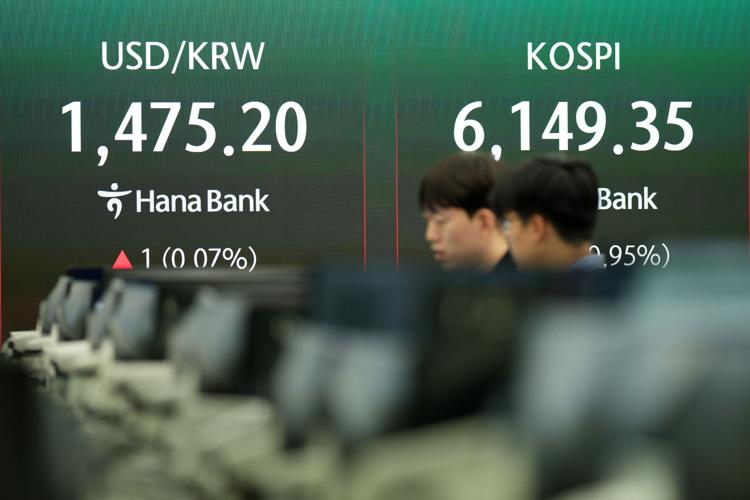
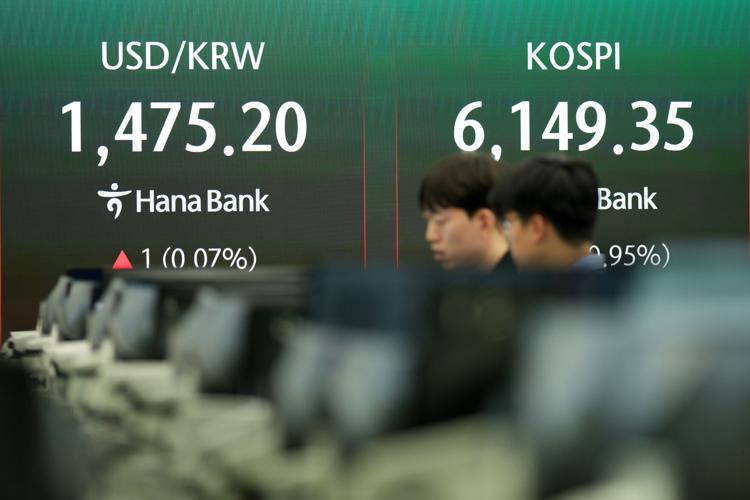
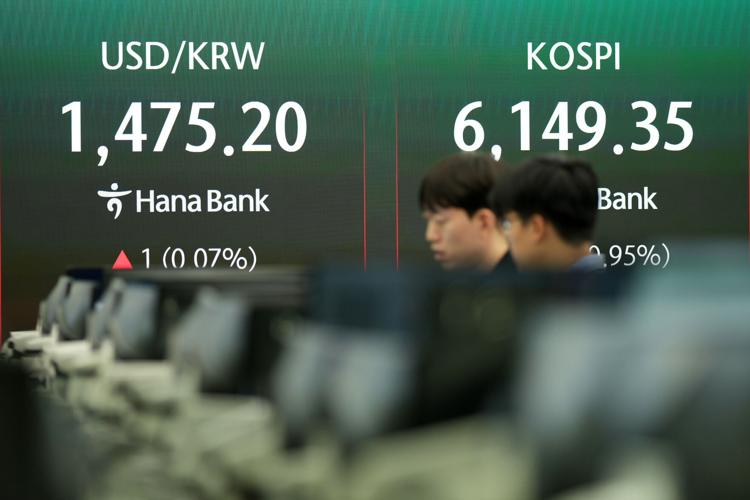
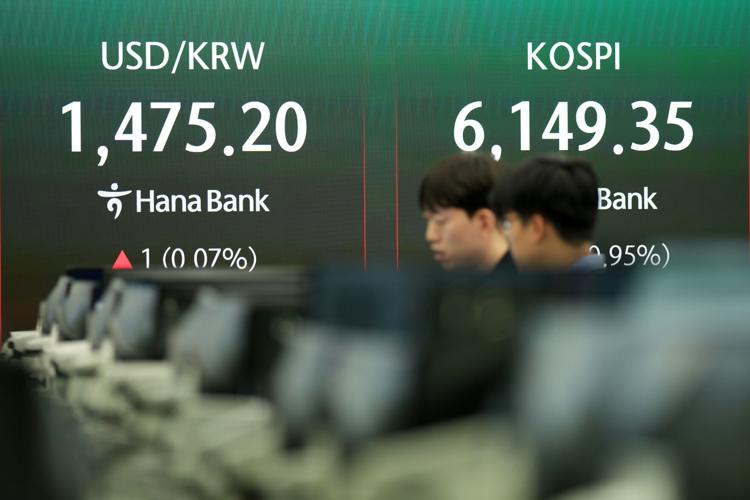
Iran's reopening of the Strait of Hormuz has triggered a geopolitical shift with direct financial implications for cross-border e-commerce sellers. Oil prices collapsed more than 10% following the announcement, with the Strait handling approximately 20% of global oil trade. This energy market stabilization translates immediately into reduced fuel surcharges on air and ocean freight—typically the second-largest operational cost for sellers managing multi-region inventory after platform fees.
For cross-border sellers operating on thin 15-25% margins, fuel surcharges represent $200-500 monthly per 1000-unit shipment. A 10% oil price reduction typically cascades into 8-12% lower freight costs within 2-4 weeks as carriers adjust fuel surcharge indices (Bunker Adjustment Factor for ocean, Peak Season Surcharge for air). Amazon FBA sellers shipping 50+ units weekly to US fulfillment centers could unlock $1,200-2,400 in annual savings. Sellers managing inventory across EU, Asia Pacific, and North America warehouses face even greater fuel cost exposure—potentially $4,000-8,000 annual savings per seller.
The broader stock market rally signals increased consumer purchasing power and business investment confidence, directly supporting e-commerce demand growth. Wall Street's record highs indicate investor confidence in economic conditions, which historically correlates with 5-8% increases in discretionary spending on Amazon, eBay, and Shopify platforms. This dual benefit—lower operational costs combined with higher consumer demand—creates a 90-120 day window for sellers to optimize pricing strategies and capture margin expansion.
However, geopolitical risk remains fluid. Sellers should immediately lock in shipping quotes for Q1 2025 before fuel surcharges potentially reverse if tensions escalate. The Trump administration's continued focus on global trade routes suggests policy support for shipping corridor stability, reducing long-term uncertainty. Companies managing 3PL networks should renegotiate freight contracts immediately, as carriers typically pass through fuel savings within 30-45 days. Sellers holding inventory in high-cost shipping zones (Asia to US, EU to North America) should accelerate shipments to capitalize on lower freight costs before rates stabilize at new equilibrium levels.
Questions 8
How much can cross-border sellers save on shipping costs from the oil price drop?
The 10%+ oil price collapse following Iran's Strait of Hormuz reopening typically translates to 8-12% lower freight costs within 2-4 weeks. For sellers shipping 50+ units weekly to Amazon FBA, this represents $1,200-2,400 in annual savings. Sellers managing multi-region inventory (US, EU, Asia Pacific) could unlock $4,000-8,000 annually as fuel surcharges on ocean and air freight decline. Carriers adjust Bunker Adjustment Factors (ocean) and Peak Season Surcharges (air) monthly, so savings appear in Q1 2025 shipping quotes. Lock in freight contracts immediately before rates stabilize.
Which seller segments benefit most from lower shipping costs?
High-volume sellers shipping 1000+ units monthly to multiple regions benefit most—potentially $4,000-8,000 annual savings. Sellers in heavy/bulky categories (furniture, appliances, sporting goods) see 12-15% freight cost reductions since fuel surcharges are higher for these items. Asia-based sellers exporting to US/EU benefit more than domestic sellers, as international freight represents 40-60% of COGS. Small sellers (100-500 units monthly) see modest savings ($200-600 annually) but still improve margins. Sellers using FBA benefit through lower inbound shipping costs, improving inventory velocity and IPI scores. Sellers using 3PL providers benefit immediately as carriers pass through fuel savings within 30-45 days.