




Chinese EV Patent Signals Luxury Aftermarket Boom | Sellers Capitalize on Mobile Living Trend
- Seres patents voice-controlled in-vehicle toilet (April 2025); signals $2-4B aftermarket accessory opportunity for sellers targeting premium EV owners and mobile lifestyle consumers across China, EU, and Middle East markets







Overview
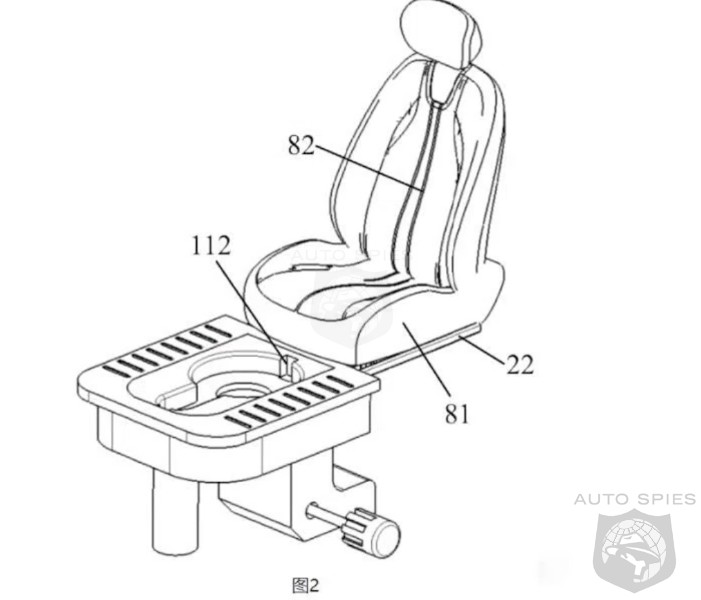
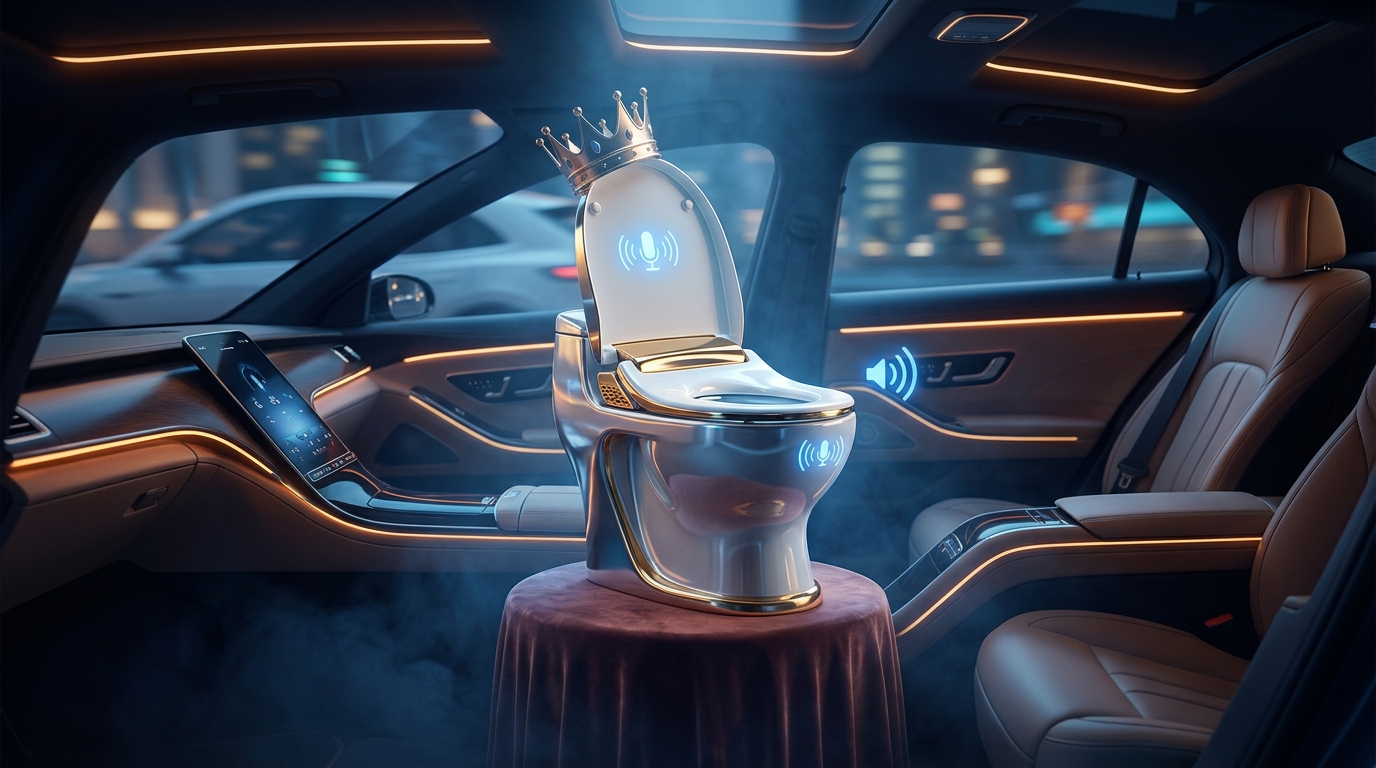
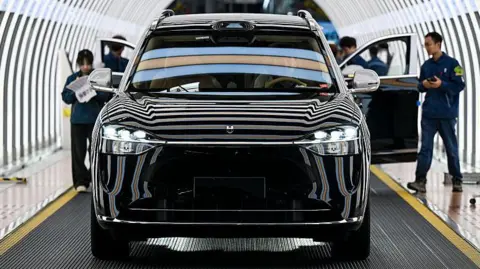
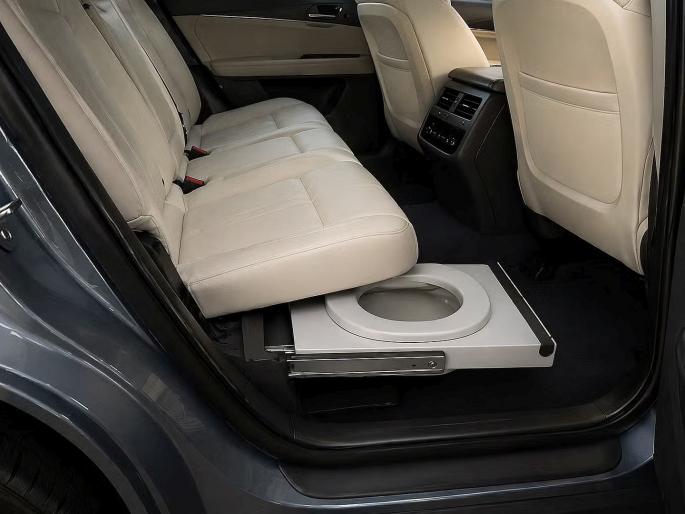
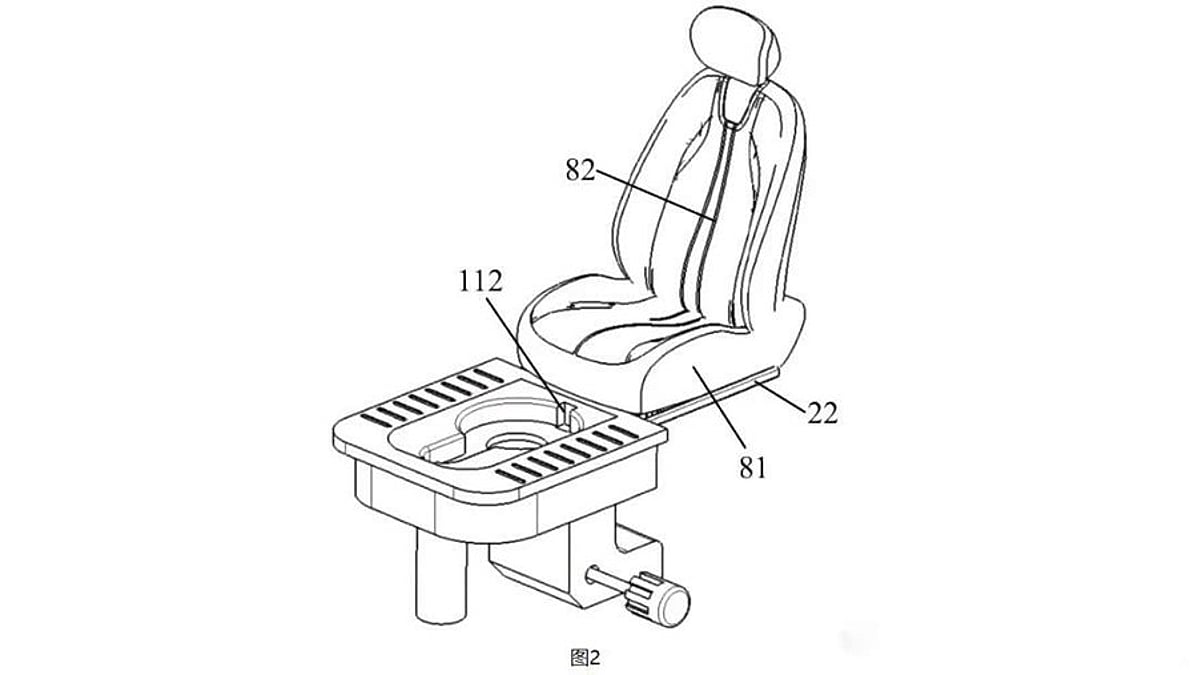
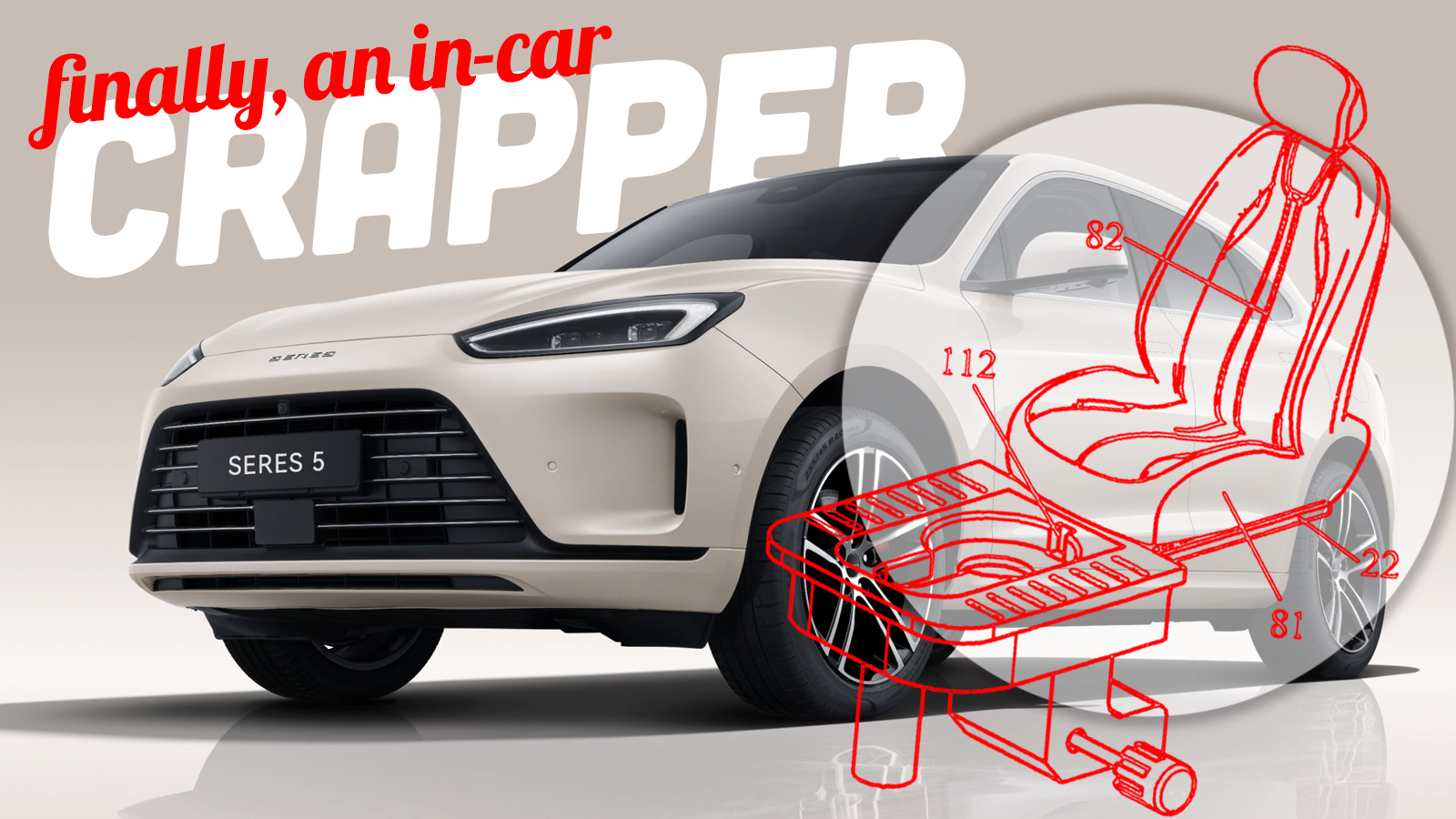
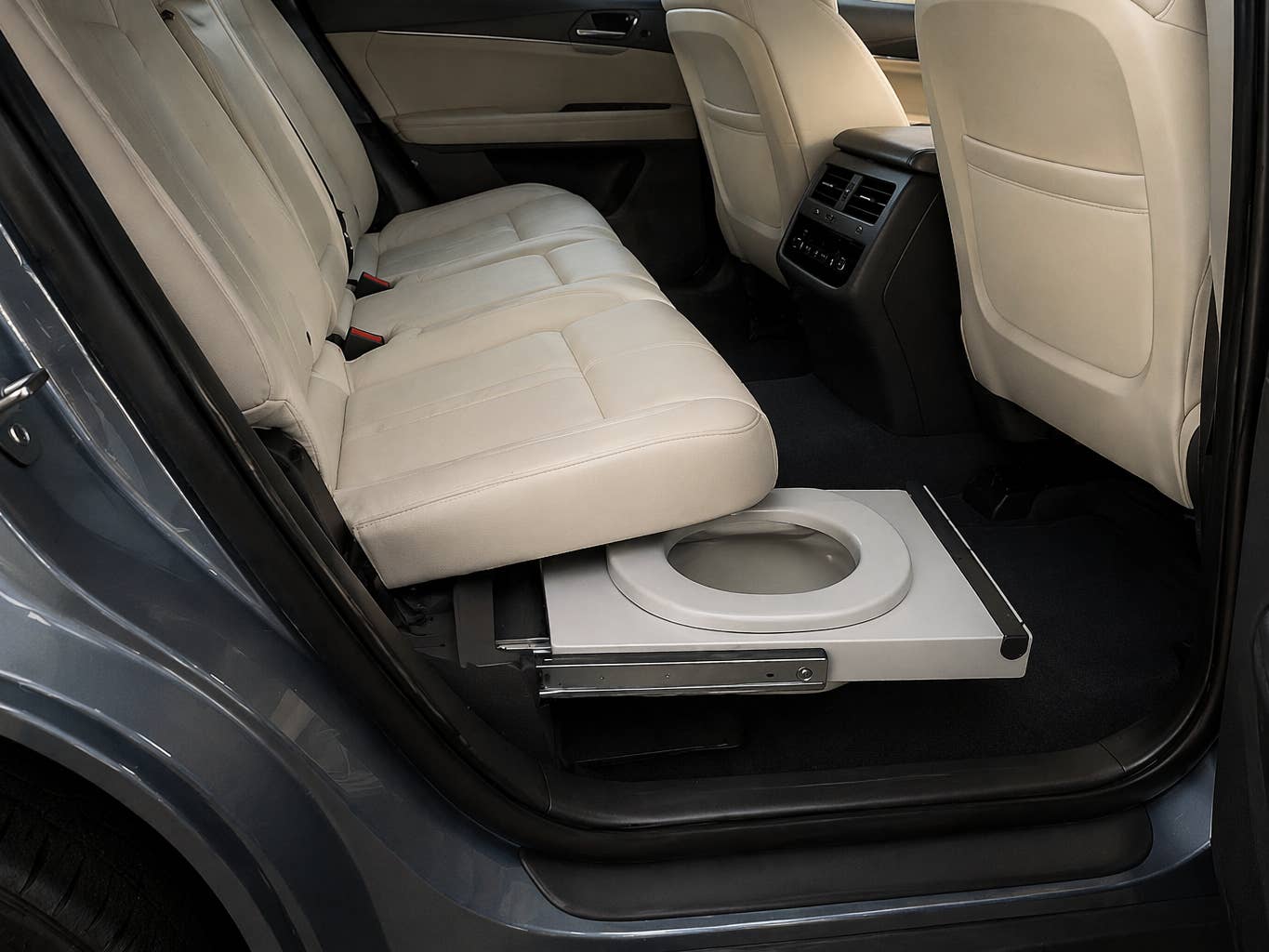
Seres' April 2025 patent for a voice-controlled in-vehicle toilet represents a critical inflection point in automotive aftermarket compliance and product certification requirements. The Chinese EV manufacturer's filing with the National Intellectual Property Administration reveals that luxury vehicle sanitation systems now require formal patent protection, signaling emerging regulatory frameworks for integrated automotive accessories. This development creates immediate compliance barriers for aftermarket sellers: any portable or integrated toilet system sold for vehicles must now navigate patent infringement risks, waste management certifications, and vehicle integration standards that previously didn't exist.
The regulatory compliance opportunity is substantial. Seres' patent specifically covers voice-activated deployment mechanisms, exhaust systems, and waste desiccation technology—creating a protected design space that forces competitors into alternative compliance pathways. Sellers offering portable vehicle toilets, RV sanitation systems, or camping accessories must now either: (1) license Seres' technology at undisclosed royalty rates, (2) develop non-infringing designs using different activation mechanisms or waste management approaches, or (3) focus on markets where the patent hasn't been filed (North America, Southeast Asia). The patent filing in China's NIPA suggests Seres will likely pursue international protection through PCT filings, potentially affecting EU and Middle East markets where the company already operates.
For cross-border e-commerce sellers, this creates three distinct compliance pathways with different cost structures. First, sellers offering existing portable toilet products (chemical toilets, composting systems) face minimal immediate impact but should monitor patent prosecution timelines—estimated 18-24 months for full international coverage. Second, sellers developing smart/IoT-enabled vehicle sanitation products must conduct freedom-to-operate (FTO) analyses before launch, adding $15,000-40,000 in legal costs but creating defensible market positions. Third, sellers in unpatented categories (manual deployment systems, non-integrated designs, aftermarket seat covers with waste containment) can capture market share from competitors forced into compliance delays. The broader trend—Chinese EV manufacturers differentiating through lifestyle amenities (massage seats, karaoke, refrigeration units)—indicates that automotive accessory categories will face accelerating patent filings, creating a 12-18 month window for sellers to establish market positions in non-patented variations before compliance costs spike.
Enforcement intensity matters significantly. Seres' profitability (unlike dozens of failing Chinese EV competitors) suggests the company has resources to enforce its patent portfolio aggressively, particularly in EU and Middle East markets where it's expanding operations. Sellers should expect cease-and-desist letters for directly competing products within 6-12 months of patent issuance. However, the patent's specificity (voice-controlled, heating-element-based desiccation) creates clear design-around opportunities: manual-deployment systems, UV-based waste treatment, or external waste management solutions avoid infringement while serving the same market segment.
Questions 7
Are there geographic markets where sellers can avoid this patent compliance?
Yes—patent protection is territorial. Seres' April 2025 filing covers China's NIPA (National Intellectual Property Administration), but international protection requires separate filings in each jurisdiction. Currently, North America (US, Canada), Southeast Asia (Thailand, Vietnam, Indonesia), and India represent lower-compliance-risk markets where Seres hasn't filed patents. However, this window is temporary: Seres' expansion to Europe, Middle East, and Africa suggests PCT filings are likely within 6-12 months, extending protection to these regions. Sellers should prioritize North American and Southeast Asian markets for voice-controlled vehicle toilet products before international patent coverage expands. For EU-based sellers, compliance is critical immediately—Seres already operates in European markets and will likely pursue EU patent protection (EUIPO) within 12 months of the April 2025 filing.
What enforcement timeline should sellers expect for patent violations?
Patent enforcement typically follows a 6-12 month timeline from patent issuance. Seres' April 2025 patent approval suggests cease-and-desist letters will target direct competitors by Q3-Q4 2025, particularly in EU and Middle East markets where the company operates. Enforcement intensity depends on Seres' patent prosecution strategy: if the company files PCT international patents (likely within 6 months), enforcement extends globally within 18-24 months. Sellers should monitor patent databases (WIPO, USPTO, EUIPO) for Seres' international filings and conduct FTO analyses before Q2 2025 to avoid infringement exposure. Early movers in non-infringing product categories (manual systems, alternative waste treatment) can establish market positions and brand recognition before enforcement pressure intensifies, creating defensible competitive advantages.