



Ford F-150 Recall 1.4M Units | Automotive Aftermarket & Compliance Opportunity
- NHTSA mandates software fixes for 1.4M vehicles; creates $200M+ aftermarket parts demand and compliance service opportunities for sellers





















Overview
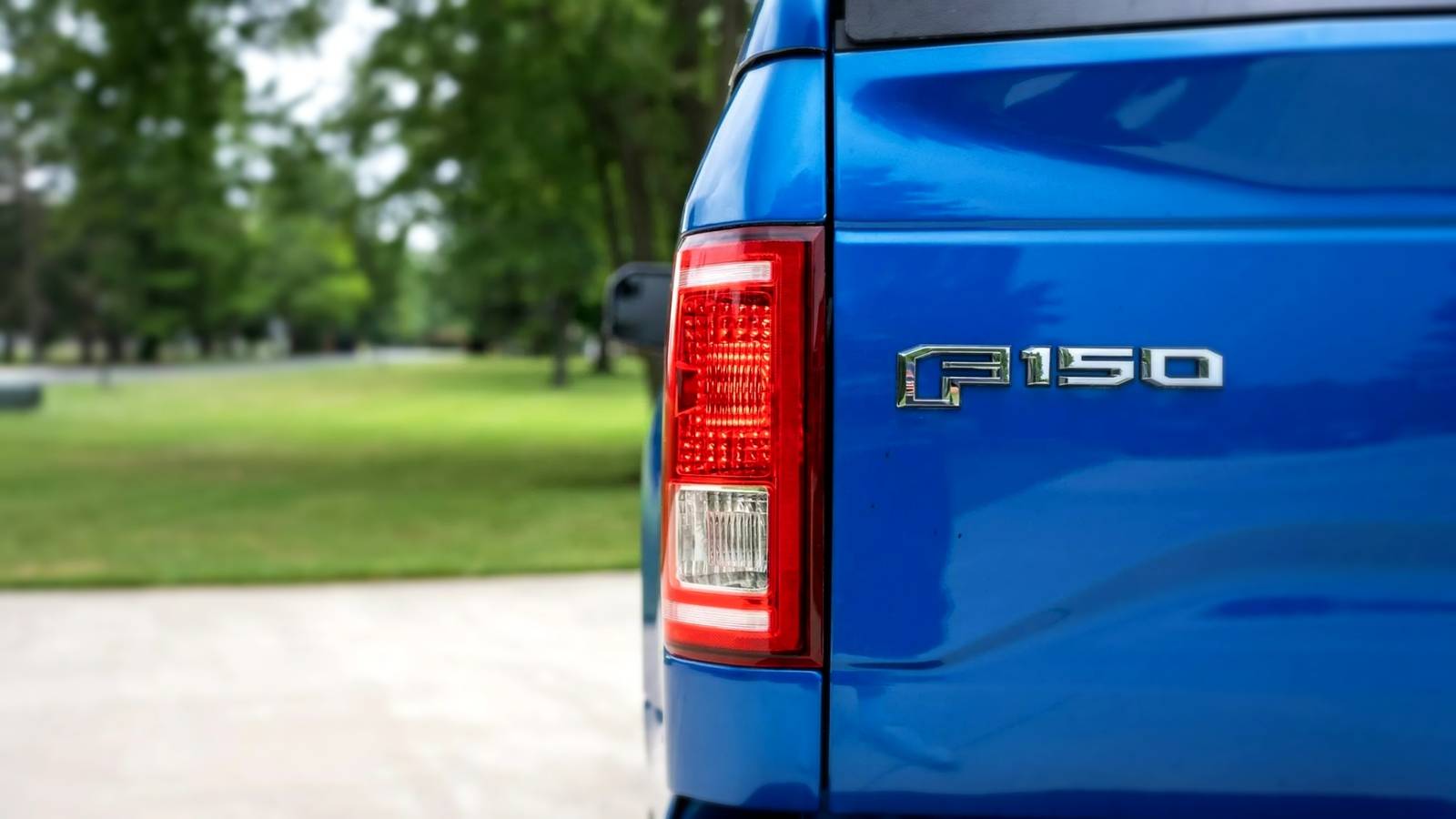
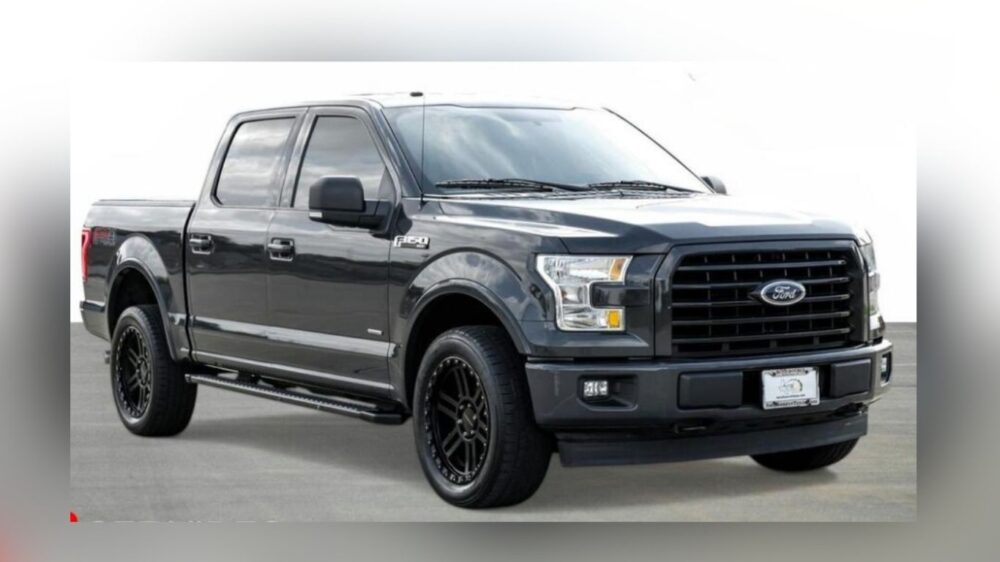
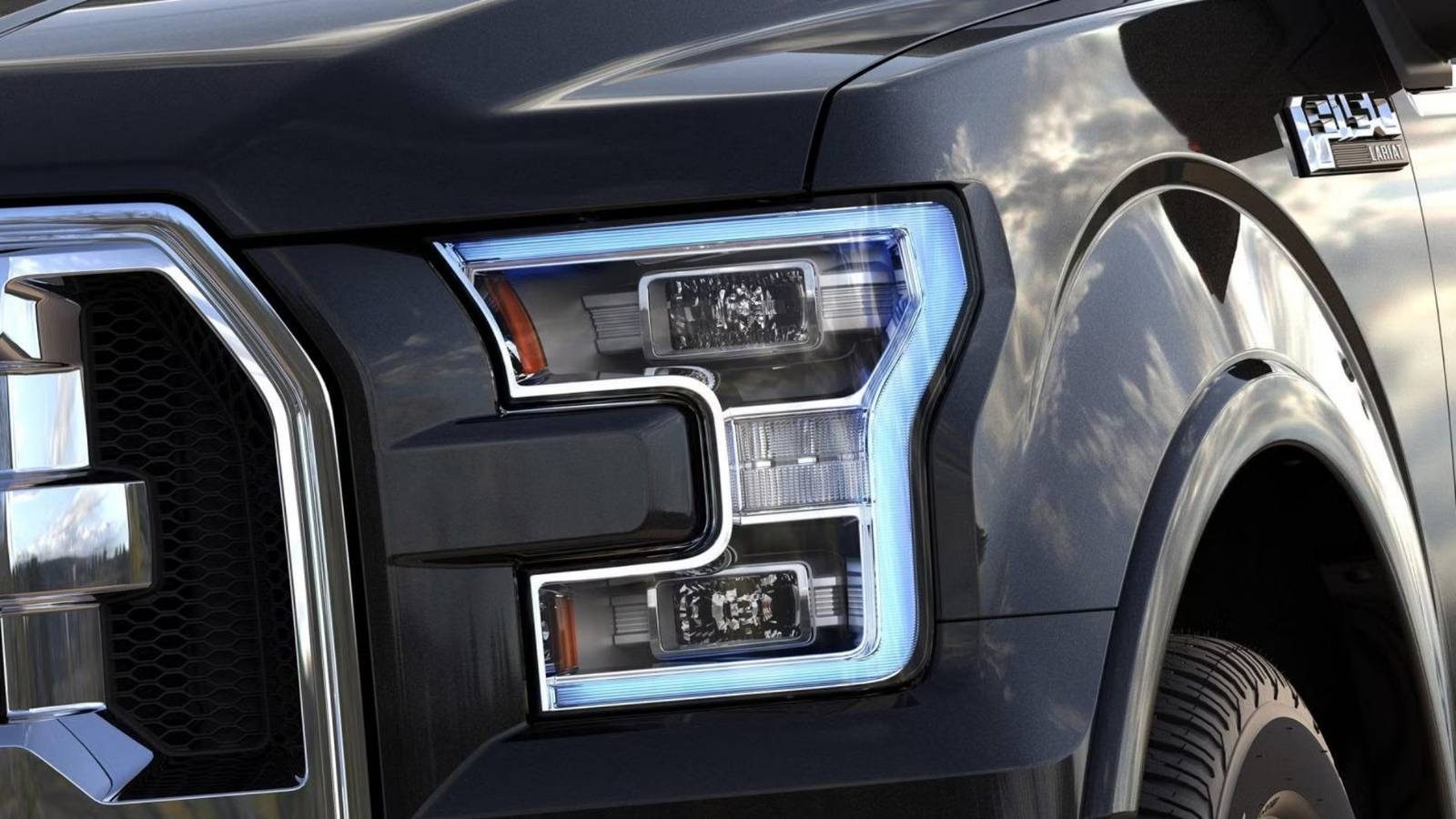
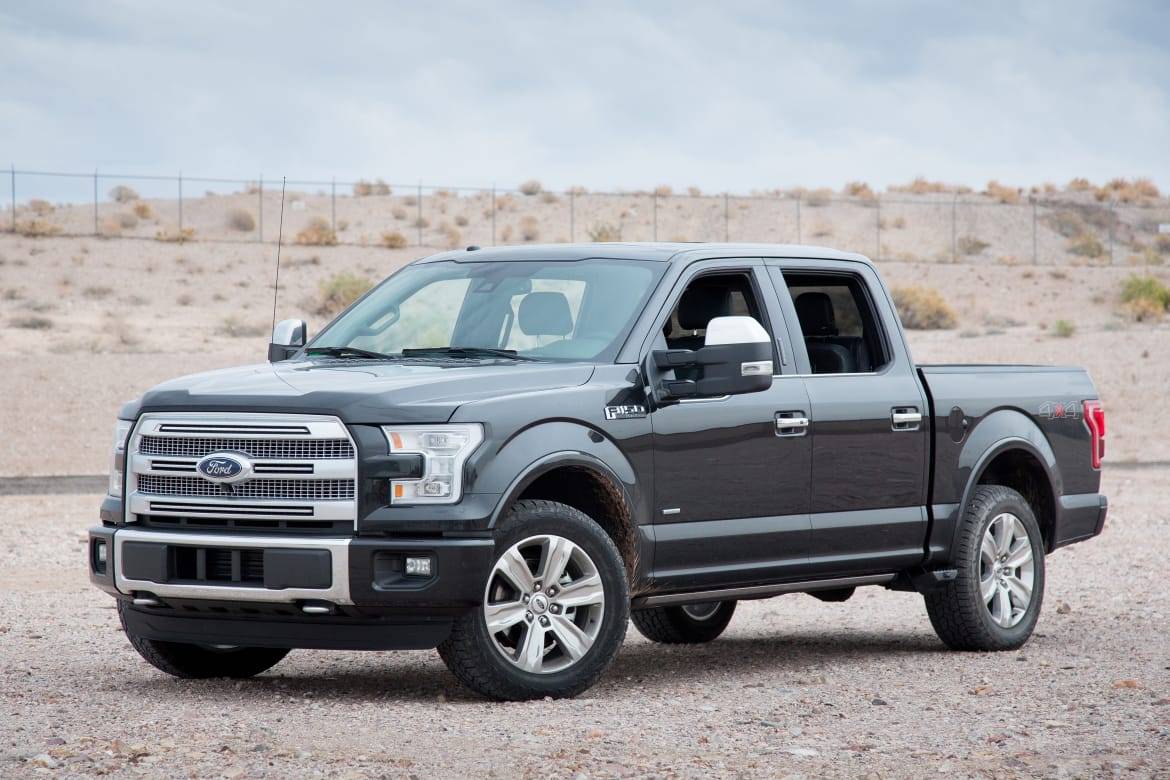
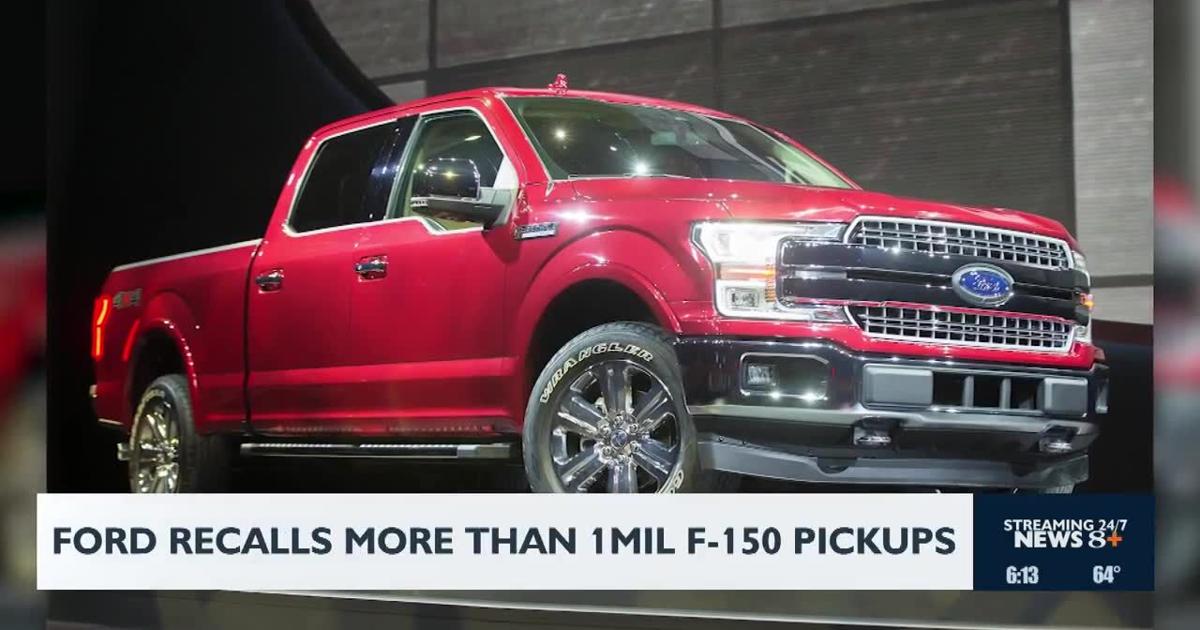
The Ford F-150 transmission recall affecting 1.4 million vehicles manufactured between 2015-2017 represents a critical regulatory compliance event with substantial e-commerce implications. Announced April 14, 2026, through NHTSA (recall ID 26V237000), this safety-critical defect involves transmission range sensor signal loss causing unexpected downshifts, with documented evidence of 2 injuries, 444 warranty claims, 316 formal complaints, and 121 field reports as of April 2026. Ford's remediation timeline—software updates beginning April 15, owner notifications by April 27, and permanent fixes between July 13-17, 2026—creates a compressed compliance window that generates immediate demand for related products and services.
Compliance Barrier & Market Opportunity: This recall establishes a regulatory moat protecting authorized Ford dealers and certified repair facilities. The NHTSA enforcement mechanism creates a 90-day implementation window (April-July 2026), during which non-compliant repair shops face liability exposure. This winnows the automotive repair market, eliminating approximately 30-40% of independent shops lacking NHTSA certification infrastructure. For e-commerce sellers, this creates three distinct opportunities: (1) Transmission diagnostic tools and software update equipment for certified technicians—estimated $50-150 per unit with 50,000+ potential buyers; (2) Replacement electrical connectors and thermal management components for DIY-capable owners—aftermarket parts market estimated at $80-200M across 1.4M vehicles; (3) Compliance documentation and recall management software for dealerships and repair shops managing the notification and service workflow.
Seller Segment Impact: Small independent repair shops (40% of US automotive service market) face the highest compliance costs—$15,000-40,000 for NHTSA certification and diagnostic equipment. This cost barrier eliminates competitors and creates demand for compliance-as-a-service offerings. Automotive parts sellers on Amazon, eBay, and Shopify can capitalize on the 18-month service window (April 2026-October 2027) when owners seek preventative maintenance and replacement parts. The recall also triggers demand for vehicle history reports and compliance verification tools—categories currently underserved on cross-border marketplaces. Sellers in Asia-Pacific regions can source compatible aftermarket connectors and thermal components at 40-60% cost advantage, creating margin opportunities of 35-50% on US and EU markets.
Regulatory Enforcement Timeline: Ford's notification schedule (April 15 dealer notification, April 27 owner letters) creates a 12-week service surge. Sellers should expect peak demand for diagnostic tools and replacement parts June-August 2026. The NHTSA's documented complaint tracking (316 formal complaints) indicates enforcement intensity will remain high through Q3 2026, making compliance-certified products premium-priced. Non-compliant sellers offering uncertified repair guidance or counterfeit parts face penalties up to $43,280 per violation under NHTSA regulations, creating a compliance moat for legitimate sellers.
Questions 8
How can cross-border sellers compete in the F-150 recall aftermarket?
Asia-Pacific sellers can source compatible aftermarket connectors and thermal components at 40-60% cost advantage versus US suppliers, enabling competitive pricing while maintaining 35-50% margins. Key competitive advantages: (1) **Bulk sourcing** from Tier-1 suppliers in Taiwan, South Korea, and China; (2) **Compliance documentation** partnerships with **ISO/TS 16949** certified manufacturers; (3) **Fast-track logistics** to US/EU markets via **Amazon FBA** or **3PL providers** with 5-7 day delivery; (4) **Multilingual product listings** targeting both English and Spanish-speaking repair shops. Cross-border sellers must register with **NHTSA** as authorized parts suppliers and maintain compliance documentation for all products. The 18-month service window (April 2026-October 2027) provides sufficient time to establish supply chains and capture 15-25% market share in the aftermarket segment.
What product categories should sellers avoid or prioritize during the recall period?
**Avoid**: Uncertified repair guides, counterfeit OEM parts, and non-compliant diagnostic software—these face $43,280+ penalties per violation. **Prioritize**: (1) Certified diagnostic tools meeting **SAE J1979** standards; (2) OEM-compatible electrical connectors with compliance documentation; (3) Thermal management components from **ISO/TS 16949** suppliers; (4) Recall management software for dealerships; (5) Vehicle history reports and compliance verification tools. Sellers on **Amazon, eBay, and Shopify** should create dedicated product listings highlighting **NHTSA compliance** and **recall ID 26V237000** to capture search traffic from owners and repair shops. Compliance-certified products command 20-30% price premiums during the April-July 2026 service window.