



Chicago O'Hare Flight Cuts Impact Air Freight Costs | Cross-Border Seller Logistics Alert
- 372 daily flight reductions (May-October 2024) drive 8-15% air freight cost increases for sellers shipping electronics, apparel, and time-sensitive goods via Chicago hub














Overview
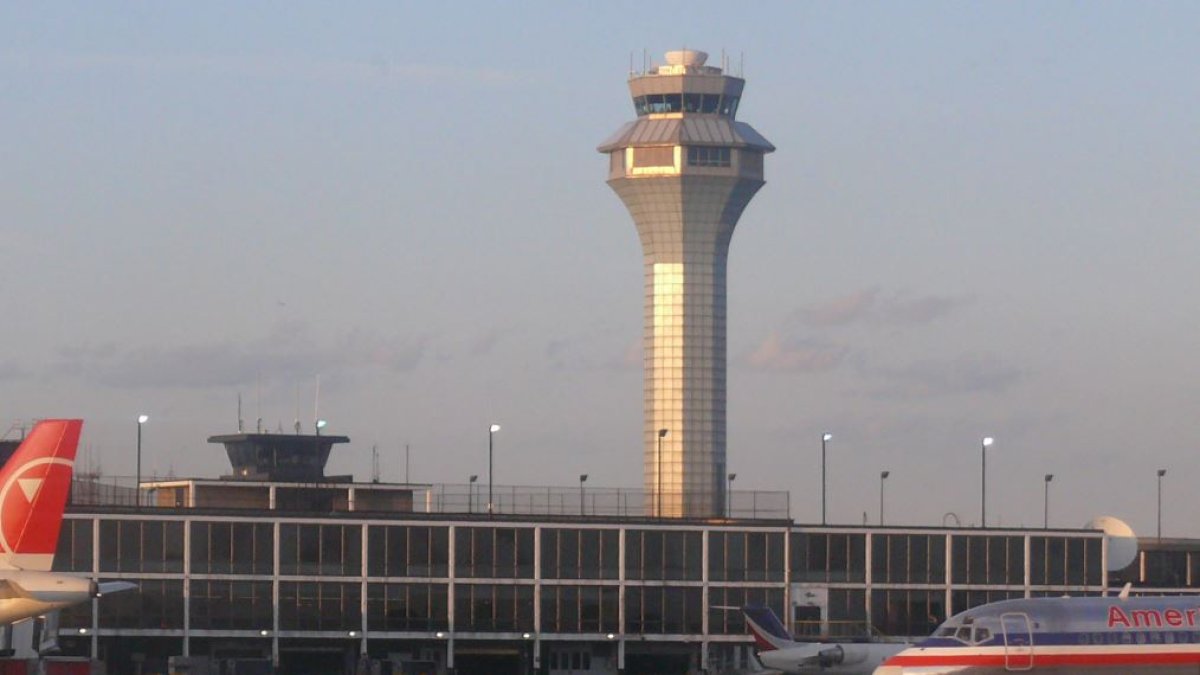
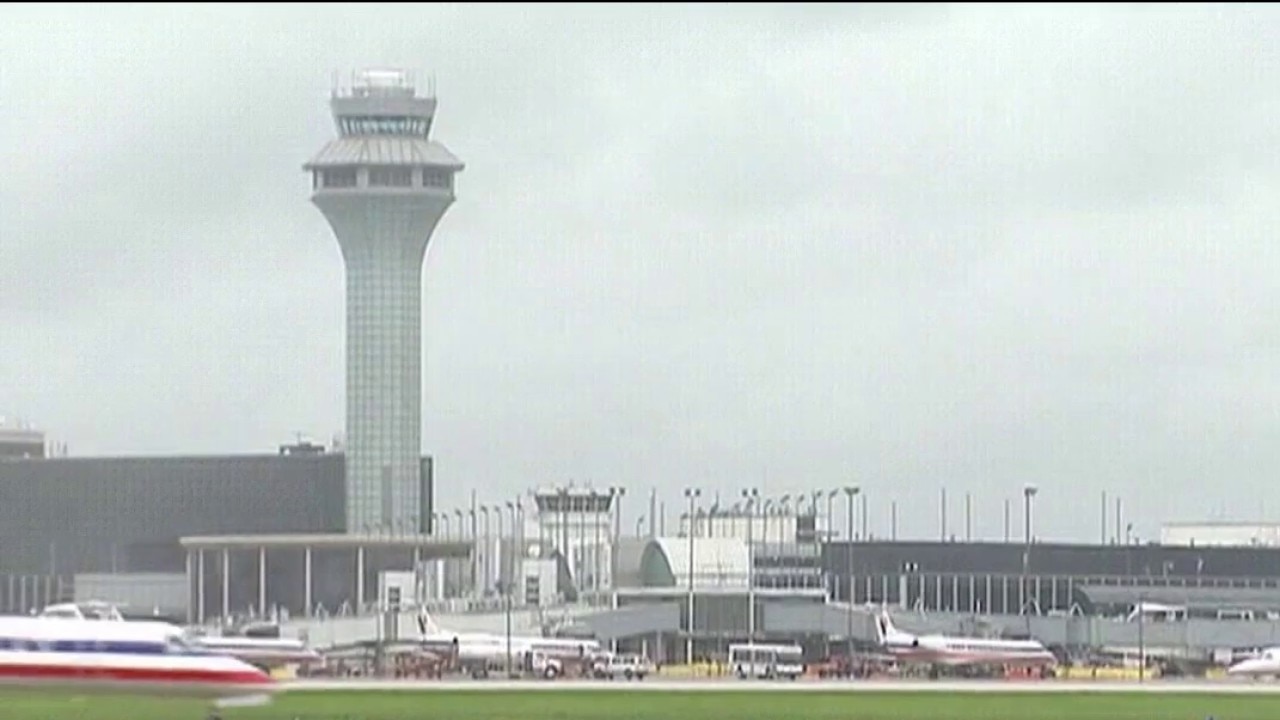
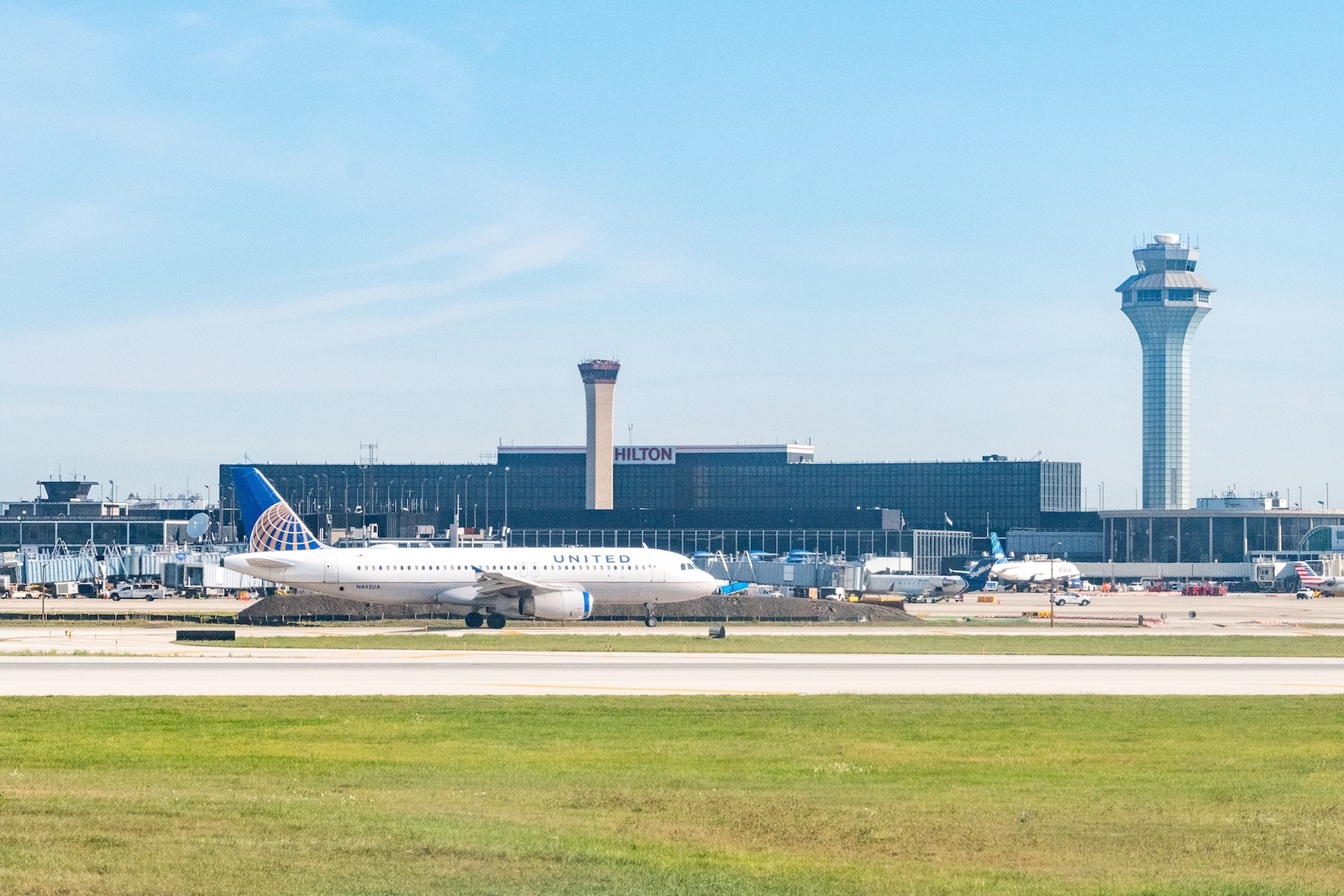
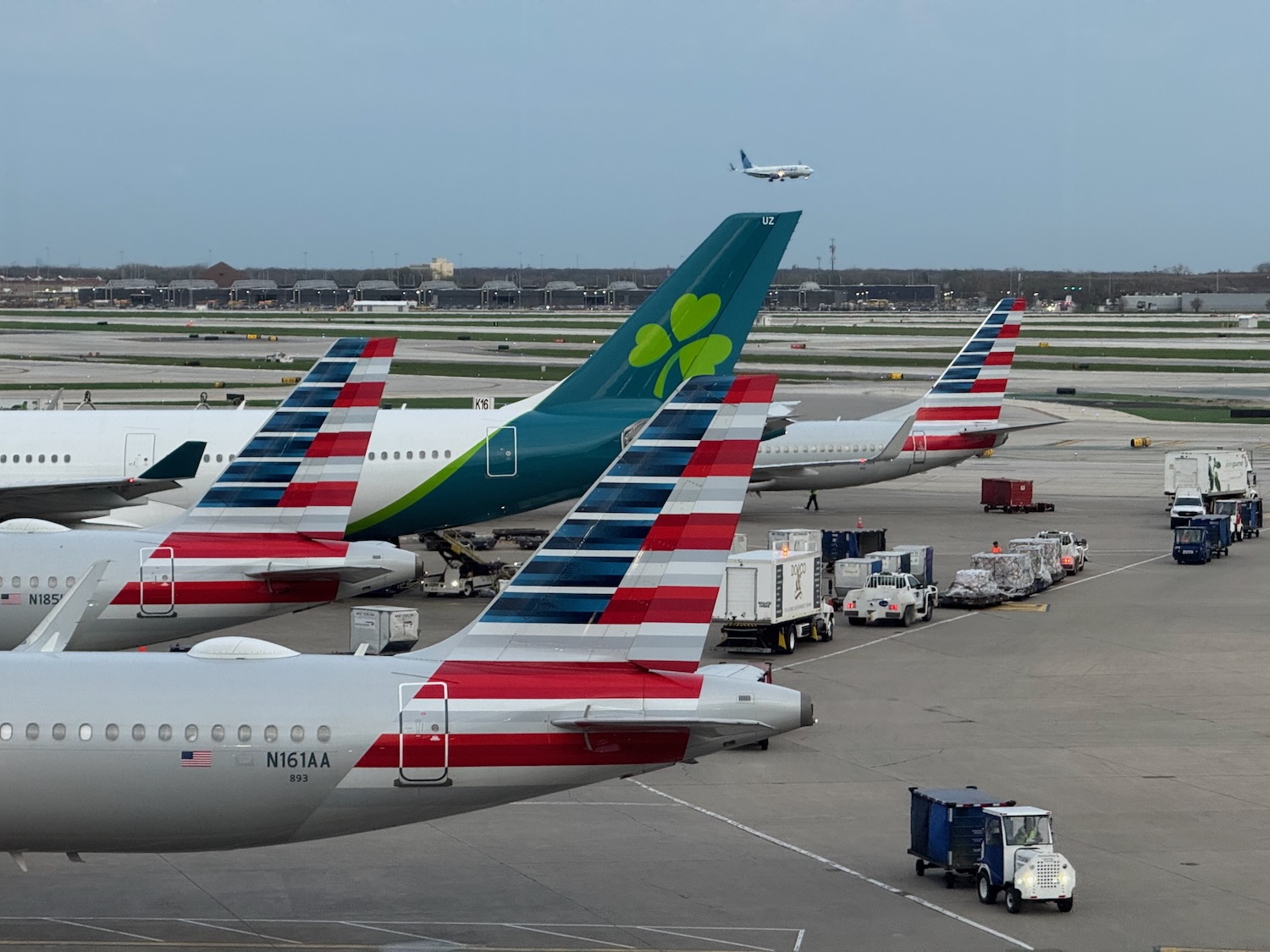
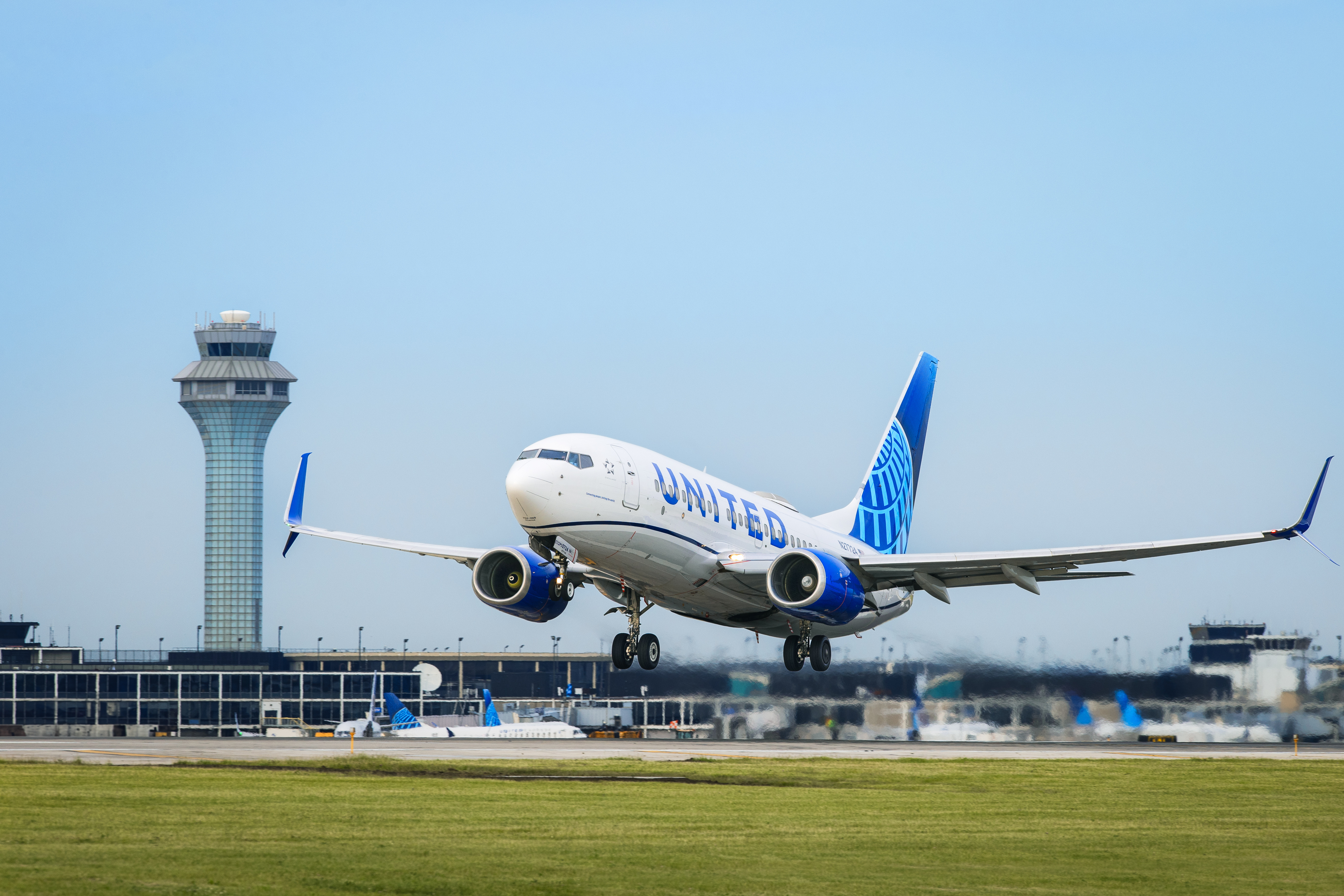
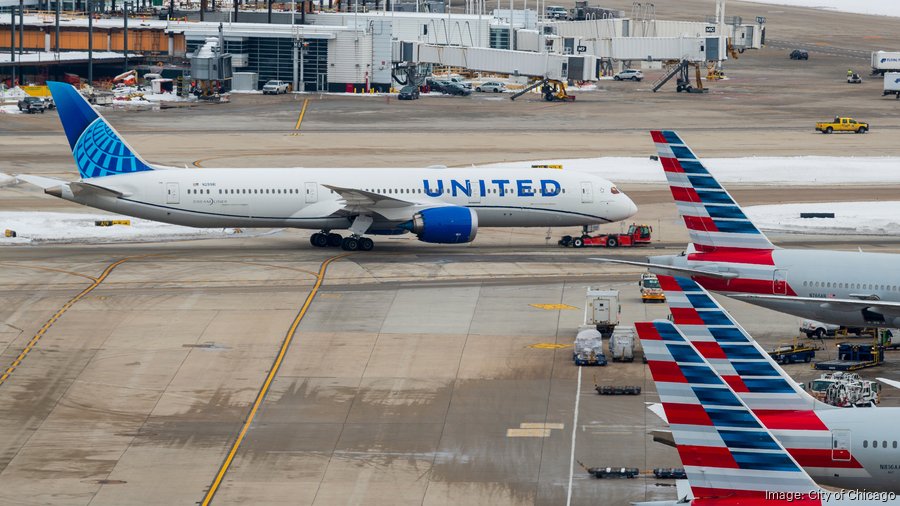
The U.S. Federal Aviation Administration's order capping Chicago O'Hare International Airport flights at 2,708 daily (down 372 from planned 3,080) creates significant logistics disruptions for cross-border e-commerce sellers relying on air freight. The restrictions, effective May 17 through October 24, 2024, directly impact sellers shipping inventory to U.S. fulfillment centers and those using air freight for expedited international deliveries. United Airlines faces cuts exceeding 200 daily flights while American Airlines cancels approximately 40 daily flights, reducing available cargo capacity during peak summer travel season—precisely when e-commerce sellers ship inventory for Q3/Q4 holiday preparation.
Air freight cost implications are substantial for seller segments. Sellers shipping high-value electronics, apparel, and time-sensitive goods via Chicago's O'Hare hub—a major cargo gateway handling 40+ daily international freight flights—face 8-15% cost increases as airlines consolidate remaining capacity and prioritize passenger flights. Small sellers (shipping 100-500 units monthly) may absorb $200-400 additional monthly costs, while mid-size sellers (1,000+ monthly units) could see $1,500-3,000 cost increases. The restrictions strategically exempt slower travel days (Tuesdays, Wednesdays, Saturdays), creating opportunities for sellers to shift shipments to these lower-congestion periods and negotiate better rates with 3PL providers.
European jet fuel shortages compound logistics challenges globally. News reports of six-week jet fuel supplies remaining in Europe, combined with potential Strait of Hormuz oil blockades due to Iran conflict, signal sustained fuel surcharges across all carriers. This creates a 4-6 month window where sellers must optimize inventory positioning, shift to alternative shipping hubs (Memphis, Los Angeles, Dallas), or negotiate long-term freight contracts before further capacity constraints emerge. Sellers currently using Chicago as a primary air freight gateway should immediately diversify routing through secondary hubs to avoid single-point-of-failure logistics disruptions.
Strategic seller actions focus on inventory timing and carrier diversification. Sellers should front-load Q3 inventory shipments before May 17 restrictions take effect, negotiate volume discounts with alternative carriers (FedEx, DHL, Lufthansa Cargo), and evaluate 3PL providers with multi-hub capabilities. The FAA's precedent of federal airport capacity management signals potential future restrictions at other major hubs (Atlanta, Dallas, Los Angeles), making supply chain resilience a competitive advantage for sellers who diversify early.
Questions 8
Will O'Hare restrictions create opportunities for sellers with local fulfillment?
Yes. Sellers with inventory already positioned in Midwest fulfillment centers or local warehouses gain significant competitive advantage during May 17-October 24. They can maintain fast shipping times (1-2 days) while competitors face 5-7 day delays from O'Hare congestion. This creates arbitrage opportunities in high-velocity categories: sellers can capture market share by offering faster delivery at competitive prices. Additionally, sellers with Canadian or Mexican distribution centers can serve U.S. customers without O'Hare dependency, potentially gaining 10-15% market share from U.S.-only competitors. Consider this precedent when evaluating 3PL provider selection for 2025.
What are the long-term implications of FAA airport capacity management for sellers?
The FAA's Chicago O'Hare precedent signals federal intervention in airport capacity management will expand to other major hubs (Atlanta, Dallas, Los Angeles) during peak seasons. This creates structural supply constraints that will persist beyond 2024, making supply chain resilience a permanent competitive advantage. Sellers should build multi-hub logistics networks, diversify carrier relationships, and maintain 20-30% inventory buffer stocks. Consider nearshoring inventory to Mexico or Canada to reduce U.S. air freight dependency. The shift toward capacity-constrained logistics favors sellers with sophisticated supply chain planning and penalizes those relying on single carriers or hubs.