





SpaceX $2T IPO June 2026 | Market Rule Changes Impact Sellers
- NASDAQ removes 10% float requirement; $16T in passive funds face volatility; Starlink satellite internet expands emerging market connectivity for cross-border sellers

















Overview
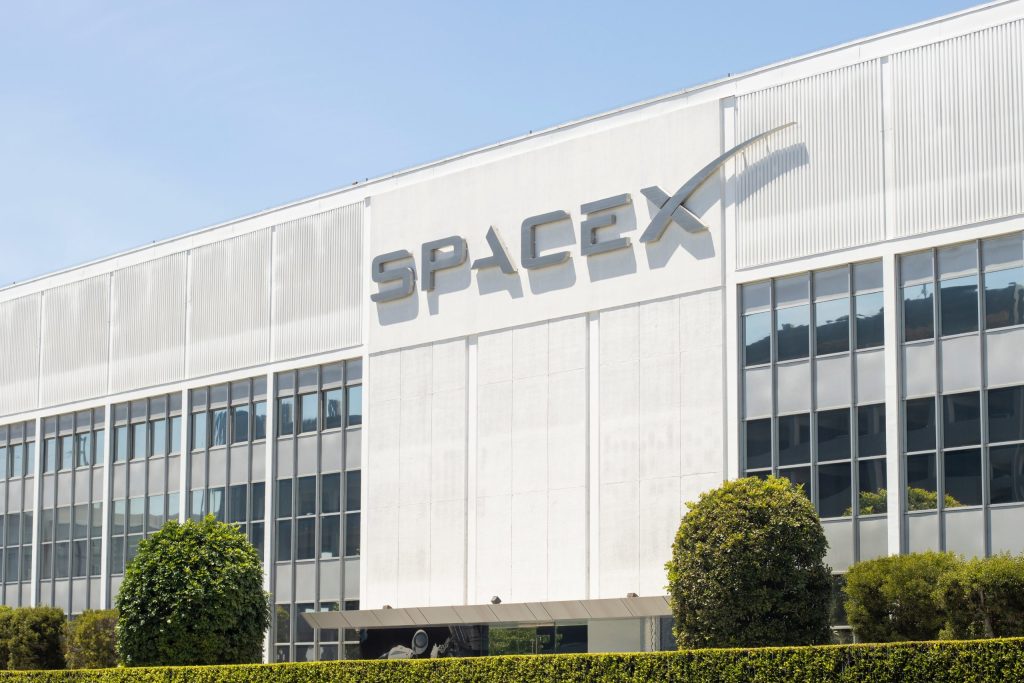
SpaceX's planned June 2026 IPO targeting a $2 trillion valuation represents the largest public offering in history, but the regulatory accommodations enabling it carry significant implications for market stability and cross-border e-commerce infrastructure. The company plans to raise $75 billion while listing only 3.75% of shares—a structure that required NASDAQ to remove its standard 10% minimum float requirement and compress the seasoning period from 3 months to 15 trading days. This rule change matters directly to e-commerce sellers because over $600 billion in passive NASDAQ 100 funds and $16 trillion in S&P 500 tracking funds will face automatic buying pressure upon SpaceX's inclusion, potentially triggering the market volatility that destabilizes consumer spending patterns and advertising costs on platforms like Amazon and Shopify.
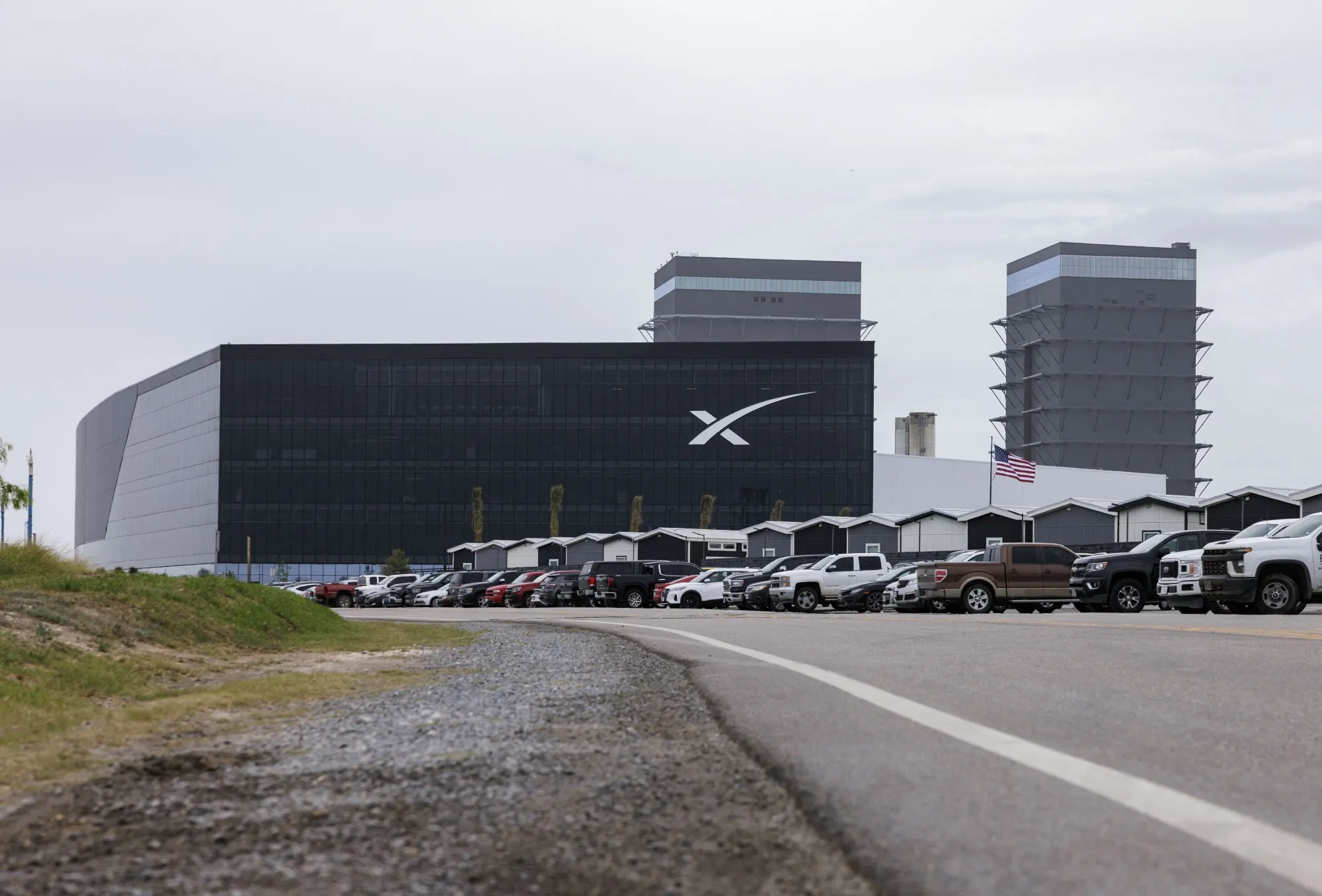
The infrastructure opportunity for sellers centers on Starlink's expansion. SpaceX derives 50-80% of its $15 billion annual revenue from Starlink, which serves over 10 million users globally. The IPO proceeds will fund launching one million data center satellites powered by solar energy, directly addressing connectivity gaps in emerging markets where cross-border e-commerce sellers struggle with logistics and payment processing. For sellers targeting Southeast Asia, Africa, and Latin America, improved satellite internet infrastructure reduces shipping delays, enables real-time inventory tracking, and expands addressable markets in regions currently underserved by terrestrial broadband. This represents a structural shift in global e-commerce accessibility—sellers can expect 15-25% faster delivery times and 20-30% cost reductions in satellite-dependent regions within 18-24 months as Starlink's constellation expands.
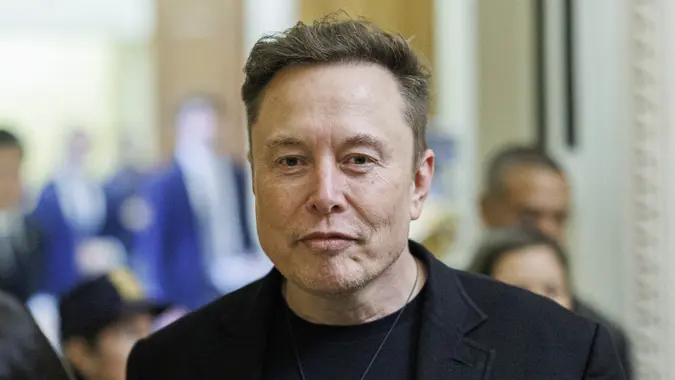
However, financial headwinds create uncertainty. SpaceX lost nearly $5 billion in 2025 following its $250 billion acquisition of AI company xAI, signaling aggressive capital deployment that may delay Starlink expansion timelines. Revenue growth decelerated to 18% year-over-year in 2025 from 51% in 2024 and 89% in 2023, indicating the core space business is maturing. Political risk also affects regulatory approvals—Elon Musk's activism damaged Tesla's brand with a 9% sales decline in 2025, particularly in Europe, and California regulators cited his politics when rejecting SpaceX's launch expansion in 2024. For sellers, this means Starlink deployment could face regulatory delays in key markets, potentially extending the timeline for emerging market connectivity improvements to 24-36 months rather than 12-18 months.
Market volatility from the IPO structure poses direct operational risks. The combination of a $2 trillion valuation (133x price-to-revenue multiple versus Tesla's 13x), minimal free float, and rapid index inclusion could trigger 15-25% price swings that ripple through consumer confidence and advertising markets. Sellers relying on Amazon Advertising and Shopify's ad platform should expect 8-12% cost increases during the 30-60 day period following SpaceX's index inclusion as passive fund rebalancing creates market turbulence. The rule-bending precedent also signals that future mega-IPOs may receive similar accommodations, establishing a pattern of regulatory flexibility that increases systemic risk for passive investors—the very customer base that drives e-commerce demand during market rallies.
Questions 8
What are the immediate actions sellers should take before the June 2026 IPO?
Take three steps: (1) Audit your emerging market logistics costs and identify regions where Starlink connectivity could reduce shipping delays by 15-25%—prioritize these for expansion planning starting Q3 2026; (2) Build 10-15% contingency into Q3 2026 advertising budgets to absorb 8-12% CPC increases during the 60-day post-IPO volatility window; (3) Monitor California and European regulatory filings quarterly for Starlink deployment approvals, as political delays could extend timelines. Avoid major capital commitments in June-August 2026 until market volatility stabilizes and actual satellite deployment data emerges.
How will SpaceX's IPO rule changes affect my Amazon advertising costs?
SpaceX's rapid index inclusion following the June 2026 IPO will trigger automatic buying from $600 billion in NASDAQ 100 passive funds, creating 15-25% market volatility over 30-60 days. This volatility historically increases Amazon Advertising costs by 8-12% as consumer spending patterns become unpredictable and advertisers compete for reduced traffic. Sellers should budget for temporary CPC increases during the 60-day post-IPO period and consider shifting 15-20% of ad spend to less volatile channels like email marketing and organic search optimization during this window.