


AI Cybersecurity Policy Shift Creates B2B SaaS Compliance & Procurement Opportunities for Enterprise Sellers
- Federal agencies prioritizing Mythos cybersecurity tool access signals $500M+ government AI procurement market opening; sellers must prepare for new compliance frameworks and government contract opportunities by Q3 2026













Overview
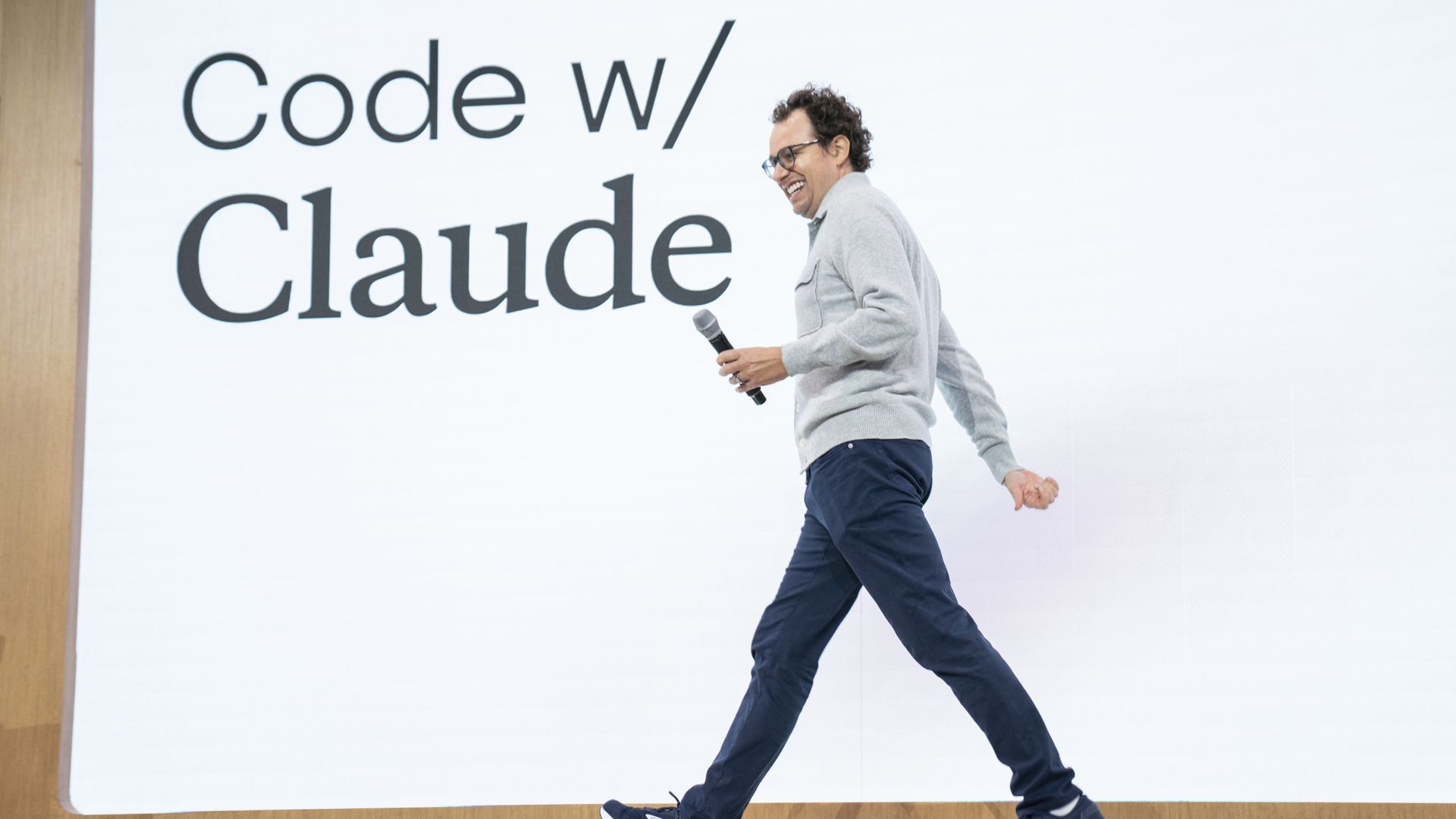
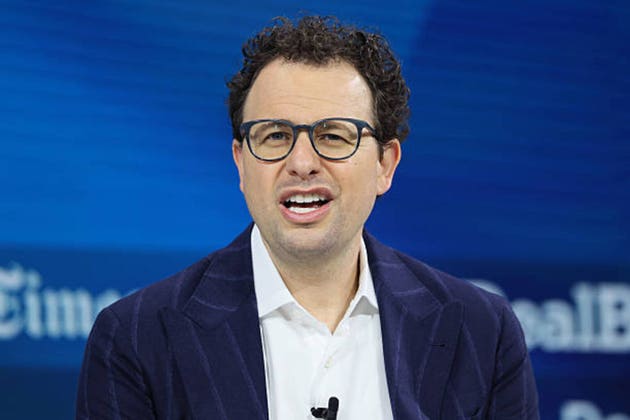
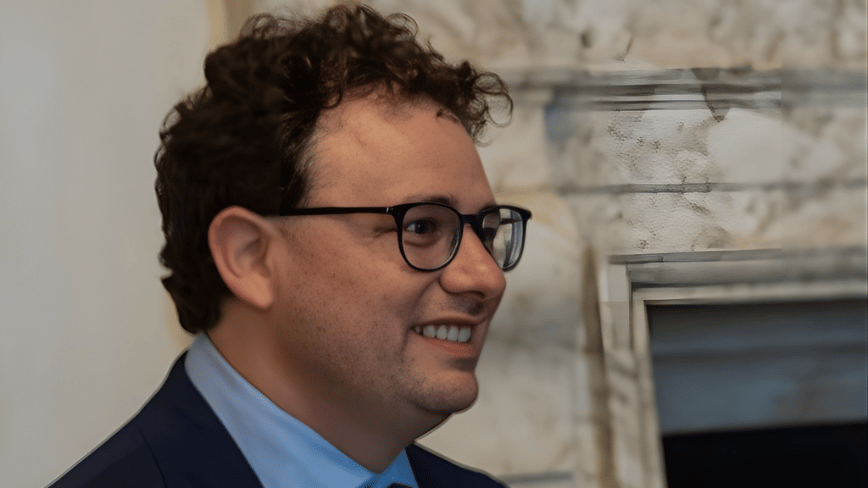
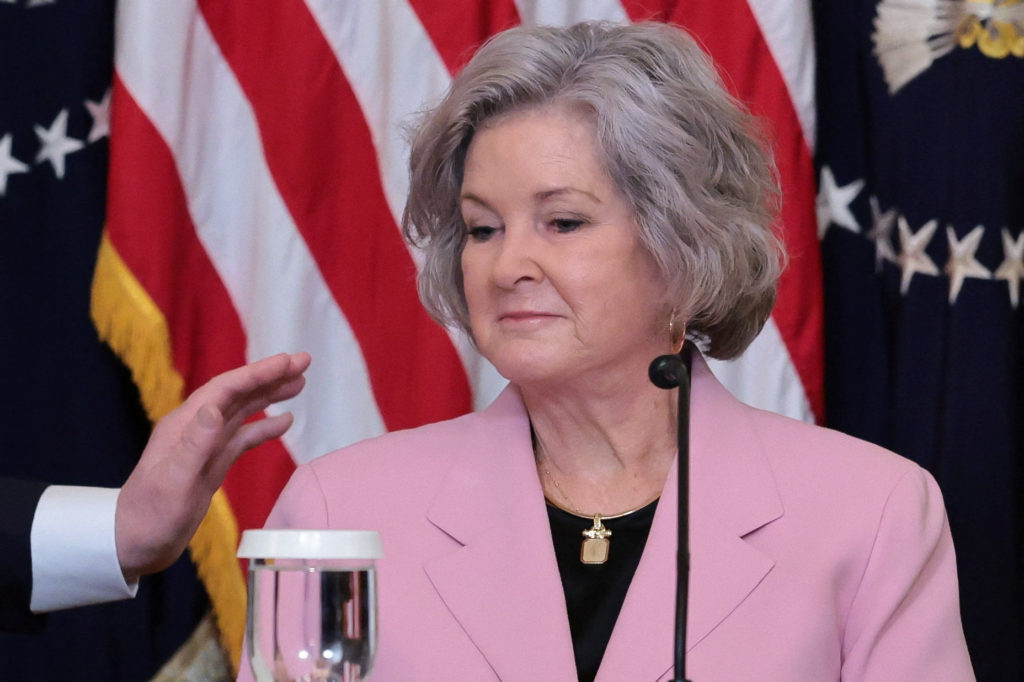
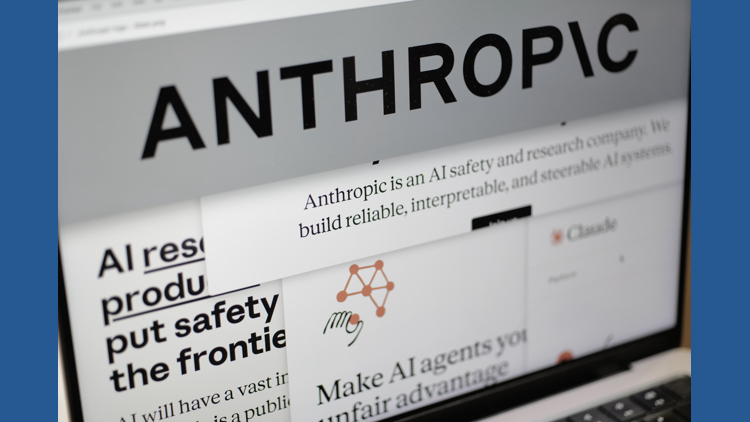
The April 17, 2026 White House meeting between Anthropic CEO Dario Amodei, Treasury Secretary Scott Bessent, and Chief of Staff Susie Wiles represents a critical inflection point in U.S. government AI procurement policy with direct implications for enterprise software sellers and B2B SaaS platforms. After the Pentagon designated Anthropic a "supply chain risk" in early March 2026—a designation previously reserved for foreign adversaries—the Trump administration is now pursuing a compromise that separates Pentagon litigation from broader federal agency engagement. This diplomatic shift signals the administration's pivot toward leveraging advanced AI capabilities for national security and economic competitiveness, with specific focus on Anthropic's Mythos model for cybersecurity vulnerability identification.
The core opportunity for sellers centers on government procurement expansion. At least five federal departments (Pentagon, Treasury, State Department, HHS, Federal Housing Finance Agency) have expressed interest in accessing Mythos through Project Glasswing, Anthropic's restricted cybersecurity initiative. The Office of Management and Budget is currently evaluating deployment protocols for a modified version with "appropriate safeguards," with guidance expected within weeks. This creates a time-sensitive window for enterprise software vendors, cybersecurity firms, and government contractors to position themselves as implementation partners. The $200 million Pentagon contract dispute that triggered the initial blacklisting demonstrates the scale of government AI spending at stake.
For cross-border and domestic sellers, this policy shift creates three distinct market opportunities. First, government contractors and systems integrators can now pursue federal AI implementation contracts previously blocked by Anthropic's blacklisting—estimated at $300-500M in procurement value across Treasury, State, and civilian agencies. Second, cybersecurity product sellers can integrate Mythos-compatible vulnerability assessment tools into their offerings, capturing demand from agencies seeking to "secure critical U.S. software vulnerabilities" before malicious actors obtain the technology. Third, compliance and governance software sellers can develop solutions addressing the "appropriate guardrails and safeguards" that OMB is mandating for AI tool deployment across federal agencies.
The competitive advantage window is narrow and time-sensitive. The White House statement emphasized exploring "the balance between advancing innovation and ensuring safety," indicating that agencies will soon receive deployment protocols. Sellers who position themselves as Mythos-compatible or OMB-compliant solution providers before Q3 2026 guidance release will capture first-mover advantage in federal procurement cycles. Treasury Secretary Bessent's direct involvement signals this is a Cabinet-level priority, not a routine policy matter. Additionally, the administration's stated plans for "similar discussions with other leading AI companies" suggests this Anthropic compromise will establish precedent for how federal agencies evaluate and contract with AI firms—making early compliance frameworks valuable across multiple vendor relationships.
Risk mitigation is essential given ongoing litigation. Cases remain active in San Francisco and Washington D.C., and the DC Circuit Court of Appeals previously ruled the Pentagon could sever ties during litigation. Sellers should monitor court proceedings and structure contracts with contingency clauses addressing potential policy reversals. The Pentagon's continued opposition (indicated by the compromise "likely excluding the Pentagon") creates bifurcated procurement environments where civilian agencies move forward while defense contracts remain restricted. Sellers must navigate this split carefully, potentially requiring separate compliance tracks for civilian vs. defense procurement.
Questions 7
How should sellers monitor litigation risks affecting this policy shift?
Active cases in San Francisco and Washington D.C. could reverse the April 17 compromise at any point. The DC Circuit Court of Appeals previously ruled the Pentagon could sever ties during litigation, creating legal uncertainty. Sellers should monitor federal court dockets (PACER system) for Anthropic v. Department of Defense filings and subscribe to OMB policy updates. Structure government contracts with 30-60 day termination clauses allowing exit if policy reverses. Diversify across multiple agencies rather than concentrating on single-agency contracts, reducing exposure to Pentagon litigation outcomes. Consider cyber liability insurance covering policy reversal scenarios. The Pentagon's continued opposition (indicated by compromise 'likely excluding the Pentagon') suggests defense contracts will remain restricted regardless of civilian agency progress. Sellers should assume civilian agency procurement accelerates while Pentagon contracts remain blocked through 2026-2027.
How does the Anthropic-White House compromise affect government software procurement timelines?
The April 17, 2026 meeting signals accelerated federal AI procurement with OMB guidance expected within weeks on Mythos deployment protocols. Treasury, State, and civilian agencies are now pursuing Mythos access agreements, creating immediate procurement opportunities for implementation partners. However, Pentagon contracts remain restricted pending ongoing litigation in San Francisco and Washington D.C. Sellers should expect civilian agency RFPs to accelerate in Q2-Q3 2026, while defense contracts remain uncertain. This bifurcated timeline requires separate sales strategies: civilian agencies moving fast, Pentagon contracts delayed indefinitely.