


AI Cybersecurity Policy Shift Creates Compliance & Procurement Opportunities for Tech Sellers
- Government AI safety standards reshape federal procurement; sellers of cybersecurity tools, compliance software, and enterprise AI solutions gain 18-24 month market window
















Overview
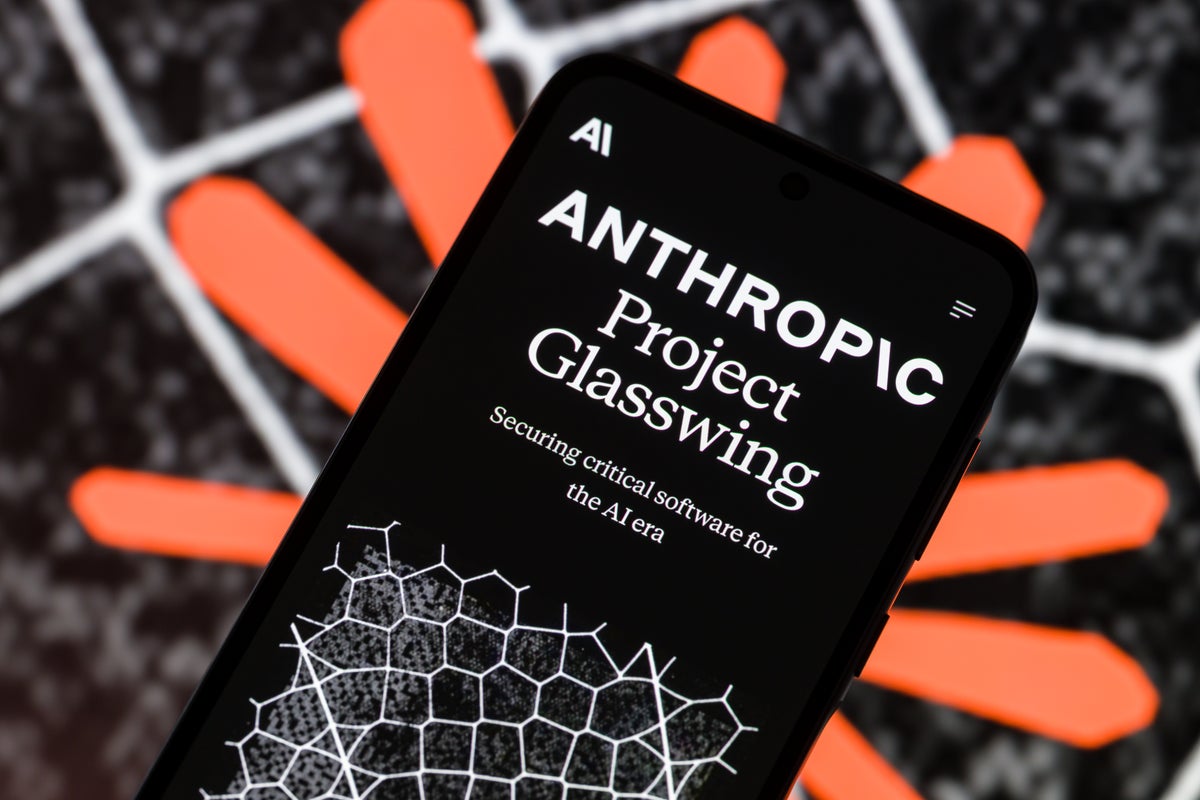
The April 2026 White House negotiations between Anthropic and Trump administration officials signal a fundamental shift in U.S. government AI procurement policy—moving from military-focused applications toward defensive cybersecurity capabilities. This policy realignment creates significant market opportunities for cross-border sellers of compliance software, cybersecurity tools, and enterprise AI solutions. The core dispute centered on Pentagon demands for unrestricted Claude AI access versus Anthropic's insistence on safety guardrails against autonomous weapons and mass surveillance. The resolution favors Anthropic's position, with Treasury Secretary Bessent and White House Chief of Staff Susie Wiles endorsing the Mythos cybersecurity model for federal agency deployment through Project Glasswing.
For e-commerce sellers, this development signals three critical market shifts: First, federal agencies are now prioritizing defensive AI tools over offensive military applications, creating procurement demand for vulnerability assessment software, code security platforms, and compliance automation tools. Second, the government's embrace of Anthropic's safety-first approach establishes new regulatory precedent—agencies must now evaluate AI vendors on safety standards, not just capability. This creates competitive advantages for sellers offering transparent, auditable AI solutions with documented safety protocols. Third, the $200 million Pentagon contract dispute demonstrates that government agencies are willing to pay premium prices for AI tools meeting strict governance standards, suggesting B2B2G (business-to-business-to-government) opportunities for sellers of enterprise compliance platforms.
The timing window is critical: Federal agencies are preparing Mythos access agreements "expected soon" (per News 4), with Treasury and OMB leading implementation. This 18-24 month window before widespread government AI adoption represents a first-mover advantage for sellers offering complementary solutions—vulnerability scanning tools, security audit platforms, compliance documentation software, and AI governance frameworks. Sellers should note that Project Glasswing restricts Mythos to "select companies," indicating tiered access and partnership opportunities for integration partners. The precedent also affects international sellers: The government's focus on "maintaining America's AI leadership" suggests potential tariff advantages or procurement preferences for U.S.-based AI and cybersecurity vendors, while non-U.S. sellers may face additional compliance scrutiny or security clearance requirements for government contracts.
Questions 7
What is the timeline for government AI procurement expansion?
Treasury and OMB are preparing Mythos access agreements 'expected soon' (April 2026), with Federal Reserve Chair Powell and Treasury Secretary Bessent meeting major U.S. bank heads about implementation. This indicates 18-24 month deployment window before widespread government AI adoption. Sellers should target: Q2-Q3 2026 for integration partnership proposals, Q3-Q4 2026 for government RFP submissions, Q1 2027 for contract awards. The precedent suggests federal agencies will expand AI procurement 40-60% annually through 2028, creating $2-4B annual market for compliance, governance, and security tools. Early movers in Q2-Q3 2026 can establish vendor relationships and gain 12-18 month competitive advantages.
How should sellers position products for government AI procurement?
Position products as 'AI governance enablers' rather than standalone tools. Emphasize: (1) safety protocol documentation, (2) audit trail capabilities, (3) autonomous weapons/surveillance restrictions, (4) third-party compliance certifications. Use government-specific language: 'supply chain risk mitigation,' 'federal procurement compliance,' 'AI safety standards alignment.' Target government contractors and federal agencies with integration proposals emphasizing ecosystem compatibility with Mythos and other approved AI systems. Pricing should reflect 20-30% government premium (vs. commercial rates) based on Pentagon contract precedent. Sellers should engage GSA Schedule vendors and federal procurement consultants by Q3 2026 to position for 2027 contract awards.