




Slay the Spire 2 Balance Updates Drive 286K Peak Players | Gaming Merchandise & Creator Economy Opportunity
- Early Access roguelike generates $2B+ gaming merchandise category demand; 4,800 review-bombing incident reveals Chinese market sentiment risks for digital product sellers









Overview
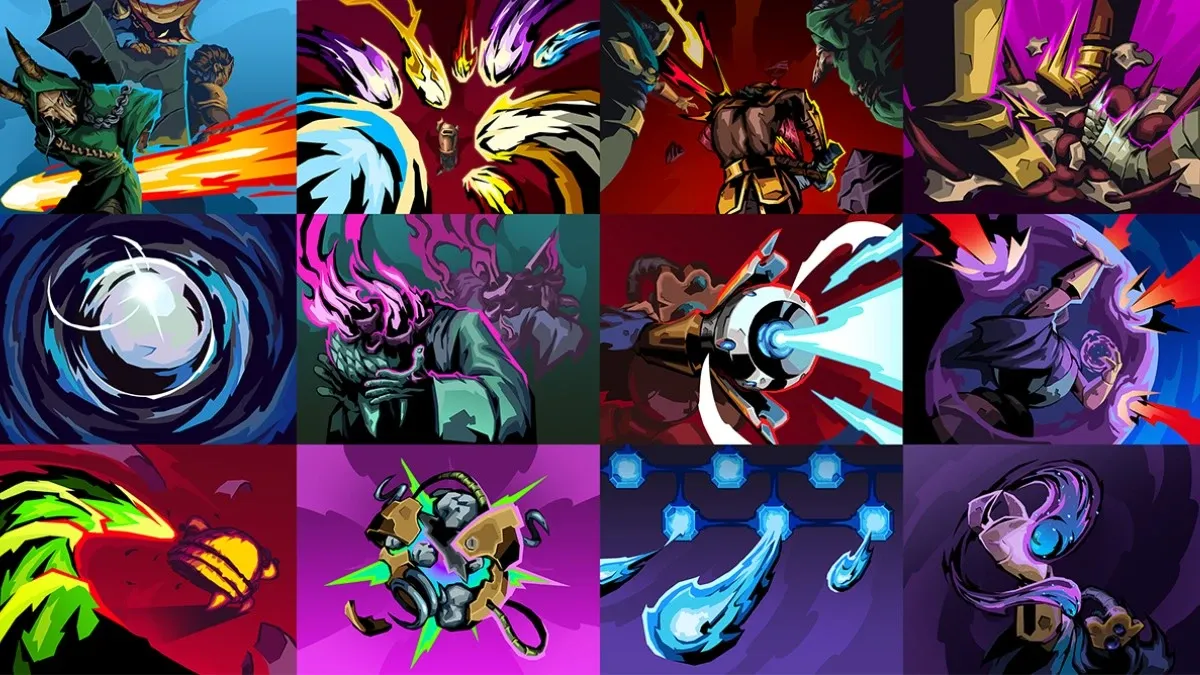
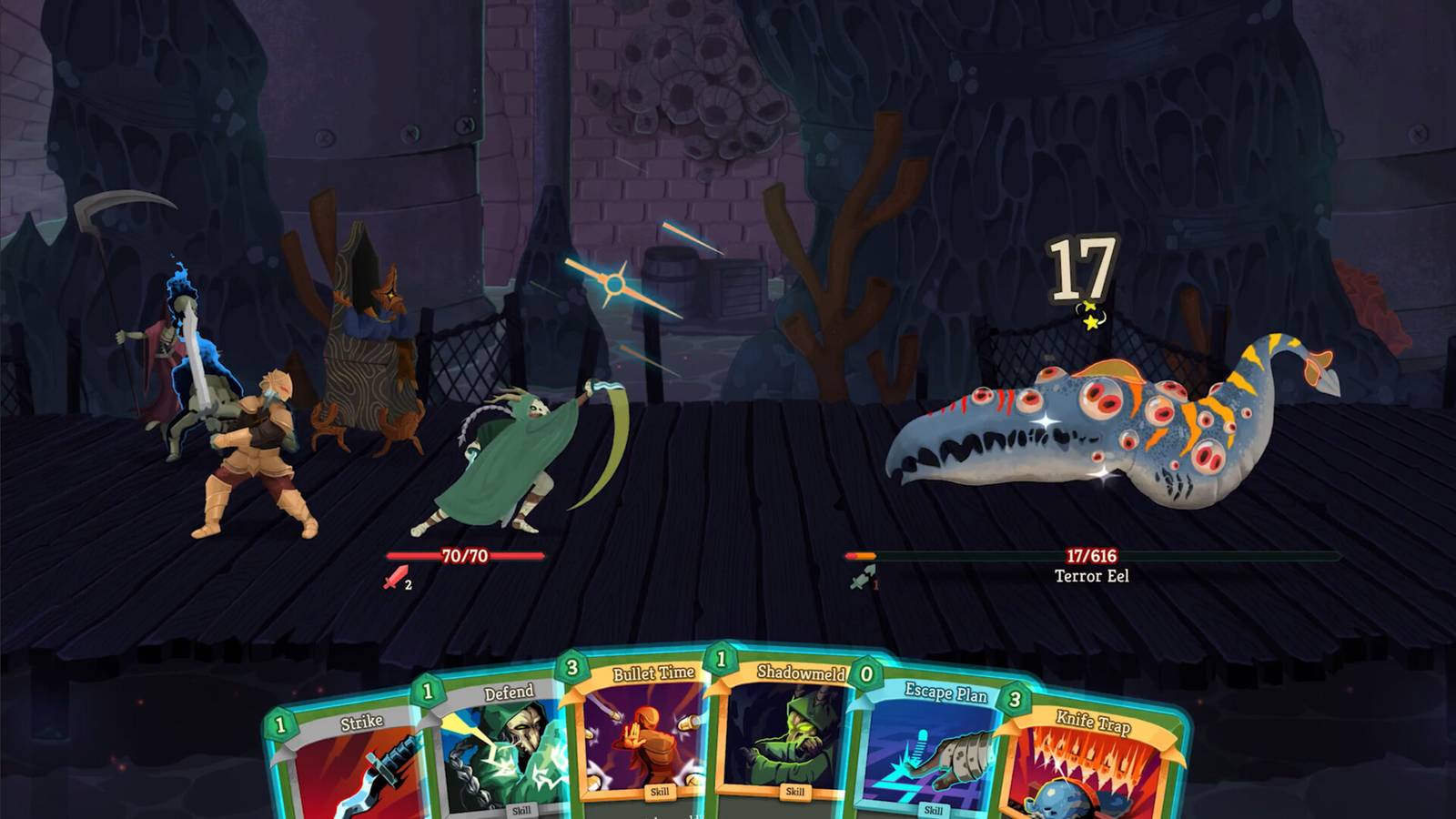
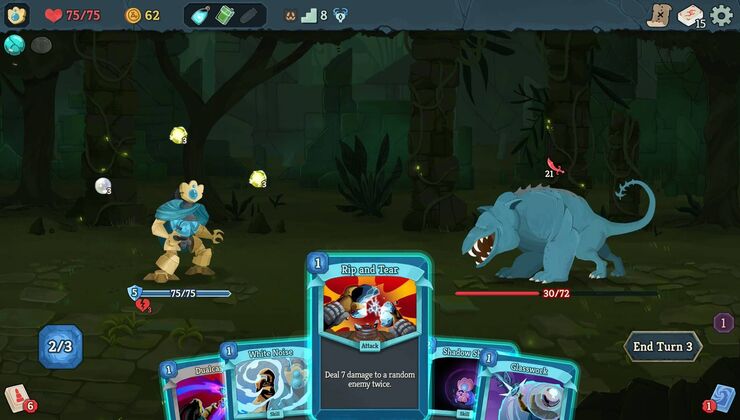
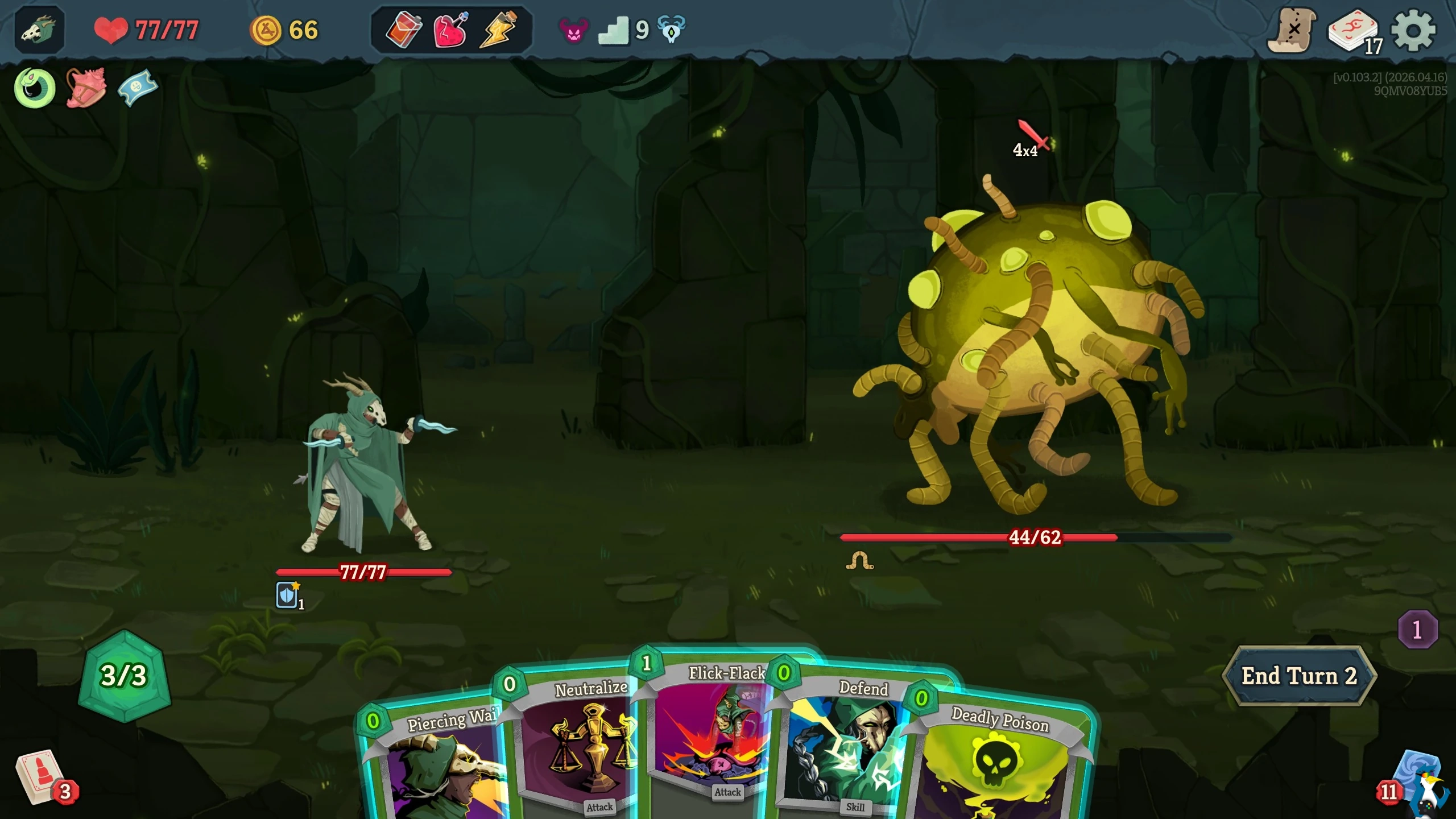
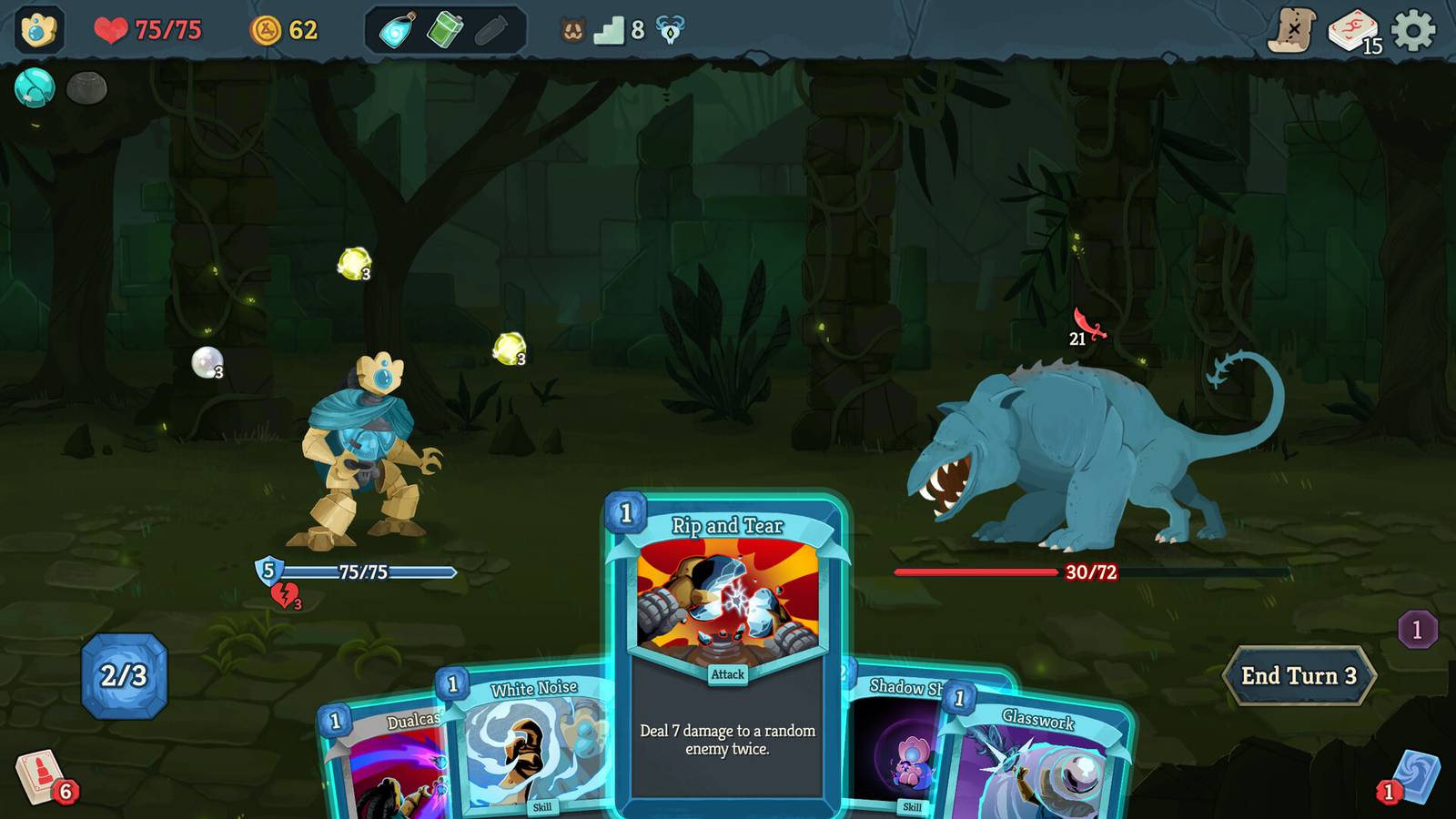
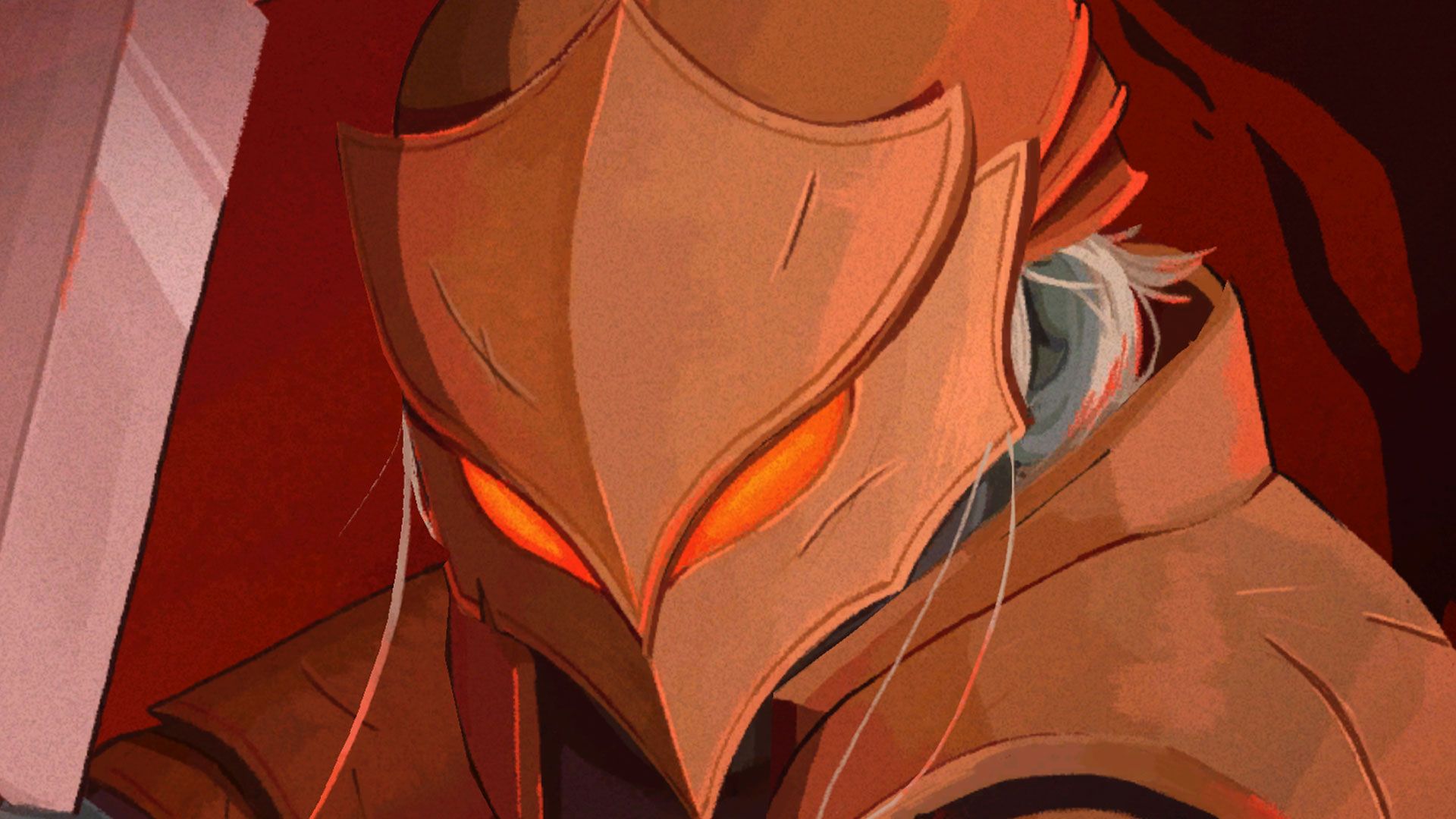
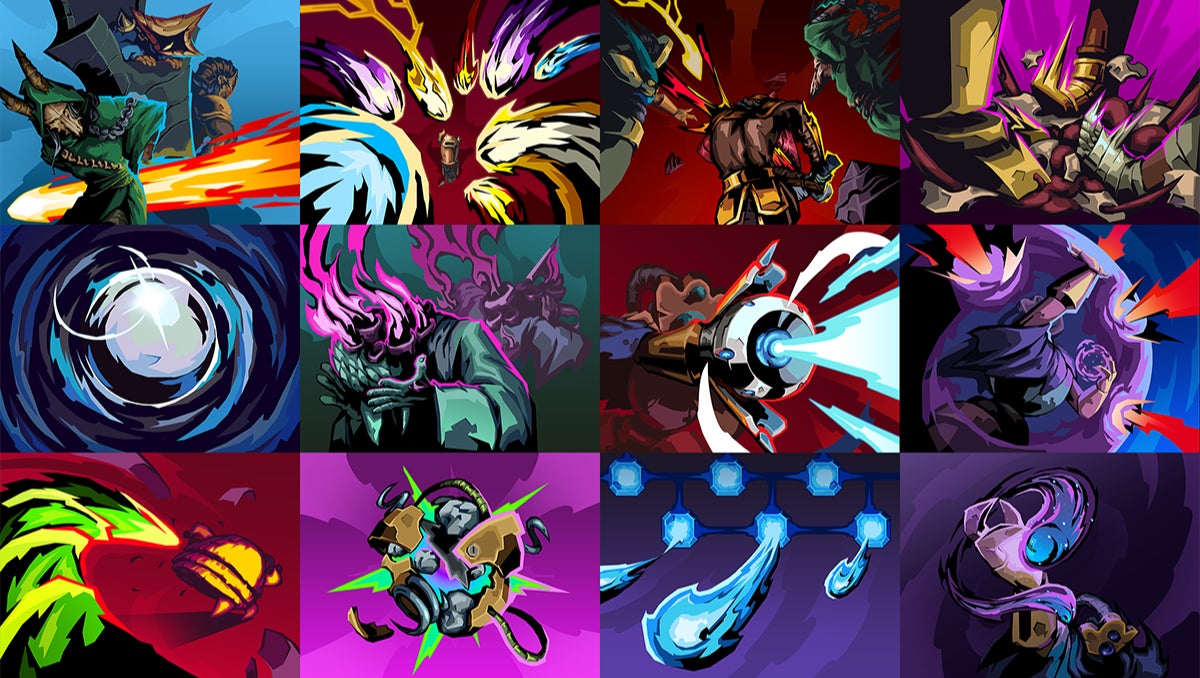
Slay the Spire 2's major balance update (version 0.103.2, April 16, 2026) demonstrates critical lessons for digital product sellers and gaming merchandise merchants. The game maintained 286,000 concurrent players despite dropping from 574,000 launch peak, indicating strong retention despite 4,800 negative reviews posted in a single day. Mega Crit's comprehensive update—buffing the Regent character, introducing five new Neow relics (Hefty Tablet, Neow's Talisman, Neow's Bones, Phial Holster, Winged Boots), reworking all four playable characters (Ironclad, Silent, Regent, Necrobinder), and replacing placeholder art with final quality assets—reflects post-launch monetization and engagement strategies that directly impact merchandise opportunities.
For gaming merchandise sellers, this update cycle creates three distinct revenue windows. First, character-specific merchandise demand spikes when balance changes make previously underperforming characters viable—the Regent's substantial buffs to Arsenal and Regalite cards will drive demand for Regent-themed apparel, collectibles, and digital content. Second, the introduction of five new relics and card reworks (including Ironclad's new "Not Yet" healing card and Silent's redesigned Blade of Ink) creates limited-edition merchandise opportunities around "meta-shifting" items. Third, the accessibility improvements (new Phobia mode removing disturbing visuals, revised VFX) signal expansion into underserved player demographics, broadening the addressable market for inclusive gaming merchandise.
The review-bombing incident (4,800 negative reviews, rating drop from "Overwhelmingly Positive" to "Mixed") reveals critical platform dynamics for sellers targeting Chinese markets. Industry analysis indicates Chinese players use Steam reviews as a primary feedback channel due to restricted social media access within the country. This represents a 50-70% concentration of negative sentiment from a single geographic region, demonstrating how regional player bases can disproportionately impact platform visibility and discoverability. For sellers, this indicates that Chinese market sentiment—particularly around balance changes and gameplay mechanics—requires dedicated community management and localized communication strategies. The fact that some community members posted positive reviews to counteract bombing shows the importance of community mobilization in managing platform reputation.
Operationally, Mega Crit's approach to Early Access updates—beta testing before main branch release, friend-only leaderboards instead of global rankings, and transparent communication about ongoing changes—establishes best practices for digital product sellers managing community expectations. The transition from beta patches to official release after "a month of haggling with players" demonstrates that extended feedback cycles (30+ days) improve product-market fit and reduce post-launch churn. For merchandise sellers, this means timing product launches 2-4 weeks after major game updates to capitalize on peak engagement and community sentiment stabilization.
Questions 8
What is the commercial value of the gaming merchandise category for cross-border sellers?
The global gaming merchandise market reached $2B+ in 2024 with 15-25% annual growth, driven by indie game success like the original Slay the Spire (2017). Character-specific collectibles, apparel, and digital content represent the fastest-growing subcategories. Slay the Spire 2's 286,000 concurrent players (April 2026) indicate a player base of 500K-1M active users, with typical merchandise attachment rates of 5-15% (25K-150K potential merchandise customers). Cross-border sellers can expect 30-40% margins on gaming merchandise, with peak sales windows 2-4 weeks after major game updates. Chinese market represents 30-40% of gaming merchandise demand but requires localized product offerings and community management.
How do Early Access game updates affect product launch timing for merchandise sellers?
Mega Crit's one-month post-launch update (approximately April 16, 2026, one month after March 5 launch) demonstrates that major balance changes occur within 30-60 days of Early Access release. For merchandise sellers, this means: (1) Avoid launching character-specific products in the first 30 days (high risk of obsolescence if characters are rebalanced), (2) Focus initial launches on game-agnostic items (apparel, general collectibles), (3) Plan character-specific merchandise 6-8 weeks post-launch after balance meta stabilizes, and (4) Monitor patch cycles (typically 4-6 week intervals) to time merchandise drops around stable gameplay periods. The update cycle demonstrates that Early Access titles require 60-90 day stabilization periods before committing to character-specific inventory.