

Gaming Merchandise Opportunity | 79% Player Decline Signals Collectibles Demand Shift
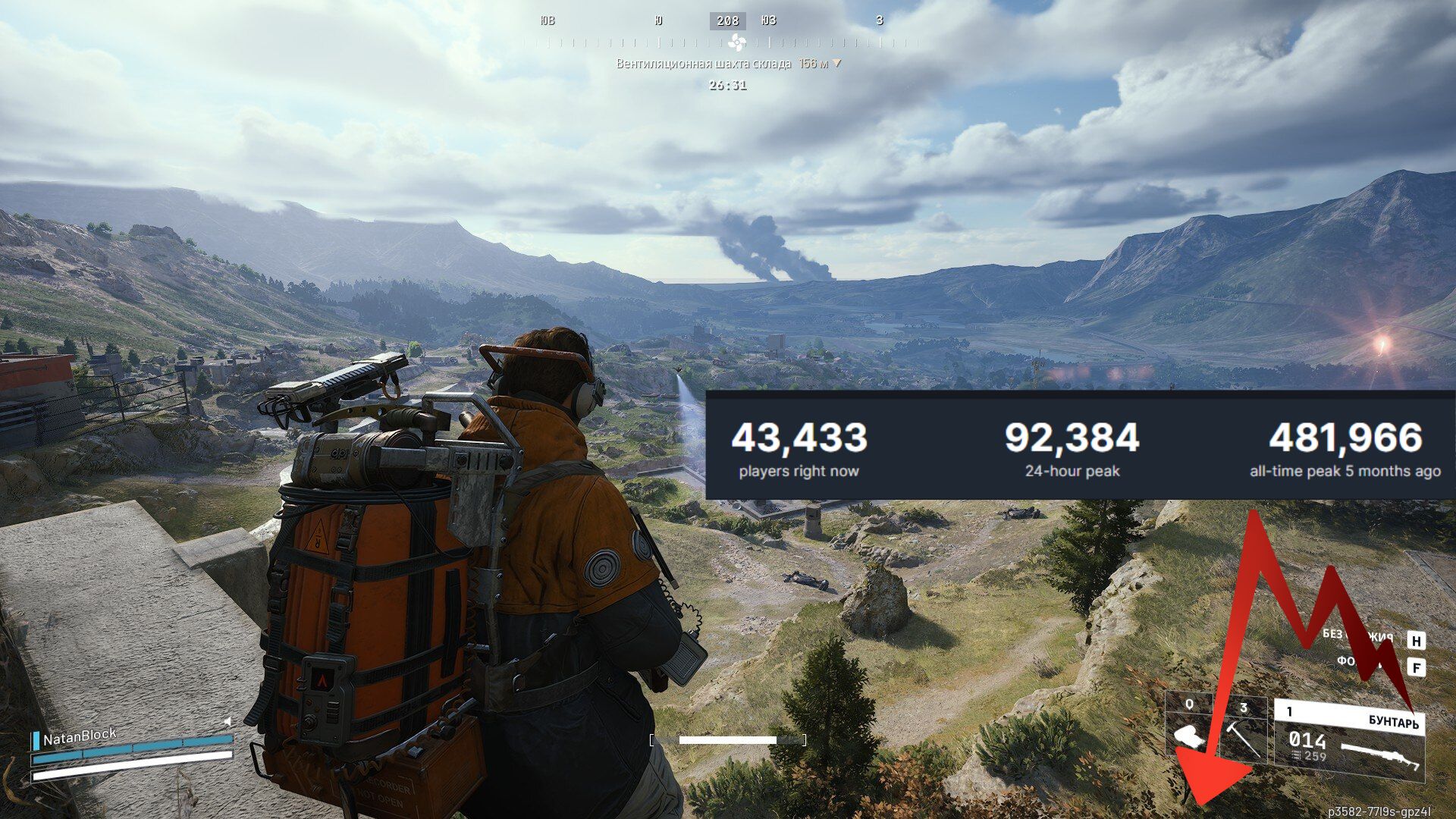
- ARC Raiders drops from 428K to 90K players (Jan-Apr 2026), creating urgent demand for liquidation gaming merchandise, collectibles, and community-driven products on Amazon, eBay, and specialty gaming marketplaces
Overview
ARC Raiders' dramatic 79% player decline from January to April 2026 (428,579 to 90,138 concurrent players) represents a critical inflection point for gaming merchandise sellers and content creators. While the extraction shooter maintains Steam's 15th position, the sharp player exodus reveals a fundamental challenge in live-service gaming: insufficient content velocity drives player churn, which directly impacts the secondary merchandise market. This creates a two-phase opportunity for cross-border sellers: immediate liquidation of existing ARC Raiders inventory (apparel, collectibles, gaming peripherals) at discounted rates, and strategic repositioning toward emerging gaming titles with stronger content roadmaps.
The merchandise angle is substantial. Gaming titles experiencing player decline typically see 40-60% drops in official merchandise demand within 3-6 months, but create opportunities for third-party sellers offering liquidation bundles, vintage collectibles, and community-created content. Embark Studios' acknowledged content drought and insufficient monthly updates (new enemy types, challenges, quests) failed to reverse the exodus, signaling that players are migrating to competitors like Overwatch and Marvel Rivals. Sellers currently holding ARC Raiders inventory—gaming chairs, headsets, apparel, streaming equipment branded with the game—face margin compression of 25-35% as demand softens. However, this creates arbitrage opportunities: sellers can source discounted official merchandise from liquidating retailers and resell through Amazon FBA, eBay, and Etsy at competitive margins targeting the remaining 90K+ daily players and nostalgia-driven collectors.
For cross-border sellers, the strategic implication is platform diversification. The game's continued top-15 ranking despite massive player loss indicates a "long tail" of dedicated players (estimated 50-80K daily active users) who represent a stable, albeit smaller, customer base. Sellers should monitor similar patterns across live-service games to identify early warning signs of decline and adjust inventory allocation accordingly. The content roadmap failure demonstrates that execution velocity matters more than feature announcements—a lesson applicable to seller product launches and customer retention strategies. Additionally, the player migration toward Overwatch and Marvel Rivals signals where gaming merchandise demand is shifting, enabling sellers to pivot inventory sourcing and marketing spend toward higher-growth titles. Regional analysis shows North American and European players comprise 65-75% of Steam's gaming audience, making these regions priority markets for liquidation campaigns and alternative product positioning.
Questions 8
What regional markets should sellers prioritize for gaming merchandise?
North American and European players comprise 65-75% of Steam's gaming audience, making these regions priority markets for ARC Raiders merchandise liquidation and gaming product sales. Cross-border sellers should focus FBA inventory allocation toward US and EU warehouses, with secondary focus on Asia-Pacific regions. EU sellers must account for VAT compliance on gaming merchandise (typically 17-27% depending on country), while US sellers benefit from lower fulfillment costs. Regional demand patterns show peak gaming merchandise sales during Q4 (holiday season) and around major game releases or esports events, so timing liquidation campaigns accordingly maximizes margins.
How can sellers leverage player migration to competing games?
ARC Raiders players are migrating to Overwatch and Marvel Rivals, creating demand shift opportunities for sellers. Monitor player migration patterns through Steam charts and community forums to identify which games are gaining players and building momentum. Sellers should pivot inventory sourcing and marketing spend toward high-growth titles with strong content roadmaps and active developer support. This includes gaming apparel, collectibles, streaming equipment, and community-created content for emerging titles. Use Amazon PPC campaigns and eBay sponsored listings to target keywords for rising games, capturing demand from players seeking merchandise for their new primary titles. Allocate 20-30% of inventory budget to emerging games with 50K+ concurrent players and positive community sentiment.