






Strait of Hormuz Reopening Cuts Shipping Costs 10% | Seller Logistics Opportunity
- Global oil prices drop 10% as Iran reopens critical waterway; Australian fuel costs decline 41.6 cents/liter; one-week implementation window for logistics cost recovery across all cross-border seller segments











Overview
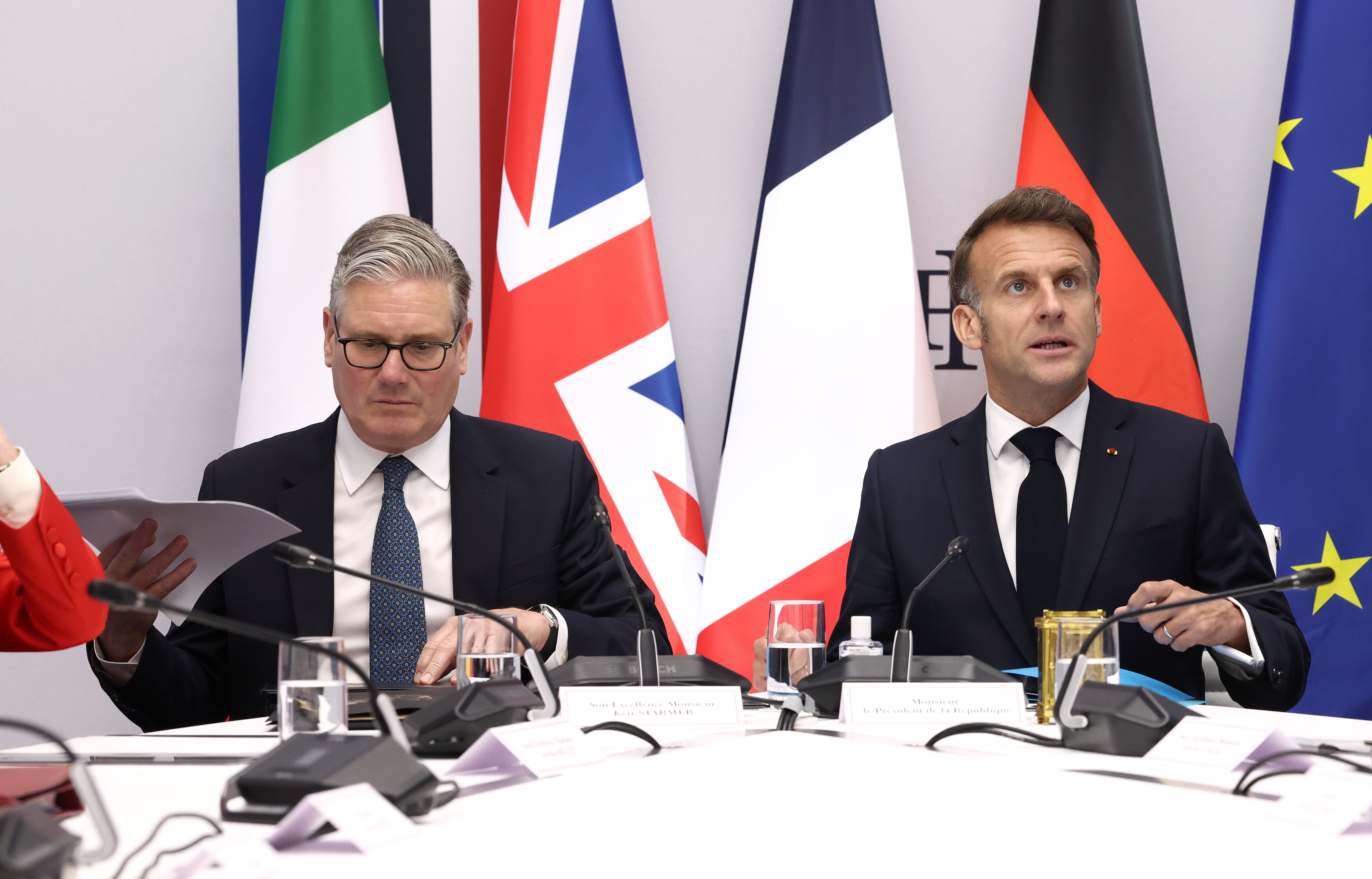
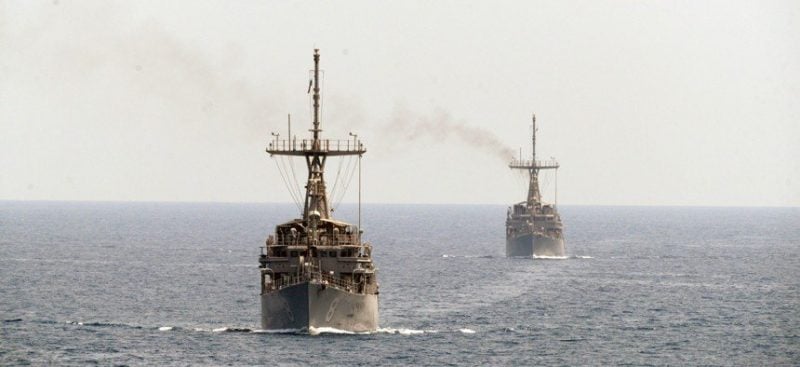
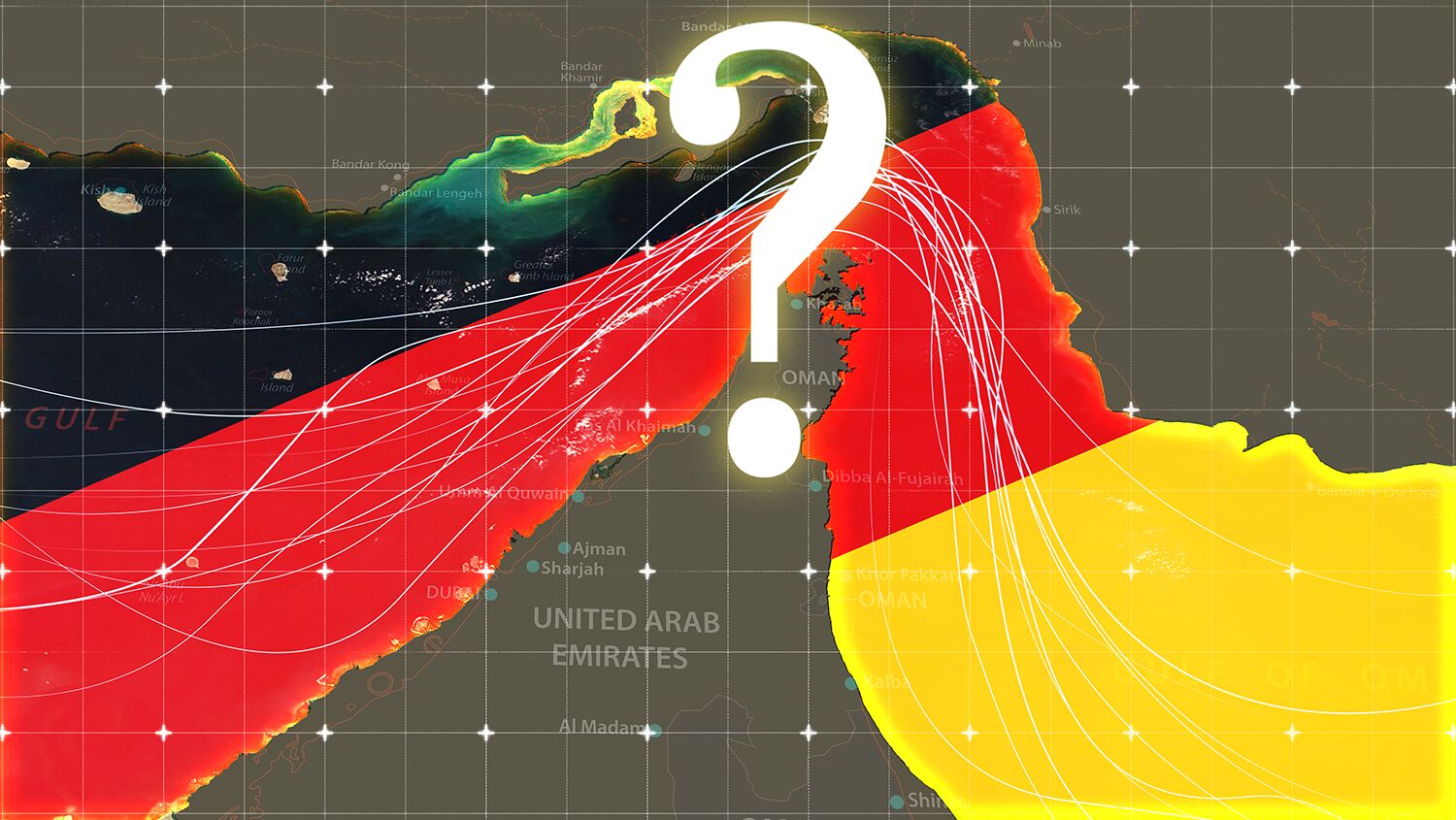
The reopening of the Strait of Hormuz during a US-Iran ceasefire (April 17, 2026) represents a critical supply chain stabilization event for cross-border e-commerce sellers globally. Iran's announcement triggered a 10% global oil price decline, directly reducing fuel surcharges that had inflated shipping costs since late February when the waterway was effectively blocked. For Australian sellers specifically, retail petrol prices have already dropped 41.6 cents per liter since March 31, with independent fuel retailers passing on cost reductions faster than major chains—creating a one-week implementation window before terminal gate prices normalize across all logistics providers.
Immediate Logistics Cost Recovery: The Strait of Hormuz handles approximately one-third of global seaborne oil trade, making this reopening a fundamental shift in shipping economics. Sellers shipping via air freight or expedited ocean routes experienced premium surcharges of 15-25% during the closure period. With fuel costs normalizing, 3PL providers and international carriers will begin reducing fuel surcharges by week of April 21-27, 2026. Small-to-medium sellers (100-500 units/month) can expect $150-400 monthly savings on outbound logistics; larger sellers (1000+ units/month) may recover $800-2,000+ monthly in reduced fuel premiums. This margin recovery is particularly significant for sellers in high-volume categories (electronics, apparel, home goods) where logistics represents 8-15% of COGS.
Strategic Sourcing Implications: The crisis period (late February-April 2026) forced sellers to evaluate alternative sourcing corridors and nearshoring strategies. With Strait of Hormuz stability restored, traditional China-to-Australia and China-to-Europe shipping routes become cost-competitive again, potentially reversing temporary shifts to Vietnam, India, or Mexico-based suppliers. Sellers who locked in higher-cost alternative sourcing contracts should evaluate renegotiation windows as benchmark shipping rates decline. The London conference scheduled for the coming week will address permanent strait reopening arrangements, signaling sustained geopolitical stability—critical for long-term supply chain planning.
Market-Specific Opportunities: Australian sellers face the most immediate benefit, with government emergency measures (GST removal, halved fuel excise) providing cumulative savings of approximately 32 cents per liter. However, these temporary measures may expire once fuel prices fully normalize, creating a 60-90 day window for Australian sellers to lock in cost advantages before competitive pricing adjusts. EU and US sellers benefit from reduced ocean freight rates on Asia-Pacific imports, improving margins on categories with high import penetration (consumer electronics, home appliances, sporting goods). The stabilization also reduces working capital pressure on sellers maintaining safety stock—Australia's 46-day petrol reserve (10 days above pre-crisis levels) signals sustained supply confidence.
Questions 8
What geopolitical risks should I monitor regarding the Strait of Hormuz?
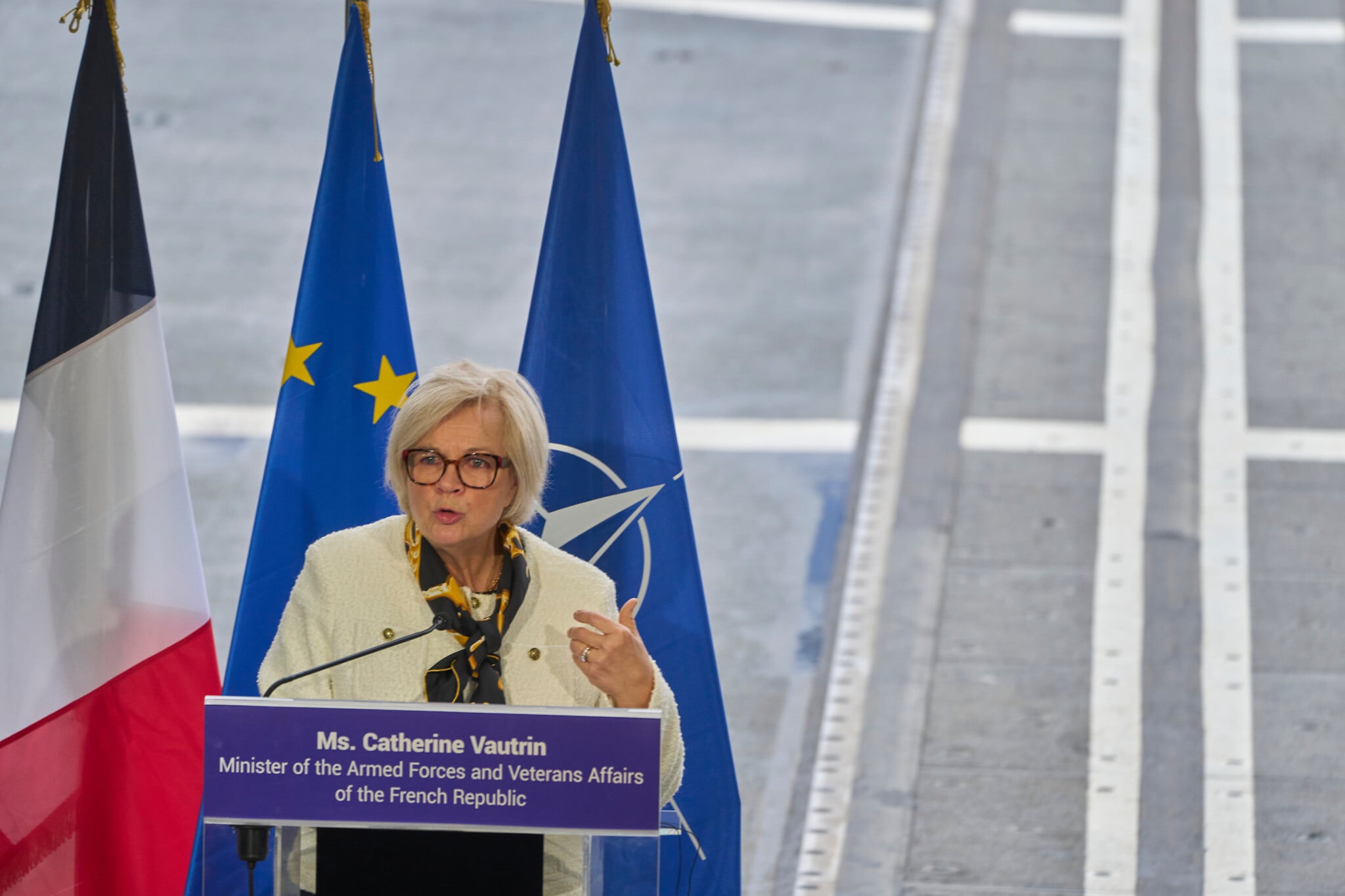
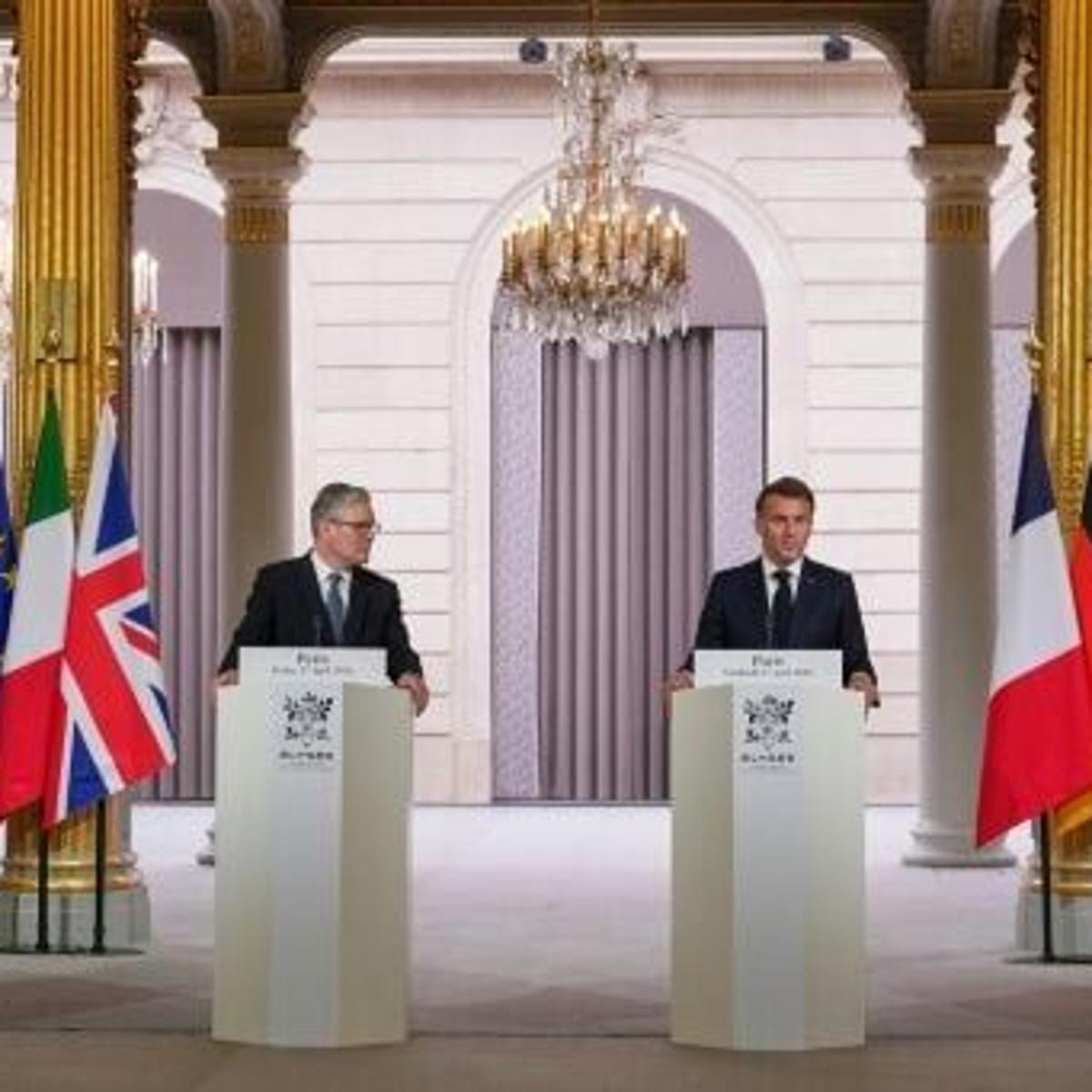
The current ceasefire between the US and Iran expires mid-week (per the news), and permanent reopening arrangements are still being negotiated at the London conference. The UK-France multinational defensive mission is 'strictly peaceful and defensive' but only commences once fighting concludes—indicating ongoing instability. Trump confirmed the US naval blockade of Iranian ports continues until a peace agreement is reached, creating asymmetric risk. Monitor announcements from the London conference (scheduled for the coming week) for permanent arrangement details. Maintain 30-45 day safety stock and diversified sourcing to hedge against potential future disruptions. Subscribe to geopolitical risk alerts from organizations like the International Maritime Organization (IMO) to track Strait stability.
How much will my shipping costs decrease after Strait of Hormuz reopens?
Shipping cost reductions depend on your logistics model and volume. Small sellers (100-500 units/month) can expect $150-400 monthly savings as fuel surcharges normalize; larger sellers (1000+ units/month) may recover $800-2,000+ monthly. The 10% global oil price decline translates to 3-7% reductions in ocean freight rates within 7-14 days, with air freight improvements following within 3-5 days. However, implementation lags vary by 3PL provider—independent carriers typically pass on savings faster than major chains. Monitor your freight invoices starting April 21, 2026 for surcharge reductions.