


Australian War Crimes Trial Highlights Legal Risk Management for International Sellers
- High-profile case demonstrates importance of documentation, compliance, and liability protection for cross-border business operations


















Overview
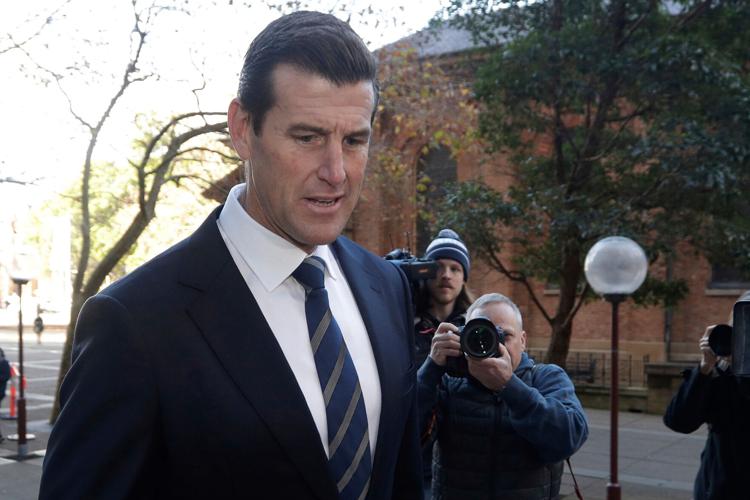
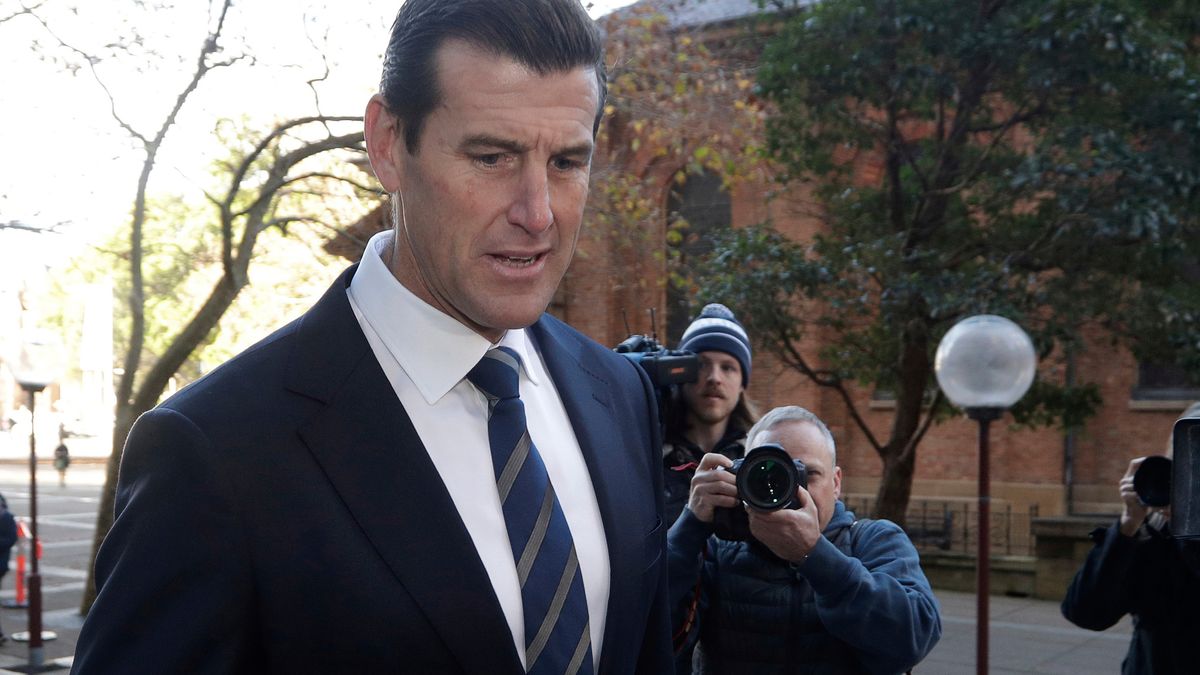
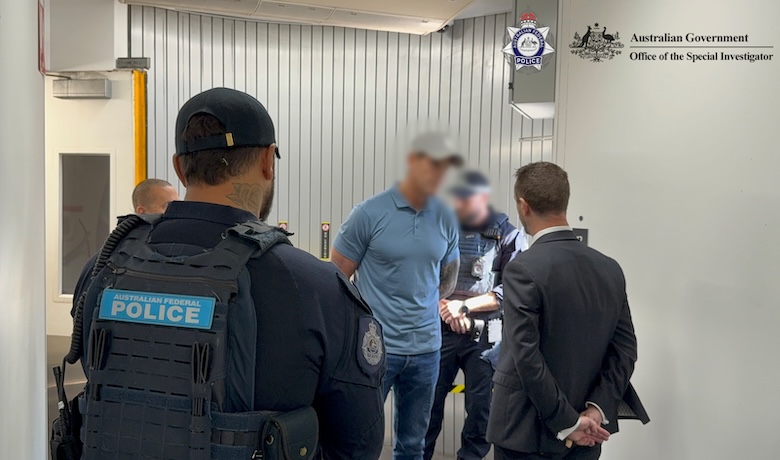
The Ben Roberts-Smith war crimes case represents Australia's first criminal prosecution for alleged wartime atrocities, with significant implications for how organizations manage accountability, documentation, and witness testimony in high-stakes legal proceedings. The case involves five counts of murder allegedly committed during 2009-2012 operations in Afghanistan, with court documents revealing that three indemnified defense force witnesses have provided written accounts of their involvement. The trial, scheduled to return to court in June 2026, demonstrates critical lessons for cross-border e-commerce sellers regarding compliance documentation, witness management, and liability protection.
For international sellers, this case underscores the importance of maintaining meticulous records and transparent reporting systems. The allegations that deaths were "falsely recorded in ADF reporting" and evidence was "planted or falsely associated" highlight how documentation failures can compound legal exposure exponentially. E-commerce sellers operating across multiple jurisdictions face similar risks: inaccurate inventory records, falsified shipping documentation, misrepresented product origins, or manipulated customs declarations can trigger criminal liability beyond civil penalties. The case demonstrates that organizational accountability extends to individual actors—the three indemnified witnesses faced personal legal consequences despite following orders, paralleling how Amazon sellers, 3PL operators, and logistics partners can face individual prosecution for compliance violations.
The $250,000 bail condition and the distinction between civil standards ("substantially true" in the failed defamation case) versus criminal standards ("beyond a reasonable doubt") reveals how legal exposure escalates through different proceedings. For sellers, this translates to understanding that platform policy violations (civil standard) can escalate to regulatory investigations and criminal charges (higher standard). The case also demonstrates the power of witness testimony and documentary evidence—the pathologist's findings about handcuff marks and court documents detailing specific incidents show how forensic and administrative evidence builds prosecutorial cases. Sellers should recognize that their transaction records, customer communications, supplier contracts, and logistics documentation create an evidentiary trail that regulators and prosecutors can use in investigations. The Australian context is particularly relevant since Australia is a major cross-border e-commerce market with strict customs, biosecurity, and consumer protection enforcement.
Questions 7
How should sellers evaluate third-party liability in supply chains?
The Roberts-Smith case demonstrates that organizational actors cannot fully shield themselves from accountability through hierarchical structures or indemnification agreements. For e-commerce sellers, this means conducting thorough due diligence on 3PL providers, manufacturers, and logistics partners. Sellers should verify compliance certifications, conduct periodic audits, and maintain documentation of partner compliance efforts. The case shows that regulators will pursue accountability throughout supply chains, making seller oversight of partner activities critical. Sellers should implement compliance monitoring programs and maintain records demonstrating their due diligence efforts, as these become important evidence in regulatory investigations.
What does the distinction between civil and criminal standards mean for sellers?
The Roberts-Smith case shows that allegations found 'substantially true' in civil court (lower standard) still require proof 'beyond a reasonable doubt' in criminal proceedings (higher standard). For sellers, this means platform suspensions based on civil evidence standards can escalate to regulatory investigations requiring stronger proof. A seller might face Amazon account suspension for alleged counterfeit products based on civil standards, but criminal prosecution requires higher evidentiary thresholds. Understanding this distinction helps sellers recognize when civil compliance issues risk criminal escalation and when to engage legal counsel. The case demonstrates that legal exposure exists across multiple jurisdictional levels.