




European Jet Fuel Crisis Disrupts Air Freight | Sellers Face 15%+ Cost Surge Through Q2 2025
- Six-week fuel supply triggers route cancellations, capacity cuts, and expedited shipping rate increases for cross-border e-commerce sellers shipping to European markets


Overview
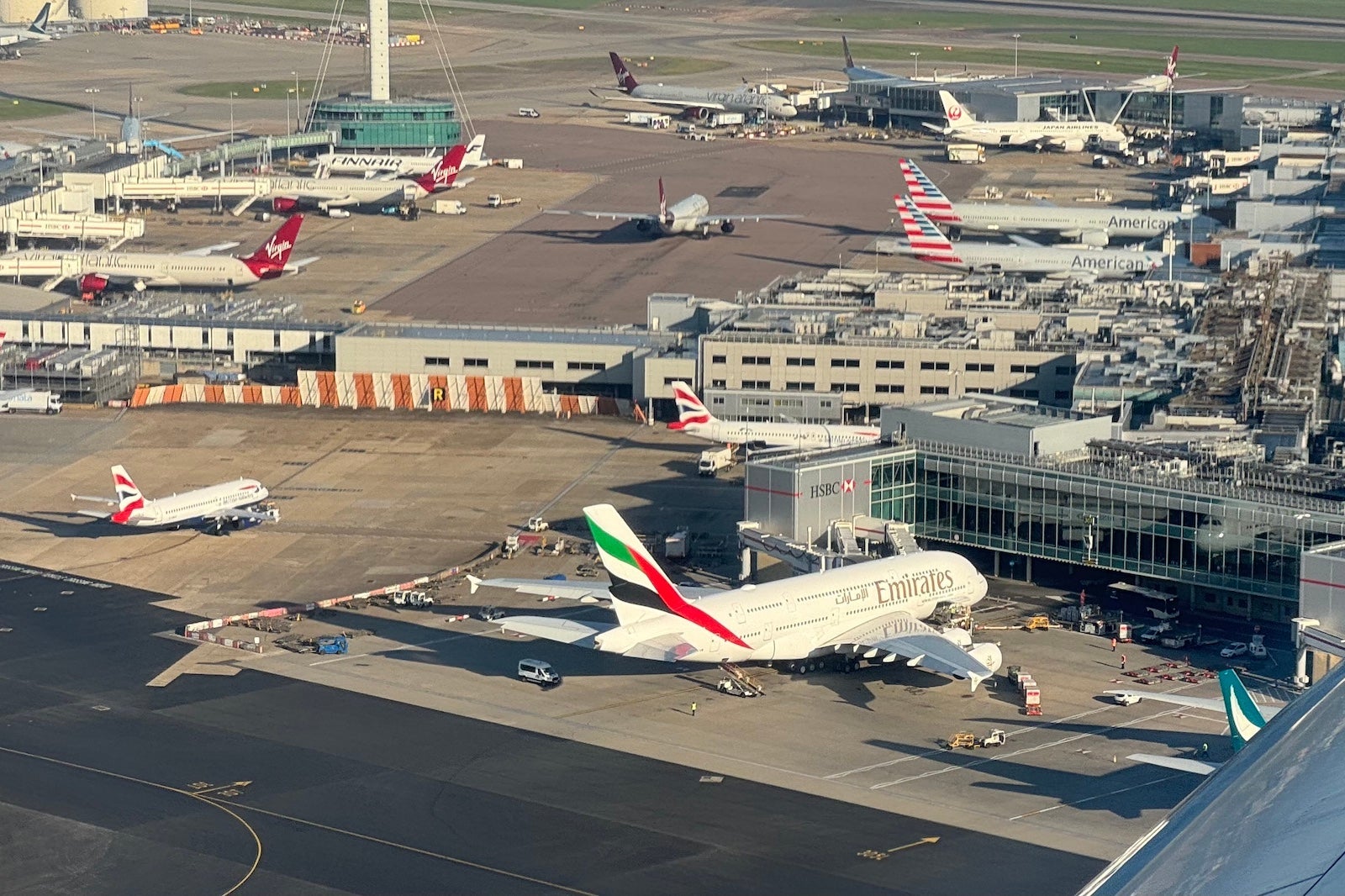
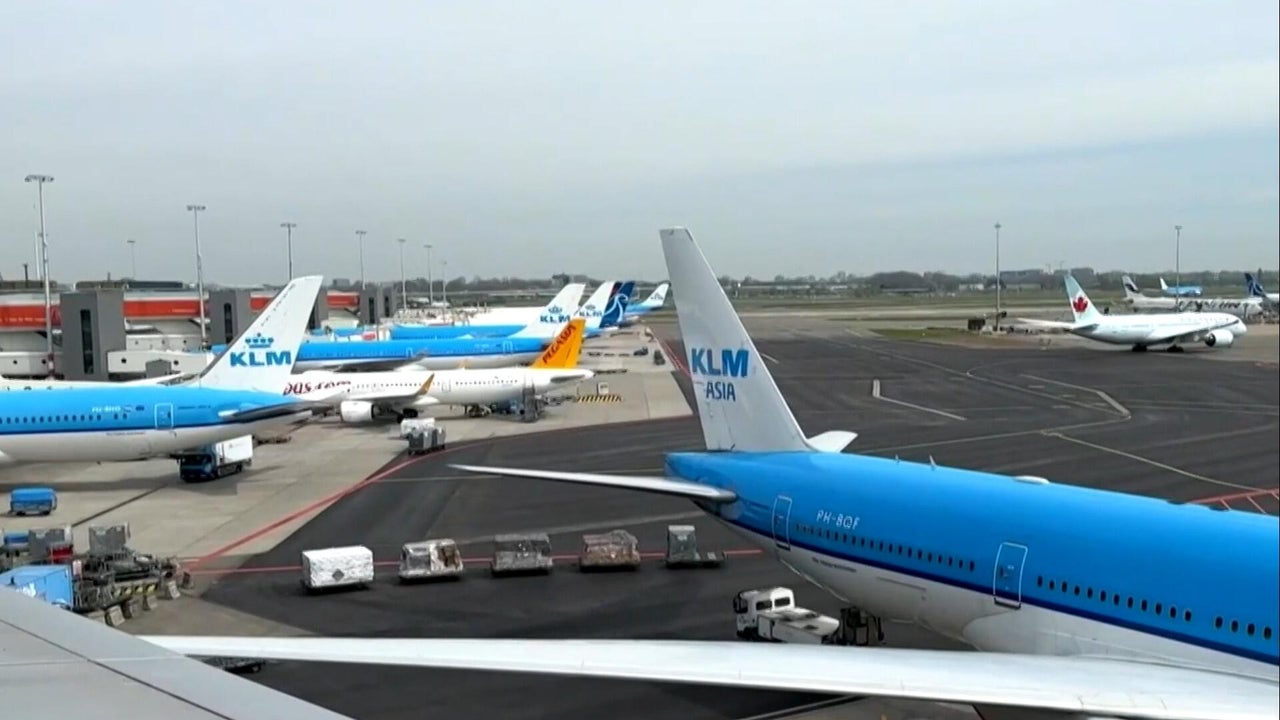
The unprecedented European jet fuel shortage represents a critical supply chain inflection point for cross-border e-commerce sellers. The International Energy Agency's warning of approximately six weeks of remaining jet fuel inventory has triggered immediate operational disruptions across major carriers including Lufthansa, Ryanair, Norse Atlantic, and Edelweiss, with confirmed route cancellations from key US hubs (Los Angeles, Denver, Seattle) to European distribution centers. Airfares have already surged 15% year-over-year, with checked baggage fees rising across major carriers, signaling broader capacity constraints ahead.
For sellers relying on air freight, the logistics impact is immediate and quantifiable. Express delivery services and time-sensitive shipments to European markets face potential 20-35% cost increases through May-June 2025, with carriers implementing strategic capacity reductions that prioritize long-haul routes over intra-European flights. The shortage stems from global oil price spikes and Middle East supply disruptions affecting the Strait of Hormuz shipping corridor—a critical chokepoint for refined petroleum products. Industry experts, including North Carolina State University's Rob Handfield, warn this could trigger "big trouble" for air transport of goods and passenger services. Sellers using air cargo for inventory replenishment, seasonal products, and expedited fulfillment to European distribution centers face the highest operational risk.
Strategic logistics repositioning is essential immediately. Sellers should shift non-urgent shipments to ocean freight routes (typically 20-25 days transit vs. 3-5 days air), reducing landed costs by 60-70% despite longer lead times. For time-sensitive categories (electronics, fashion, perishables), consider pre-positioning inventory in European 3PL warehouses or FBA centers before May 2025 to avoid peak shortage periods. Alternative carriers using less fuel-intensive aircraft or routing through secondary hubs (Frankfurt, Amsterdam) may offer 5-10% cost savings versus primary routes. Building contingency plans with multiple logistics providers and monitoring airline capacity announcements weekly becomes operationally critical. The Strait of Hormuz reopening provides temporary relief, but supply concerns persist beyond pricing—capacity reductions will likely continue through Q2 2025, making flexible inventory strategies and advance booking essential for maintaining service levels to European customers.
Questions 8
How should sellers adjust inventory strategy for European distribution centers?
Implement immediate pre-positioning of 8-12 weeks of inventory in European 3PL warehouses or Amazon FBA centers before May 2025 to avoid peak shortage periods. The news warns of potential service disruptions through May-June 2025, making advance inventory placement critical. For FBA sellers, prioritize shipments to Germany, UK, and France fulfillment centers (highest demand markets) with 30-day lead times. For 3PL users, negotiate fixed-rate contracts for Q2 2025 immediately and increase safety stock by 20-30% to buffer against capacity constraints. Simultaneously, reduce inventory velocity expectations by 10-15% due to longer transit times, and implement dynamic pricing to manage excess stock if air freight delays occur.
What alternative logistics routes or carriers offer cost advantages during this shortage?
Secondary European hubs (Frankfurt, Amsterdam, Brussels) and carriers using less fuel-intensive aircraft may offer 5-10% cost savings versus primary routes through London or Paris. The news reports that Lufthansa is accelerating retirement of fuel-intensive aircraft, suggesting newer, more efficient carriers may offer competitive rates. Consider routing through Middle Eastern hubs (Dubai, Doha) if Strait of Hormuz supply stabilizes, potentially reducing fuel surcharges. Building contingency plans with multiple logistics providers—including DHL, FedEx, and regional carriers—enables rate shopping and capacity access. Sellers should also evaluate consolidated shipments through freight forwarders, which can reduce per-unit costs by 15-20% through load optimization.