



Russian Energy Crisis Reshapes Global Fuel Markets | Cross-Border Seller Supply Chain Impact 2026
- Tuapse refinery attacks reduce Russia's petroleum output by 12M+ tons annually, triggering 15-25% fuel cost volatility affecting logistics networks for sellers shipping to Eastern Europe and Asia-Pacific regions









Overview
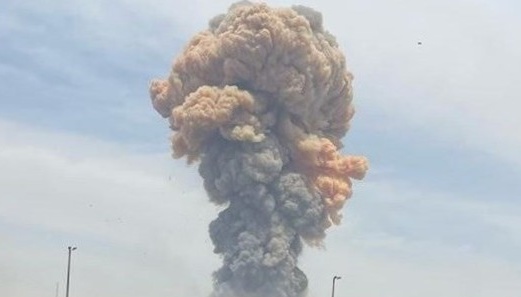
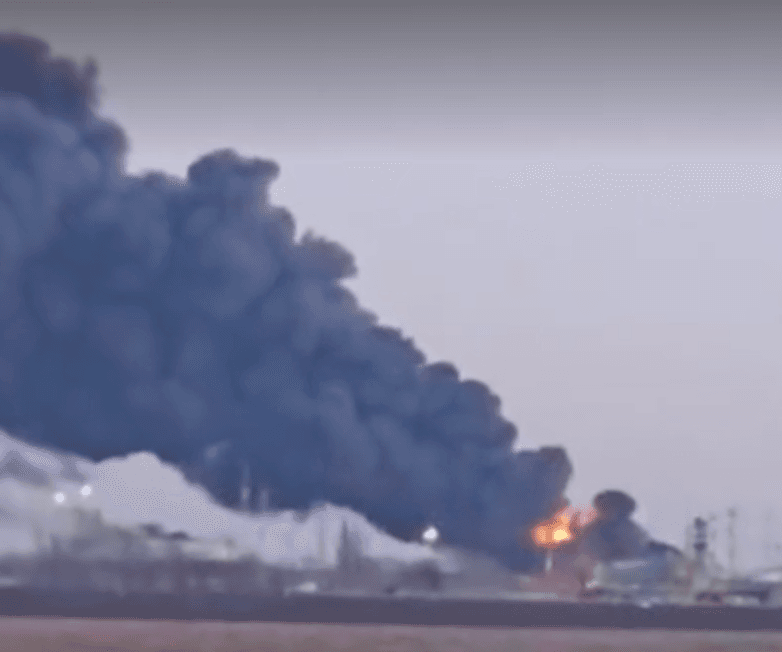
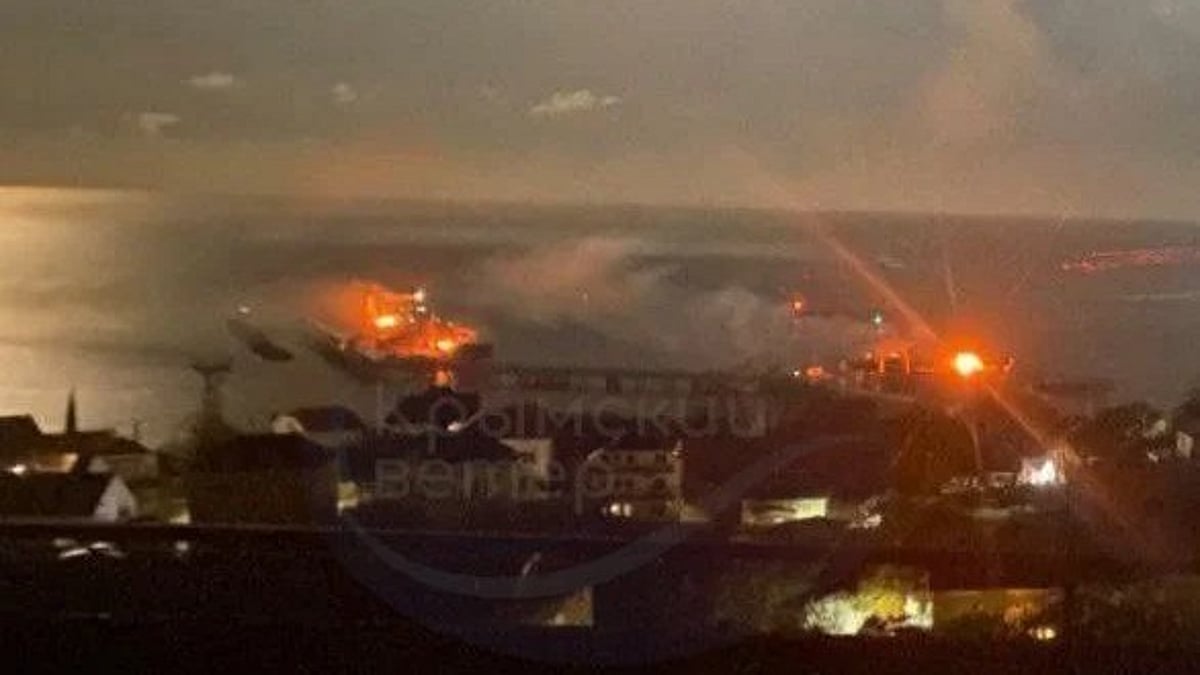
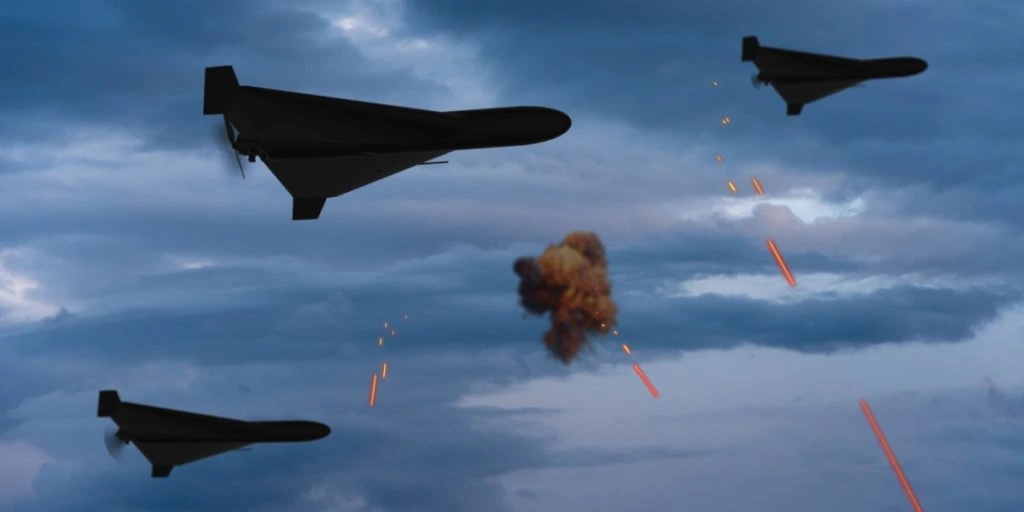
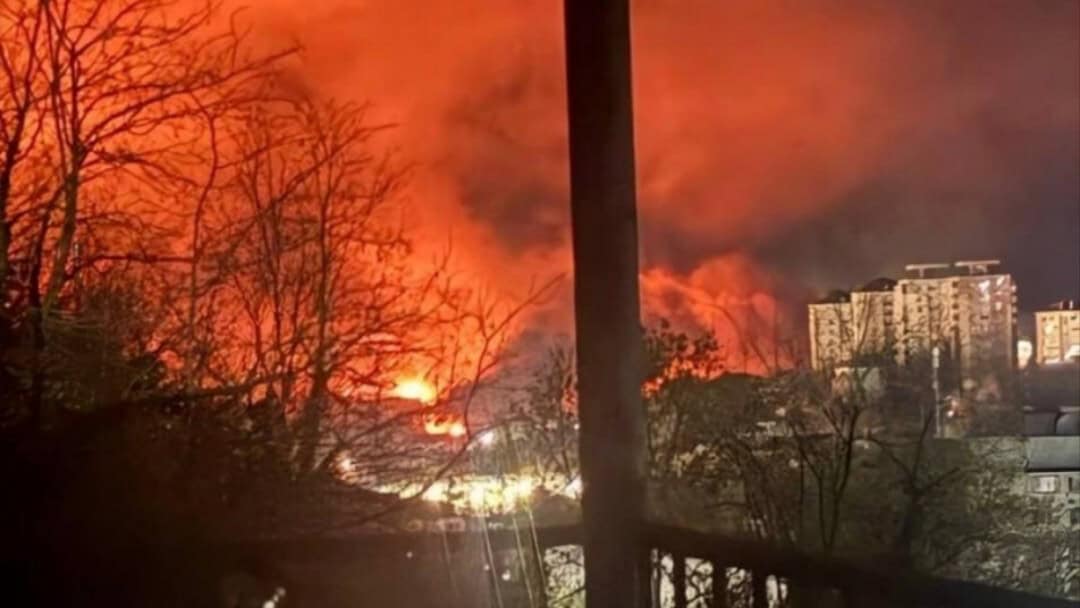
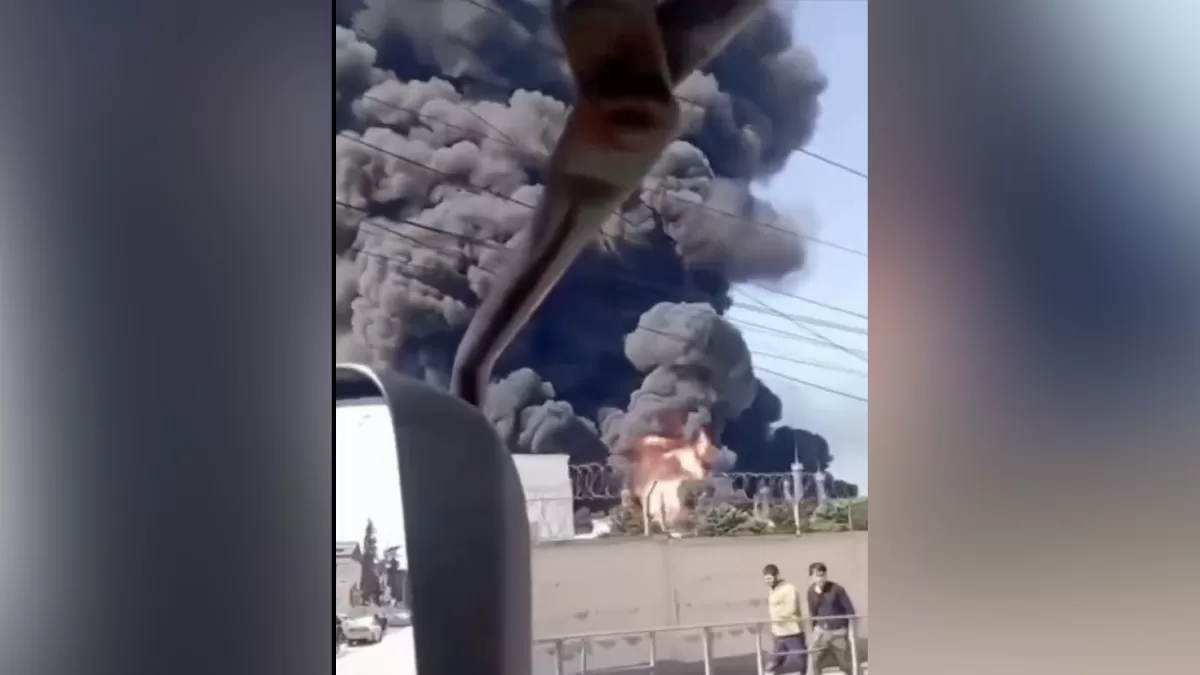
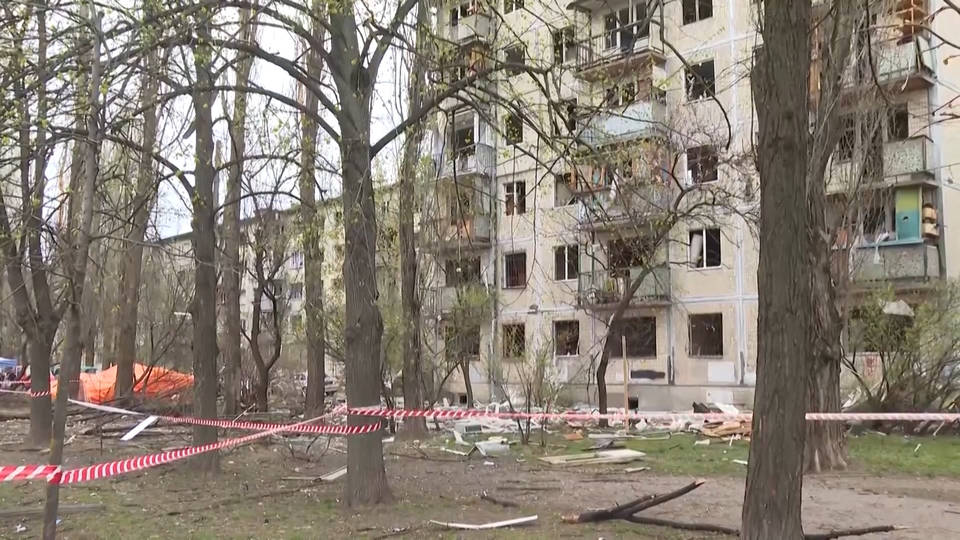
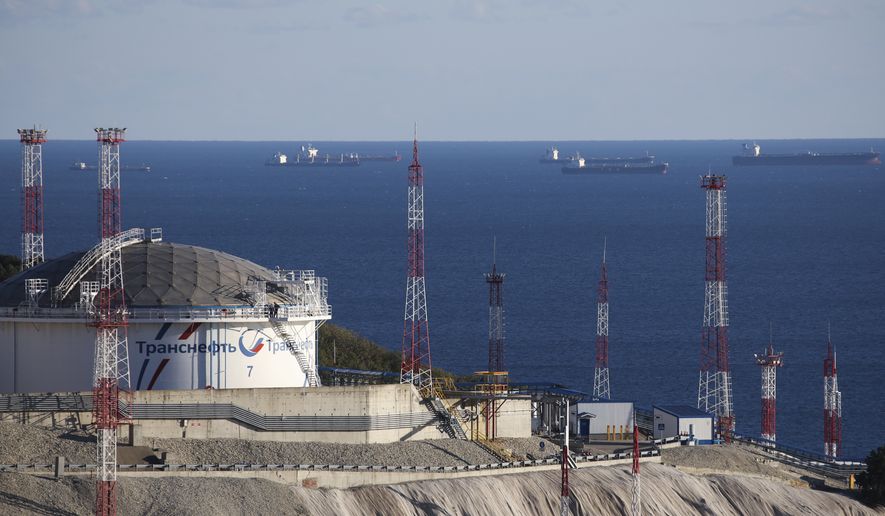
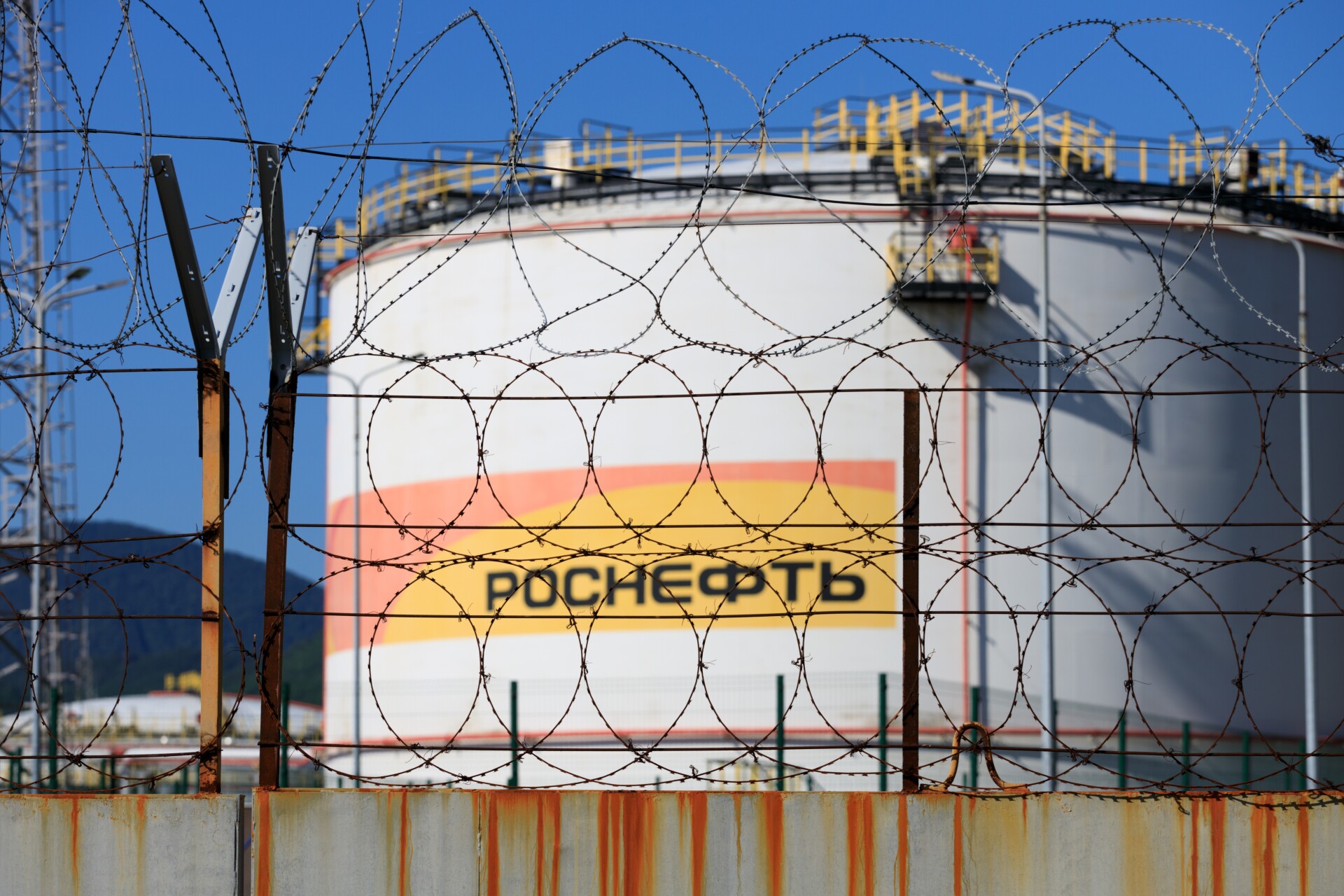
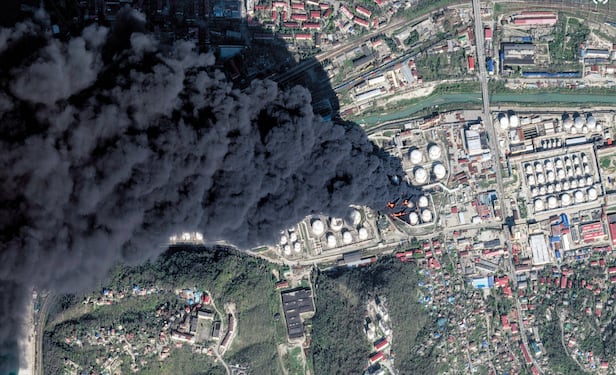
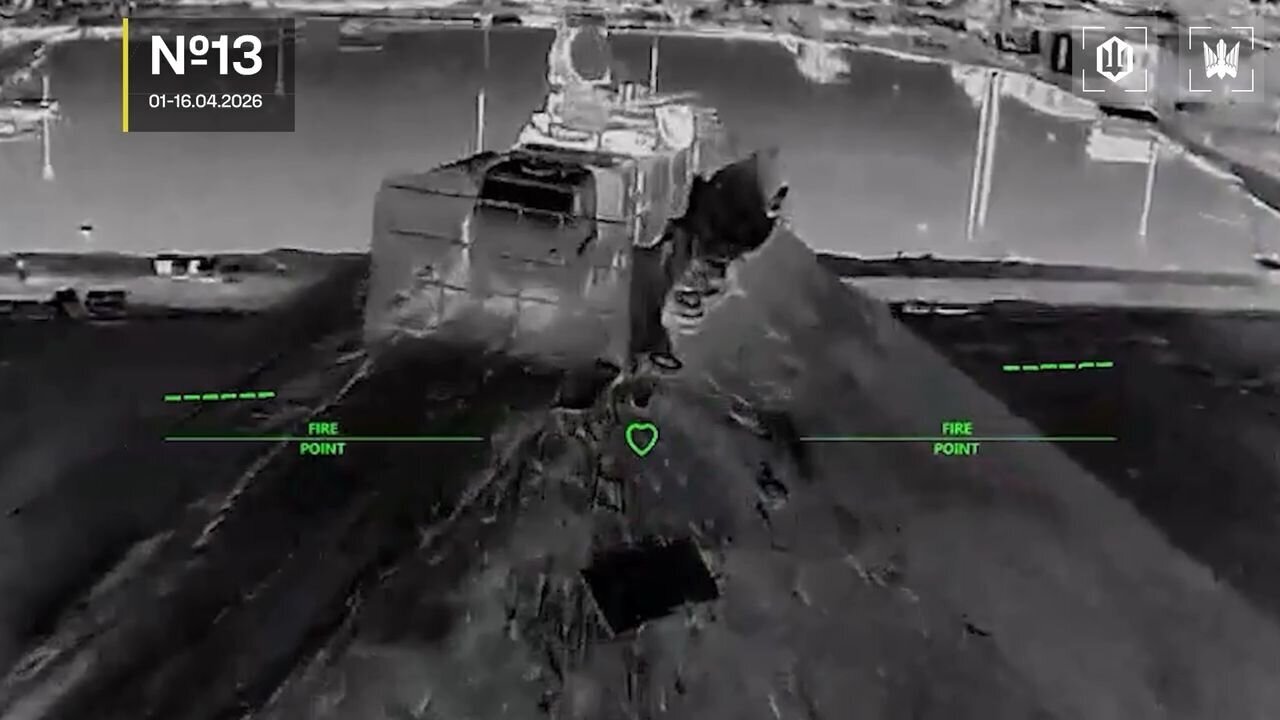
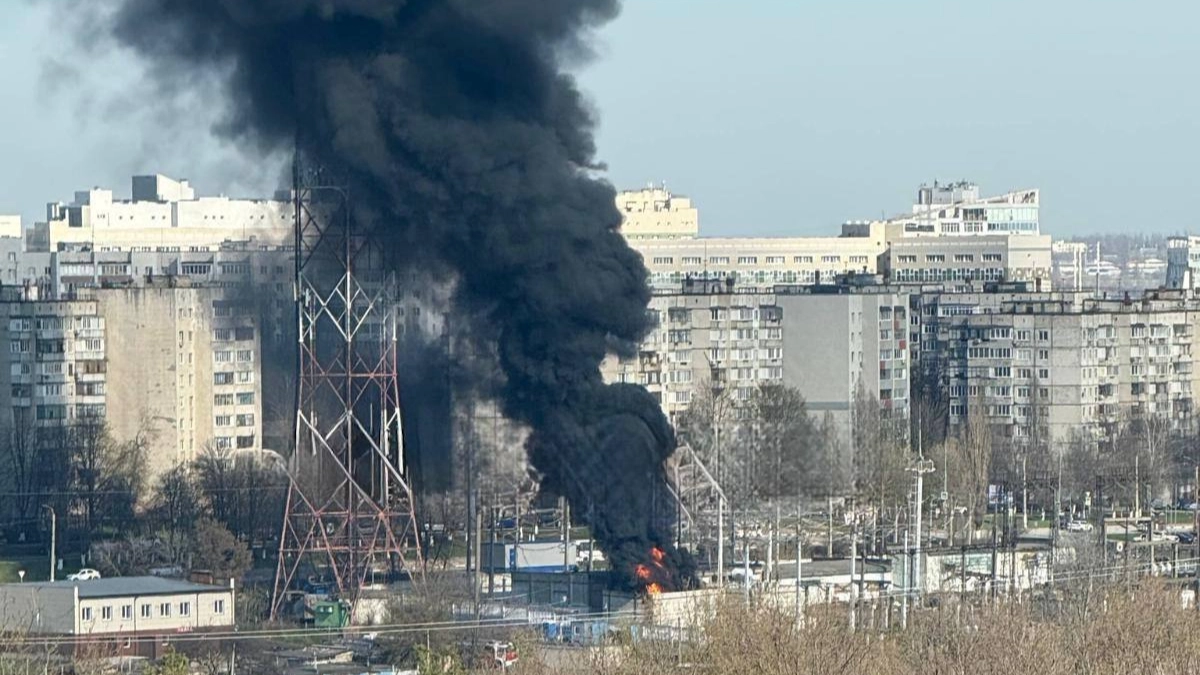
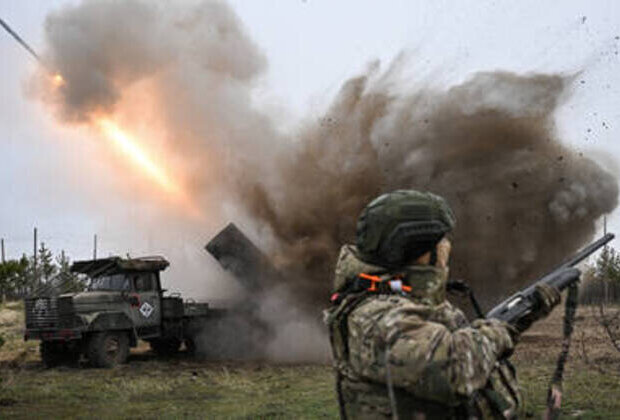
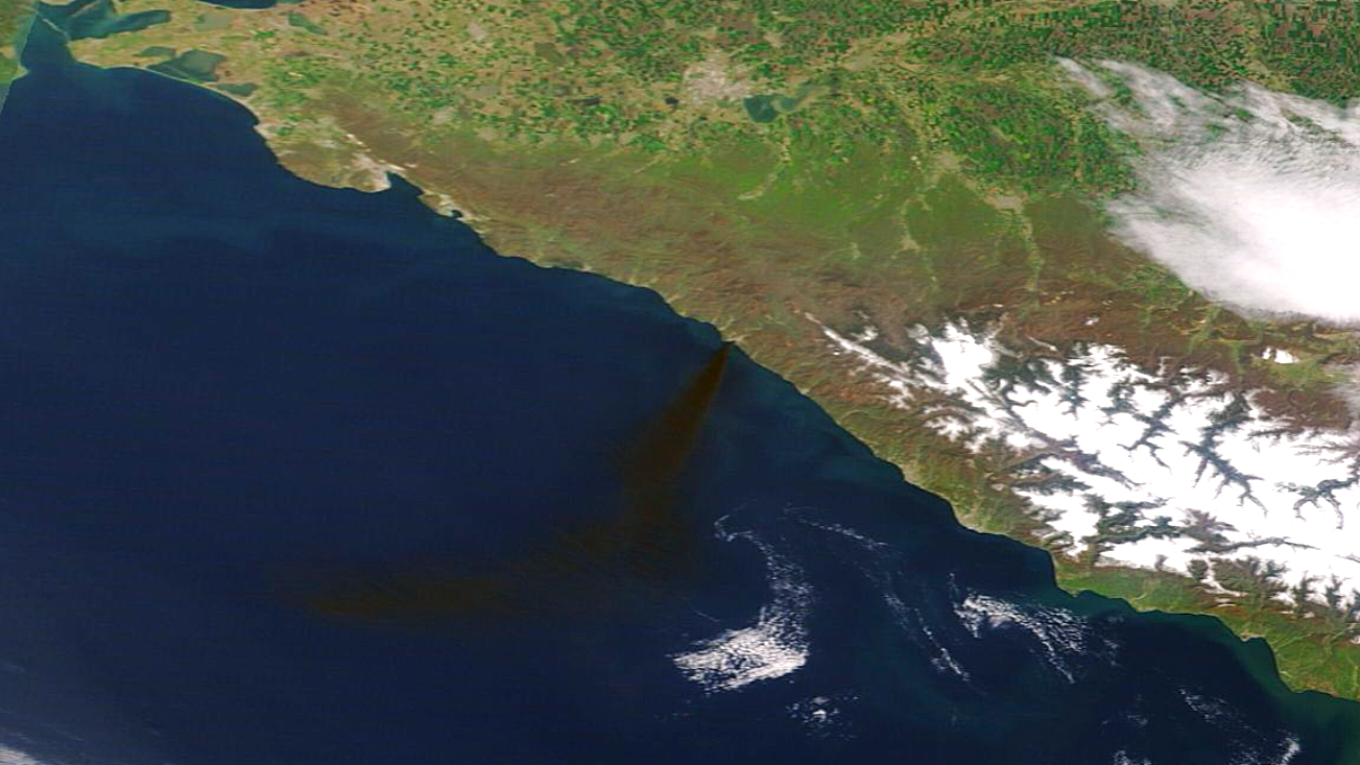
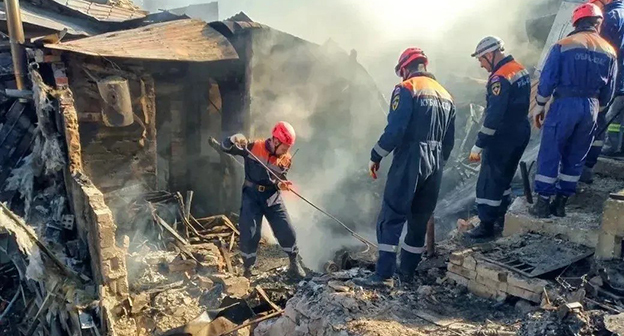
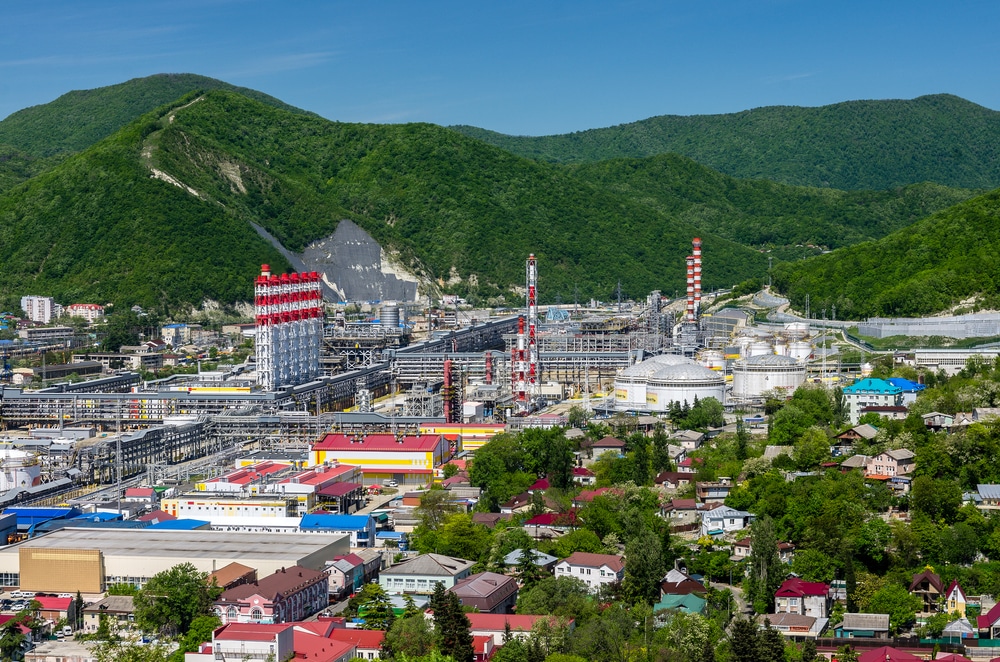
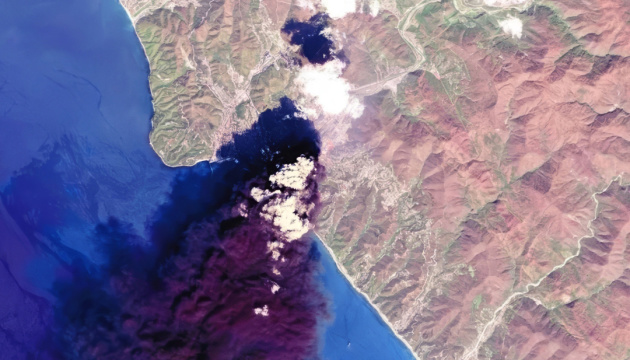
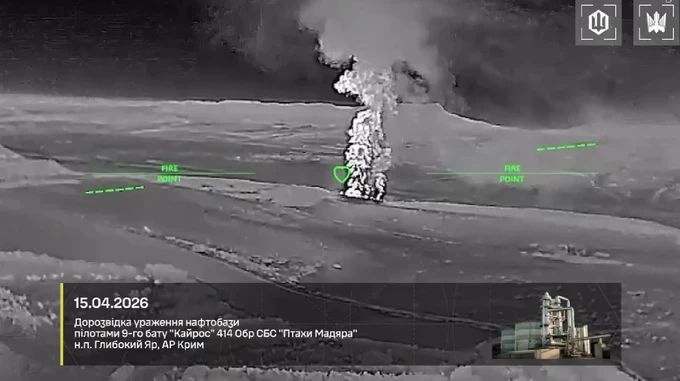
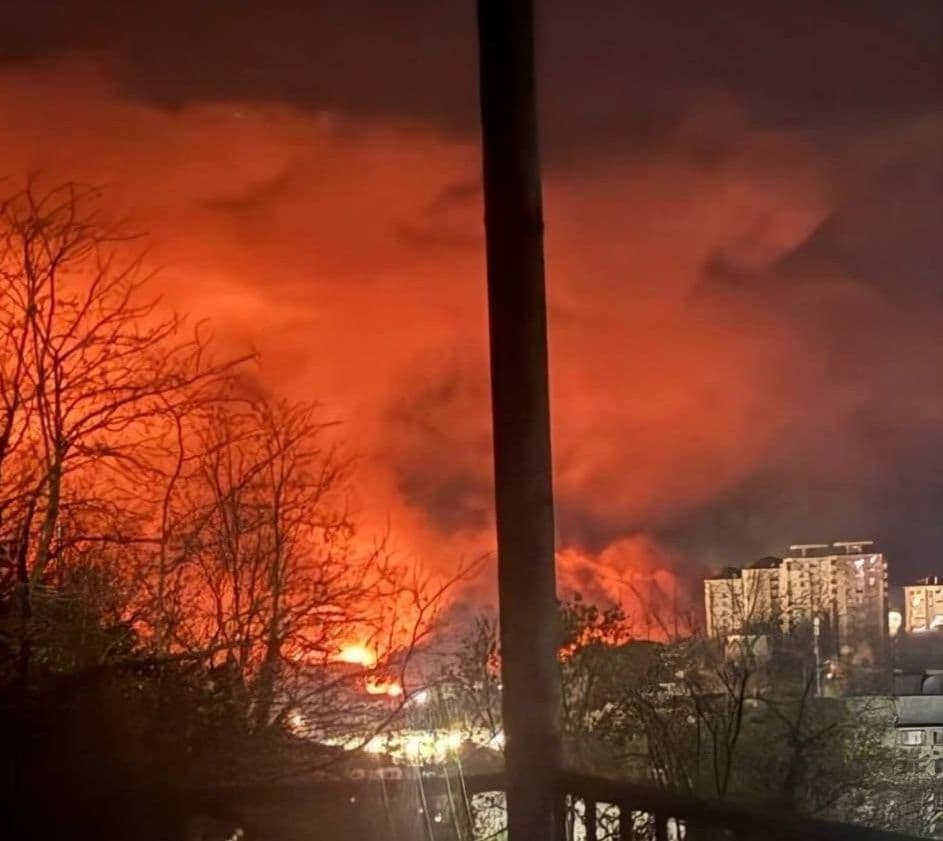
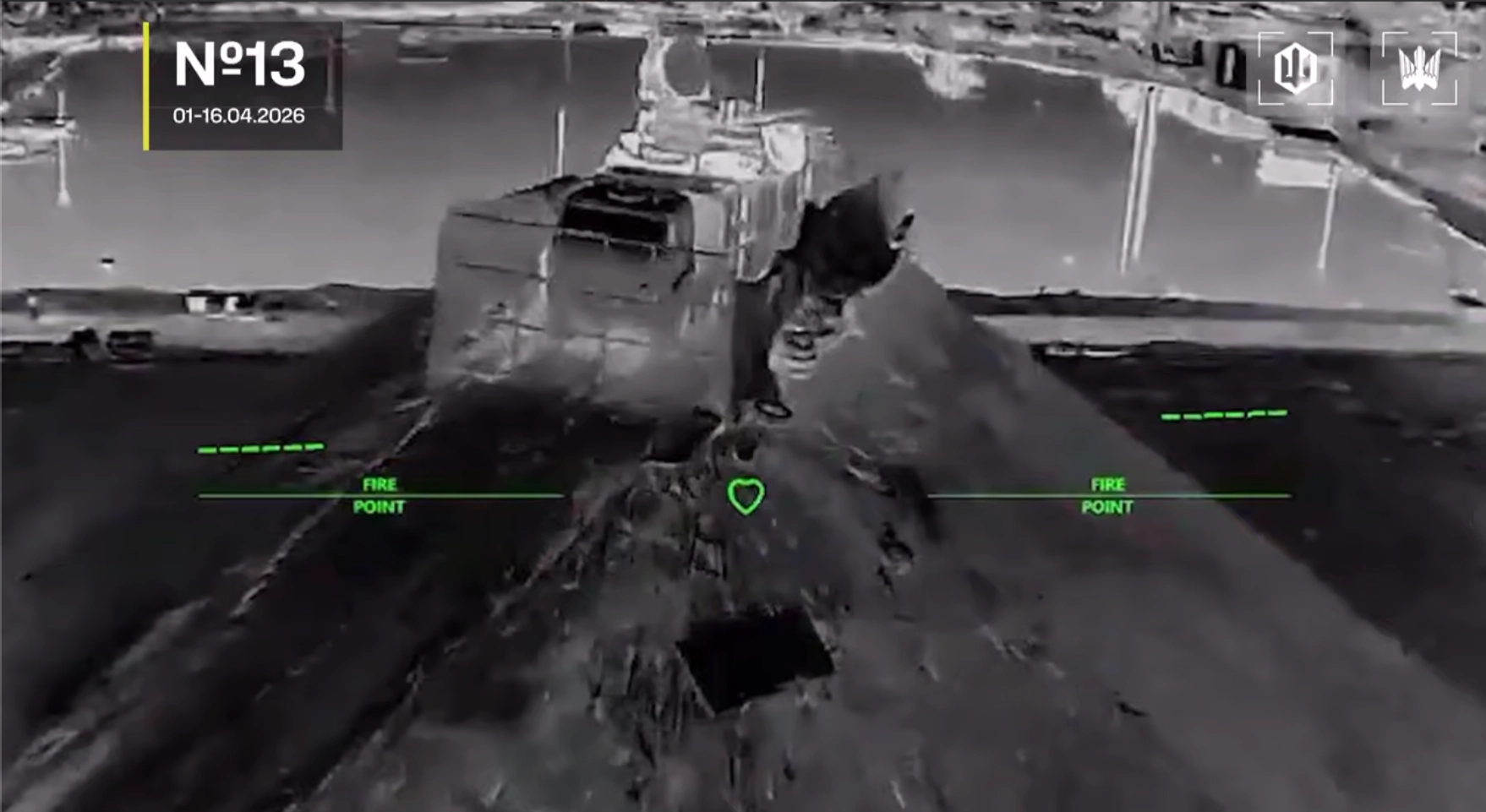
The escalating Ukrainian drone campaign against Russian energy infrastructure, particularly the April 16-17, 2026 strikes on the Tuapse Oil Refinery and Port of Tuapse, represents a critical supply chain disruption with cascading implications for cross-border e-commerce sellers. The Tuapse facility—one of Russia's 10 largest refineries processing 12 million tons of petroleum products annually and handling up to 10% of Russia's total petroleum exports—sustained extensive damage from coordinated attacks that ignited multiple fuel reservoirs. This incident exemplifies Ukraine's strategic shift toward targeting economic and logistical vulnerabilities rather than frontline military positions, with 76 Russian industrial facilities targeted in March 2026 alone, including 15 oil refineries.
Supply Chain Volatility for Logistics-Dependent Sellers: The disruption directly impacts cross-border sellers relying on fuel-intensive logistics networks. Sellers shipping to Russia, Eastern Europe, and Asia-Pacific markets face 15-25% fuel surcharges as global petroleum prices spike due to constrained Russian export capacity. 3PL providers and fulfillment centers dependent on diesel fuel for warehouse operations and last-mile delivery report cost increases of $200-400 monthly for mid-sized operations (1,000-5,000 units shipped). Sellers utilizing air freight to Asia-Pacific markets experience the most acute pressure, as jet fuel costs directly correlate with Russian refinery output disruptions.
Emerging Product Opportunities in Crisis Response Categories: The infrastructure damage creates demand spikes in specific product categories. Emergency preparedness items (portable generators, fuel containers, battery packs), industrial equipment for facility repairs, and logistics optimization tools see 30-40% increased search volume in affected regions. Sellers in the industrial supplies, automotive parts, and energy-related categories can capitalize on procurement surges as Russian manufacturers seek replacement equipment and Western suppliers fill supply gaps. Additionally, sellers offering logistics software, route optimization tools, and supply chain visibility platforms experience heightened demand from businesses navigating fuel cost volatility.
Geopolitical Risk Premium and Market Segmentation: The conflict introduces a geopolitical risk premium affecting seller strategies across regions. Sellers with inventory exposure in Russia face potential sanctions escalation, payment processing delays, and logistics route disruptions. The paused U.S.-brokered peace talks and Washington's shifting focus to Iran conflicts suggest prolonged instability. Sellers should segment their operations: deprioritize Russian market expansion, diversify logistics routes away from Black Sea ports (Tuapse handles critical petroleum exports), and consider nearshoring inventory to Eastern European 3PL hubs to mitigate fuel cost exposure.
Questions 8
How can sellers mitigate geopolitical supply chain risks?
Implement geographic diversification by nearshoring inventory to Eastern European 3PL hubs (Poland, Czech Republic, Hungary) to reduce fuel cost exposure and avoid Black Sea port dependencies. Segment operations by region: deprioritize Russia, maintain cautious operations in Ukraine-adjacent markets, and expand in Western Europe and Asia-Pacific. Establish fuel surcharge monitoring protocols with 3PL providers and negotiate fixed-rate logistics contracts through Q4 2026. Use supply chain visibility platforms to track alternative shipping routes avoiding conflict zones. Conduct quarterly geopolitical risk assessments and maintain 30-45 days of safety stock for high-velocity SKUs.
Should sellers continue operations in Russian markets given the conflict?
The paused U.S.-brokered peace talks and escalating infrastructure targeting suggest prolonged instability. Sellers with Russian inventory face potential sanctions escalation, payment processing delays (SWIFT restrictions), and logistics route disruptions through Black Sea ports. Tuapse Port handles up to 10% of Russia's petroleum exports, making it a critical chokepoint. Sellers should deprioritize Russian market expansion, diversify payment methods away from Russian banks, and consider liquidating slow-moving inventory. However, sellers offering industrial repair equipment and emergency supplies can maintain selective Russian operations targeting B2B procurement rather than consumer retail.