



Uber Eats Reverse Logistics Expansion | Seller Return Operations Shift
- Doorstep pickup reduces return friction for 43% of online shoppers; sellers must integrate with Uber's logistics infrastructure by Q2 2026






Overview
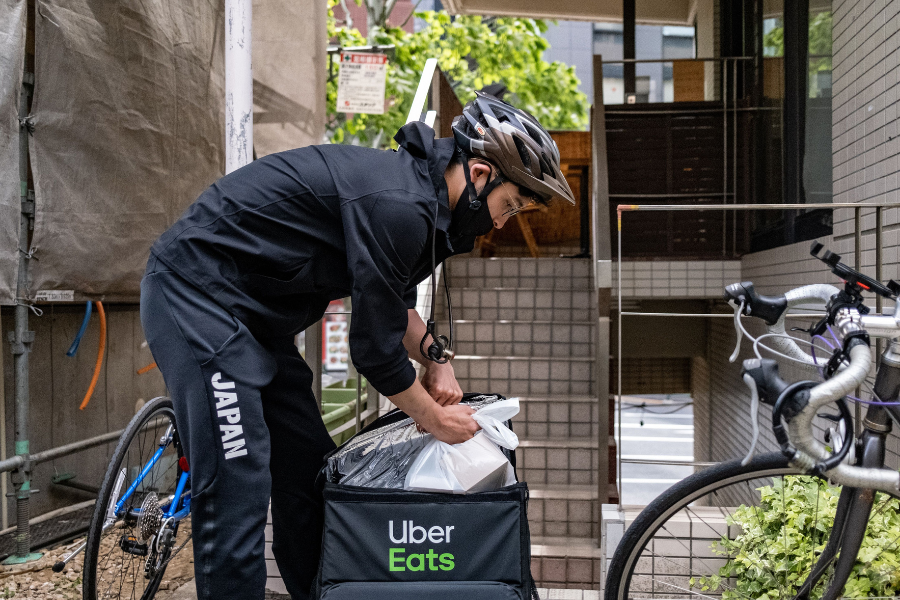
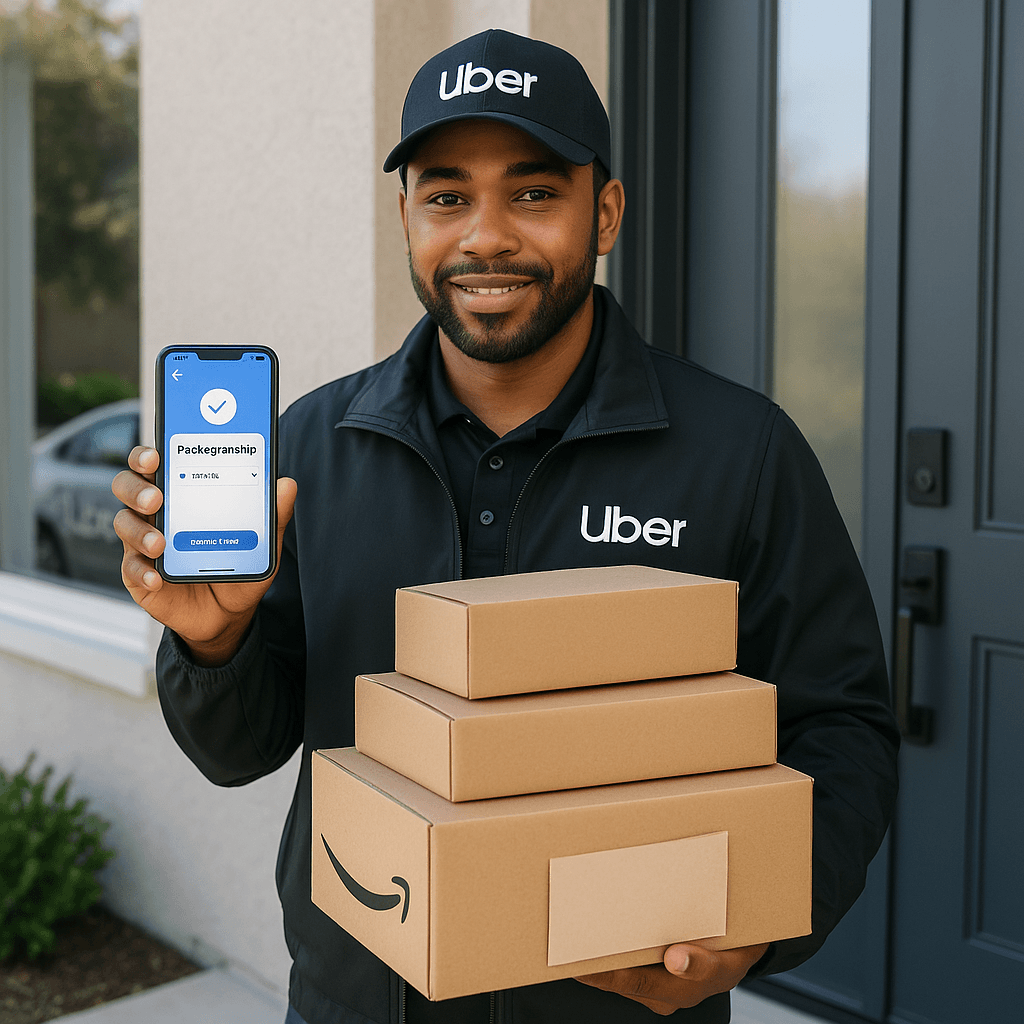
Uber's April 2026 doorstep returns feature represents a fundamental shift in reverse logistics economics for e-commerce sellers. The platform now enables customers to request courier pickup of eligible retail items (minimum $20 value) directly from home, with instant refunds processed upon collection. This directly addresses a critical pain point: Route's survey of 1,000 shoppers identified 43% citing refund delays as the top return stress factor, while one-third struggled with label printing and packaging logistics.
For sellers, this creates immediate operational dependencies and cost-structure changes. Uber's return service currently integrates with eight major retailers (Target, Best Buy, Michaels, Petco, Dick's Sporting Goods, At Home, GNC, PacSun) with plans for rapid expansion. The courier fee structure—calculated on driver time and distance—introduces variable return costs that directly impact unit economics, particularly for lower-priced items under $50. Sellers must now evaluate whether Uber's return convenience justifies integration costs versus traditional UPS/FedEx return workflows. The $34.9B Q4 2025 delivery revenue (30% YoY growth) signals Uber's commitment to scaling this service aggressively.
The competitive landscape is accelerating. Amazon already accepts returns at Whole Foods, Staples, and Kohl's locations, while Walmart and Target invest in curbside pickup networks. Uber's expansion into unpackaged item returns—previously limited to sealed packages via Uber Connect since 2023—creates a new fulfillment requirement: sellers must now manage return workflows through the Uber Eats app rather than traditional postal channels. This reduces in-store return traffic and associated labor costs but creates new dependencies on third-party logistics infrastructure.
Strategic implications for sellers: Participation requires integration with Uber's platform API, return policy alignment with individual retailers, and potential warehouse repositioning near urban centers where Uber's courier density is highest. The instant refund incentive will likely increase return adoption rates, potentially raising return rates 5-8% for participating sellers. Sellers should model return economics by category: high-value items ($100+) benefit from convenient returns, while low-margin categories face margin compression from variable courier fees. Warehouse positioning near Uber's delivery hubs (typically major metro areas) becomes strategically important for minimizing return processing times and courier fees.
Questions 7
What warehouse positioning strategy optimizes Uber return logistics?
Sellers should position inventory within 5-10 miles of Uber's highest-density delivery zones (major metro areas: NYC, LA, Chicago, SF, Boston). Courier fees scale with distance and driver time, so warehouses near urban centers reduce return processing costs by 20-30% versus suburban locations. For sellers using 3PL providers, negotiate Uber return integration as part of fulfillment contracts. Consider dual-warehouse strategies: position fast-moving inventory near Uber hubs for forward fulfillment, while maintaining secondary inventory in cost-effective regional warehouses for slower-moving SKUs. This balances return logistics efficiency with overall fulfillment cost optimization.
Which seller categories benefit most from Uber's return integration?
High-value, low-return-rate categories benefit most: electronics (Best Buy partnership), sporting goods (Dick's Sporting Goods), and specialty retail (Michaels, GNC, PacSun). These categories typically have items valued $50-300, where convenient returns increase purchase confidence without excessive return rate spikes. Conversely, apparel and home goods sellers face margin compression from higher return rates and variable courier fees. Sellers should prioritize Uber integration for categories with 5-15% baseline return rates; categories exceeding 20% returns should maintain traditional return channels to control costs.