

Premium Dining Collapse Signals Gourmet Food E-Commerce Opportunity | Beef Supply Crisis Reshapes Consumer Spending
- U.S. cattle herd at 75-year low drives 16% steak price surge; premium restaurant closures create $2B+ gourmet food marketplace gap for cross-border sellers









Overview
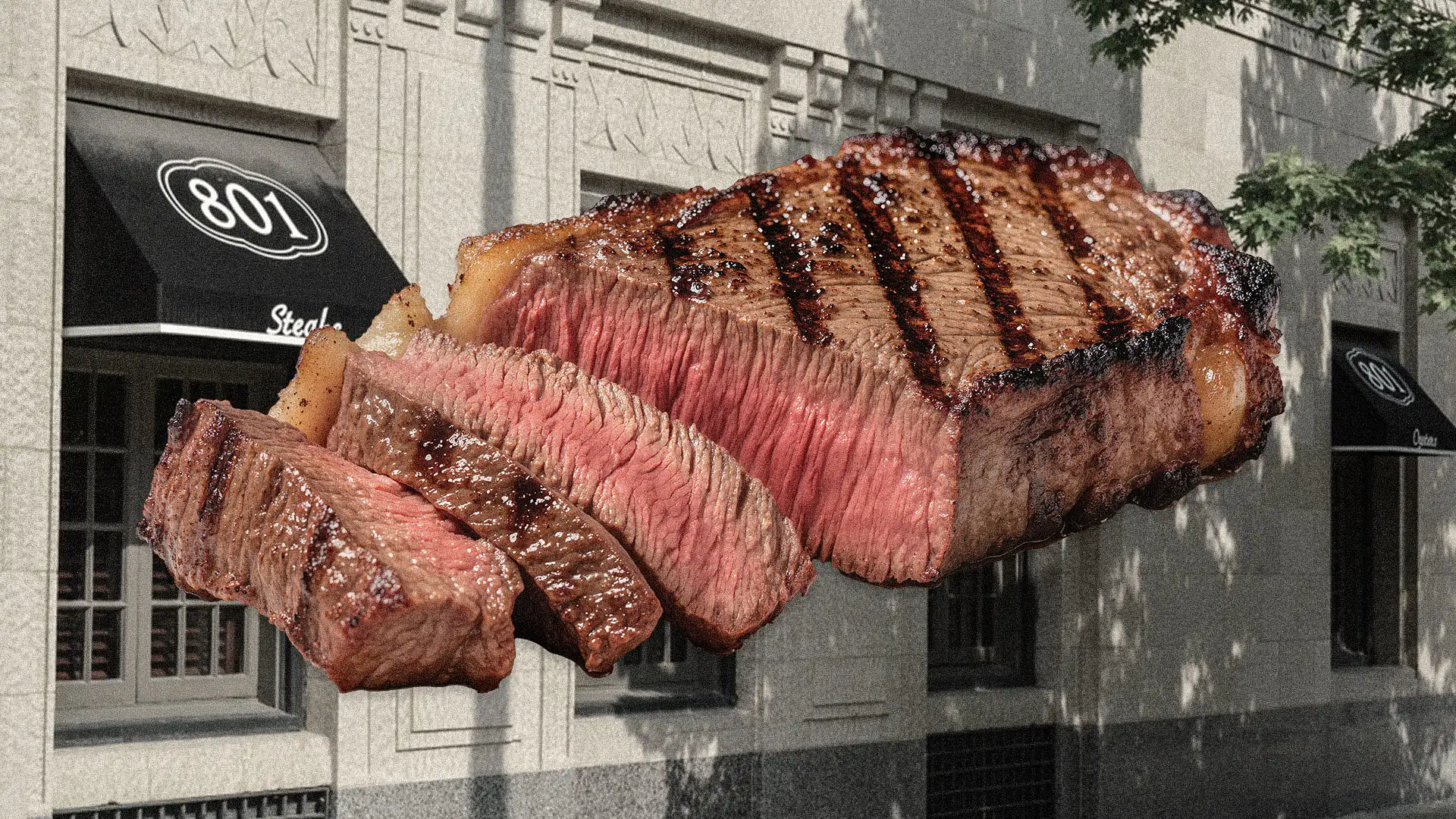
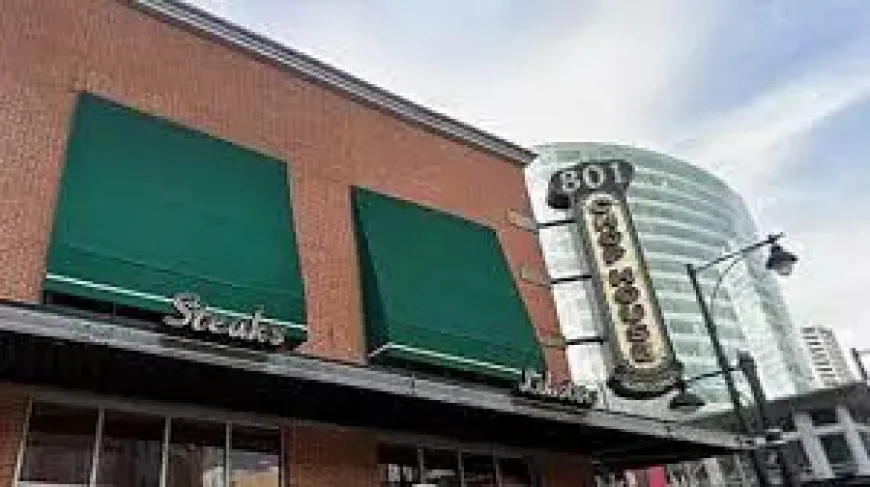
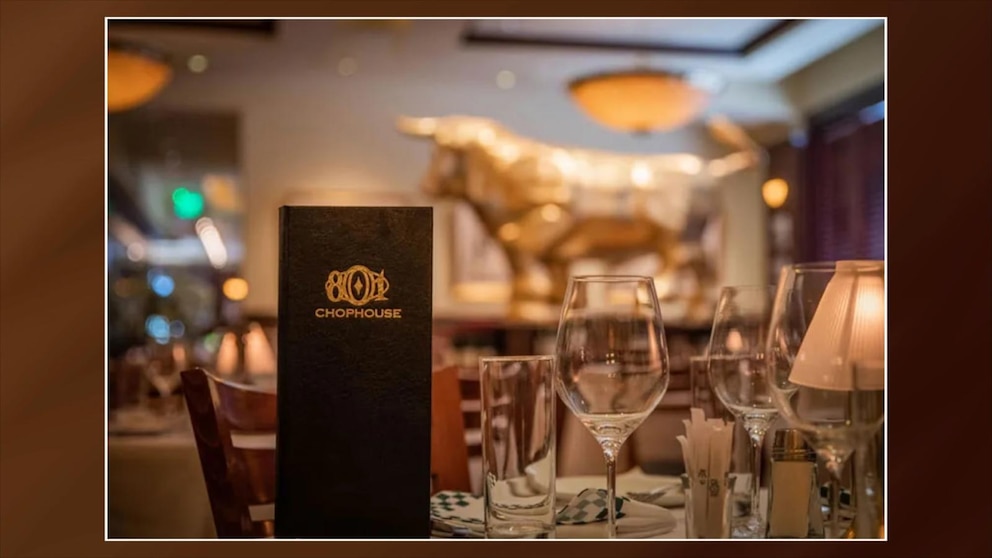
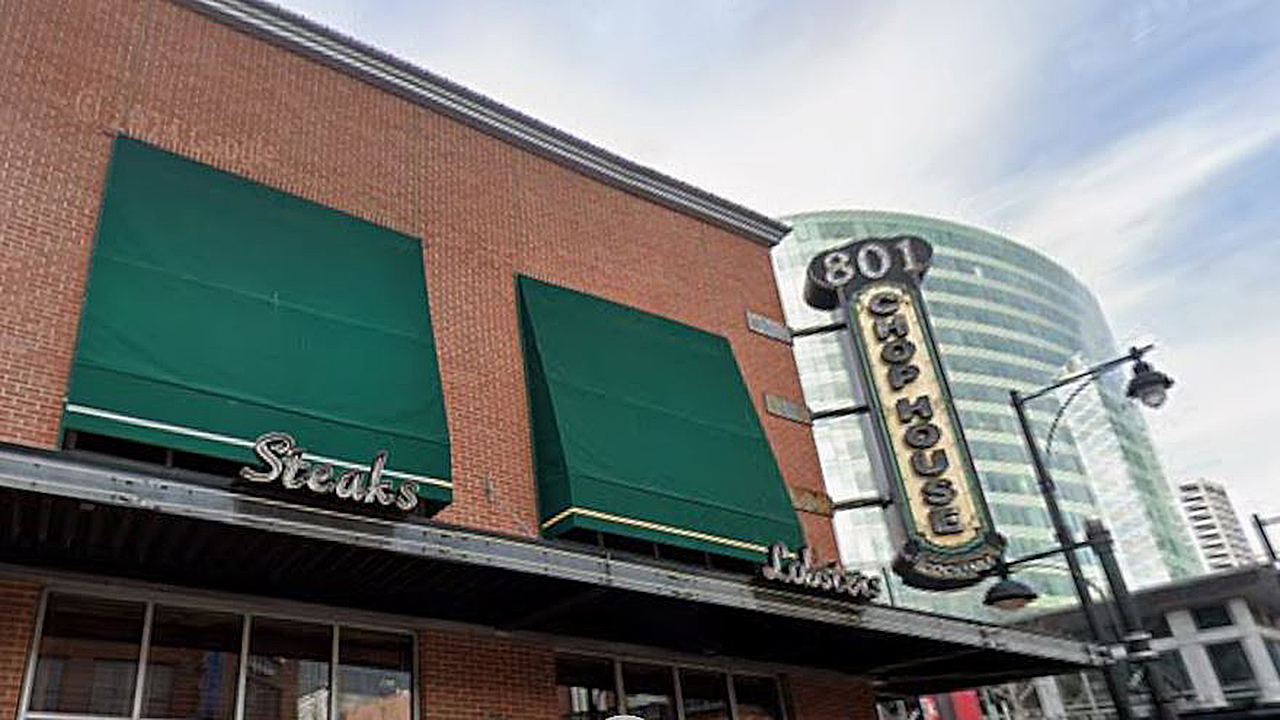
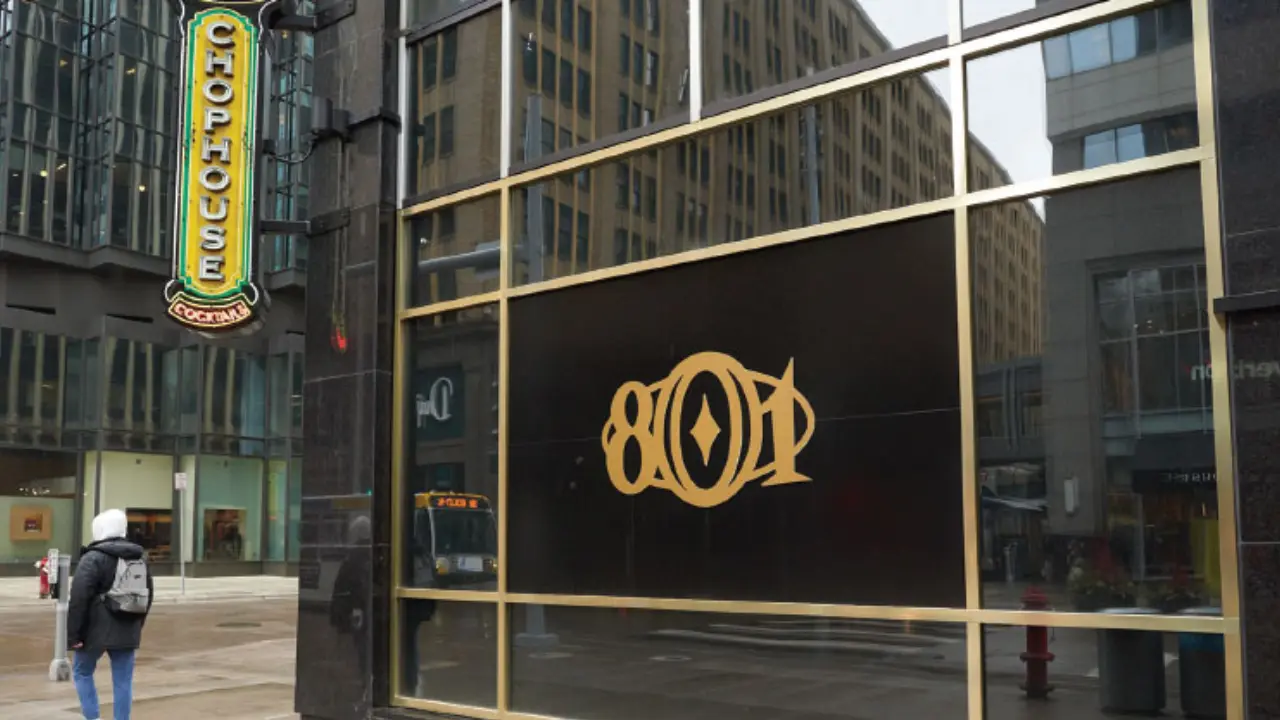
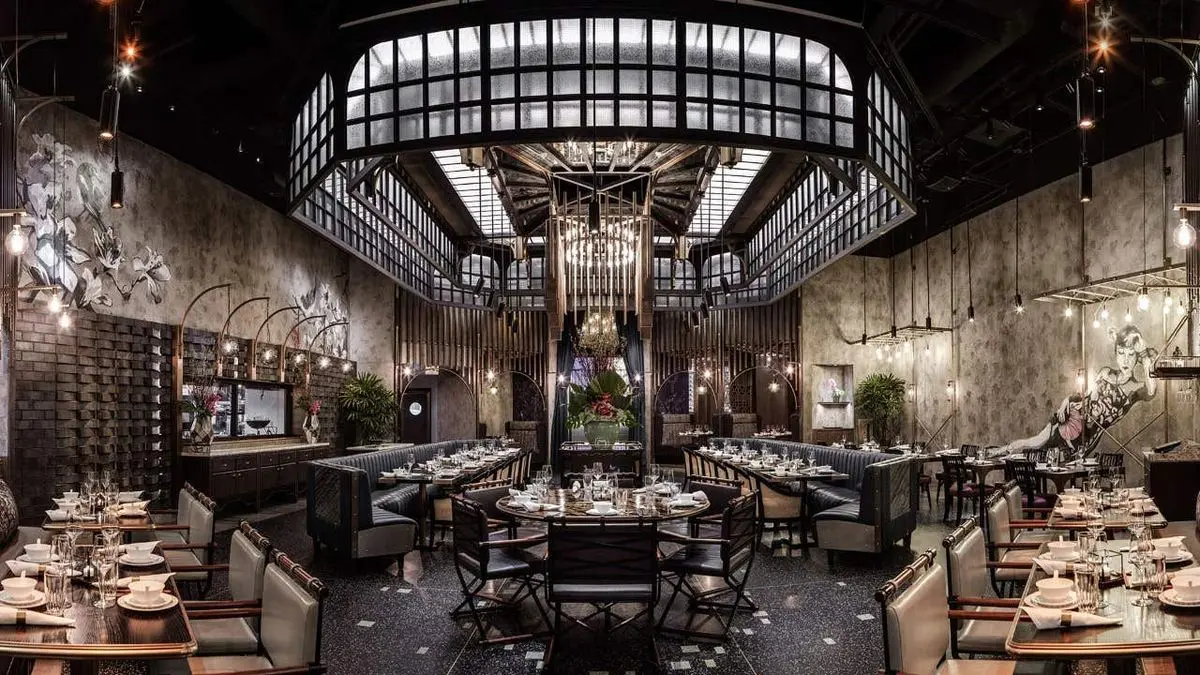
The April 2026 bankruptcy of 801 Restaurant Group—operator of eight upscale steakhouse locations across the Midwest and Mid-Atlantic—reveals a critical market shift with direct implications for gourmet food e-commerce sellers. The filing, driven by unprecedented beef supply constraints (U.S. cattle herd at 75-year low) and steak prices surging to $12.73/pound (+16% YoY), signals that premium dining's traditional brick-and-mortar model is collapsing. This creates a massive O2O opportunity for sellers to capture displaced premium dining consumers through direct-to-consumer gourmet food channels.
The Market Collapse Context: 801 Chophouse's bankruptcy follows similar failures at Red Lobster, Hooters, and major steakhouse chains—Outback Steakhouse closed 41 locations in 2025; McCormick & Schmick's contracted from 60 to 13 locations. The root cause is structural: cattle inventory at historic lows compresses margins on high-end beef products (premium ribeye at $145/plate now unsustainable), while consumer spending on premium sit-down dining has shifted toward value-conscious alternatives. This represents a $2-3B annual spending reallocation from physical steakhouses to alternative channels.
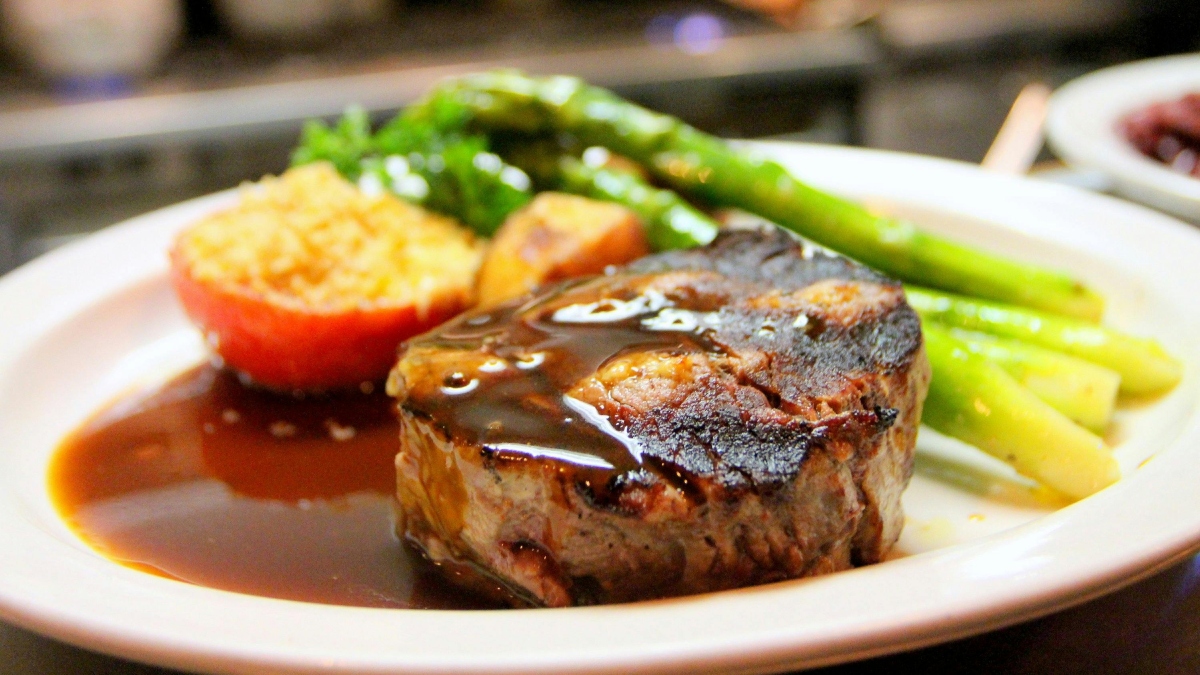
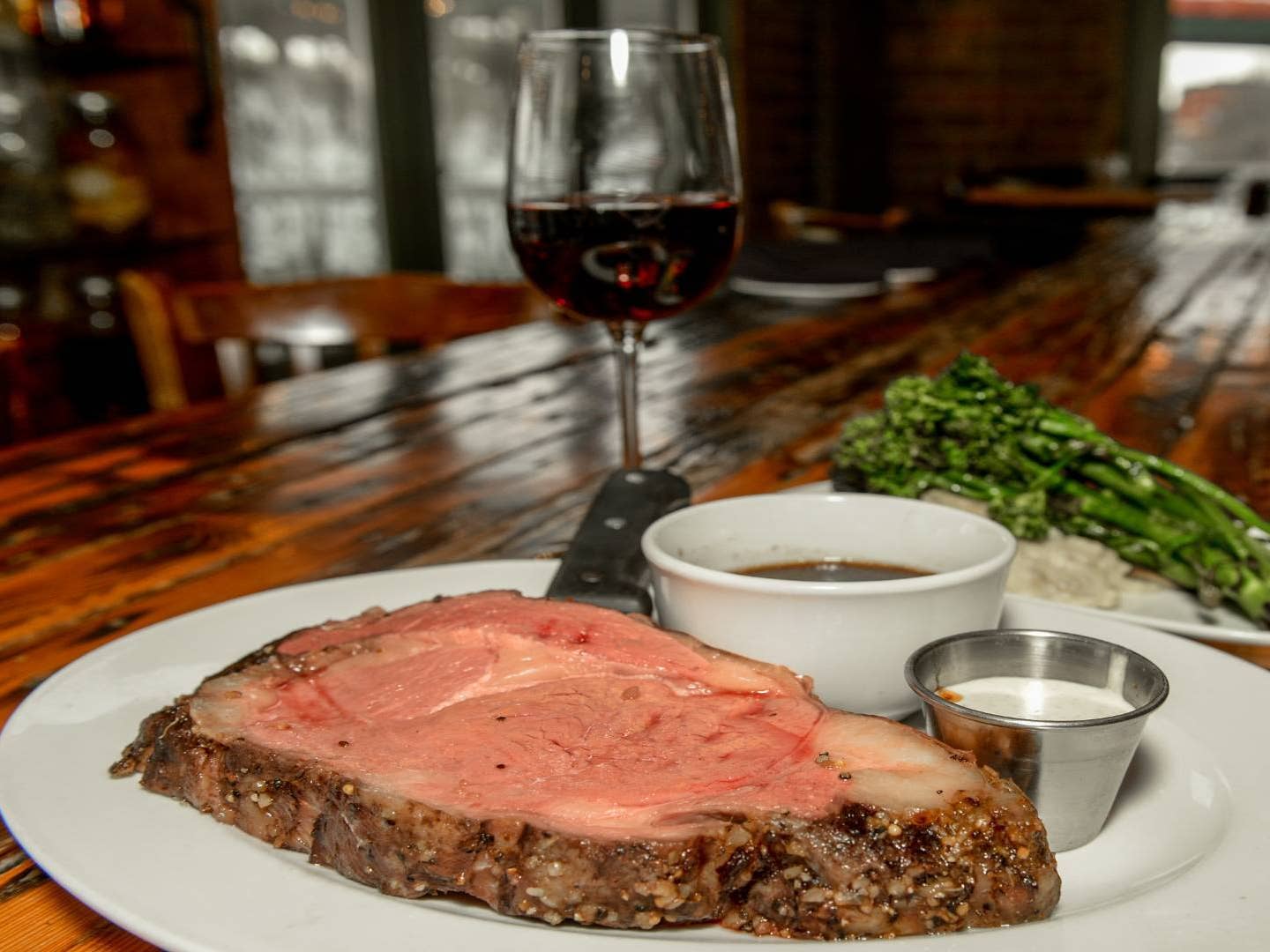
E-Commerce Seller Opportunity: Sellers can capture this displaced demand through three O2O strategies: (1) Premium Beef Direct-to-Consumer: Wagyu, dry-aged, and USDA Prime beef sold via Amazon Fresh, specialty food marketplaces, and Shopify storefronts—targeting affluent consumers (HHI $150K+) who previously spent $100-150/meal at steakhouses. (2) Experiential Retail Partnerships: Pop-up steakhouse experiences in high-traffic venues (Denver, Kansas City, Minneapolis, Omaha, St. Louis, Des Moines) paired with e-commerce beef subscriptions—converting foot traffic to recurring online orders. (3) Meal Kit & Prepared Foods: Pre-portioned premium beef kits with wine pairings, sold through Amazon Subscribe & Save and specialty platforms—capturing convenience-seeking premium diners.
Regional Demand Hotspots: The eight closed/struggling locations (Denver, Des Moines, Kansas City, St. Louis, Leawood, Minneapolis, Omaha, Tysons Corner) represent high-concentration markets for premium dining consumers. These regions show elevated demand for gourmet food e-commerce—Kansas City and Omaha are beef-centric markets with established supply chains; Denver and Minneapolis have affluent, digitally-native demographics. Pop-up showrooms in these cities (targeting 5,000-10,000 foot traffic/month) can drive 15-25% conversion to online subscriptions.
Competitive Advantage: Unlike traditional steakhouses burdened by $6.6M+ lease guarantees and fixed labor costs, e-commerce sellers have 40-60% lower cost structures. Sellers can offer premium beef at 20-30% below steakhouse pricing while maintaining 35-45% margins—directly capturing price-sensitive premium consumers. The shift from experiential dining to home consumption also favors sellers with strong content (cooking videos, pairing guides, chef collaborations) that drive 2-3x higher customer LTV than commodity beef sellers.
Questions 8
What are the setup costs and ROI timelines for premium food pop-up retail in target cities?
Pop-up steakhouse experiences in high-traffic venues (Denver, Kansas City, Minneapolis) cost $15,000-30,000/month for 2,000-3,000 sq ft space plus staffing. With 5,000-10,000 monthly foot traffic and 15-25% conversion to online subscriptions, sellers can acquire 750-2,500 customers/month at $6-40 CAC. At $150-250 average monthly subscription value and 60-70% retention, pop-ups break even in 3-6 months and generate $50,000-150,000 monthly revenue by month 6-12. ROI typically reaches 200-300% by year 2 when factoring in customer LTV.
What content and experiential strategies differentiate premium beef sellers from competitors?
Successful premium beef sellers combine product with content: cooking videos featuring celebrity chefs, wine pairing guides, and steakhouse-quality preparation tutorials drive 2-3x higher engagement than commodity beef sellers. Pop-up experiences should replicate steakhouse atmosphere (sommelier consultations, dry-aging displays, chef demonstrations) to justify premium pricing. Sellers using influencer partnerships with food/lifestyle creators see 3-5x higher conversion rates. Subscription models with curated monthly selections and exclusive access to limited-edition cuts drive 60-70% retention rates versus 30-40% for one-time purchases.