
Humanitarian Supply Demand Surge | Sellers Capitalize on Relief Product Categories
- 1M+ displaced women/girls create urgent demand for medical, hygiene, and survival products; sellers can target relief organizations and humanitarian buyers through specialized marketplaces












Overview
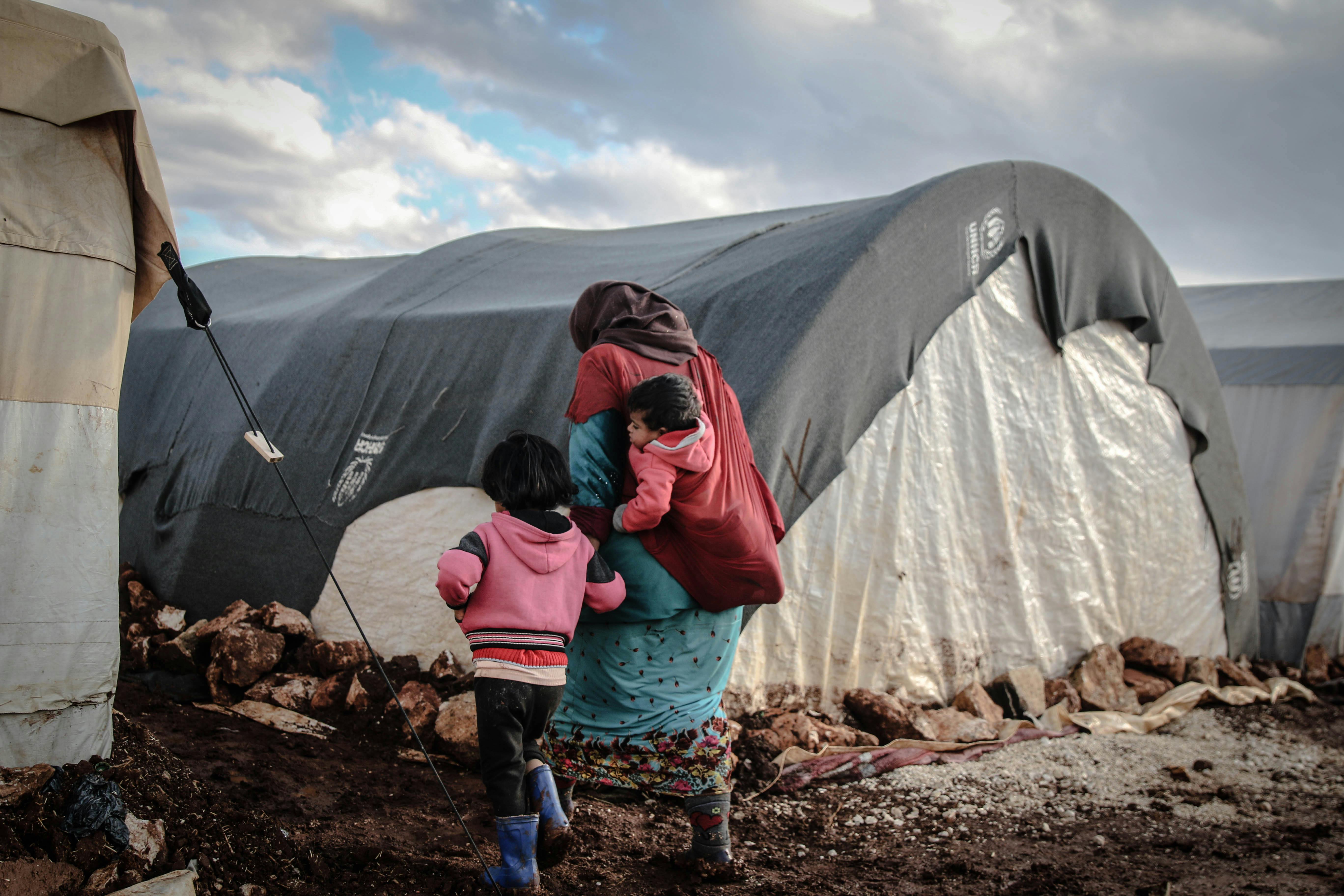
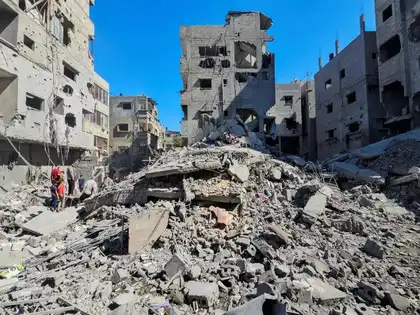
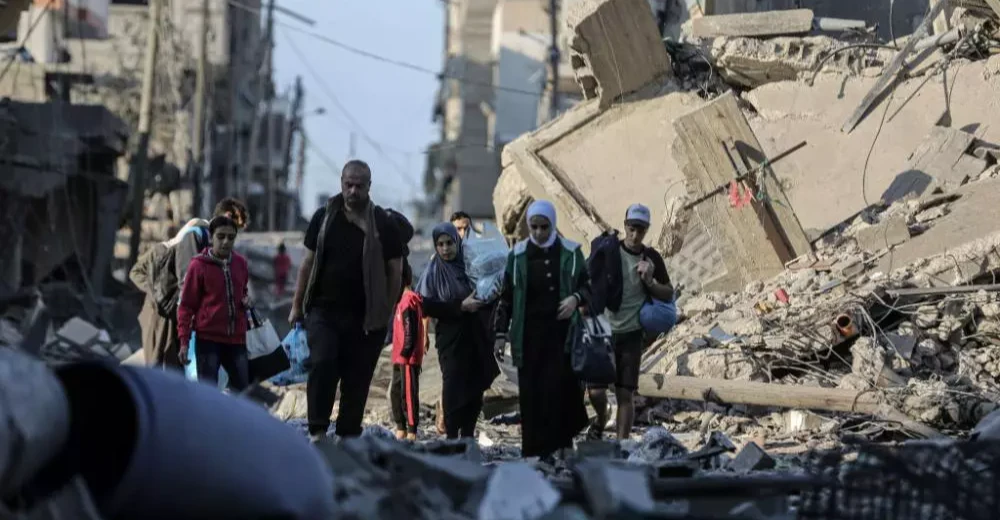
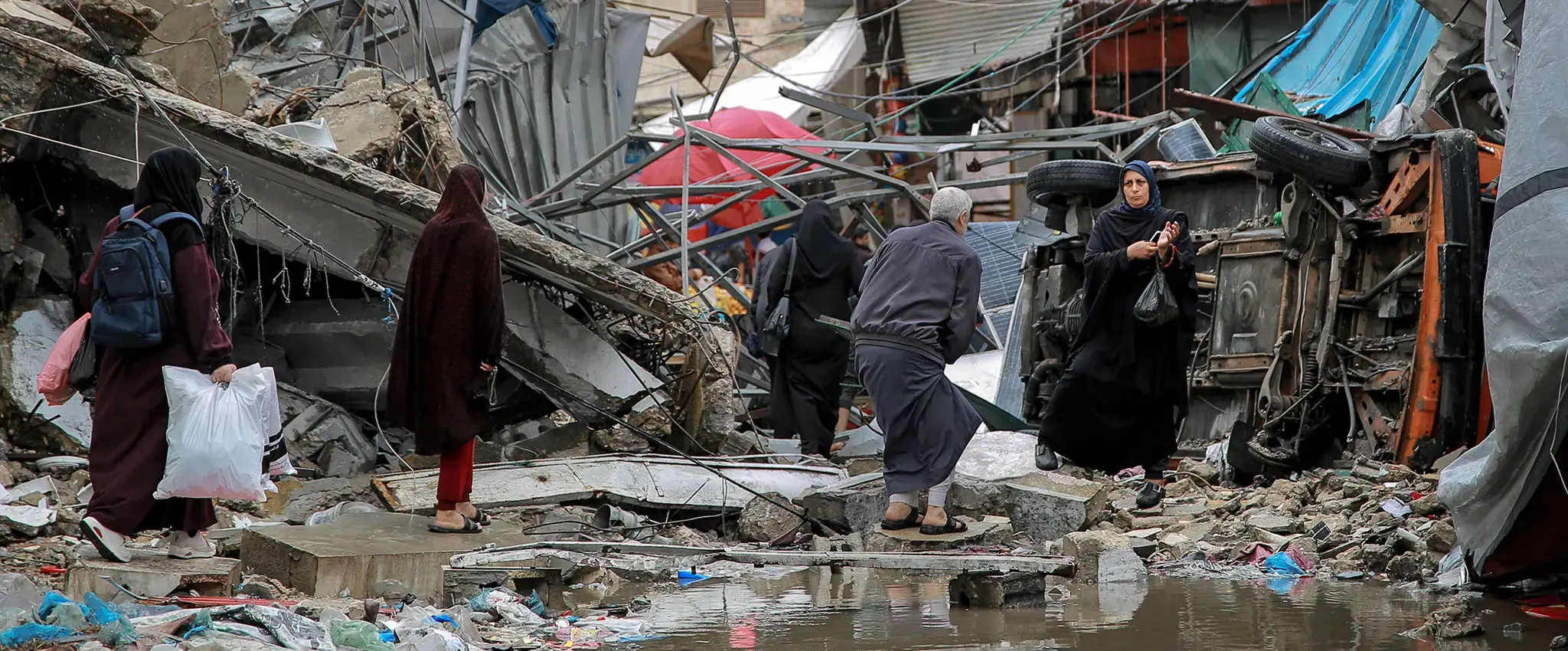
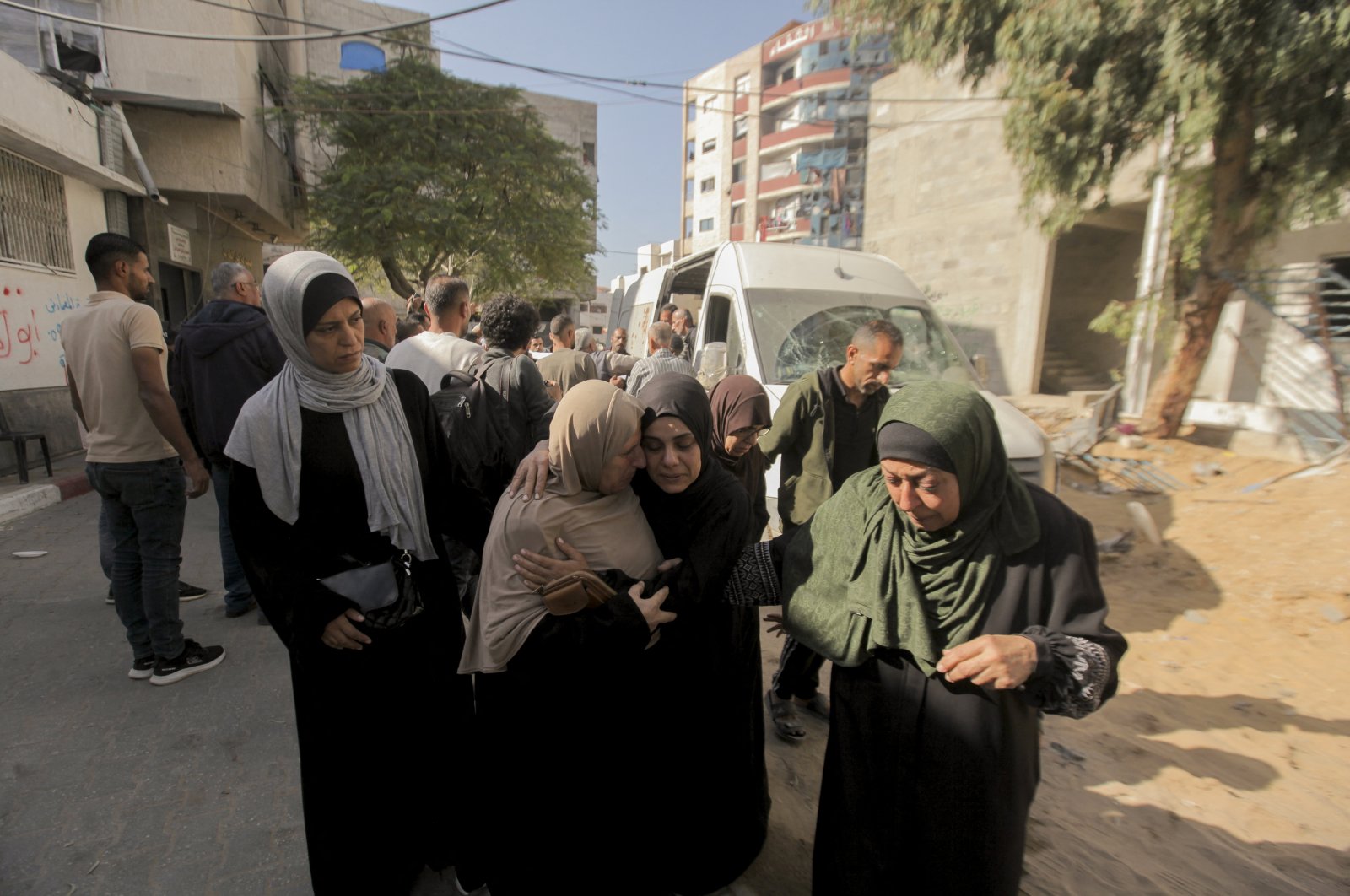
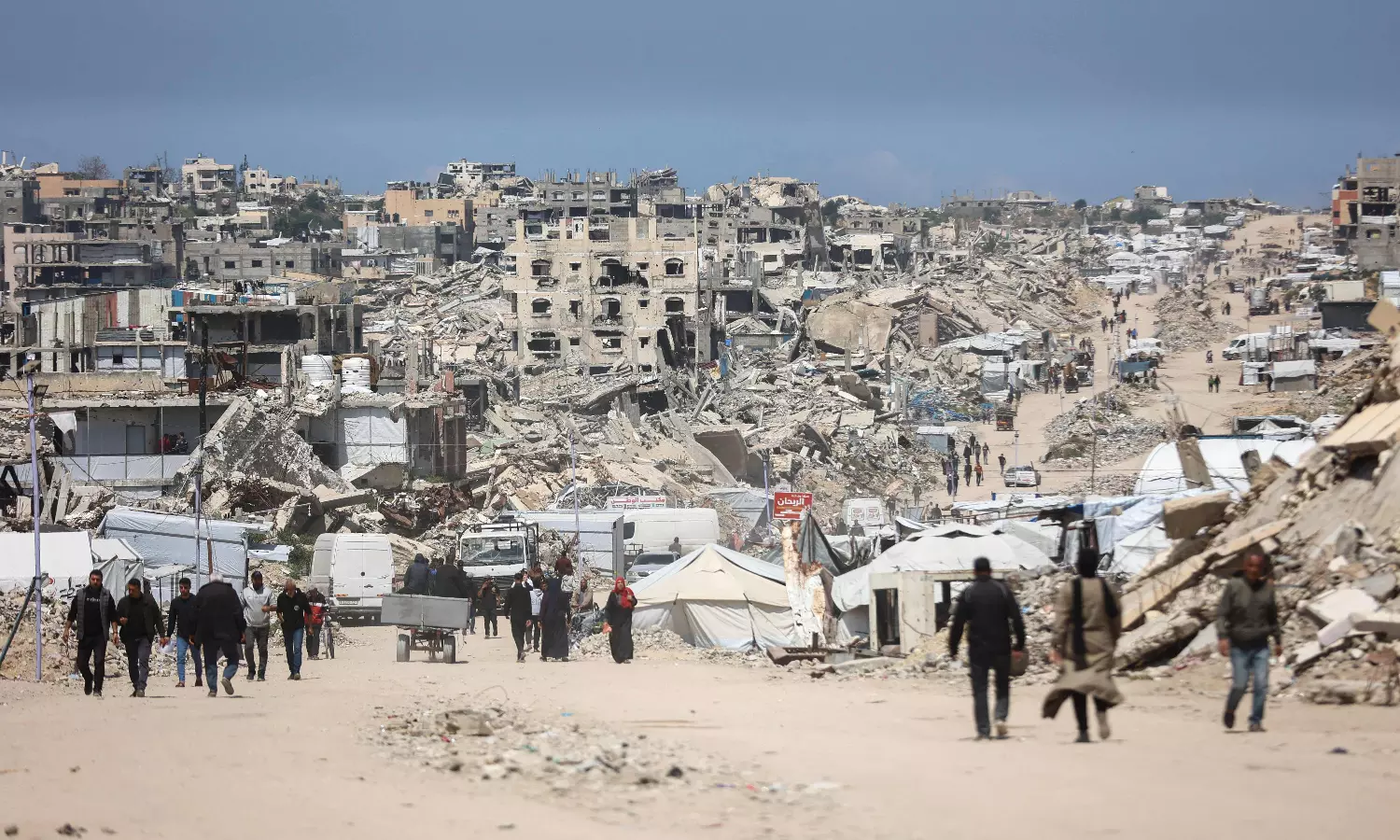
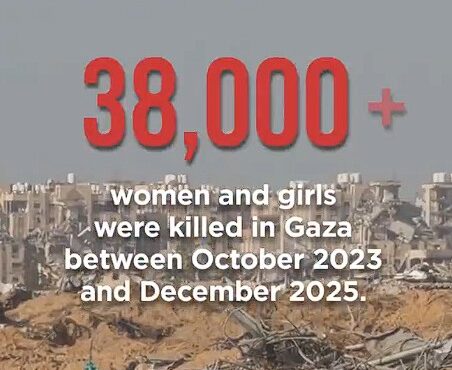
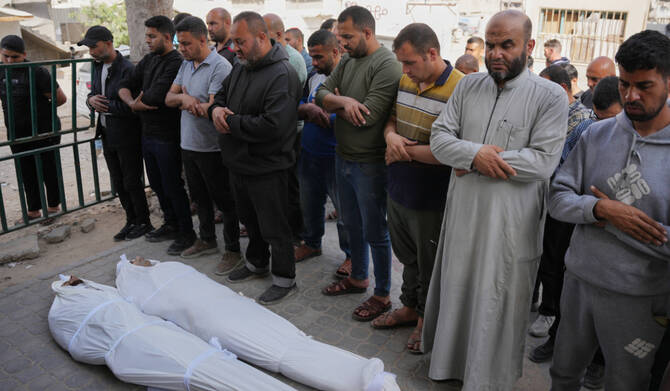
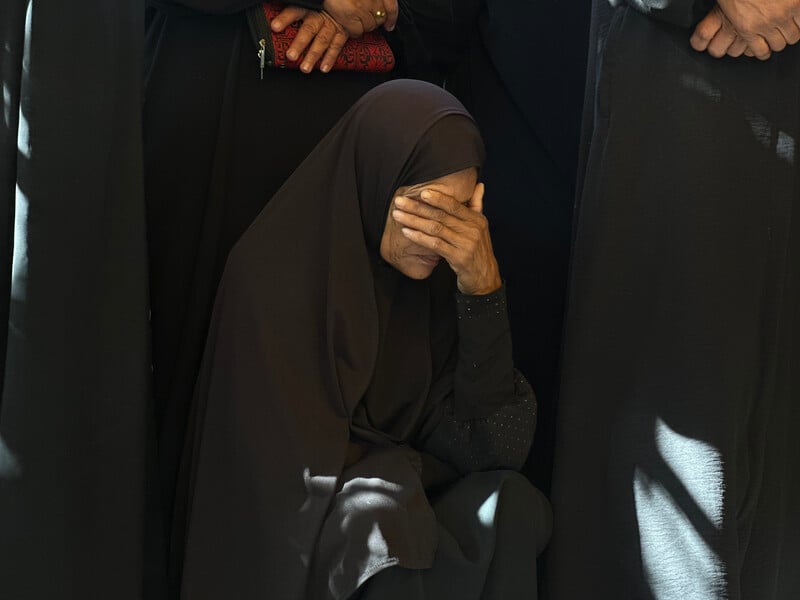
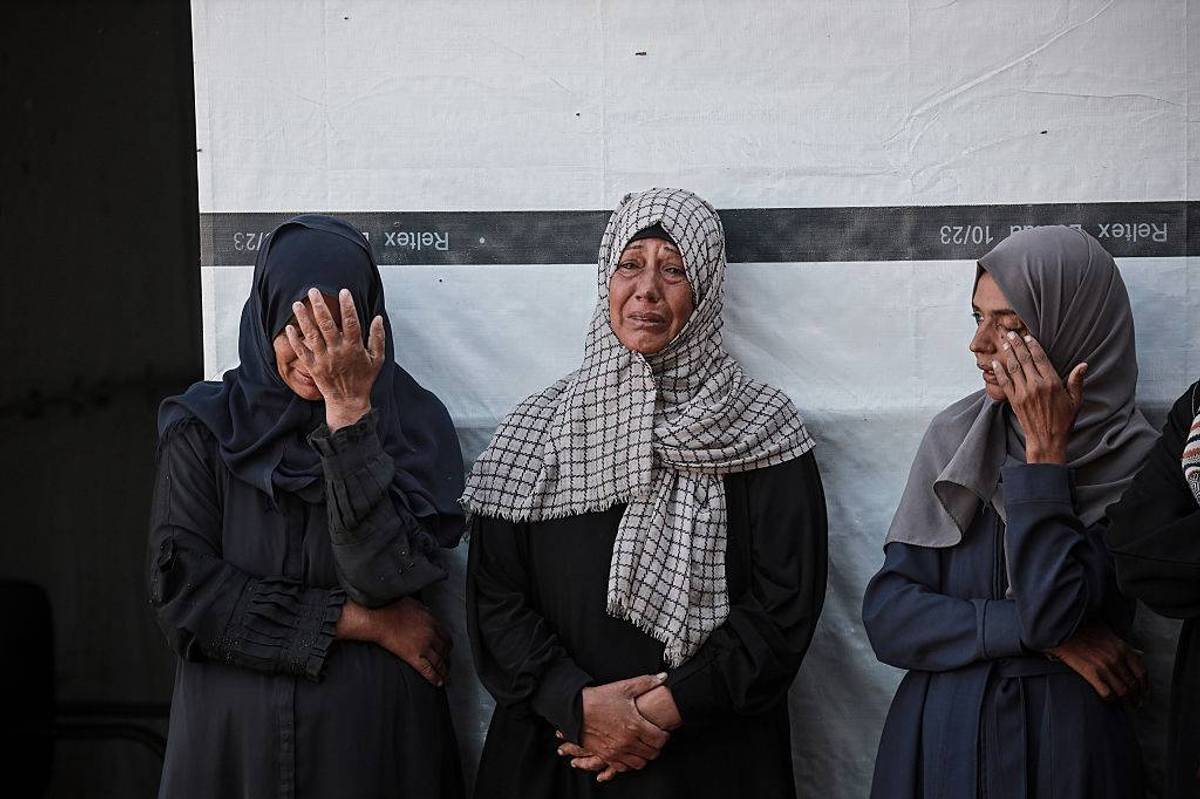
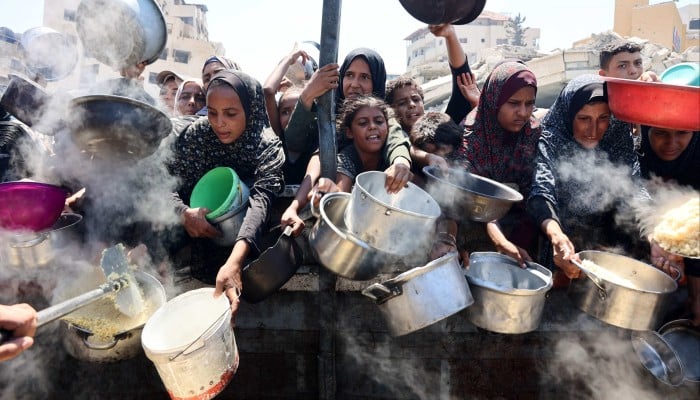
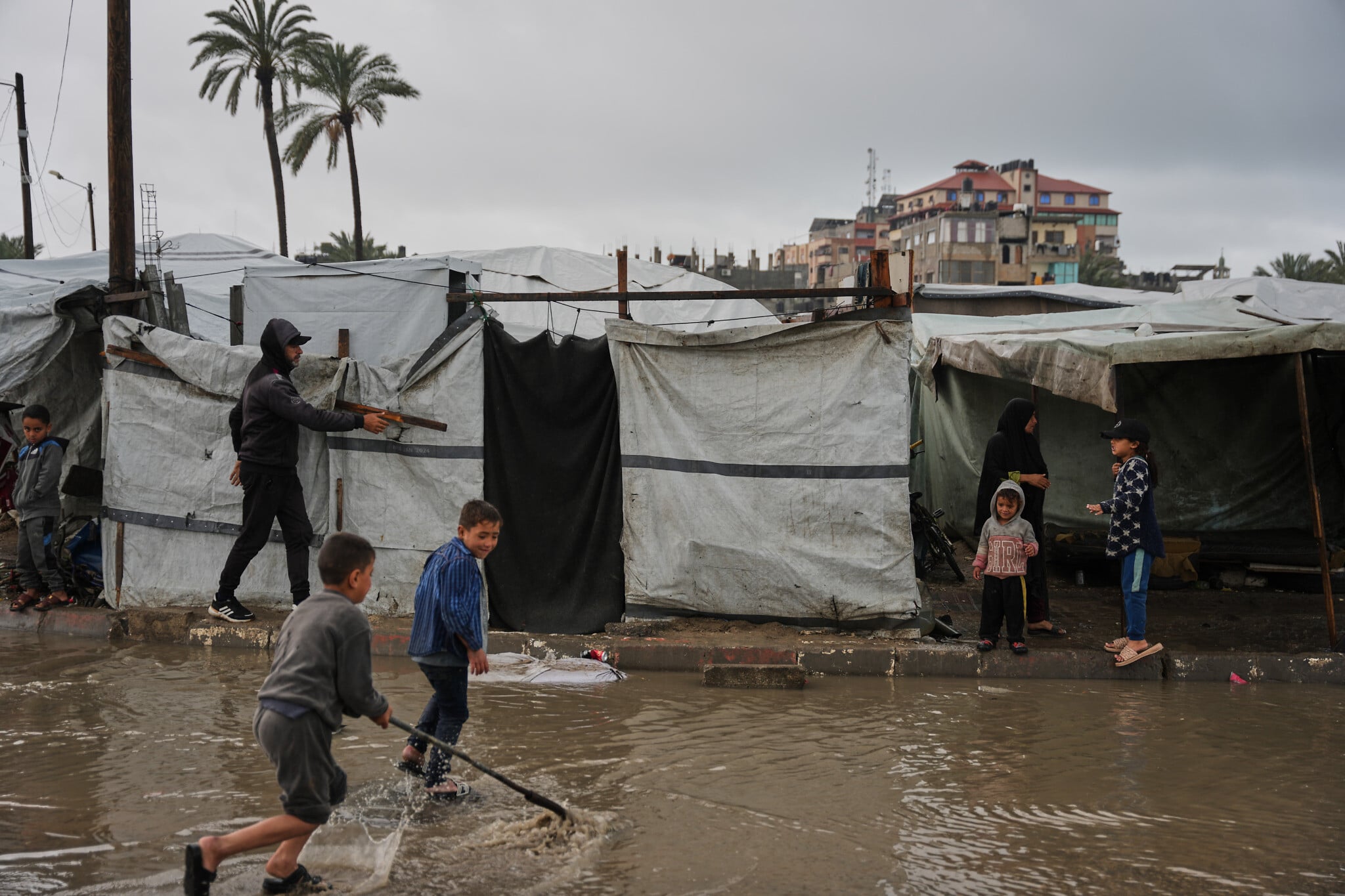
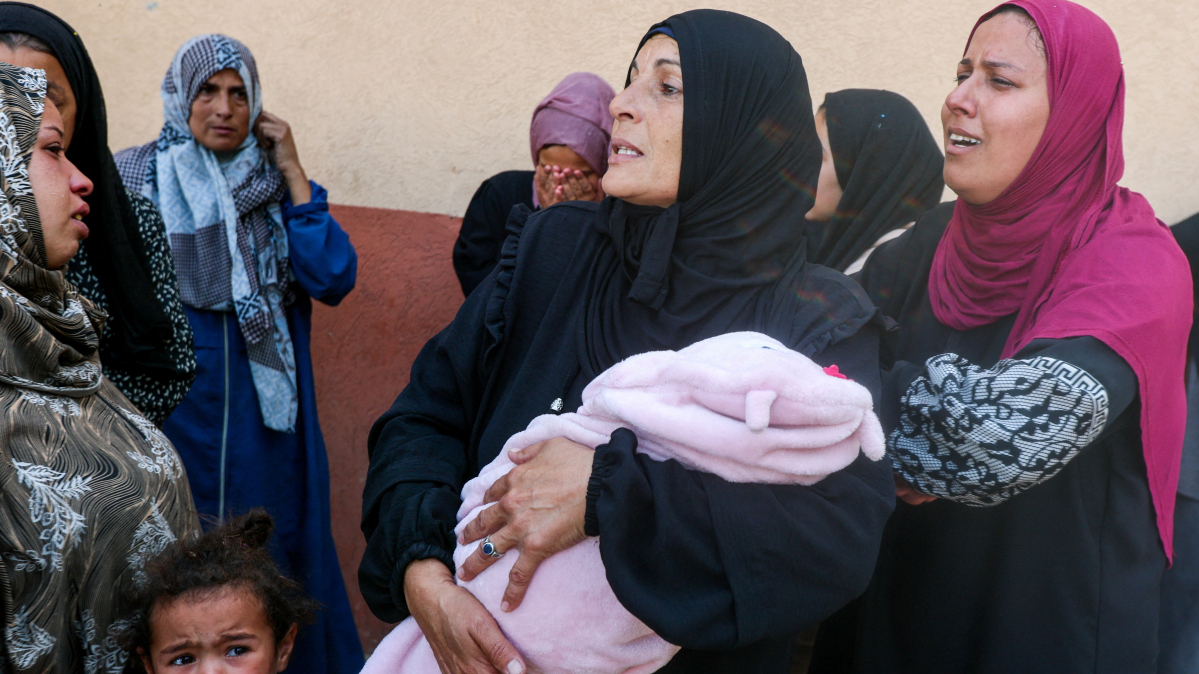
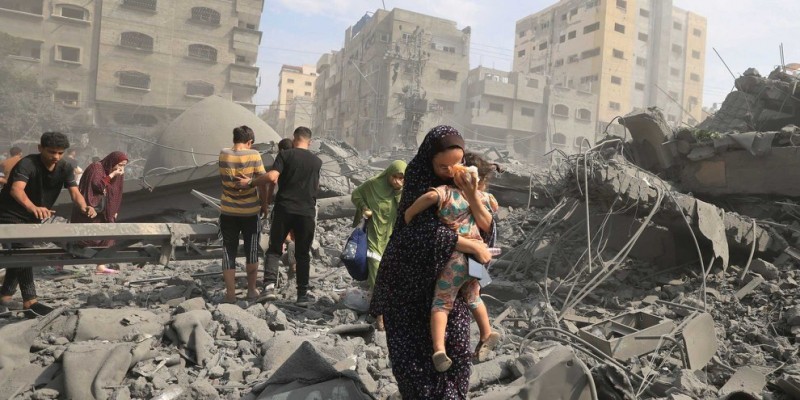
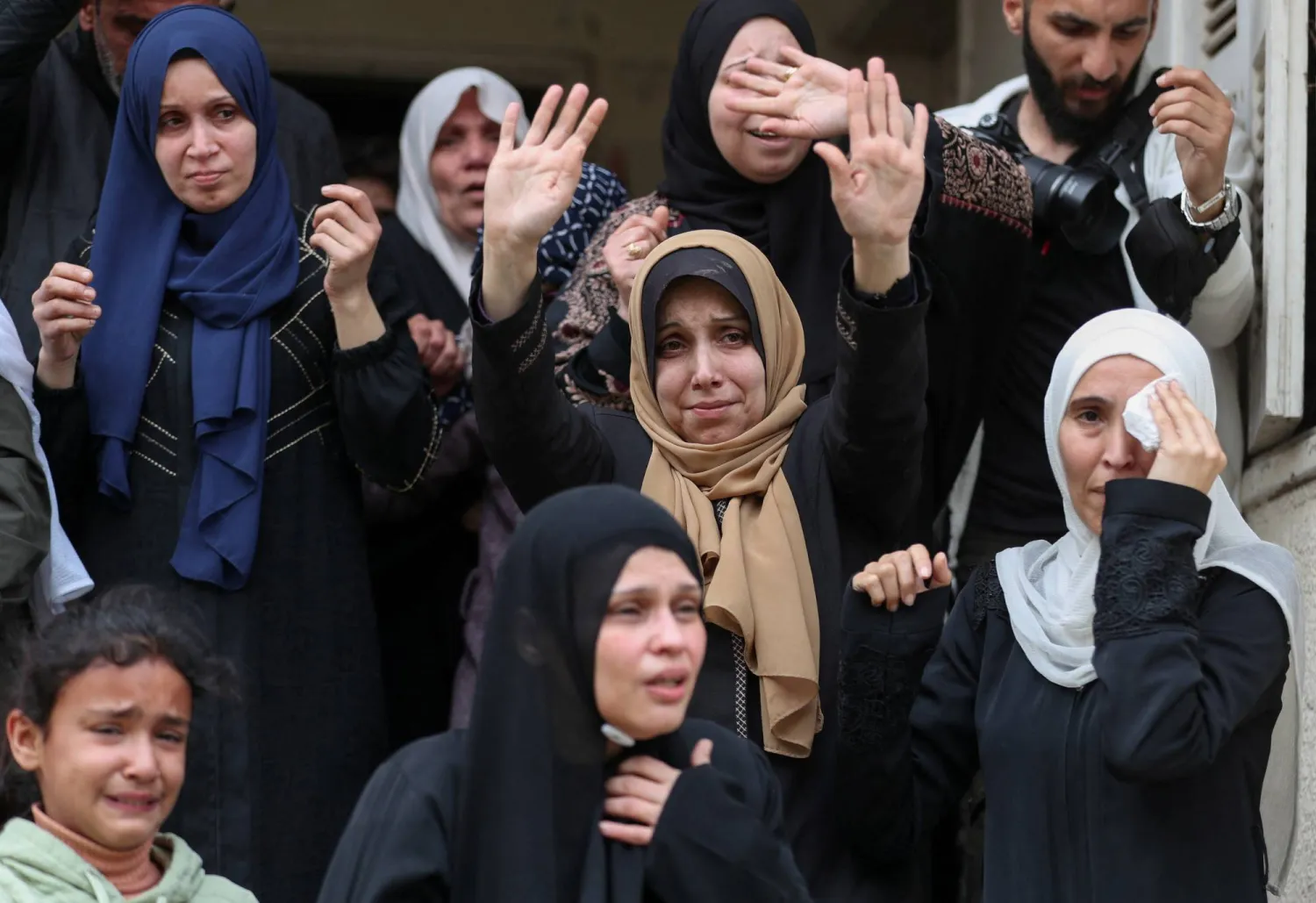
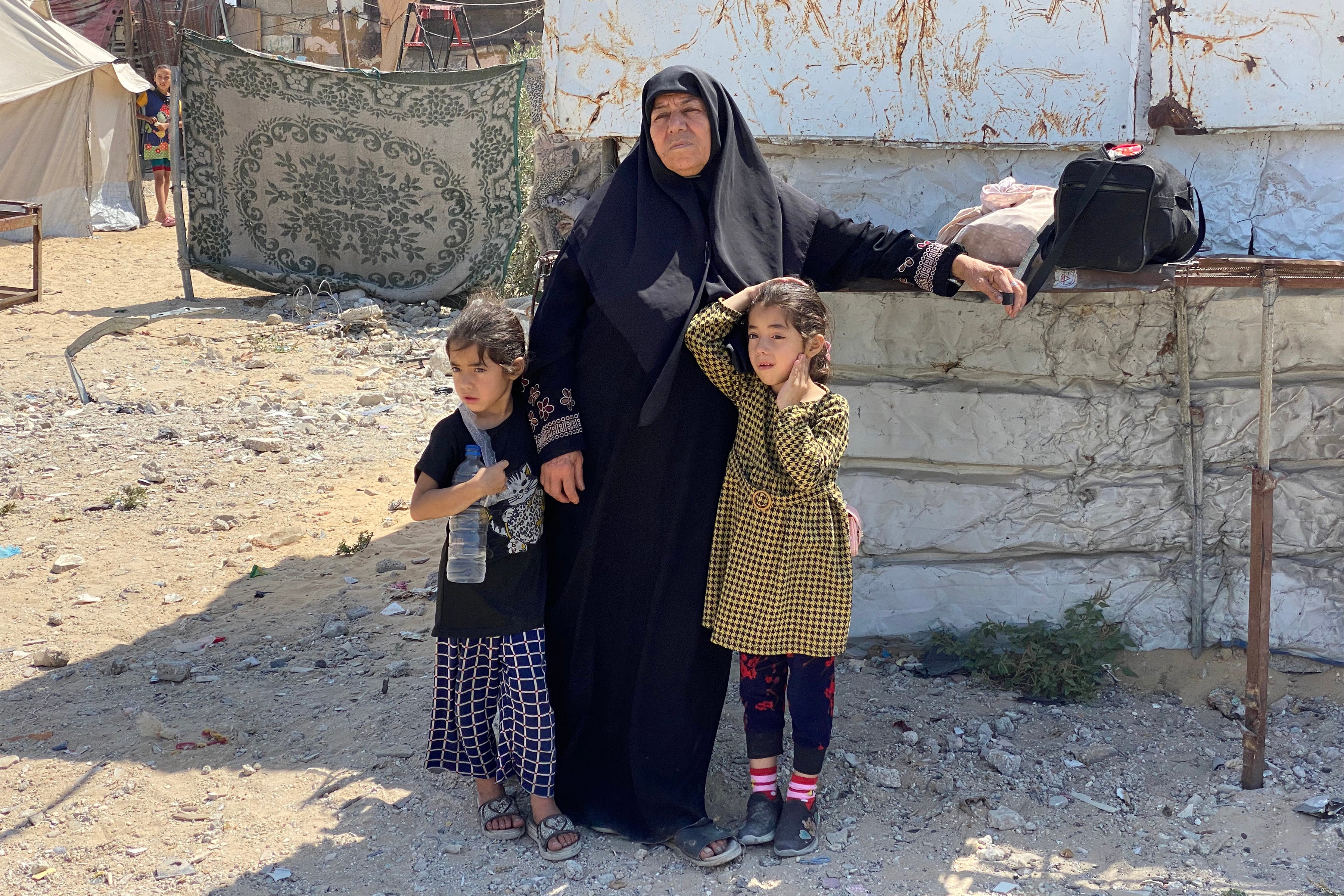
The April 2026 UN Women report documenting 38,000+ deaths (averaging 47 daily) and 1 million displaced women and girls in Gaza represents a critical humanitarian crisis that creates significant e-commerce opportunities in relief and medical product categories. While mainstream news frames this as a geopolitical issue, the underlying data reveals massive demand for essential supplies: medical equipment, hygiene products, water purification systems, emergency food, and maternal healthcare items. The WHO reports 500,000+ women lack access to antenatal care, postnatal care, and STI management—indicating urgent demand for telemedicine platforms, pharmaceutical products, and medical devices that sellers can supply through humanitarian channels.
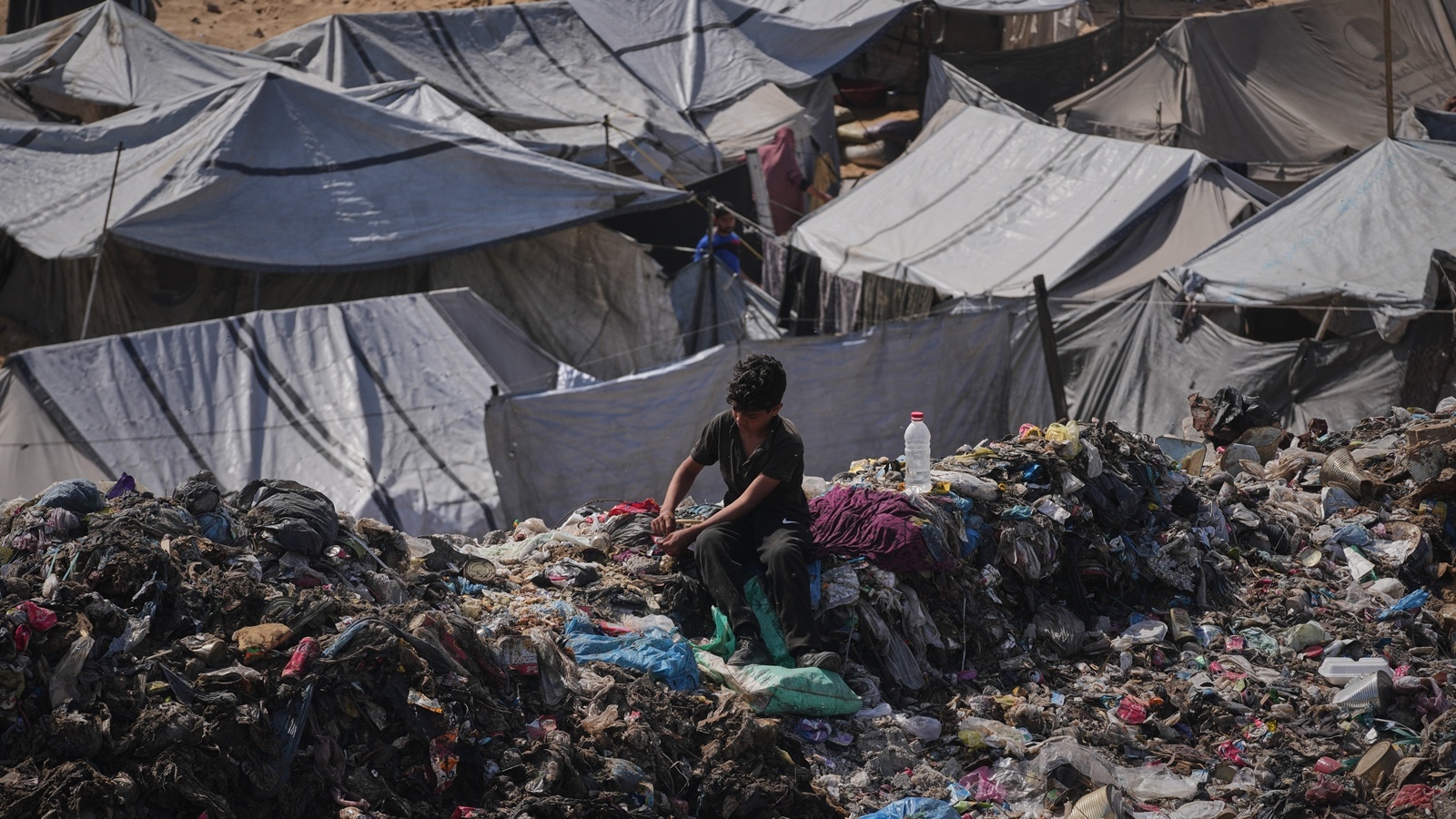
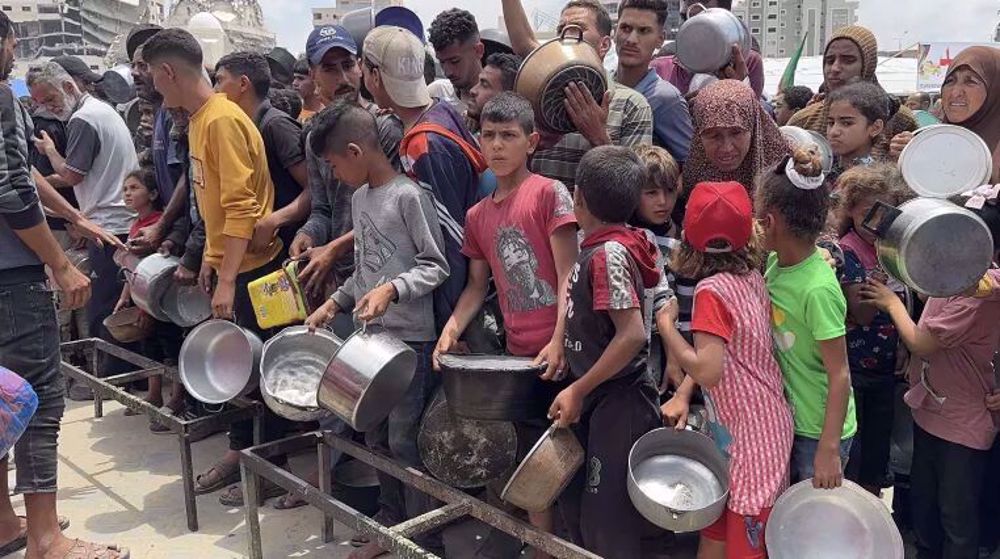
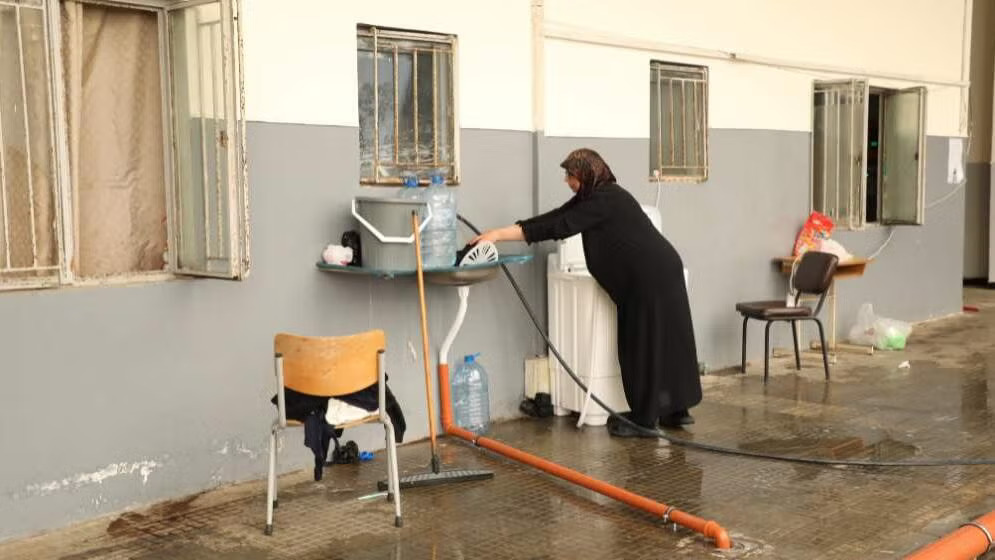
Market Opportunity Analysis: The displacement of 1 million women and girls creates demand across multiple product categories. Sellers specializing in medical supplies, water filtration systems, emergency food kits, and hygiene products can target humanitarian organizations, NGOs, and relief agencies purchasing in bulk. The infrastructure damage restricting healthcare access creates opportunities for sellers offering portable medical devices, diagnostic kits, and pharmaceutical products. Cross-border sellers can leverage platforms like GlobalGiving, Amazon Smile, and specialized humanitarian marketplaces to reach buyers focused on relief efforts. The ceasefire period (October 2025 onward) indicates stabilization allowing for supply chain operations into affected regions.
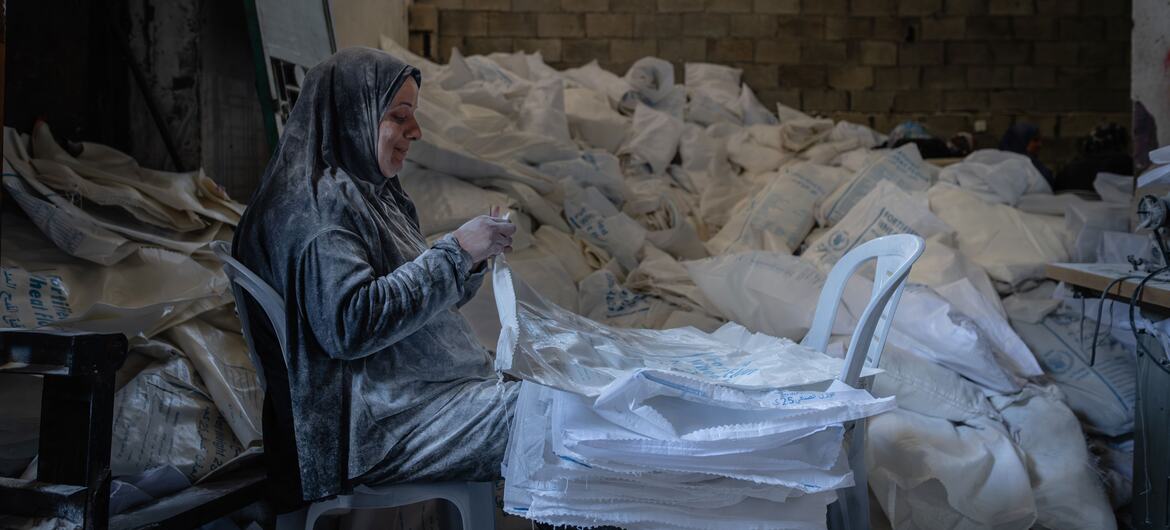
Seller Segments & Tactical Opportunities: Medical device sellers can target hospitals and clinics rebuilding infrastructure. Hygiene product manufacturers can supply bulk orders to NGOs and UN agencies. Food and nutrition sellers can develop emergency food kits optimized for displaced populations. Water purification companies can market portable filtration systems. Maternal healthcare sellers can emphasize products addressing the 500,000+ women lacking postnatal care access. Sellers should research humanitarian procurement channels, GSA schedules, and UN vendor registration to access institutional buyers. The data discrepancies noted by Gabriel Epstein (UN projections vs. health ministry figures) highlight the importance of accurate product specifications and documentation for institutional buyers requiring rigorous compliance.
Operational Considerations: Sellers entering humanitarian supply chains must navigate compliance requirements for medical products, customs documentation for conflict-affected regions, and certification standards for healthcare items. The fragile ceasefire and ongoing violations create logistics risks requiring insurance and contingency planning. Sellers should monitor ceasefire stability before committing inventory. Humanitarian buyers prioritize reliability and documentation—sellers must maintain detailed records and certifications. Consider partnerships with established NGOs and relief organizations to access institutional procurement channels and build credibility in this specialized market segment.
Questions 8
How can sellers develop product bundles for displaced population needs?
Effective humanitarian product bundles address specific population needs identified in the UN report: maternal healthcare (antenatal/postnatal care, STI management), hygiene (sanitation products for 1M+ displaced), water access (purification systems), and emergency nutrition. Sellers should research NGO procurement specifications and develop bundles matching standard humanitarian supply packages. Example bundles: maternal health kits (prenatal vitamins, delivery supplies, postpartum care items), hygiene kits (sanitary products, soap, water containers), water purification bundles (filters, testing kits, storage containers), emergency food kits (shelf-stable nutrition, infant formula, medical foods). Bundles should include multilingual instructions and comply with medical/food regulations. Pricing should reflect bulk institutional discounts (20-40% below retail). Market bundles through humanitarian platforms with clear impact messaging: 'supports X women' or 'provides Y months of healthcare access.' Sellers should validate bundle specifications with NGO partners before scaling production.
What logistics risks exist when shipping to conflict-affected regions?
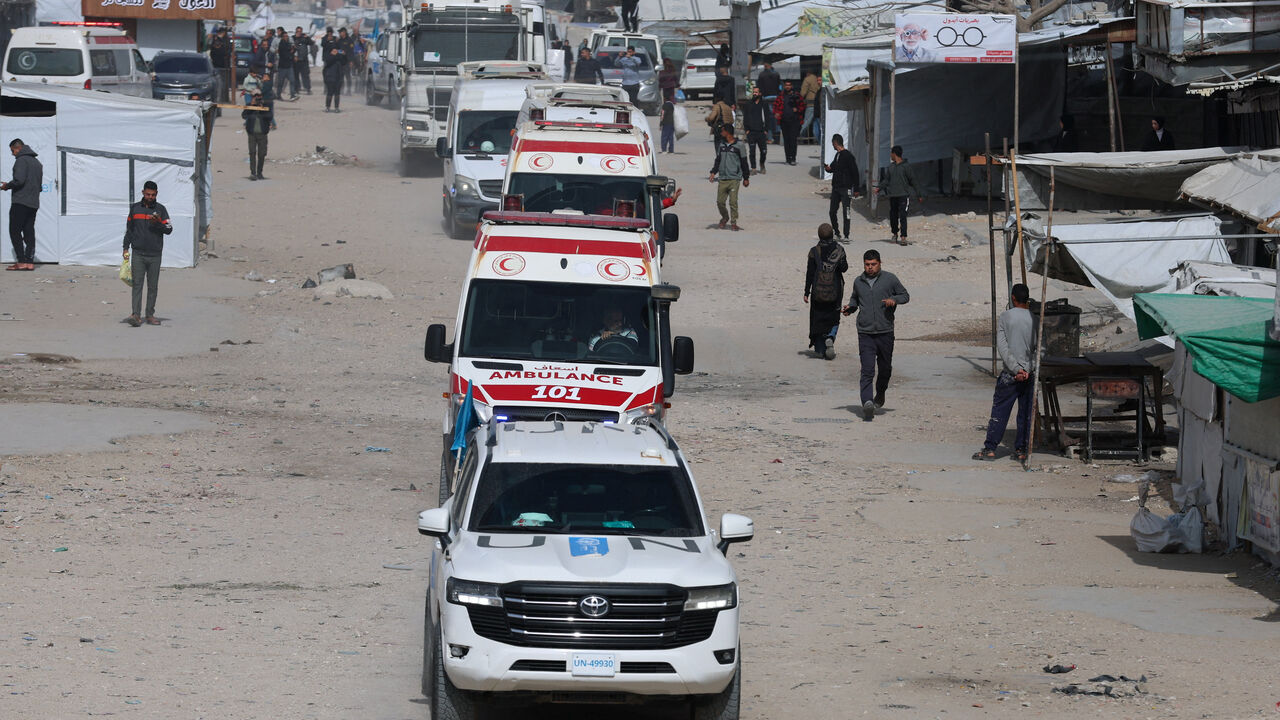
Conflict-affected regions present significant logistics challenges: infrastructure damage restricts delivery routes, ceasefire violations create supply chain disruptions, and customs clearance delays are common. The Gaza ceasefire (October 2025 onward) remains fragile with ongoing violations reported. Sellers should obtain comprehensive insurance covering conflict-related losses and implement contingency planning. Working through established humanitarian logistics providers (UN agencies, Red Cross) reduces risk but increases costs. Sellers must verify recipient organizations' legitimacy and maintain detailed shipping documentation. Consider pre-positioning inventory in stable neighboring regions before final delivery. Monitor ceasefire stability and geopolitical developments before committing significant inventory. Partnerships with experienced humanitarian logistics firms provide expertise navigating complex regional regulations and security considerations.