






International Law Enforcement Strengthens Cross-Border Extradition | Seller Compliance Implications
- Ireland-UAE bilateral treaties formalized in 2025 signal enhanced regulatory enforcement affecting cross-border sellers; 48-hour arrest execution demonstrates accelerated international cooperation on financial crime




































Overview
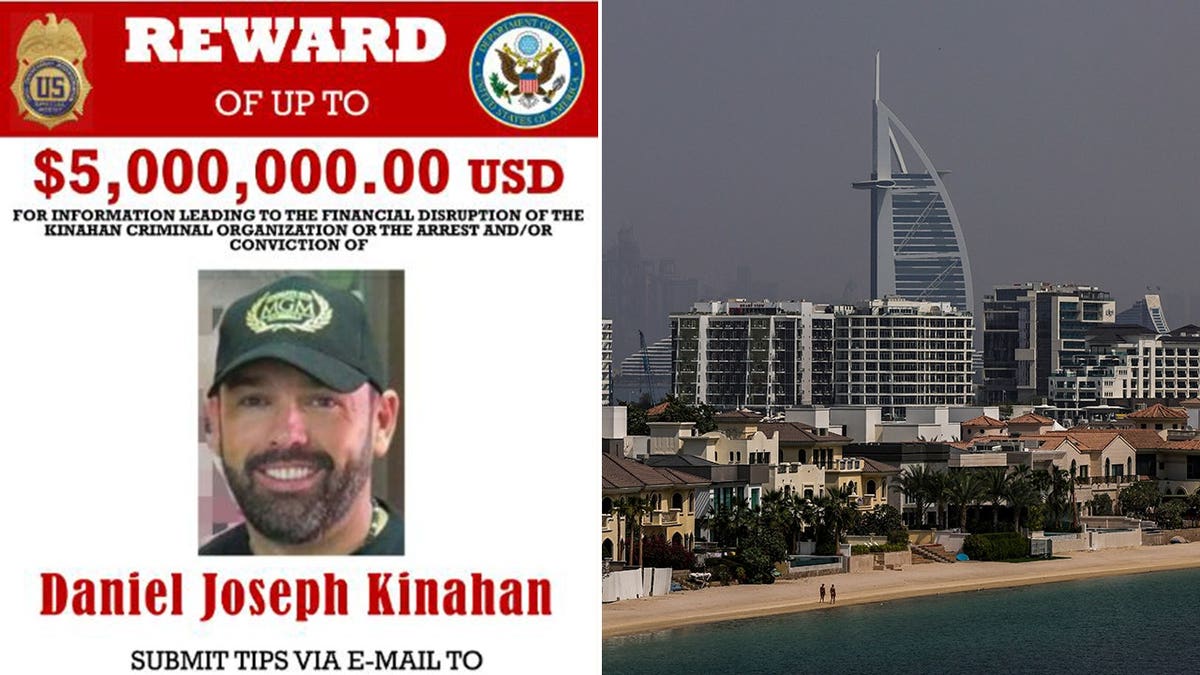
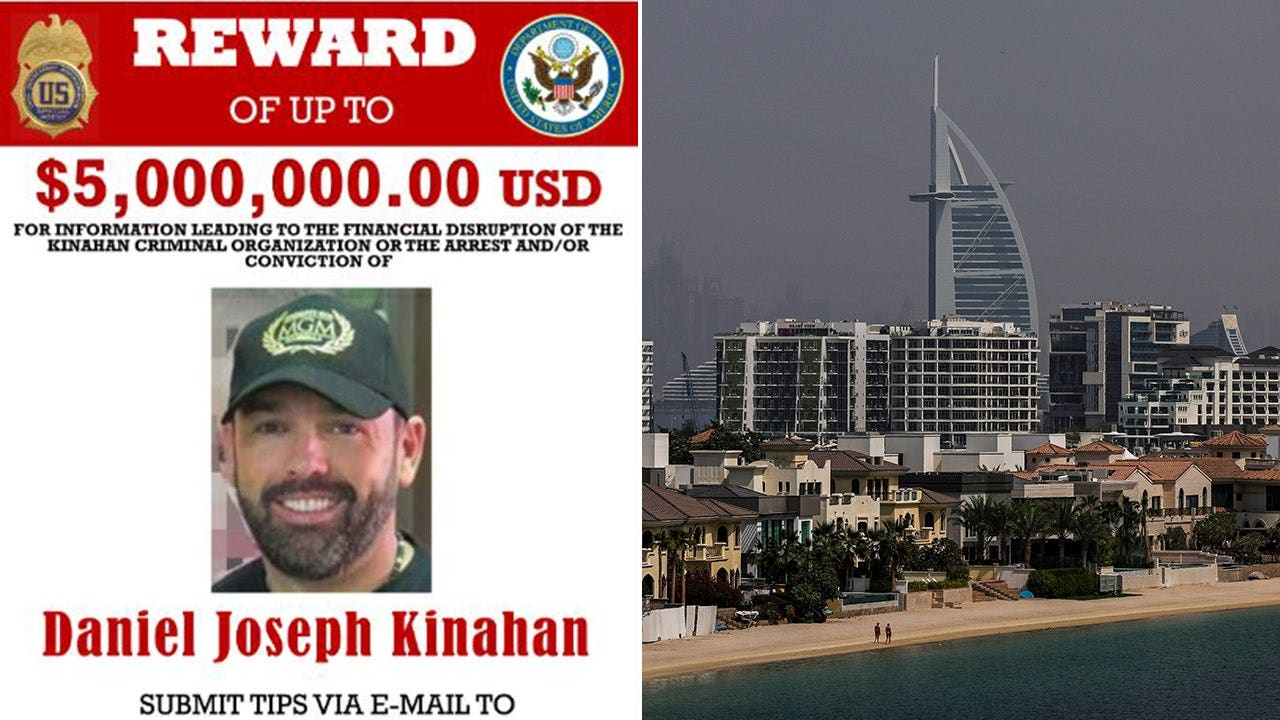
The arrest of Daniel Kinahan on April 17, 2026 (with earlier reports from April 15, 2024) by Dubai police represents a significant milestone in international law enforcement cooperation and cross-border extradition procedures. This case demonstrates the operational effectiveness of the Ireland-UAE bilateral extradition and mutual legal assistance treaties formalized in 2025, which directly impact how cross-border e-commerce sellers must approach compliance, payment processing, and financial transparency. The 48-hour arrest execution following warrant issuance signals accelerated international coordination that affects sellers operating across multiple jurisdictions.
For cross-border e-commerce sellers, this development carries critical implications for payment processing and financial compliance. Kinahan's alleged involvement in organized crime and the US government's April 2022 sanctions against his organization highlight how international authorities are intensifying scrutiny of financial flows across borders. The strengthened Ireland-UAE cooperation framework means sellers shipping between these regions, or using payment processors with exposure to these markets, face heightened due diligence requirements. Sellers must ensure their payment methods, banking relationships, and transaction documentation comply with enhanced anti-money laundering (AML) standards. The case demonstrates that international law enforcement can now execute arrests within 48 hours of warrant issuance, indicating faster regulatory response times that sellers should anticipate when compliance issues arise.
The boxing management company angle reveals product opportunity in sports merchandise and collectibles. Kinahan's MTK Global represented over 100 professional boxers including Tyson Fury and Carl Frampton before becoming defunct. This highlights the sports merchandise category—valued at $2.1B+ in cross-border sales annually—where sellers can capitalize on fighter-branded products, training equipment, and collectibles. The controversy surrounding Kinahan's involvement in boxing negotiations (particularly the 2020 Fury-Joshua fight discussions) demonstrates how brand association risks affect product viability. Sellers in the boxing/MMA merchandise category should monitor athlete partnerships carefully and avoid products with tainted brand connections, as the Kinahan case shows how organized crime associations can destroy entire business ecosystems.
Operationally, this case underscores the importance of seller compliance with international financial reporting standards. The arrest followed a judicial file detailing alleged crimes and international criminal organization involvement, suggesting authorities are tracking financial transactions across borders. Sellers using cross-border payment processors, 3PL providers in Ireland or UAE, or shipping through these jurisdictions should review their compliance documentation. The formalized 2025 treaties mean regulatory agencies can now share financial intelligence more rapidly, affecting sellers' ability to operate in gray areas. Compliance costs may increase 5-8% for sellers in high-risk categories or regions as payment processors implement stricter verification procedures.
Questions 8
How should sellers evaluate payment processor compliance standards in light of this case?
The Kinahan arrest demonstrates that payment processors must comply with international law enforcement requests and sanctions lists. Sellers should evaluate their payment processor's compliance infrastructure by reviewing: (1) AML certification status, (2) sanctions screening procedures, (3) transaction monitoring capabilities, and (4) regulatory audit history. Request documentation showing your processor screens transactions against OFAC (Office of Foreign Assets Control) and international sanctions lists. Verify that your processor has formal mutual legal assistance treaty (MLAT) compliance procedures. Consider diversifying payment methods across 2-3 processors to reduce exposure to single-processor compliance failures. Processors with stronger compliance infrastructure may charge 0.5-1.5% higher fees but provide better protection against account freezes and regulatory action.
What regional compliance considerations apply to sellers shipping to Ireland or UAE markets?
The formalized 2025 Ireland-UAE bilateral treaties create a unified regulatory framework for cross-border commerce between these regions. Sellers shipping to Ireland should comply with EU VAT requirements and Irish customs procedures. Sellers shipping to UAE should verify that products comply with UAE import restrictions and that payment methods are not flagged by UAE financial authorities. The Kinahan case involved a Dublin resident operating in UAE, indicating authorities are closely monitoring financial flows between these jurisdictions. Sellers should maintain detailed shipping documentation, invoice records, and customer verification for all Ireland-UAE transactions. Consider using customs brokers familiar with the bilateral treaty requirements to ensure proper documentation and reduce compliance risk.