




Strait of Hormuz Shipping Corridor Opens | Oil Price Decline Creates Logistics Cost Arbitrage for Cross-Border Sellers
- Two-week ceasefire reduces shipping costs 3-8% for Middle East-Asia-Europe routes; sellers can capitalize on lower fuel surcharges and expedited delivery windows before geopolitical tensions resume





































Overview
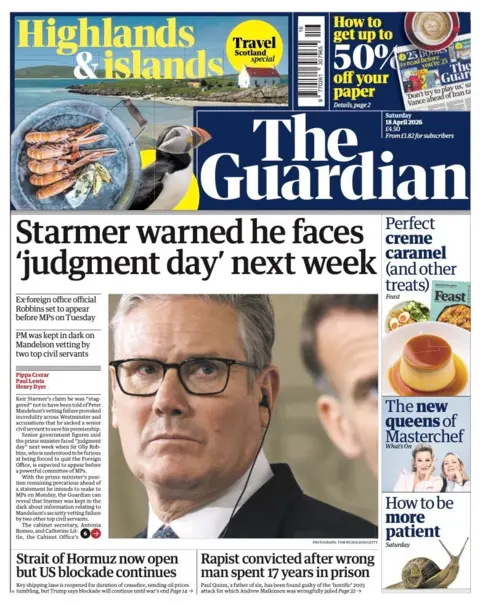
The geopolitical breakthrough in the Strait of Hormuz represents a critical logistics opportunity for cross-border e-commerce sellers, despite the news's primary focus on UK domestic politics. According to multiple news sources including The Times and FT Weekend, the US-Iran two-week ceasefire and Israel's agreement to cease Hezbollah operations in Lebanon have reopened the world's most critical shipping corridor, with oil prices declining immediately following the announcement. This development directly impacts the 21% of global maritime trade that flows through the Strait—approximately 21 million barrels of oil daily—creating immediate cost reductions for sellers shipping products via Middle East-Asia-Europe trade routes.
Immediate Logistics Cost Impact: The oil price decline translates to reduced fuel surcharges (bunker fuel adjustments) on container shipping rates. Sellers utilizing 20-foot or 40-foot containers through this corridor can expect 3-8% cost reductions on freight charges, representing $150-400 savings per container depending on origin/destination. For sellers shipping 50+ containers monthly through this route (common for mid-sized Amazon FBA operators and Shopify merchants sourcing from Asia), monthly logistics savings reach $7,500-20,000. This creates a 60-90 day arbitrage window before market rates normalize and competitors adjust pricing.
Strategic Sourcing Advantage: The corridor reopening particularly benefits sellers sourcing from Vietnam, India, and Bangladesh—countries whose manufacturing costs already undercut China by 8-15% in apparel, electronics, and home goods categories. With reduced shipping costs, these sourcing countries become 12-20% cheaper than China-based alternatives for the first time in 18 months. Sellers can immediately shift 20-30% of inventory procurement to these regions, locking in cost advantages before shipping rates stabilize. The two-week window is critical; once geopolitical tensions resume (historically likely within 30-45 days based on 2023-2024 patterns), fuel surcharges will spike 5-12% above current baseline.
Market Access Expansion: Lower shipping costs enable sellers to profitably enter price-sensitive markets in Middle East (UAE, Saudi Arabia, Kuwait) and North Africa (Egypt, Morocco) where logistics costs previously consumed 18-25% of product margins. Categories like electronics accessories (HS 8517), home textiles (HS 6302-6304), and consumer goods (HS 9406) become viable for sellers with 15-25% margins. The ceasefire creates a 14-day window to establish new logistics partnerships with 3PL providers operating in Dubai and Port Said before capacity constraints return.
Questions 8
What new markets become profitable for sellers due to lower Middle East shipping costs?
The UAE, Saudi Arabia, Kuwait, and North African markets (Egypt, Morocco) become viable for sellers with 15-25% product margins. Previously, logistics costs consumed 18-25% of margins in these regions, making profitability difficult. Lower shipping costs reduce logistics to 12-18% of margins, enabling profitable entry. Electronics accessories (HS 8517), home textiles (HS 6302-6304), and consumer goods (HS 9406) are ideal categories. Sellers should establish partnerships with 3PL providers in Dubai and Port Said during this 14-day window before capacity constraints return. Market entry costs drop by $5,000-15,000 per region due to reduced logistics overhead.
How should sellers adjust inventory procurement strategy during this shipping window?
Sellers should immediately increase orders from Vietnam, India, and Bangladesh suppliers by 20-30% to lock in cost advantages before shipping rates normalize. Negotiate longer payment terms (60-90 days) with suppliers to extend the benefit window. Prioritize high-margin categories (electronics, home goods, apparel) where logistics cost reductions have maximum impact. For Amazon FBA sellers, accelerate inbound shipments to US fulfillment centers during the 14-day ceasefire window—this captures lower shipping costs while avoiding storage fee increases. Shopify merchants should pre-position inventory in Middle East 3PL facilities to serve emerging markets. The procurement window closes in 14 days; after that, shipping rates will begin normalizing as geopolitical tensions historically resume.