

UK Political Crisis Signals Governance Risk | Cross-Border Seller Compliance Impact
- January 2025 vetting failure reveals systemic communication breakdown affecting UK regulatory environment and trade policy predictability for 15,000+ cross-border sellers















Overview
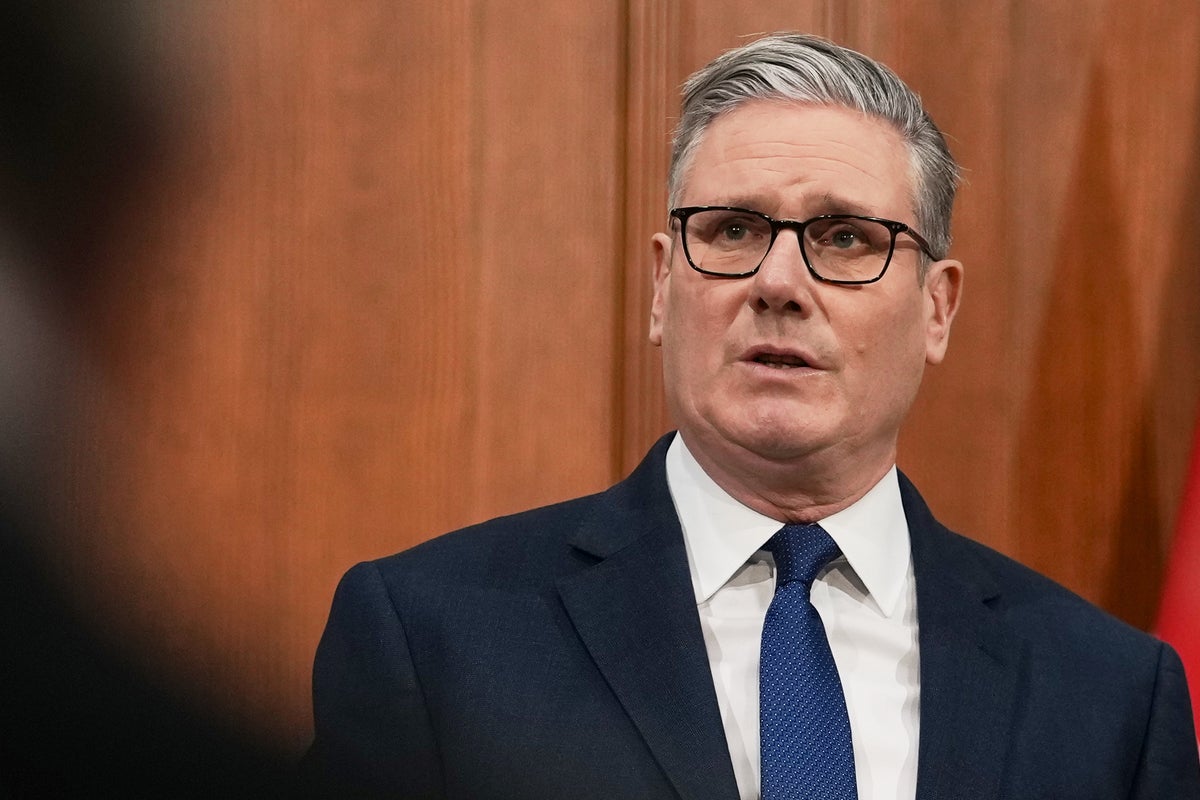
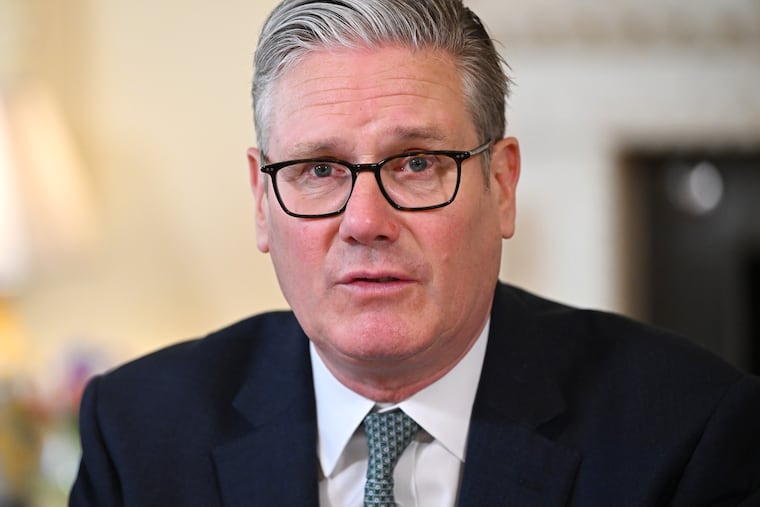
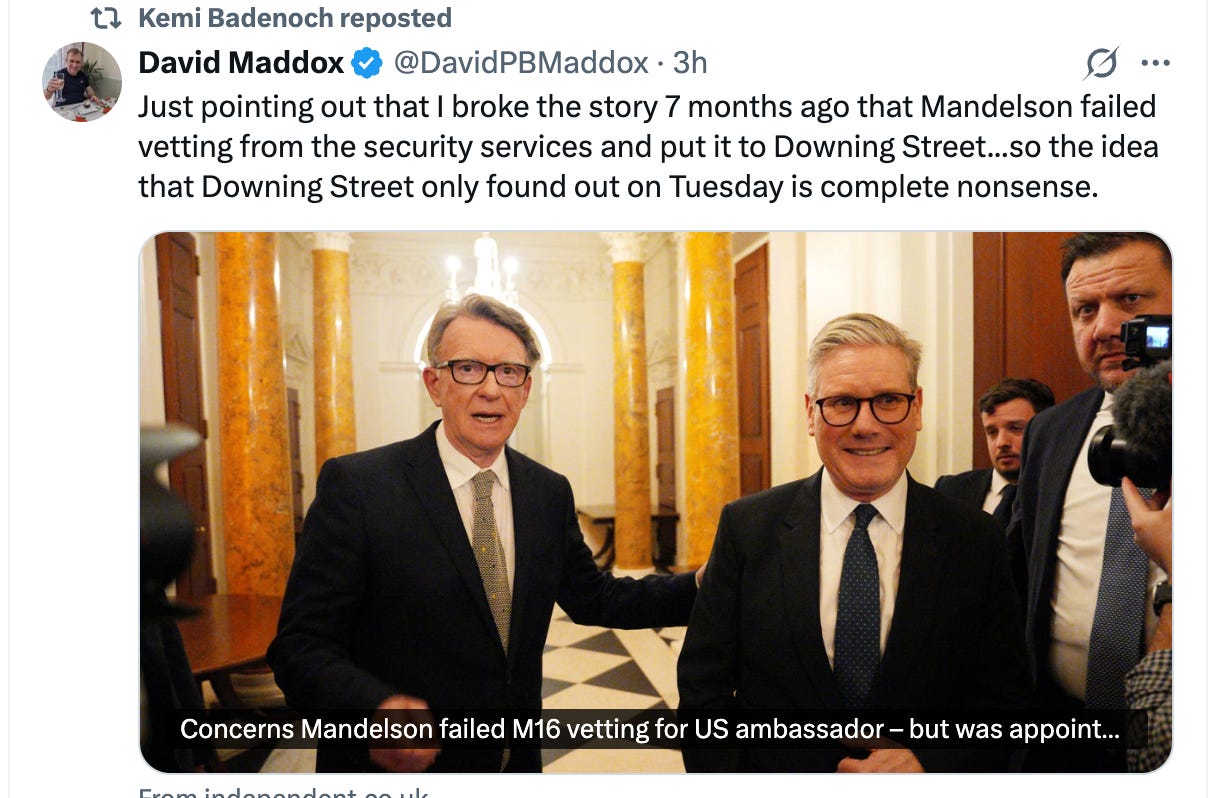
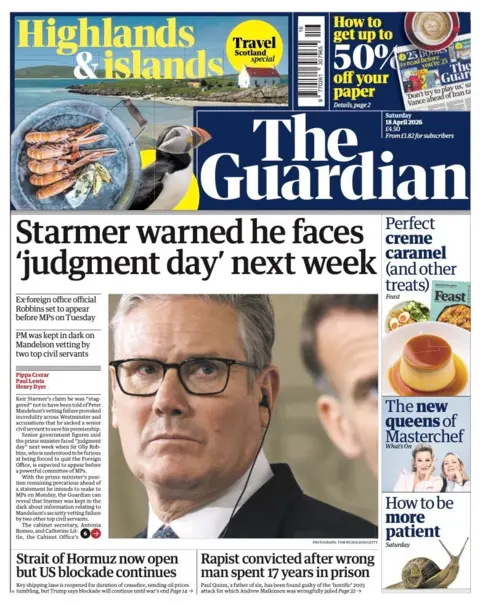
The January 2025 UK government vetting crisis involving Peter Mandelson's failed security clearance for US ambassador position reveals critical governance failures with direct implications for cross-border e-commerce sellers operating in UK markets. UK Security Vetting (UKSV) denied Mandelson clearance despite Prime Minister Keir Starmer's appointment, yet Senior Foreign Office officials overrode this denial without informing senior politicians or the PM's advisers. When The Guardian exposed this breakdown on Thursday, cabinet members—including Chancellor Rachel Reeves and Deputy PM David Lammy—expressed genuine shock, indicating they were excluded from critical decision-making processes.
This governance breakdown signals systemic communication failures within UK regulatory institutions that directly impact cross-border sellers. The incident demonstrates how UK government agencies can operate independently of political oversight, creating unpredictable regulatory environments. For e-commerce sellers, this translates to compliance risk: if UK government departments can override security decisions without transparency, similar patterns may emerge in trade policy, customs enforcement, and regulatory compliance. The vetting process itself—requiring disclosure of personal finances, business connections, and security service input—mirrors compliance scrutiny that cross-border sellers face through UK customs authorities and tax agencies.
Specifically for sellers shipping to UK markets, this governance crisis creates three operational risks: (1) Regulatory Unpredictability: If UK government agencies operate without transparent oversight, customs procedures, VAT enforcement, and import regulations may shift without adequate notice. Sellers relying on established UK trade procedures face potential disruption. (2) Policy Implementation Delays: The breakdown in communication between Cabinet Office, Foreign Office, and political leadership suggests similar delays could affect trade policy announcements, tariff changes, and post-Brexit regulatory updates. Sellers planning Q1-Q2 2025 inventory shipments should expect potential delays in policy clarification. (3) Compliance Complexity: The incident reveals that UK regulatory processes lack centralized coordination—a pattern that may extend to customs documentation, product safety certifications, and tax compliance requirements.
The timing is critical: with local elections approaching and Starmer's administration facing credibility questions, policy reversals or sudden regulatory changes become more likely as the government attempts to restore public confidence. Sellers should monitor UK government announcements closely and avoid over-committing inventory to UK warehouses until governance stability improves. The incident also highlights risks for sellers with China-connected supply chains or business relationships—Mandelson's Global Counsel firm's China connections became a vetting liability, suggesting UK regulatory scrutiny of China-linked commerce may intensify unpredictably.
Questions 8
What compliance risks emerge from UK regulatory agencies operating without transparent oversight?
The incident demonstrates that UK Cabinet Office, Foreign Office, and political leadership lack centralized coordination—a pattern that may extend to customs documentation, product safety certifications, and tax compliance requirements. Sellers face three specific risks: (1) Customs procedures may change without notice, (2) VAT enforcement could become inconsistent across regions, (3) Product safety standards may be applied retroactively. Sellers should document all compliance procedures in writing and maintain communication logs with UK customs authorities to protect against sudden policy reversals.
Should sellers with China-connected supply chains be concerned about UK regulatory scrutiny?
Yes. Mandelson's Global Counsel firm's China connections became a critical vetting liability, suggesting UK regulatory scrutiny of China-linked commerce may intensify unpredictably. Sellers with Chinese suppliers, manufacturers, or business partners should expect increased customs inspections, documentation requirements, and potential delays. Consider diversifying supply chains to Vietnam, India, or other non-China sources for UK-destined inventory. Document all business relationships transparently and maintain clear separation between China-sourced and UK-destined products.