


UK Political Crisis Signals Policy Uncertainty | Cross-Border Sellers Face Regulatory Risk
- January 2025 government breakdown threatens trade policy continuity; sellers relying on UK-US trade agreements face 6-12 month implementation delays






















Overview
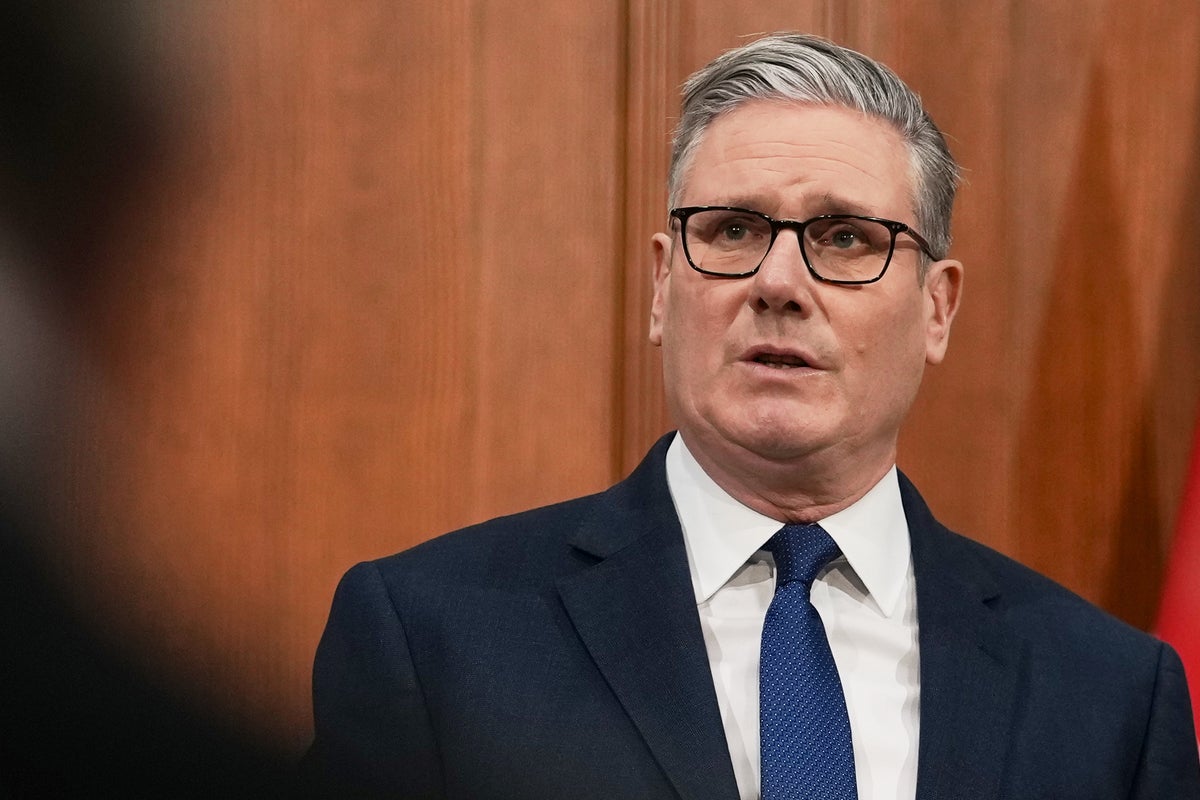
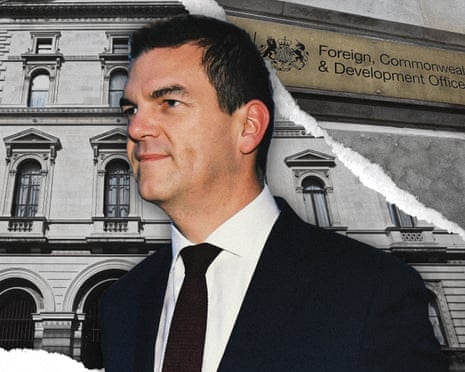
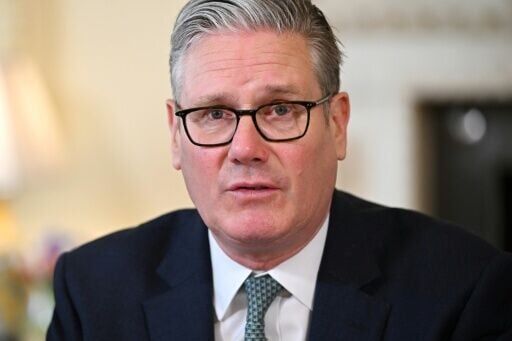
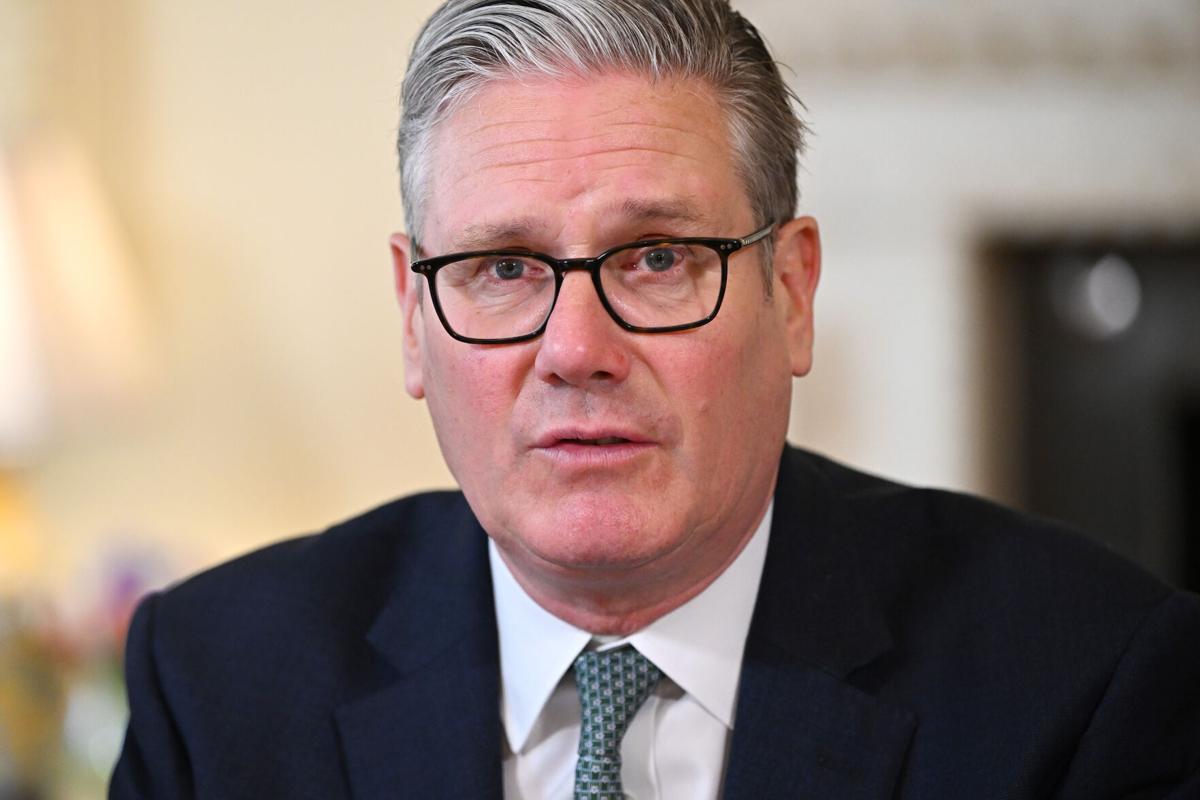
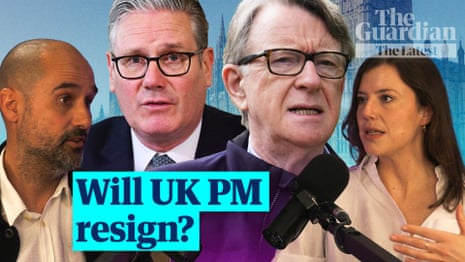
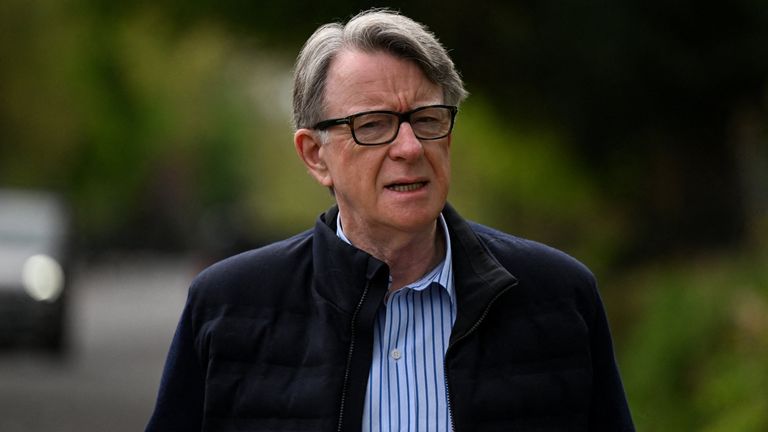
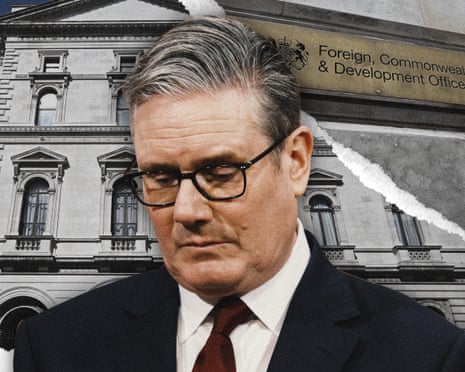
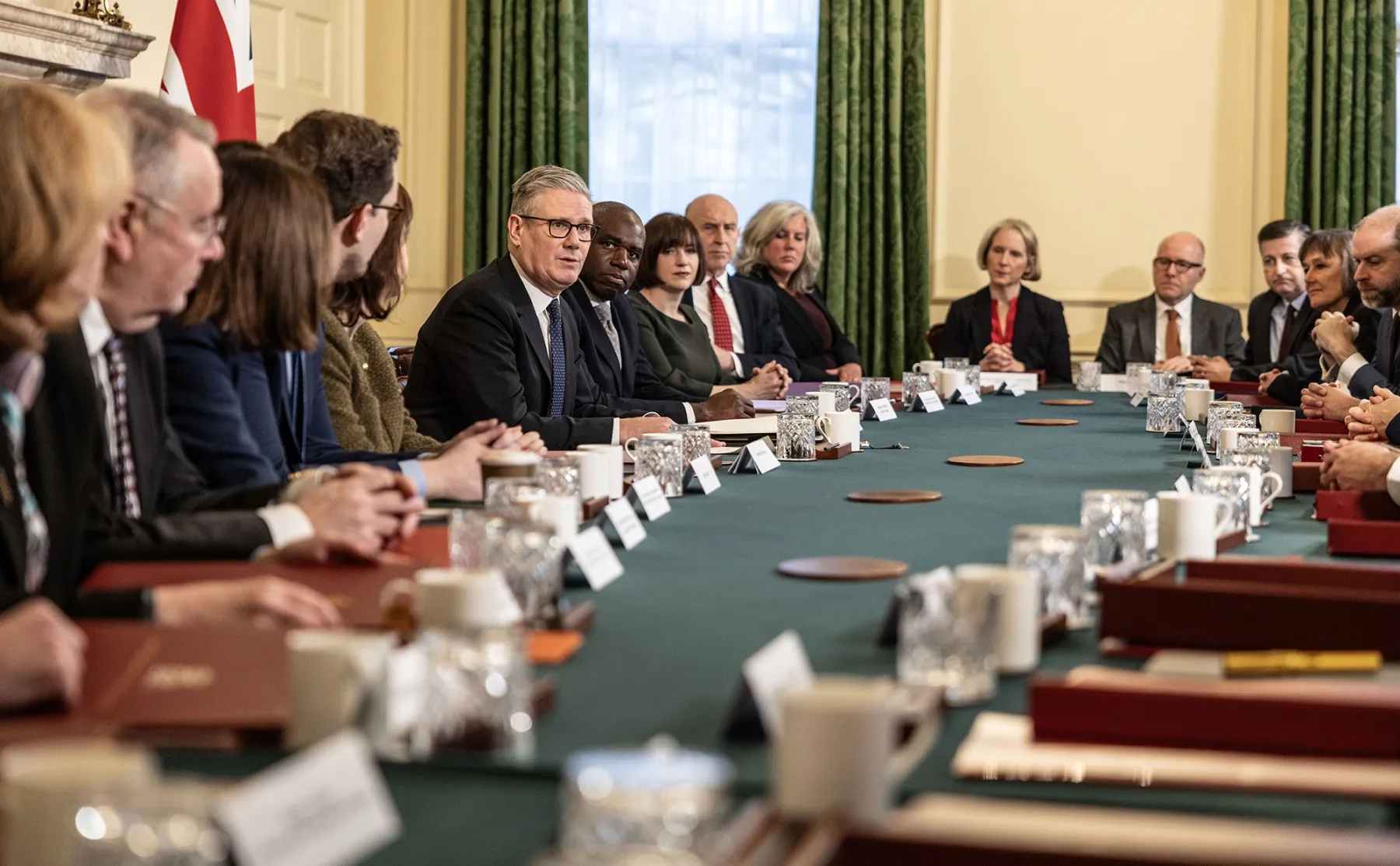
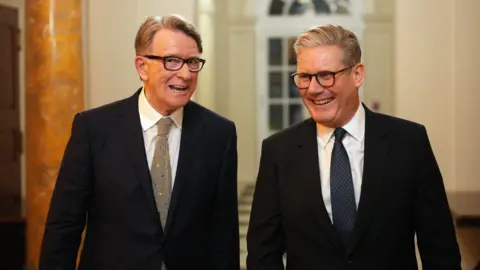
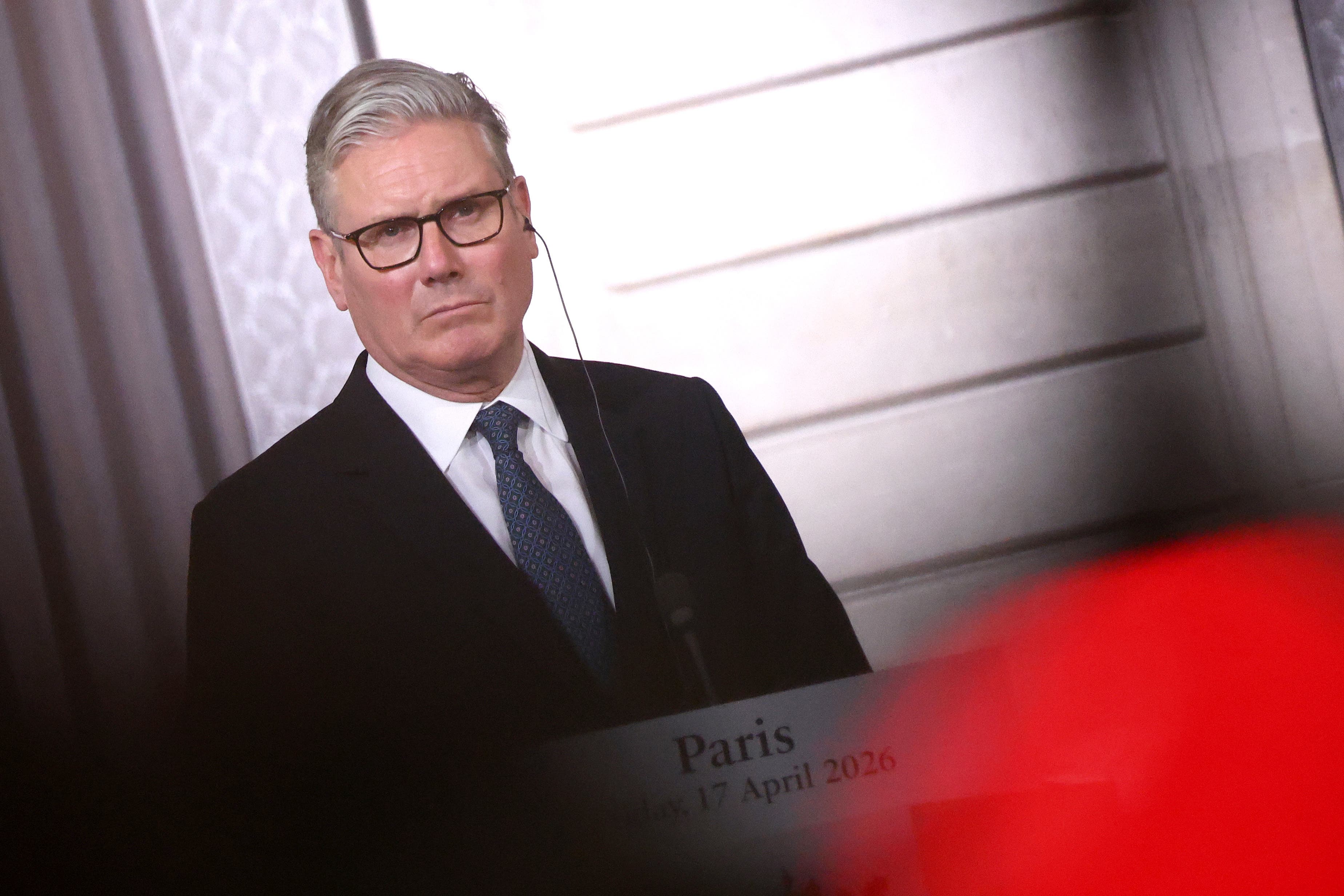
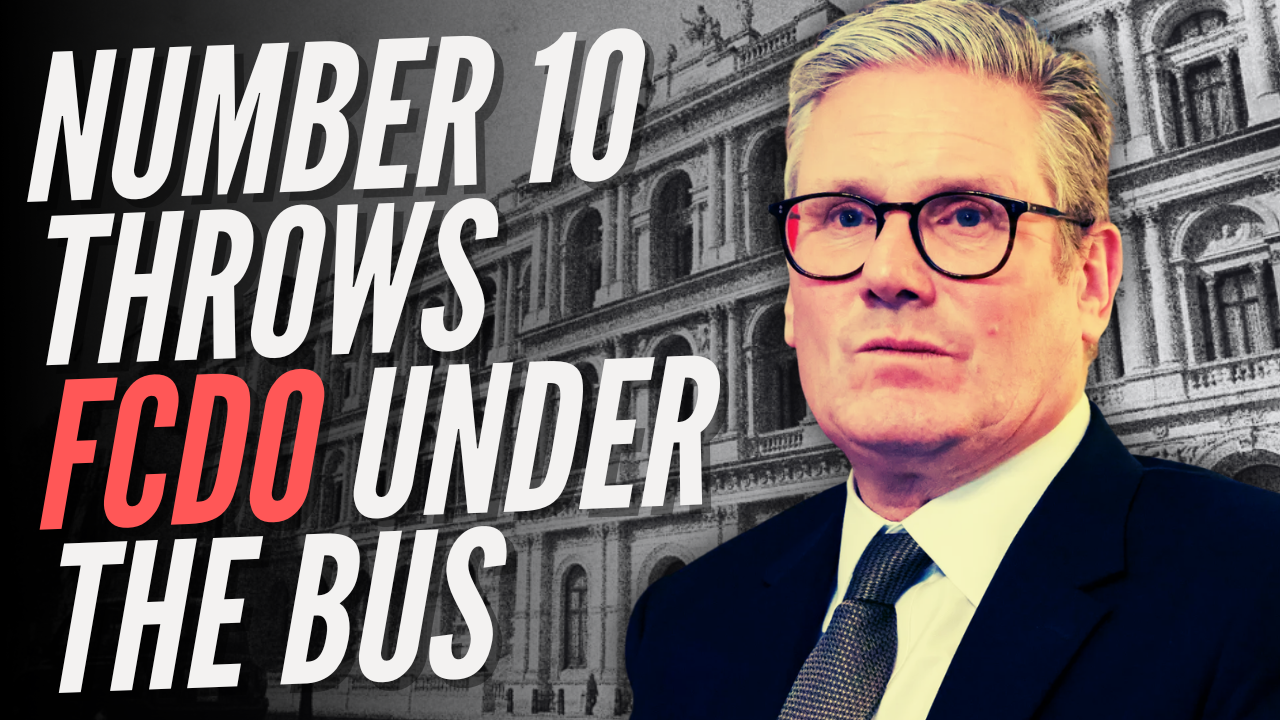
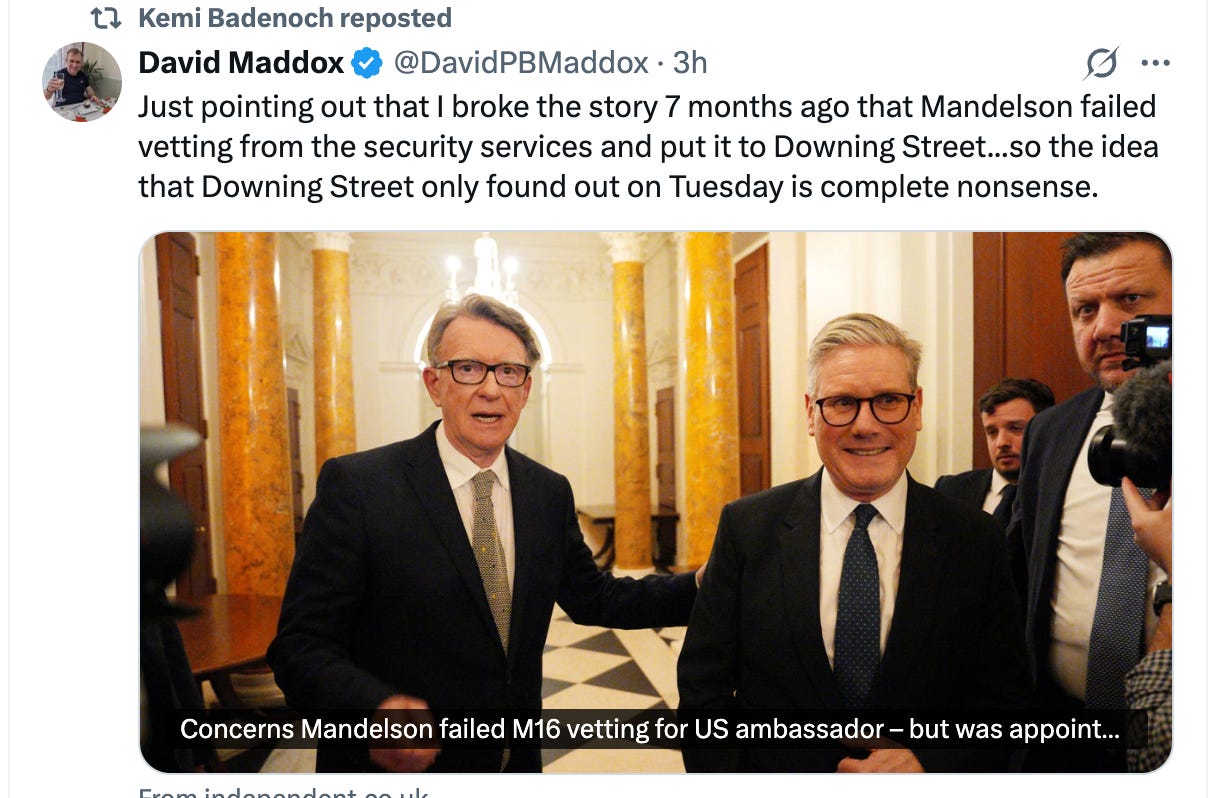
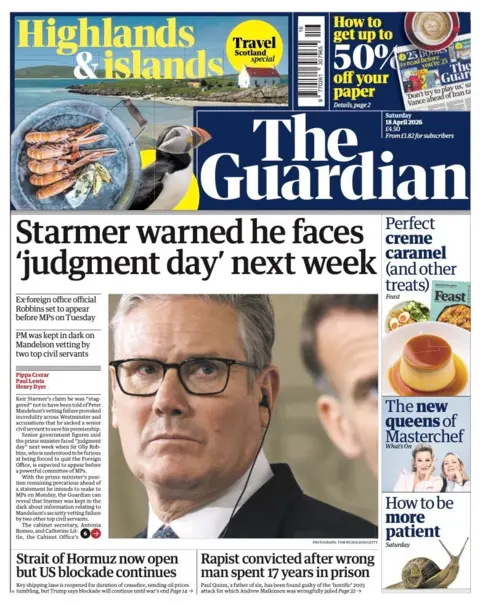
The January 2025 UK government crisis involving Peter Mandelson's failed security vetting reveals critical governance breakdowns that directly impact cross-border e-commerce sellers. Prime Minister Keir Starmer's administration demonstrated severe communication failures when senior Foreign Office officials overrode UK Security Vetting (UKSV) denials without informing the PM, Cabinet, or Parliament. This incident—where Starmer claimed ignorance of vetting procedures while telling Parliament "full due process was followed"—signals deeper institutional dysfunction affecting policy implementation and regulatory consistency.
For cross-border sellers, this governance crisis creates immediate trade policy uncertainty. The UK government's pattern of "political misjudgment and incuriosity regarding sensitive decisions" directly threatens implementation of post-Brexit trade agreements, tariff schedules, and customs procedures that sellers depend on. Mandelson's appointment as ambassador to Washington was intended to strengthen UK-US trade relations—a critical priority for sellers shipping to American markets. His vetting failure and the resulting political chaos suggest the administration lacks focus on trade policy execution. Sellers relying on anticipated UK-US trade improvements (particularly in tariff reductions for electronics, apparel, and consumer goods) should expect 6-12 month delays as the government manages this crisis.
The institutional breakdown creates compliance and regulatory risk. When government officials override security procedures without informing leadership, it indicates weak internal controls and inconsistent policy enforcement. For sellers, this translates to unpredictable customs procedures, VAT compliance requirements, and trade documentation standards. The UK's already complex post-Brexit regulatory environment becomes more uncertain when the Cabinet doesn't know what its own agencies are doing. Sellers shipping to UK markets face potential delays in customs clearance, inconsistent tariff application, and changing compliance interpretations as the government reorganizes after this crisis.
Market access windows are closing. The political instability ahead of local elections (mentioned as a threat to Starmer's administration) suggests the government will prioritize damage control over trade negotiations. Sellers who planned to capitalize on anticipated UK-US trade improvements should pivot to alternative markets. The 3-6 month window before local elections will see minimal policy progress on trade matters. Additionally, the revelation that senior officials can override security procedures without accountability suggests broader governance issues affecting all regulatory bodies—including customs, tax, and trade authorities that sellers depend on for predictable operations.
Questions 7
How does UK government instability affect cross-border sellers shipping to British markets?
The January 2025 vetting crisis reveals governance breakdowns that directly impact regulatory consistency. When senior officials override security procedures without informing the Prime Minister or Cabinet, it signals weak internal controls affecting all government agencies—including customs, tax, and trade authorities. Sellers shipping to UK markets should expect 6-12 month delays in customs clearance procedures, inconsistent VAT compliance interpretations, and unpredictable tariff applications as the government reorganizes. The political chaos ahead of local elections means trade policy implementation will stall, affecting sellers who planned to capitalize on anticipated UK-US trade improvements. Monitor the Cabinet Office website for regulatory updates and consider diversifying to EU markets with more stable governance.
What is the impact on UK-US trade negotiations and tariff schedules for sellers?
Peter Mandelson's failed vetting and subsequent political crisis directly threatens UK-US trade negotiations. Mandelson's appointment as ambassador to Washington was intended to strengthen trade relations and accelerate tariff reductions for electronics, apparel, and consumer goods categories. The governance breakdown and resulting political instability suggest the UK government lacks focus on trade policy execution. Sellers expecting tariff improvements should anticipate 6-12 month delays in implementation. The 3-6 month window before local elections will see minimal policy progress on trade matters as the government manages this crisis. Consider alternative sourcing strategies and don't rely on anticipated UK-US tariff reductions for 2025 planning.