


Spirit Airlines Collapse Triggers Air Freight Cost Surge | Cross-Border Sellers Face 15-25% Shipping Increases
- Jet fuel prices spike 95% since April 2026; ultra-low-cost carrier liquidation removes competitive pressure on remaining airlines, directly impacting e-commerce logistics costs for time-sensitive shipments






Overview
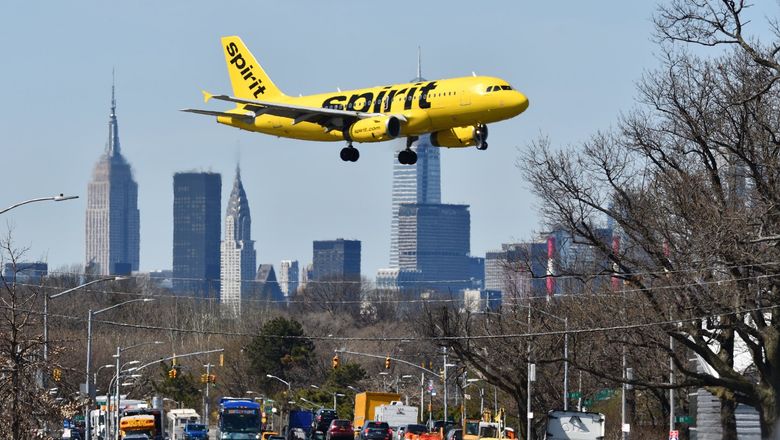
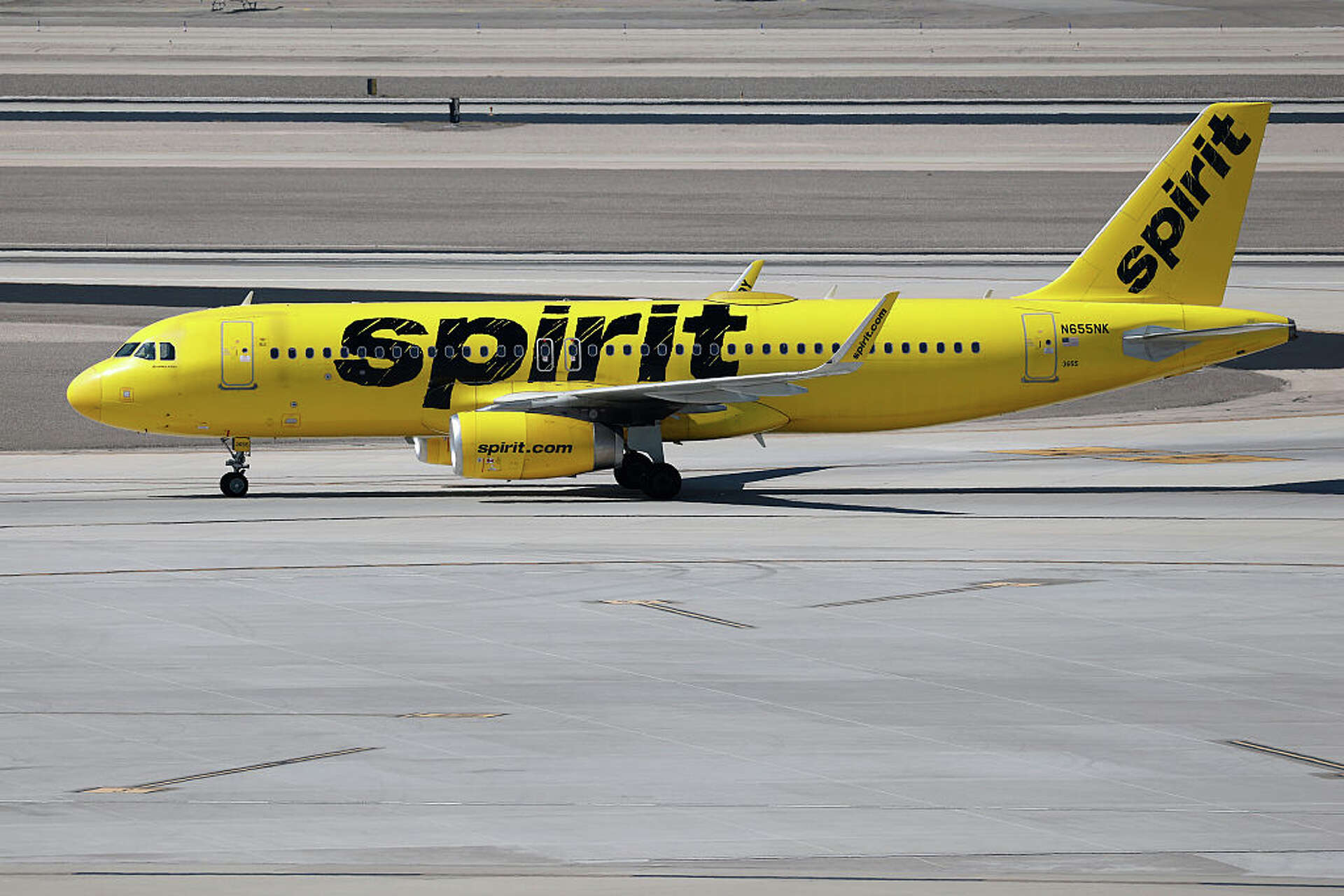
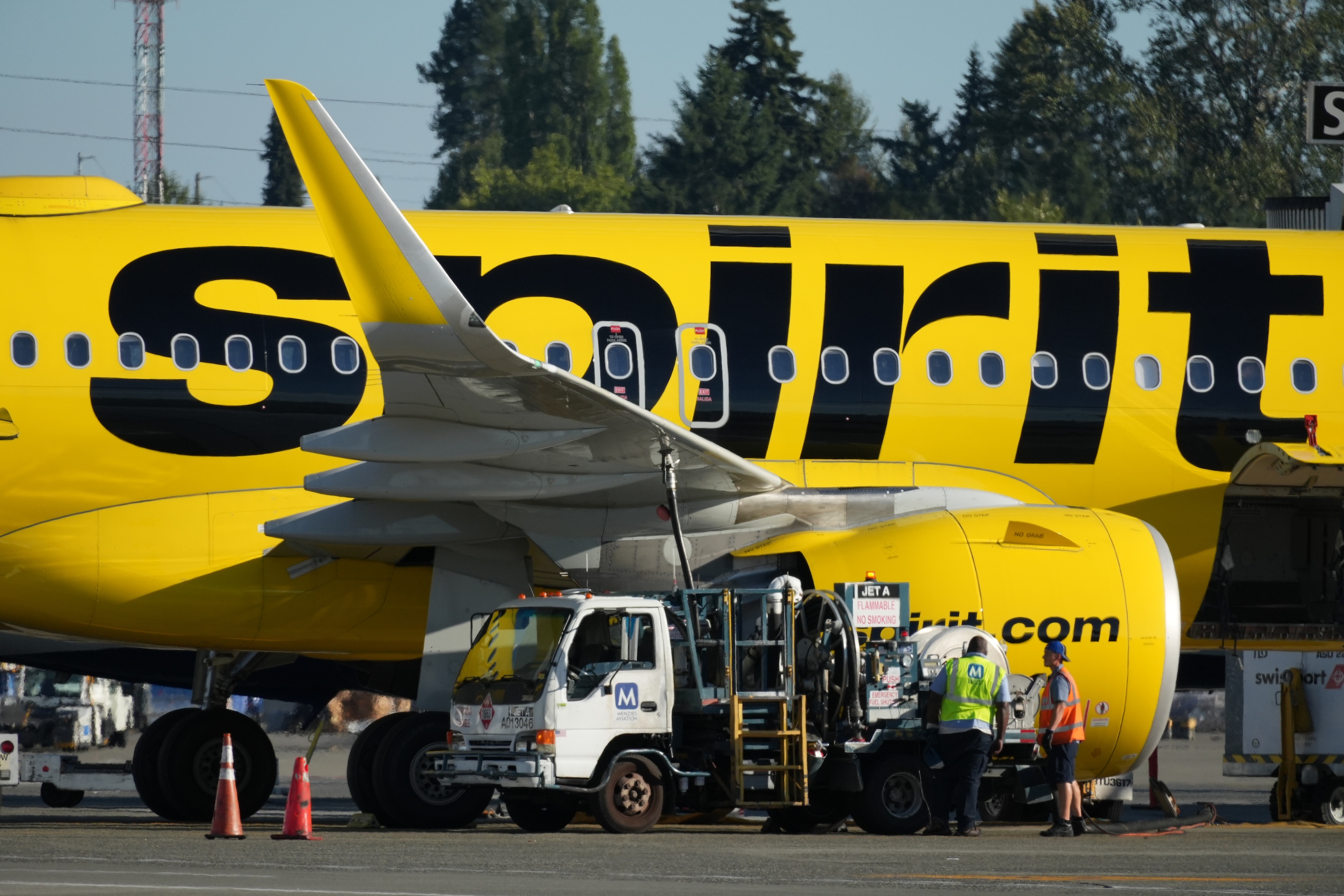
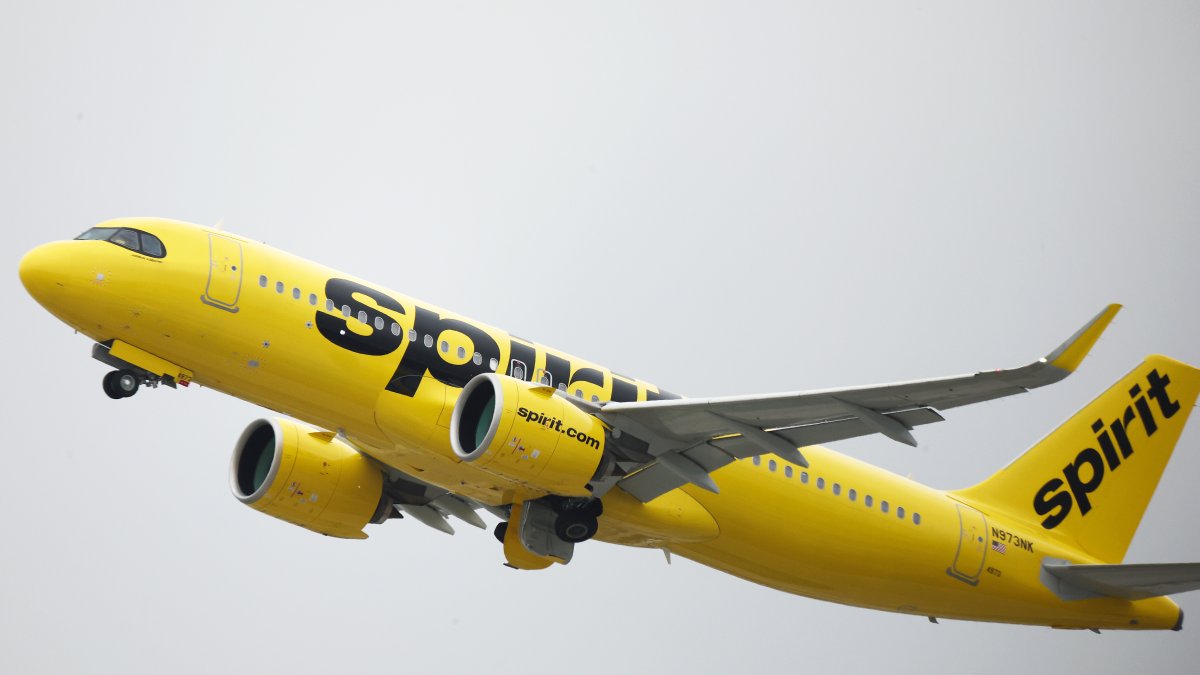
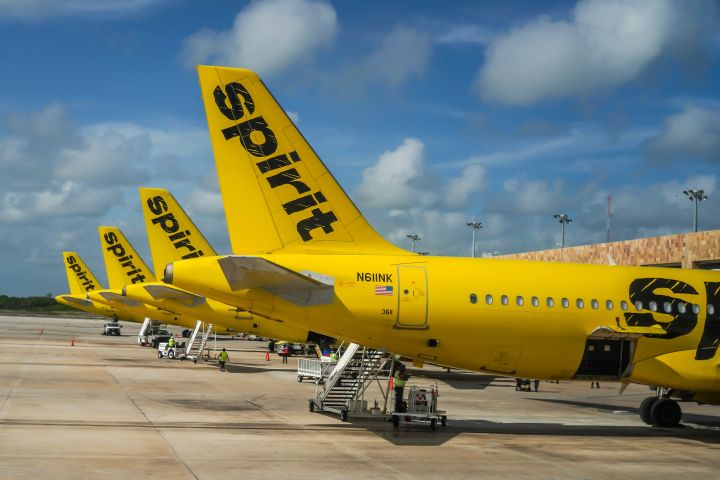
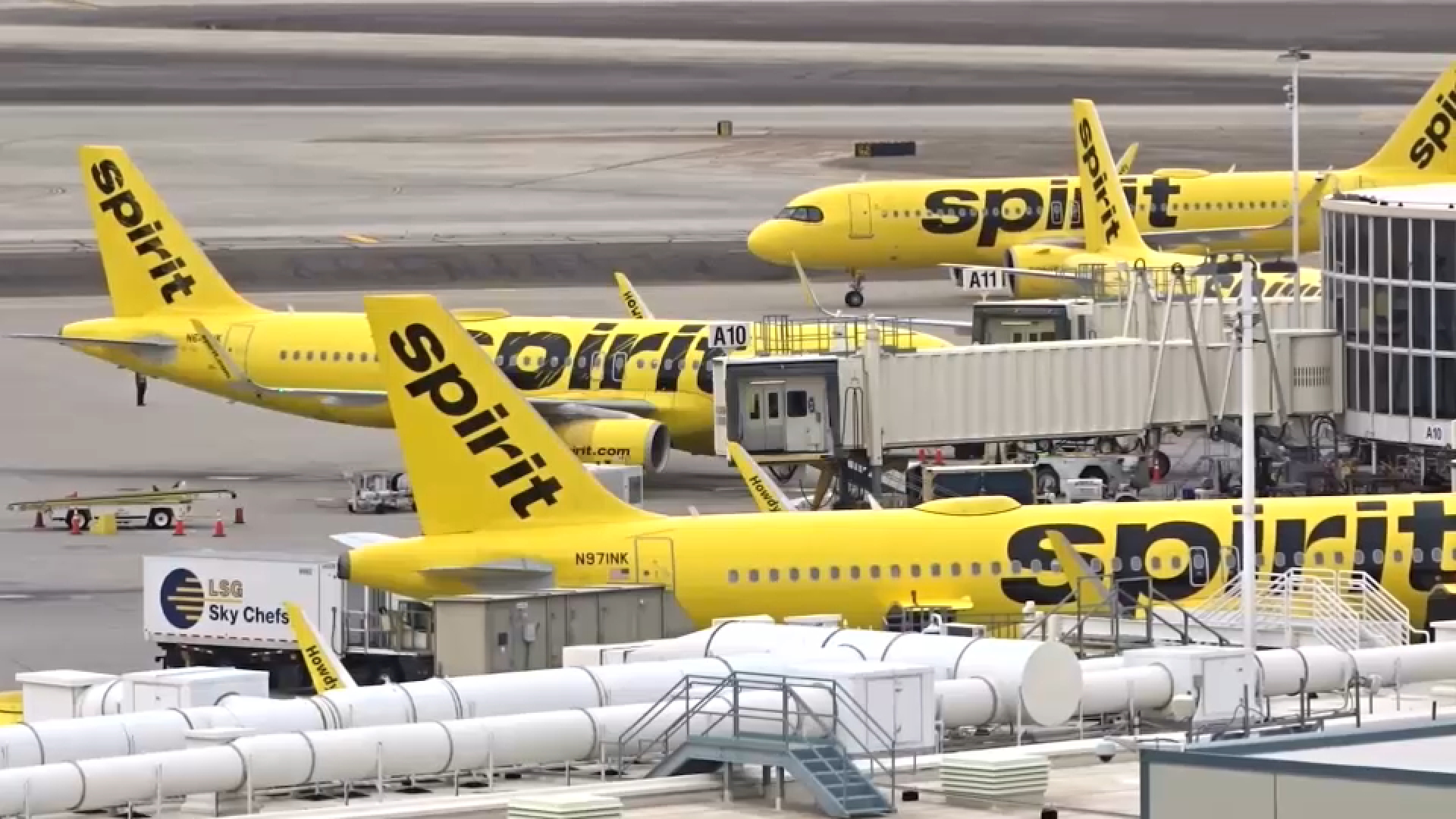
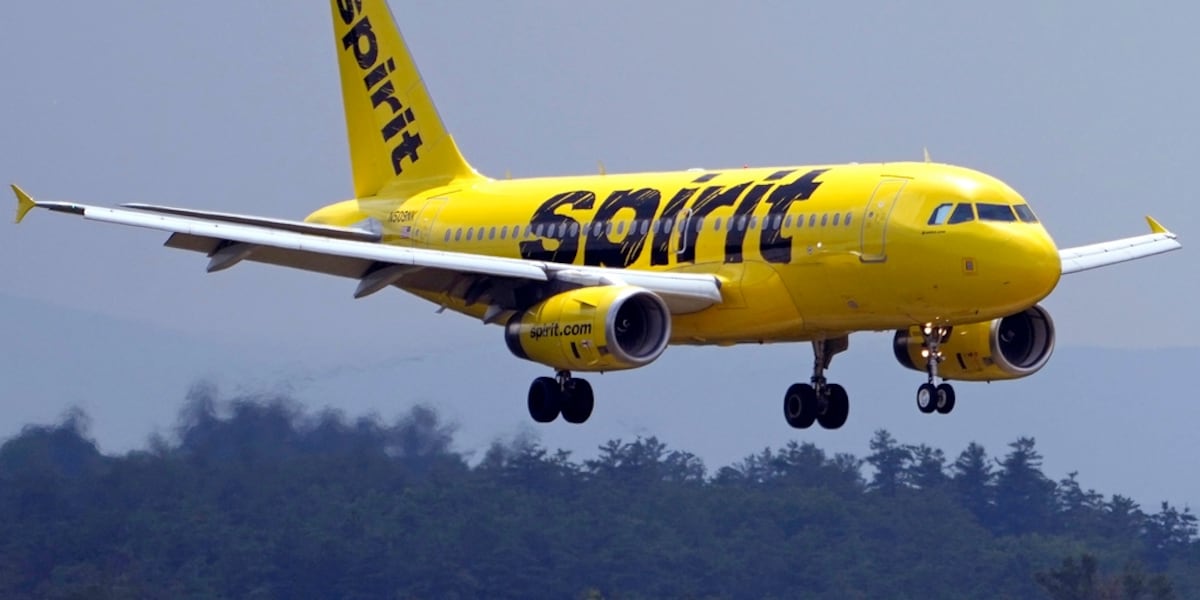
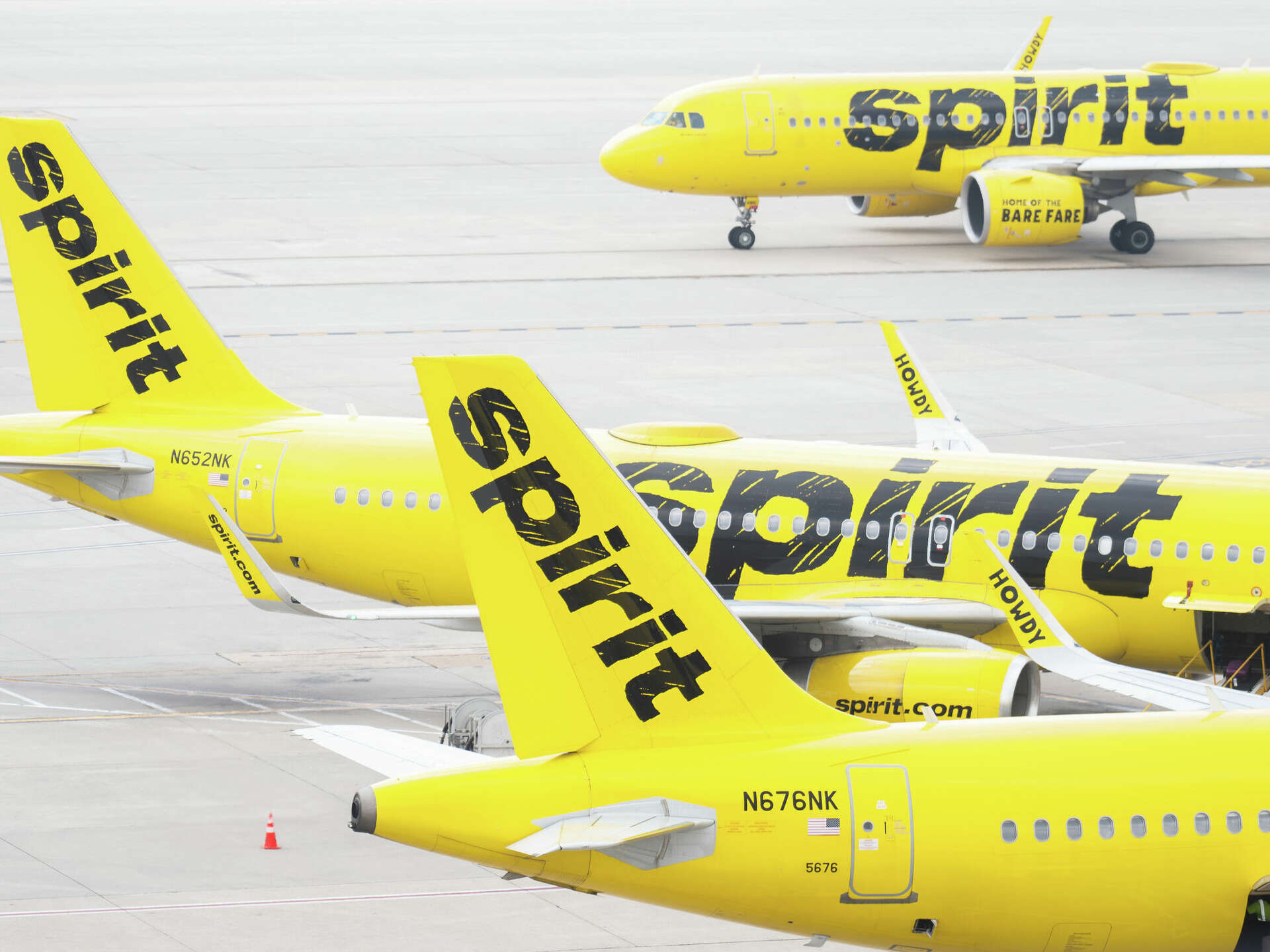
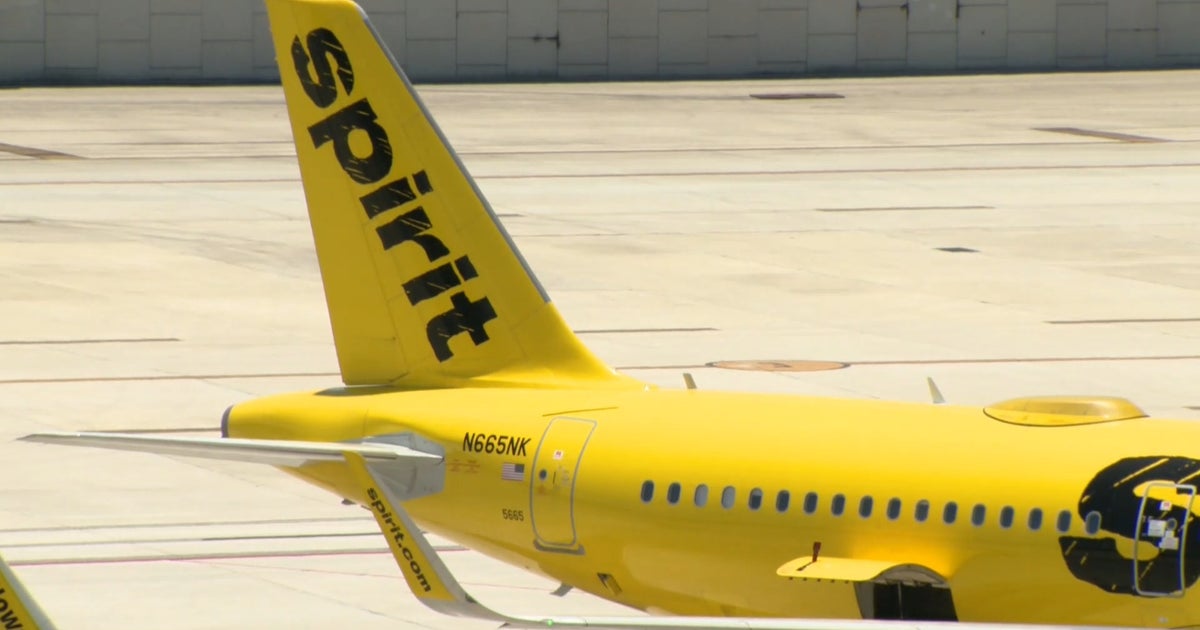
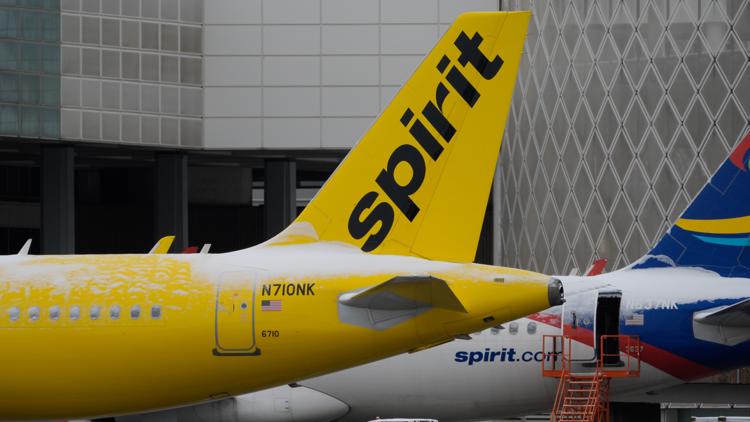
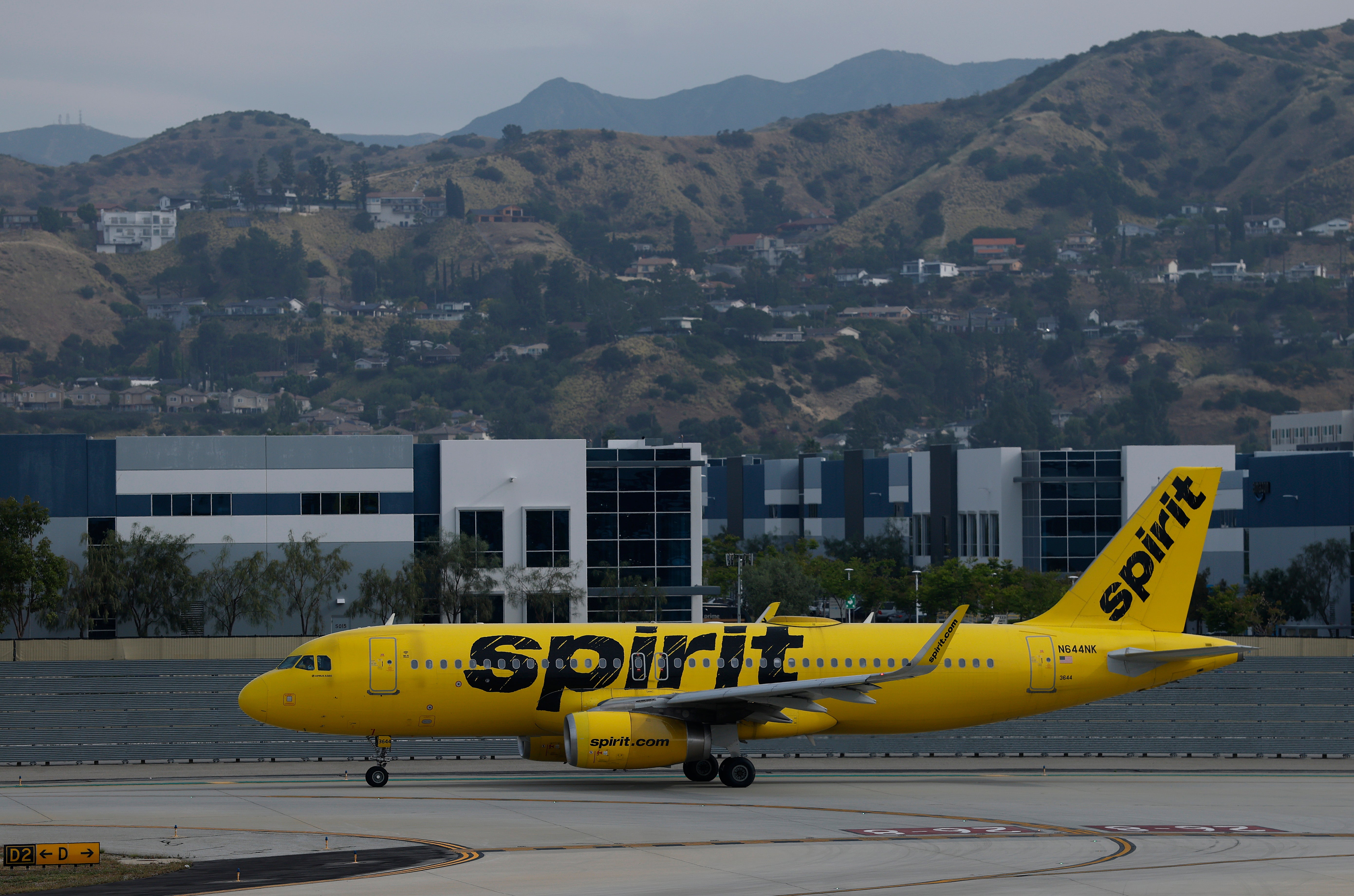
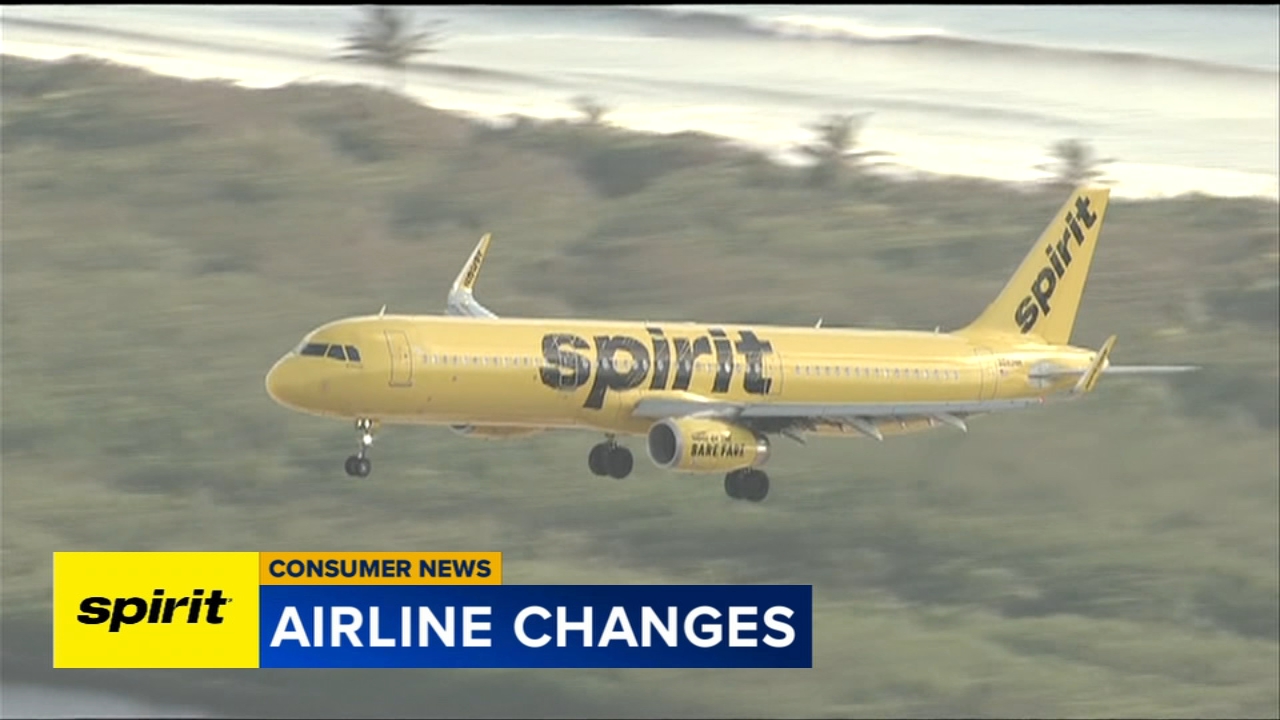
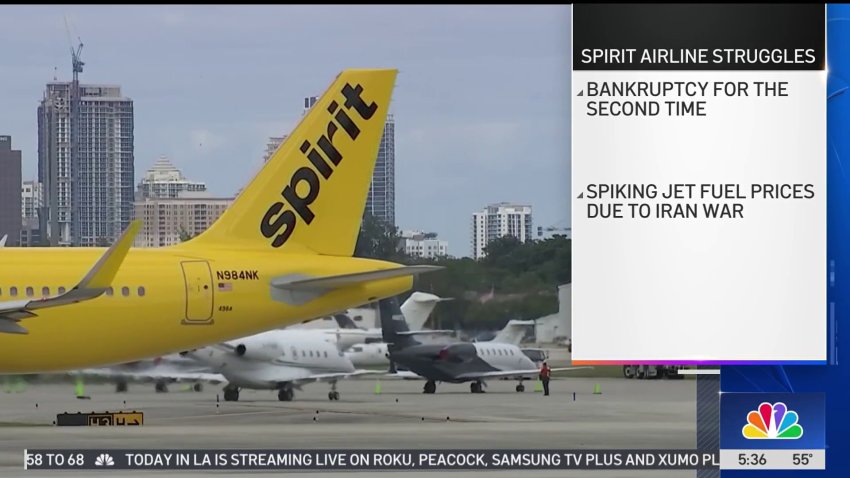
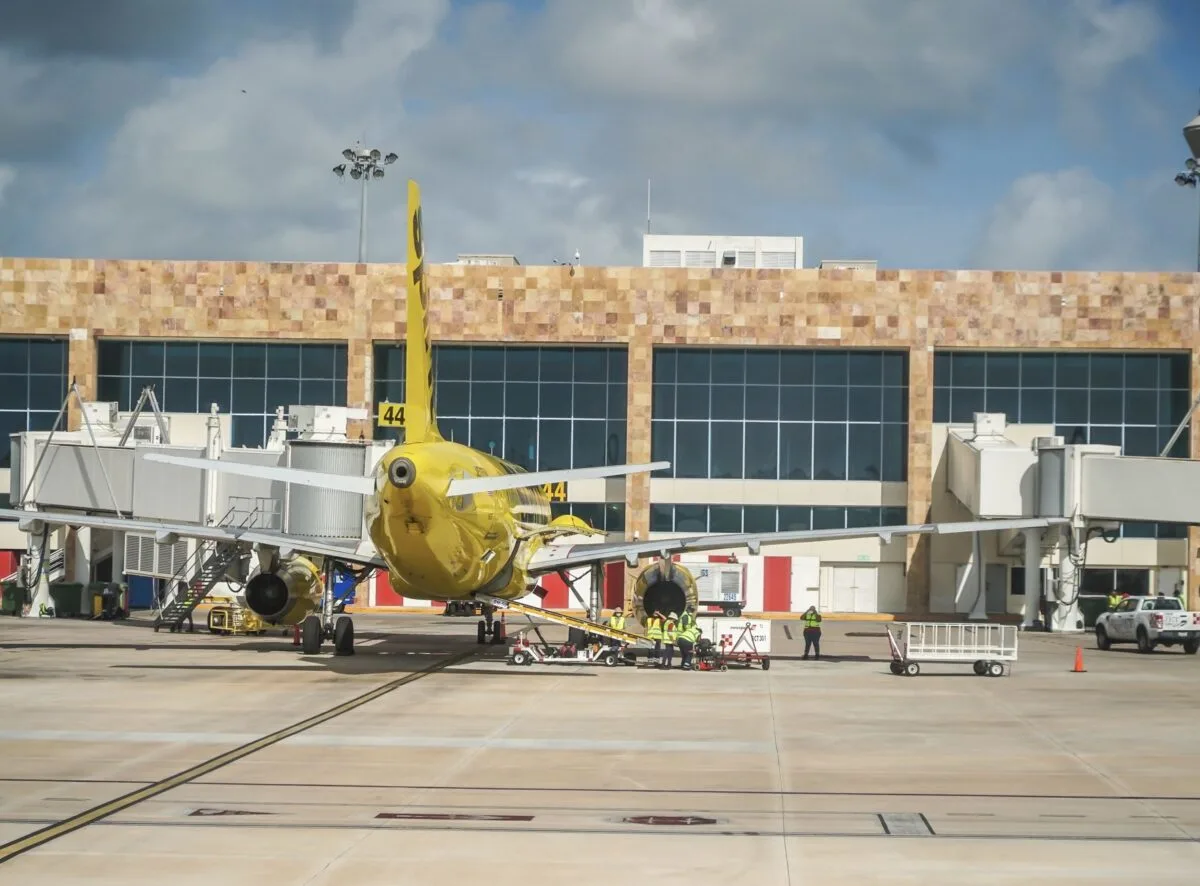
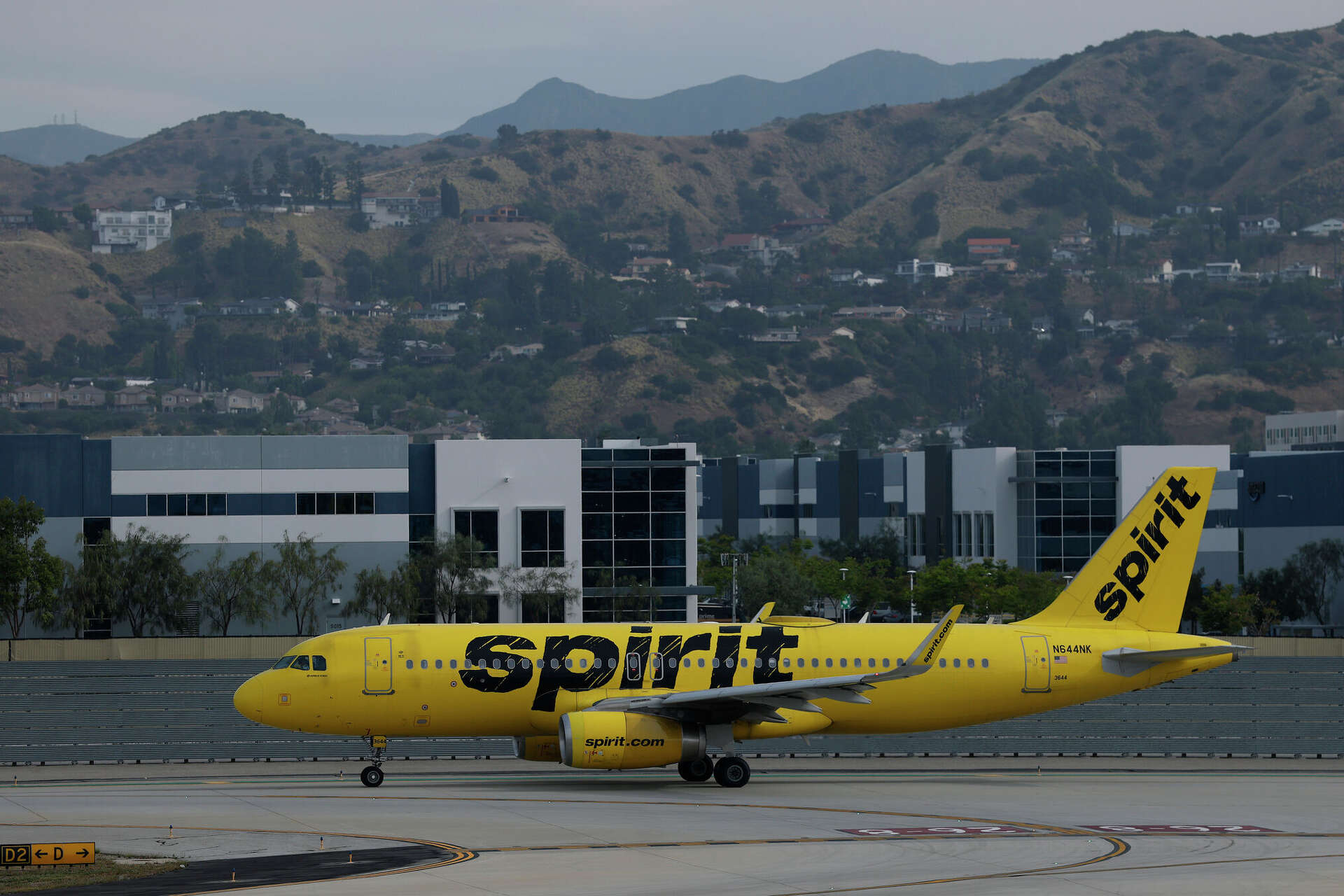
Spirit Airlines' imminent collapse represents a critical inflection point for cross-border e-commerce sellers relying on air freight logistics. The Florida-based ultra-low-cost carrier, which accumulated losses exceeding $2.5 billion since 2020 and filed its second Chapter 11 bankruptcy within 12 months, is now requesting hundreds of millions in emergency government bailout from the Trump administration as jet fuel prices have surged approximately 95% since early April 2026 following geopolitical tensions. Jet fuel represents 30-40% of airline operating costs, creating an unsustainable burden for carriers operating on thin profit margins. This crisis stems from a convergence of factors: the Biden administration's 2023 antitrust lawsuit blocking Spirit's acquisition by JetBlue Airways eliminated the carrier's consolidation pathway, while subsequent fuel price volatility exposed the fundamental vulnerability of ultra-low-cost business models to external shocks.
For e-commerce sellers, Spirit's potential liquidation eliminates a critical competitive pressure point in the air freight market. Spirit operated as a low-cost carrier serving price-sensitive consumers and maintained cargo capacity that undercut premium carriers like Delta, United, and American Airlines. With Spirit's exit, remaining carriers face reduced competitive incentive to maintain aggressive pricing on air freight services. Industry observers project that air cargo rates could increase 15-25% across major hubs (Chicago, Houston, New York, Los Angeles) if Spirit ceases operations, directly impacting sellers shipping perishable goods, electronics, and time-sensitive inventory to North American markets. The airline's fleet reduction and route consolidation measures—implemented prior to the fuel crisis—already constrained capacity; complete liquidation would eliminate approximately 50+ aircraft from the cargo market.
The regulatory dimension adds strategic complexity for sellers monitoring future antitrust enforcement. The Washington Post's editorial analysis argues that the government's 2023 merger-blocking decision, intended to preserve competition, paradoxically created conditions for Spirit's collapse and reduced overall market competition. This case illustrates how regulatory interventions in one period produce delayed but significant impacts on market structure. For sellers, this signals potential volatility in transportation infrastructure policy: future antitrust decisions affecting airline consolidations, shipping company mergers, or logistics platform acquisitions could similarly produce unintended consequences affecting supply chain costs. Sellers dependent on air freight for cross-border operations should anticipate 30-60 day delays in rate stabilization as remaining carriers adjust pricing and capacity allocation following Spirit's potential exit.
Immediate operational impacts include route consolidation and service reduction. Spirit's restructuring agreement included flight schedule adjustments, coverage area contraction, and pilot furloughs. If liquidation occurs, sellers shipping from secondary markets (Fort Lauderdale, Las Vegas, Atlantic City) may face 2-4 week delays in air freight availability as cargo operations consolidate to major hub airports. Sellers relying on expedited international shipping—particularly those serving perishable goods, pharmaceuticals, or time-sensitive electronics—should diversify carrier relationships immediately and evaluate alternative logistics providers including 3PL networks with dedicated air freight capacity.
Questions 8
How will Spirit Airlines bankruptcy affect my air freight shipping costs?
Spirit Airlines' potential liquidation removes a major low-cost carrier from the air freight market, eliminating competitive pricing pressure on remaining airlines. Industry projections indicate air cargo rates could increase 15-25% across major U.S. hubs (Chicago, Houston, New York, Los Angeles) if Spirit ceases operations. Sellers shipping perishable goods, electronics, or time-sensitive inventory to North American markets should expect rate increases within 30-60 days as remaining carriers adjust pricing. Jet fuel prices have already surged 95% since April 2026, representing 30-40% of airline operating costs, making rate increases inevitable regardless of bailout outcome.
Should I switch to ocean freight or ground shipping to avoid air freight costs?
Ocean freight and ground shipping are viable alternatives for non-time-sensitive inventory, but they involve significant trade-offs. Ocean freight from Asia to North America requires 15-25 days transit time versus 3-5 days for air freight, making it unsuitable for perishable goods or fast-moving inventory. Ground shipping within North America adds 5-7 days versus 1-2 days for air freight. Sellers should evaluate hybrid strategies: use ocean freight for bulk seasonal inventory (30-60 day lead times), reserve air freight for emergency replenishment and time-sensitive categories, and negotiate volume discounts with 3PL providers offering multi-modal logistics. Cost analysis shows ocean freight saves 60-70% versus air freight but requires inventory planning 60+ days in advance.