



QVC Bankruptcy Signals $6.6B Debt Restructure | Live Social Commerce Opportunity for Sellers
- QVC pivots from TV to TikTok Shop as top seller; bankruptcy restructuring reduces debt 80% by summer 2026, creating vendor partnership opportunities in live streaming retail







Overview
QVC Group's April 17, 2026 Chapter 11 bankruptcy filing represents a critical inflection point for the $6.6 billion legacy TV shopping industry transitioning to live social commerce. The voluntary restructuring—reducing debt from $6.6 billion to $1.3 billion by summer 2026—signals that traditional linear television shopping is no longer viable, while simultaneously validating TikTok Shop and streaming platforms as the future of interactive retail. This creates immediate opportunities for cross-border sellers to access QVC's vendor network, product categories, and fulfillment infrastructure during the restructuring period.
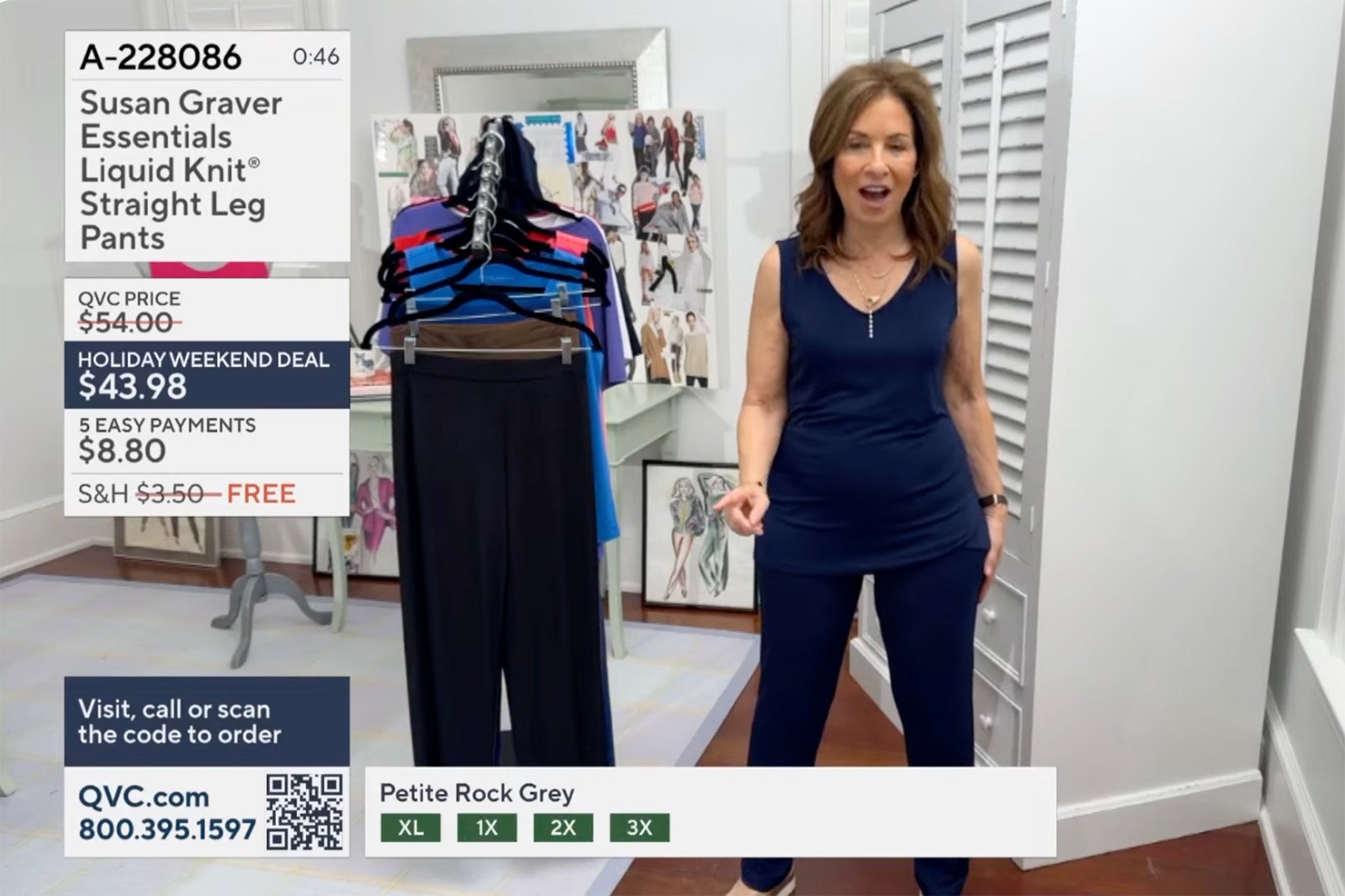
The Strategic Pivot and Seller Implications: QVC's emergence as a top seller on TikTok Shop U.S. over the past year demonstrates that legacy retail networks can successfully migrate to social commerce platforms. The company maintains full operational continuity during bankruptcy—no vendor payment disruptions, no supplier relationship terminations, and no layoffs planned. This stability is critical for the 5,000+ vendors supplying QVC, HSN, and Cornerstone Brands. For sellers, this represents a unique window: QVC is actively seeking product partnerships to populate its TikTok Shop presence and streaming channels. Categories historically strong on QVC—home goods, beauty, jewelry, fashion accessories, and collectibles—are experiencing renewed demand through short-form video commerce. Sellers can negotiate favorable terms with a distressed but operationally sound partner seeking to diversify revenue streams away from declining TV audiences.
Market Opportunity and O2O Strategy: The bankruptcy restructuring creates three distinct seller opportunities. First, vendor consolidation: QVC's debt reduction requires streamlining supplier relationships, creating openings for high-margin, fast-moving SKUs that perform well on TikTok (beauty, home décor, wellness products). Second, geographic expansion: QVC's West Chester, Pennsylvania consolidation (closing St. Petersburg HQ) signals focus on digital-first operations with lower overhead, enabling faster vendor onboarding and reduced minimum order quantities. Third, live streaming infrastructure: QVC's investment in streaming platforms and social commerce creates demand for products optimized for live demonstration—categories like kitchen gadgets, beauty tools, fitness equipment, and home organization systems see 3-5x higher conversion rates in live shopping formats versus static listings.
Competitive Positioning and Timeline: The bankruptcy completion by summer 2026 creates a 4-6 month window for sellers to establish partnerships before QVC emerges as a leaner, digitally-native competitor. Historically, retailers emerging from Chapter 11 restructuring become aggressive acquirers of vendor relationships to rebuild revenue quickly. QVC's $1.3 billion post-restructuring debt load requires approximately $150-200M annual vendor revenue to service, representing significant growth targets. Sellers in home goods, beauty, and fashion accessories categories should prioritize outreach to QVC's vendor relations team during this period, as the company will be actively recruiting to fill product gaps created by vendor attrition during the restructuring process.
Questions 8
What product categories are most relevant for QVC's live social commerce pivot?
QVC's historical strength in home goods, beauty, jewelry, fashion accessories, and collectibles aligns perfectly with live social commerce performance data. Products requiring demonstration—kitchen gadgets, beauty tools, fitness equipment, home organization systems, and wellness products—see 3-5x higher conversion rates in live shopping formats on TikTok Shop and streaming platforms compared to static listings. The company's emergence as a top TikTok Shop seller over the past year validates these categories' performance in short-form video commerce. Sellers in these categories should prioritize outreach to QVC's vendor relations team, as the company will actively recruit suppliers to fill product gaps created during the restructuring and accelerate its social commerce revenue growth.
How does QVC's bankruptcy filing affect vendor payment and supplier relationships?
QVC Group maintains full operational continuity and adequate liquidity during the Chapter 11 restructuring, with no planned disruptions to vendor payments, supplier obligations, or employee compensation. CEO David Rawlinson confirmed the company will fulfill all vendor and unsecured creditor commitments without interruption through the bankruptcy completion expected by summer 2026. This stability is critical for the 5,000+ vendors supplying QVC, HSN, and Cornerstone Brands. Sellers should expect normal payment cycles and contract terms to continue unchanged during the restructuring period, making this an opportune time to negotiate new vendor partnerships with a company actively seeking product diversification for its TikTok Shop and streaming platforms.