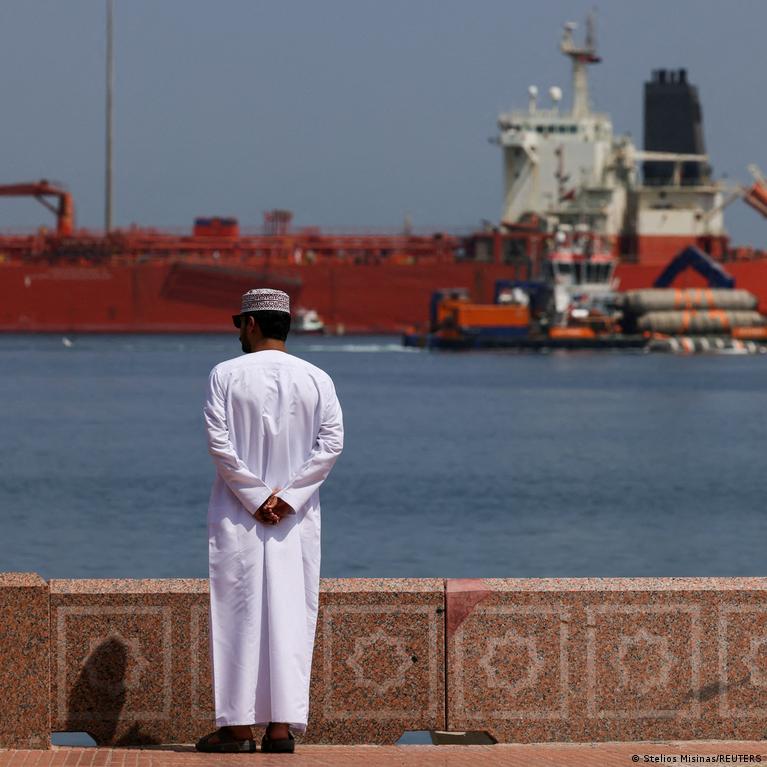



Iran's reopening of the Strait of Hormuz during a US-Israel ceasefire has triggered a seismic shift in global logistics economics for cross-border e-commerce sellers. As of April 17, 2026, global oil prices have declined approximately 10%, directly translating to reduced shipping premiums that have plagued sellers since the strait's closure. Australia's fuel market provides a real-time case study: the ACCC reported average retail petrol prices dropped 41.6 cents per liter since March 31, with independent fuel retailers passing on cost reductions faster than major chains. This creates a critical one-week implementation window before terminal gate price changes reach consumers—a timing advantage for sellers to recalibrate logistics strategies.
For cross-border e-commerce sellers, this represents immediate margin recovery across all shipping corridors. The Strait of Hormuz handles approximately one-third of global seaborne oil trade, making its closure a critical supply chain vulnerability that had inflated shipping costs by 15-25% during the crisis. Sellers shipping to Australia, Southeast Asia, and Europe via Singapore benchmarks will see the most immediate relief. Small and medium-sized sellers relying on 3PL providers and international fulfillment networks face the highest cost exposure—a typical seller shipping 500+ units monthly to Australia could recover $800-1,200 in monthly logistics expenses as fuel surcharges normalize. Large sellers with established supply chain contracts may see delayed benefits due to fixed-rate agreements, but renegotiation opportunities emerge as market conditions stabilize.
The competitive advantage window favors agile sellers who act within the next 7-14 days. Independent fuel retailers and smaller 3PL providers will pass on cost reductions faster than major logistics chains, creating a 3-5 day advantage for sellers using regional fulfillment partners. Sellers should immediately audit their shipping contracts with DHL, FedEx, and regional carriers to identify fuel surcharge clauses—these typically adjust within 5-10 business days of benchmark price changes. Australia's government maintained 46 days of petrol reserves (10 days above pre-crisis levels), ensuring supply stability. However, the London conference scheduled for the coming week will address permanent strait reopening arrangements; sustained geopolitical stability remains essential for maintaining these price improvements. Sellers should monitor this conference outcome as a risk indicator for potential price volatility reversal.
Yes, but strategically. The one-week implementation lag creates a competitive advantage window: sellers who reduce prices immediately (before competitors) can capture market share while maintaining margins. However, avoid aggressive price cuts—instead, use the 2-4% shipping cost savings to improve margins or fund promotional activities. For Amazon FBA sellers, consider reinvesting savings into increased inventory levels or expanded geographic fulfillment (adding Australia/Asia-Pacific warehouses becomes more cost-effective). For independent sellers on Shopify or eBay, reduce shipping surcharges on product pages by 1-2% to improve conversion rates while retaining margin benefits. Monitor competitor pricing daily—if major sellers don't adjust prices immediately, maintain your current pricing to capture margin recovery. The competitive advantage window closes within 2-3 weeks as all sellers adjust to normalized fuel costs, so act decisively within the first 10 days of April 2026.
Start by identifying your current fuel surcharge percentage in carrier invoices—typically listed separately from base shipping fees. Multiply your monthly shipping volume by the current fuel surcharge rate to establish baseline costs. A 10% global oil price decline typically translates to 2-4% reduction in total shipping costs (fuel surcharges represent 20-40% of total logistics expenses). For example, a seller with $10,000 monthly shipping costs at 3% fuel surcharge ($300) could see $60-120 monthly savings. However, timing matters: independent retailers show one-week lag before price changes reach consumers, so expect phased savings over 7-14 days. Track your carrier invoices weekly starting April 24, 2026, to document actual surcharge reductions. Compare invoices from April 1-17 (pre-decline) versus May 1-15 (post-implementation) to quantify real savings. Use this data to justify renegotiation requests with carriers.
The London conference scheduled for the coming week will address permanent strait reopening arrangements, but sustained geopolitical stability remains essential for maintaining current price improvements. If tensions escalate, shipping costs could spike 15-25% within 48-72 hours, similar to the previous crisis. Sellers should implement risk mitigation by diversifying shipping routes: consider air freight alternatives (more expensive but faster) and alternative sea routes via the Cape of Good Hope (adds 10-14 days transit time). Maintain 30-45 days of inventory buffer for critical SKUs, similar to Australia's 46-day petrol reserve strategy. Monitor geopolitical news sources daily and set price alerts on Singapore crude benchmarks. Consider locking in current shipping rates for 3-6 months if your carrier offers rate protection—this hedges against potential price volatility reversal.
Begin renegotiations immediately—within the next 7-14 days. Fuel surcharge clauses in most carrier contracts (DHL, FedEx, UPS, regional providers) adjust automatically when Singapore benchmark prices change, but manual renegotiation windows typically open 10-15 business days after significant price movements. The one-week implementation lag before Australian retail prices reflect global changes creates a timing advantage: carriers will adjust their published rates by late April 2026. Request rate reviews from your primary carriers by April 24, 2026, before they adjust standard pricing. For sellers using multiple 3PL providers, prioritize renegotiation with regional partners first—they adjust faster than global carriers. Document your current fuel surcharge percentages (typically 2-8% of base shipping cost) to establish baseline comparisons for post-negotiation savings verification.
Small and medium-sized sellers (SMBs) shipping 200-1,000 units monthly benefit most immediately, as they typically use regional 3PL providers and independent fuel retailers that pass on cost reductions faster than major logistics chains. Independent retailers show a one-week lag before terminal gate price changes reach consumers, creating a 3-5 day advantage for agile sellers. Large enterprise sellers with established supply chain contracts may experience delayed benefits due to fixed-rate agreements negotiated during the crisis. Sellers specializing in heavy/bulky categories (furniture, appliances, automotive parts) see the highest absolute savings since fuel costs represent 12-18% of their logistics expenses. Sellers shipping to Australia specifically benefit from the country's 46-day petrol reserve buffer, ensuring supply stability and preventing price volatility.
Shipping cost reductions depend on your fulfillment method and carrier. Global oil prices have dropped 10% as of April 17, 2026, with Australian fuel prices falling 41.6 cents per liter since March 31. For sellers using 3PL providers or international carriers, fuel surcharges typically adjust within 5-10 business days of benchmark price changes. A typical seller shipping 500+ units monthly to Asia-Pacific markets can expect $800-1,200 in monthly logistics savings as surcharges normalize. However, sellers with fixed-rate shipping contracts may see delayed benefits until contract renegotiation windows open. Monitor your carrier's fuel surcharge clauses—most adjust automatically when Singapore benchmark prices change, which won't reflect the current decline until Monday trading resumes.
The 10% global oil price decline and normalized fuel surcharges make it economically viable to increase inventory levels in high-demand markets, particularly Australia and Asia-Pacific. Sellers previously constrained by high shipping costs can now profitably stock 20-30% more inventory in regional fulfillment centers. Calculate your inventory carrying costs (storage, insurance, obsolescence) against the new lower shipping costs—if shipping savings exceed carrying costs, increase stock levels. For Amazon FBA sellers, the cost reduction improves your Inventory Performance Index (IPI) score since you can maintain higher inventory levels without proportional cost increases. Consider shifting 15-25% of inventory from centralized US/EU warehouses to distributed Asia-Pacific fulfillment centers—the cost advantage now justifies the complexity. However, monitor the London conference outcome (scheduled for the coming week) before committing to long-term inventory increases; if geopolitical tensions resurface, you could be locked into high inventory levels during a price spike. Implement a 60-day review cycle to adjust inventory levels based on actual fuel surcharge changes.
The Strait of Hormuz handles approximately one-third of global seaborne oil trade, making its reopening most impactful for Asia-Pacific and Middle East shipping corridors. Sellers shipping to Australia, Singapore, India, and Southeast Asia see immediate benefits (5-7 day implementation lag) since these routes depend heavily on Strait passage. European and North American sellers experience delayed benefits (10-14 days) as price changes propagate through global benchmarks. Sellers using air freight see minimal immediate impact since fuel costs represent only 8-12% of air shipping expenses (versus 20-40% for sea freight). Intra-Asia shipping (China-Vietnam-Thailand routes) benefits most significantly since these corridors rely entirely on Strait passage. Sellers shipping via alternative routes (Cape of Good Hope, Suez Canal) see smaller savings since these routes already carry premium pricing. Prioritize cost recovery in Asia-Pacific fulfillment first, then reallocate savings to European and North American operations as price changes propagate globally.
Yes, but strategically. The one-week implementation lag creates a competitive advantage window: sellers who reduce prices immediately (before competitors) can capture market share while maintaining margins. However, avoid aggressive price cuts—instead, use the 2-4% shipping cost savings to improve margins or fund promotional activities. For Amazon FBA sellers, consider reinvesting savings into increased inventory levels or expanded geographic fulfillment (adding Australia/Asia-Pacific warehouses becomes more cost-effective). For independent sellers on Shopify or eBay, reduce shipping surcharges on product pages by 1-2% to improve conversion rates while retaining margin benefits. Monitor competitor pricing daily—if major sellers don't adjust prices immediately, maintain your current pricing to capture margin recovery. The competitive advantage window closes within 2-3 weeks as all sellers adjust to normalized fuel costs, so act decisively within the first 10 days of April 2026.
Start by identifying your current fuel surcharge percentage in carrier invoices—typically listed separately from base shipping fees. Multiply your monthly shipping volume by the current fuel surcharge rate to establish baseline costs. A 10% global oil price decline typically translates to 2-4% reduction in total shipping costs (fuel surcharges represent 20-40% of total logistics expenses). For example, a seller with $10,000 monthly shipping costs at 3% fuel surcharge ($300) could see $60-120 monthly savings. However, timing matters: independent retailers show one-week lag before price changes reach consumers, so expect phased savings over 7-14 days. Track your carrier invoices weekly starting April 24, 2026, to document actual surcharge reductions. Compare invoices from April 1-17 (pre-decline) versus May 1-15 (post-implementation) to quantify real savings. Use this data to justify renegotiation requests with carriers.
The London conference scheduled for the coming week will address permanent strait reopening arrangements, but sustained geopolitical stability remains essential for maintaining current price improvements. If tensions escalate, shipping costs could spike 15-25% within 48-72 hours, similar to the previous crisis. Sellers should implement risk mitigation by diversifying shipping routes: consider air freight alternatives (more expensive but faster) and alternative sea routes via the Cape of Good Hope (adds 10-14 days transit time). Maintain 30-45 days of inventory buffer for critical SKUs, similar to Australia's 46-day petrol reserve strategy. Monitor geopolitical news sources daily and set price alerts on Singapore crude benchmarks. Consider locking in current shipping rates for 3-6 months if your carrier offers rate protection—this hedges against potential price volatility reversal.
Begin renegotiations immediately—within the next 7-14 days. Fuel surcharge clauses in most carrier contracts (DHL, FedEx, UPS, regional providers) adjust automatically when Singapore benchmark prices change, but manual renegotiation windows typically open 10-15 business days after significant price movements. The one-week implementation lag before Australian retail prices reflect global changes creates a timing advantage: carriers will adjust their published rates by late April 2026. Request rate reviews from your primary carriers by April 24, 2026, before they adjust standard pricing. For sellers using multiple 3PL providers, prioritize renegotiation with regional partners first—they adjust faster than global carriers. Document your current fuel surcharge percentages (typically 2-8% of base shipping cost) to establish baseline comparisons for post-negotiation savings verification.
Small and medium-sized sellers (SMBs) shipping 200-1,000 units monthly benefit most immediately, as they typically use regional 3PL providers and independent fuel retailers that pass on cost reductions faster than major logistics chains. Independent retailers show a one-week lag before terminal gate price changes reach consumers, creating a 3-5 day advantage for agile sellers. Large enterprise sellers with established supply chain contracts may experience delayed benefits due to fixed-rate agreements negotiated during the crisis. Sellers specializing in heavy/bulky categories (furniture, appliances, automotive parts) see the highest absolute savings since fuel costs represent 12-18% of their logistics expenses. Sellers shipping to Australia specifically benefit from the country's 46-day petrol reserve buffer, ensuring supply stability and preventing price volatility.
Shipping cost reductions depend on your fulfillment method and carrier. Global oil prices have dropped 10% as of April 17, 2026, with Australian fuel prices falling 41.6 cents per liter since March 31. For sellers using 3PL providers or international carriers, fuel surcharges typically adjust within 5-10 business days of benchmark price changes. A typical seller shipping 500+ units monthly to Asia-Pacific markets can expect $800-1,200 in monthly logistics savings as surcharges normalize. However, sellers with fixed-rate shipping contracts may see delayed benefits until contract renegotiation windows open. Monitor your carrier's fuel surcharge clauses—most adjust automatically when Singapore benchmark prices change, which won't reflect the current decline until Monday trading resumes.
The 10% global oil price decline and normalized fuel surcharges make it economically viable to increase inventory levels in high-demand markets, particularly Australia and Asia-Pacific. Sellers previously constrained by high shipping costs can now profitably stock 20-30% more inventory in regional fulfillment centers. Calculate your inventory carrying costs (storage, insurance, obsolescence) against the new lower shipping costs—if shipping savings exceed carrying costs, increase stock levels. For Amazon FBA sellers, the cost reduction improves your Inventory Performance Index (IPI) score since you can maintain higher inventory levels without proportional cost increases. Consider shifting 15-25% of inventory from centralized US/EU warehouses to distributed Asia-Pacific fulfillment centers—the cost advantage now justifies the complexity. However, monitor the London conference outcome (scheduled for the coming week) before committing to long-term inventory increases; if geopolitical tensions resurface, you could be locked into high inventory levels during a price spike. Implement a 60-day review cycle to adjust inventory levels based on actual fuel surcharge changes.
The Strait of Hormuz handles approximately one-third of global seaborne oil trade, making its reopening most impactful for Asia-Pacific and Middle East shipping corridors. Sellers shipping to Australia, Singapore, India, and Southeast Asia see immediate benefits (5-7 day implementation lag) since these routes depend heavily on Strait passage. European and North American sellers experience delayed benefits (10-14 days) as price changes propagate through global benchmarks. Sellers using air freight see minimal immediate impact since fuel costs represent only 8-12% of air shipping expenses (versus 20-40% for sea freight). Intra-Asia shipping (China-Vietnam-Thailand routes) benefits most significantly since these corridors rely entirely on Strait passage. Sellers shipping via alternative routes (Cape of Good Hope, Suez Canal) see smaller savings since these routes already carry premium pricing. Prioritize cost recovery in Asia-Pacific fulfillment first, then reallocate savings to European and North American operations as price changes propagate globally.
Yes, but strategically. The one-week implementation lag creates a competitive advantage window: sellers who reduce prices immediately (before competitors) can capture market share while maintaining margins. However, avoid aggressive price cuts—instead, use the 2-4% shipping cost savings to improve margins or fund promotional activities. For Amazon FBA sellers, consider reinvesting savings into increased inventory levels or expanded geographic fulfillment (adding Australia/Asia-Pacific warehouses becomes more cost-effective). For independent sellers on Shopify or eBay, reduce shipping surcharges on product pages by 1-2% to improve conversion rates while retaining margin benefits. Monitor competitor pricing daily—if major sellers don't adjust prices immediately, maintain your current pricing to capture margin recovery. The competitive advantage window closes within 2-3 weeks as all sellers adjust to normalized fuel costs, so act decisively within the first 10 days of April 2026.
Start by identifying your current fuel surcharge percentage in carrier invoices—typically listed separately from base shipping fees. Multiply your monthly shipping volume by the current fuel surcharge rate to establish baseline costs. A 10% global oil price decline typically translates to 2-4% reduction in total shipping costs (fuel surcharges represent 20-40% of total logistics expenses). For example, a seller with $10,000 monthly shipping costs at 3% fuel surcharge ($300) could see $60-120 monthly savings. However, timing matters: independent retailers show one-week lag before price changes reach consumers, so expect phased savings over 7-14 days. Track your carrier invoices weekly starting April 24, 2026, to document actual surcharge reductions. Compare invoices from April 1-17 (pre-decline) versus May 1-15 (post-implementation) to quantify real savings. Use this data to justify renegotiation requests with carriers.