



Strait of Hormuz Closure Threatens 20% Global Shipping | E-Commerce Sellers Face 8-15% Cost Surge
- Shipping route disruptions create 60-day window for logistics arbitrage; sellers must diversify supply chains before sanctions relief negotiations conclude




Overview
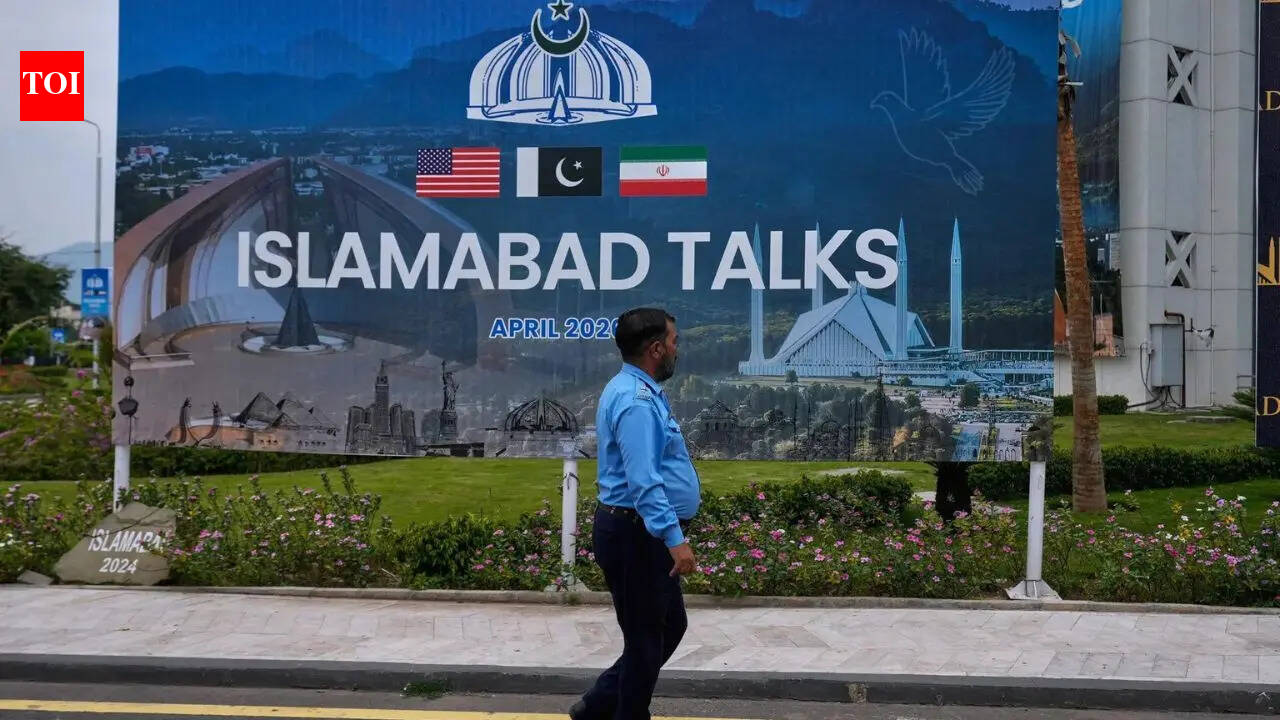
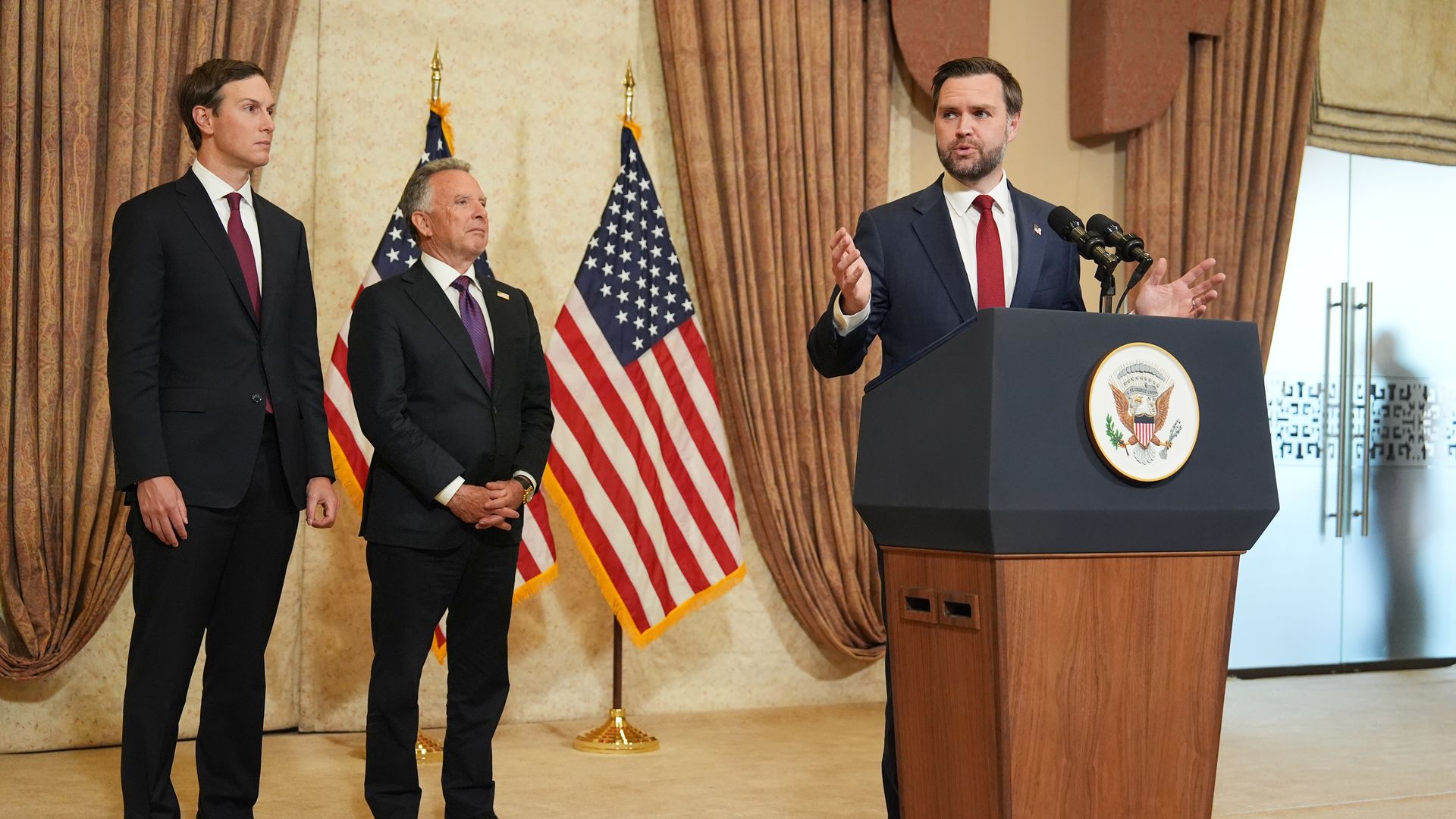
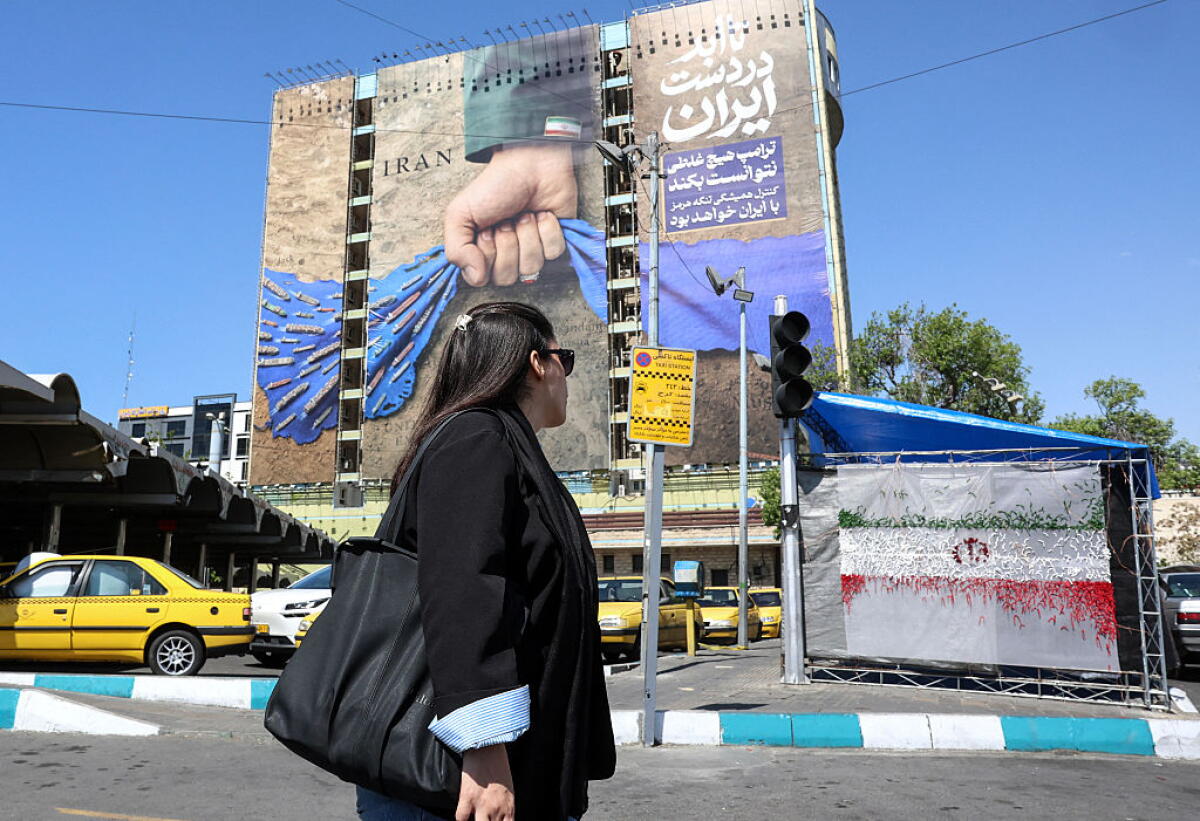
The ongoing Iran-US nuclear negotiations represent a critical inflection point for global e-commerce logistics, with the Strait of Hormuz closure directly impacting 20% of global oil and gas transit. As of April 16, 2026, Reuters reports that U.S. and Iranian negotiators are pursuing a temporary memorandum rather than a comprehensive deal, with a proposed 60-day negotiation window before final resolution. This extended timeline creates immediate operational challenges for cross-border sellers relying on traditional shipping corridors through the Persian Gulf.
The logistics impact is substantial and quantifiable: The Strait of Hormuz closure forces shipping companies to reroute vessels around Africa's Cape of Good Hope, adding 10-14 days to transit times and increasing fuel costs by 8-15% for affected shipments. For sellers shipping high-volume, time-sensitive categories (electronics, apparel, perishables), this translates to $200-500 additional costs per 40-foot container. Amazon FBA sellers shipping from Asia-Pacific to US/EU warehouses face particular pressure, as approximately 35-40% of container traffic from China, Vietnam, and India traditionally routes through the Strait. The energy cost volatility compounds these challenges—oil prices typically spike 15-25% during geopolitical supply disruptions, directly increasing air freight premiums and 3PL handling fees.
Competitive dynamics shift dramatically during this window: Large sellers with established 3PL relationships and pre-positioned inventory in regional fulfillment centers (US, EU, India) can absorb routing delays and maintain Buy Box eligibility. Small-to-medium sellers (SMBs) relying on just-in-time inventory from China face 2-3 week delivery delays, risking inventory stockouts and IPI score penalties on Amazon. This creates a 60-day arbitrage opportunity: sellers can shift 20-30% of inventory to alternative sourcing countries (Vietnam, India, Thailand) where tariff rates remain stable and shipping routes bypass the Strait entirely. Vietnam-to-US shipping via Singapore adds only 2-3 days versus traditional China-Middle East-Europe routes, while maintaining similar cost structures.
Strategic sourcing shifts are already underway: Electronics sellers are accelerating Vietnam sourcing (HS codes 8471-8517 for computing/telecom equipment), where tariff rates average 2-5% versus China's 15-25% under current trade tensions. Apparel sellers (HS 6204-6209) are exploring India and Bangladesh alternatives, where duty rates remain 8-12% and shipping via Indian Ocean routes avoids Strait dependency. The 60-day negotiation window provides a critical window before sanctions relief potentially normalizes shipping costs—sellers who diversify sourcing now lock in competitive advantages before competitors react.
Questions 8
How should I adjust my Amazon PPC strategy during shipping delays?
Reduce PPC spend on inventory-constrained SKUs by 30-40% to avoid wasted ad spend on out-of-stock listings. Shift budget toward slower-moving inventory (BSR 10,000+) that won't stockout during delays, and increase bids on fast-moving items (BSR under 5,000) from alternative suppliers. The news indicates 60-day delays, so pause campaigns for items with less than 45 days of inventory. Increase conversion rate optimization (CRO) on existing inventory—improve product photography, A+ content, and reviews to maximize sales velocity without increasing inventory risk. Monitor your Seller Central dashboard for IPI warnings; if in-stock rate drops below 90%, immediately reduce PPC spend and reallocate budget to inventory replenishment from Vietnam/India suppliers. This protects your account health while maintaining profitability during the disruption window.
Should I shift sourcing from China to Vietnam or India during this crisis?
Yes, a 20-30% sourcing shift to Vietnam/India is strategically sound during the 60-day negotiation window. Vietnam offers 2-5% tariff rates on electronics versus China's 15-25%, while India provides 8-12% rates on apparel versus China's 20-25%. Vietnam-to-US shipping via Singapore adds only 2-3 days versus traditional 35-40 day China routes through the Strait. The key advantage: Vietnam/India sourcing bypasses Strait dependency entirely, protecting against future geopolitical disruptions. However, establish relationships now—supplier onboarding typically takes 30-45 days. Lock in pricing before sanctions relief normalizes shipping costs and eliminates your competitive advantage.