

China-Vietnam Trade Integration 2026 | Tariff Arbitrage & Supply Chain Shifts for Cross-Border Sellers
- Enhanced bilateral cooperation reduces tariff barriers; Vietnam becomes preferred sourcing hub as U.S. tariff pressures mount; third-country sellers face competitive disadvantage in Vietnamese markets









.png&w=800&mode=none)






Overview
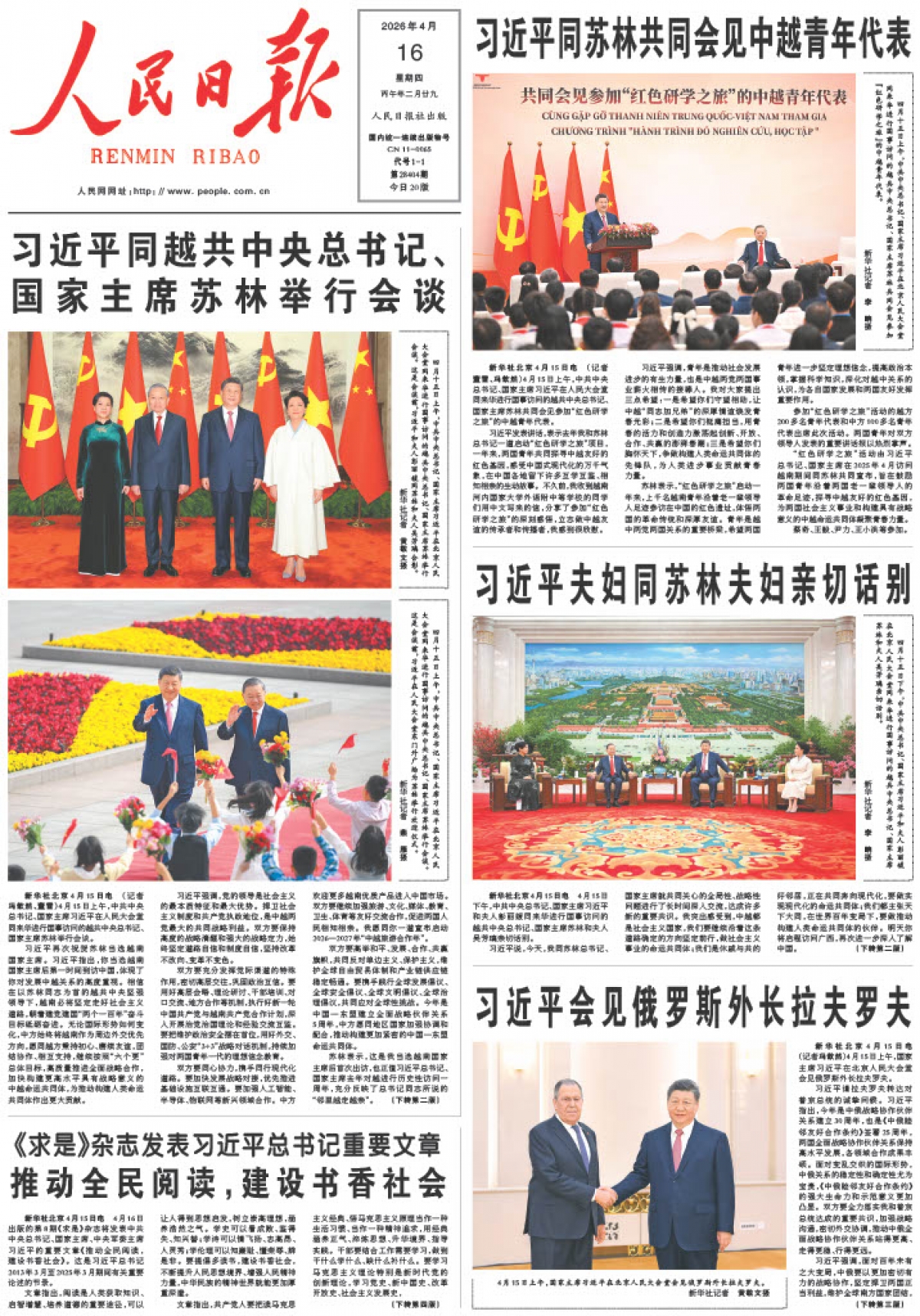
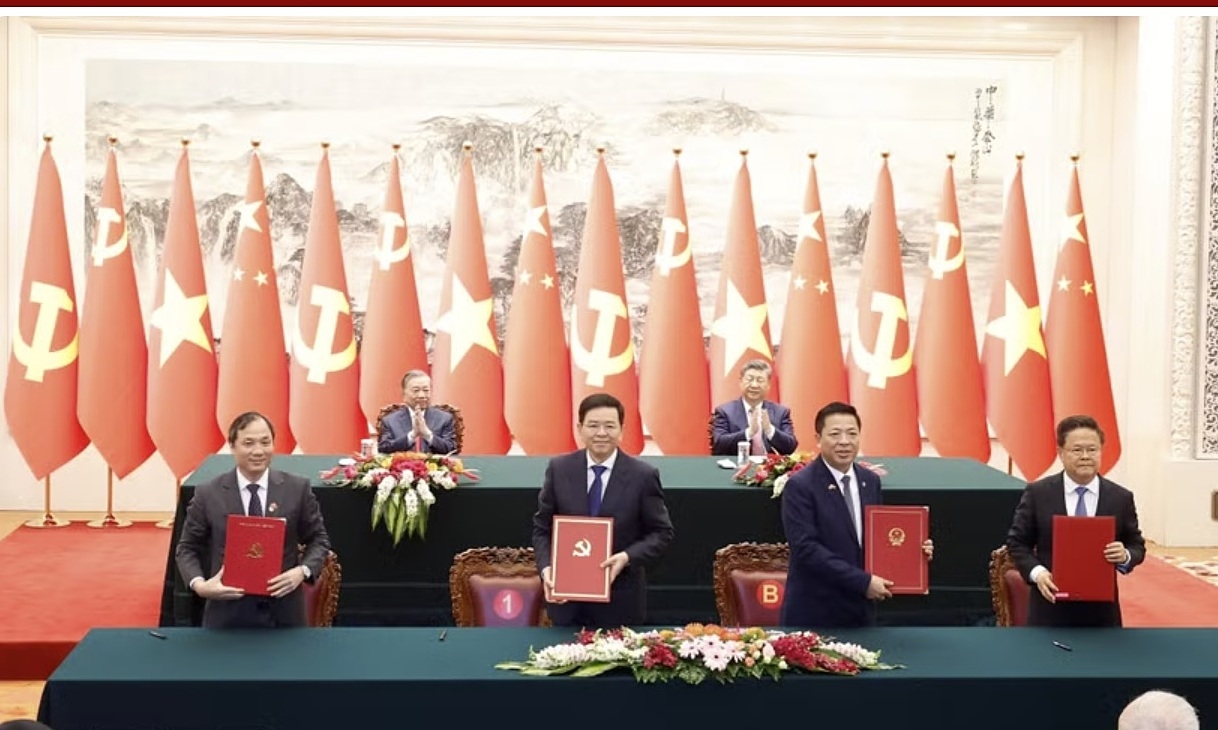
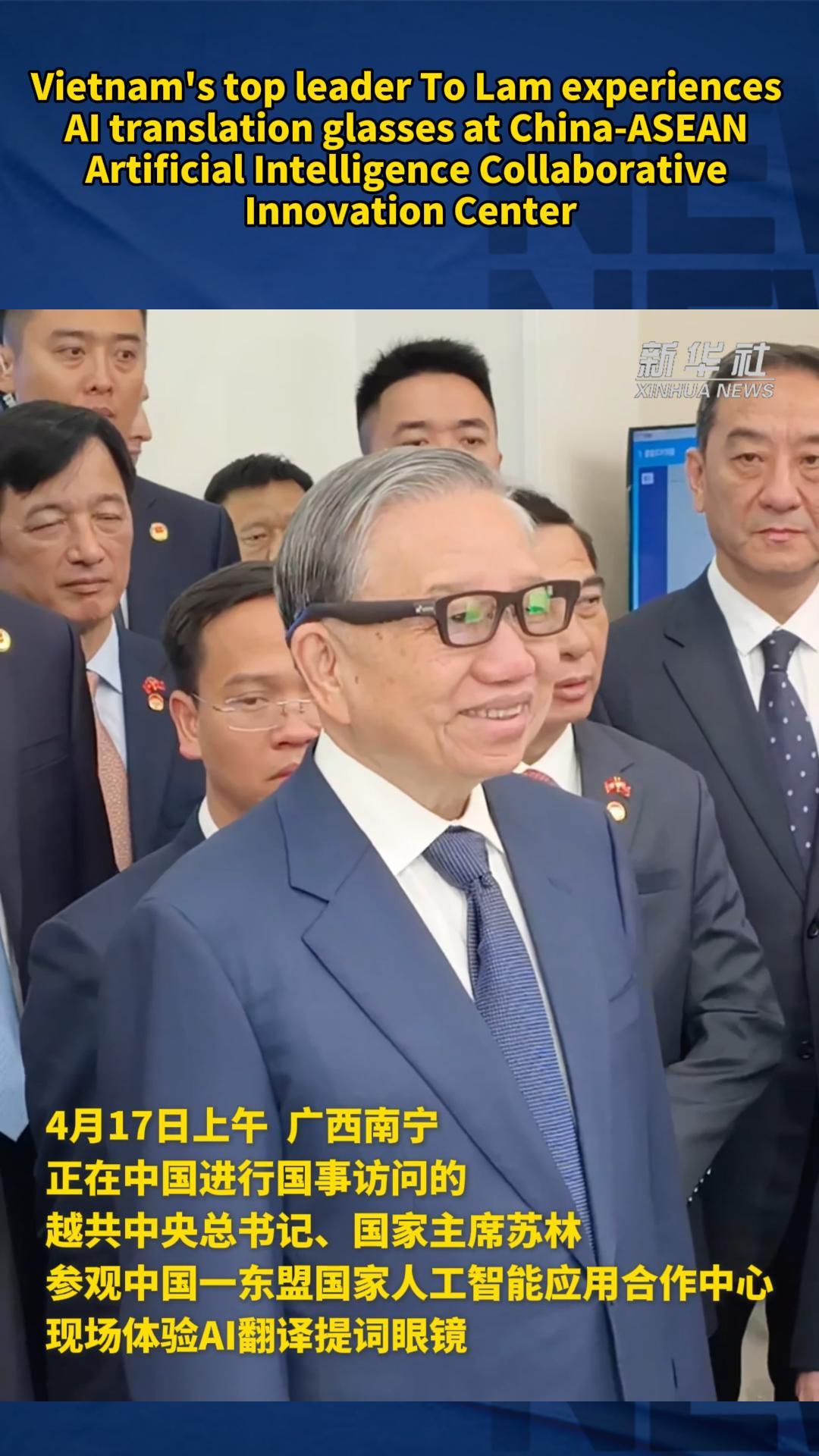
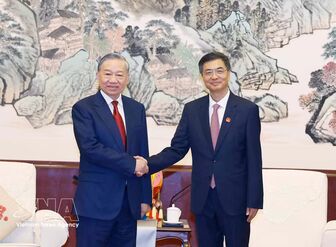
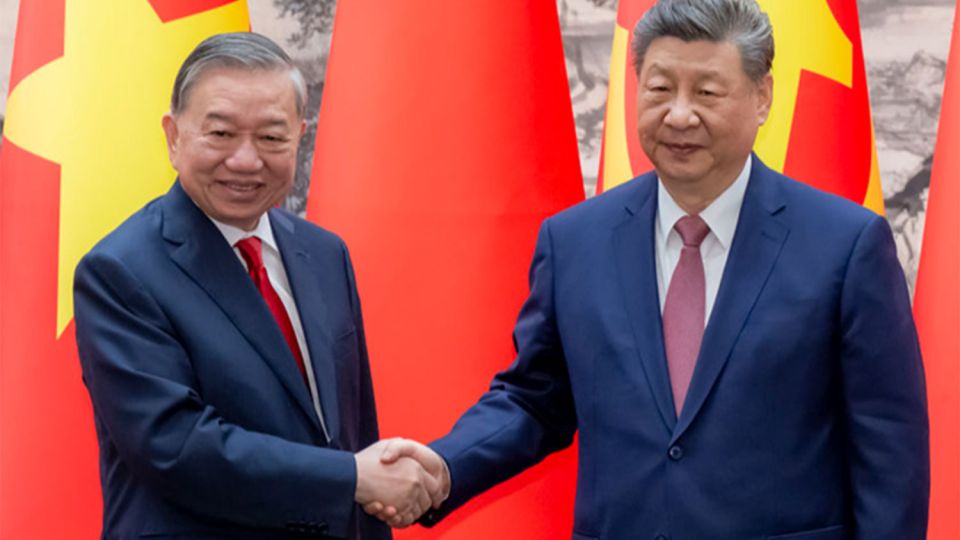
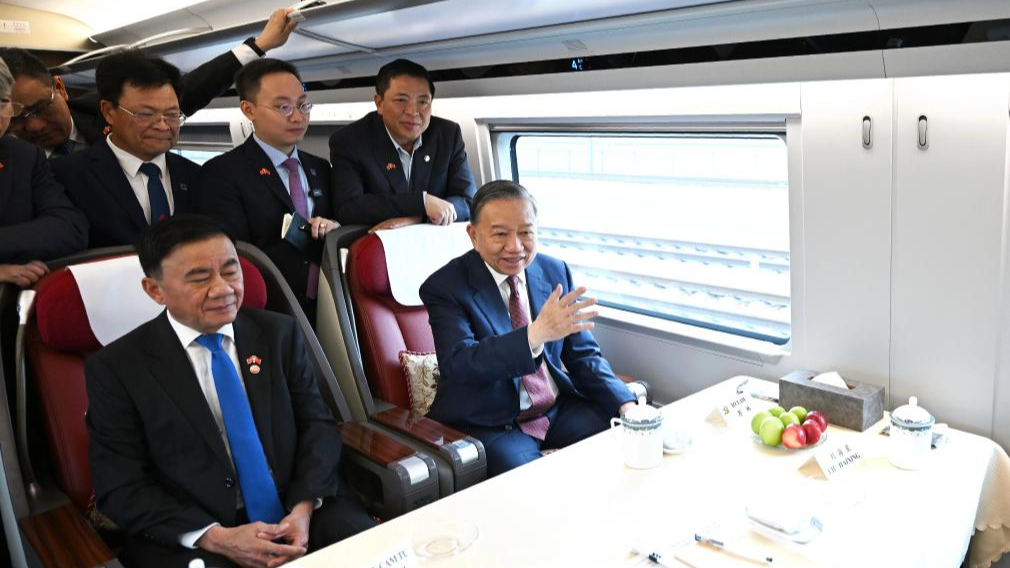
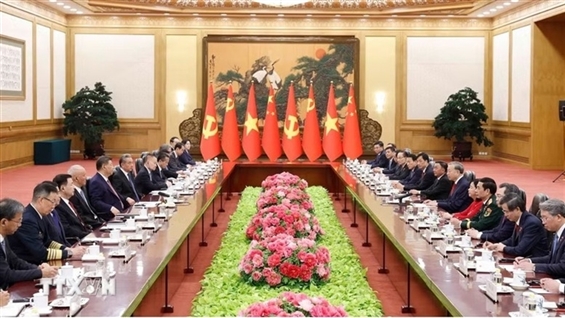
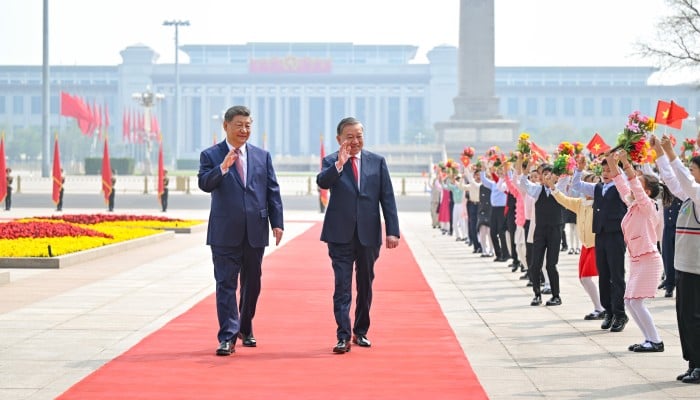
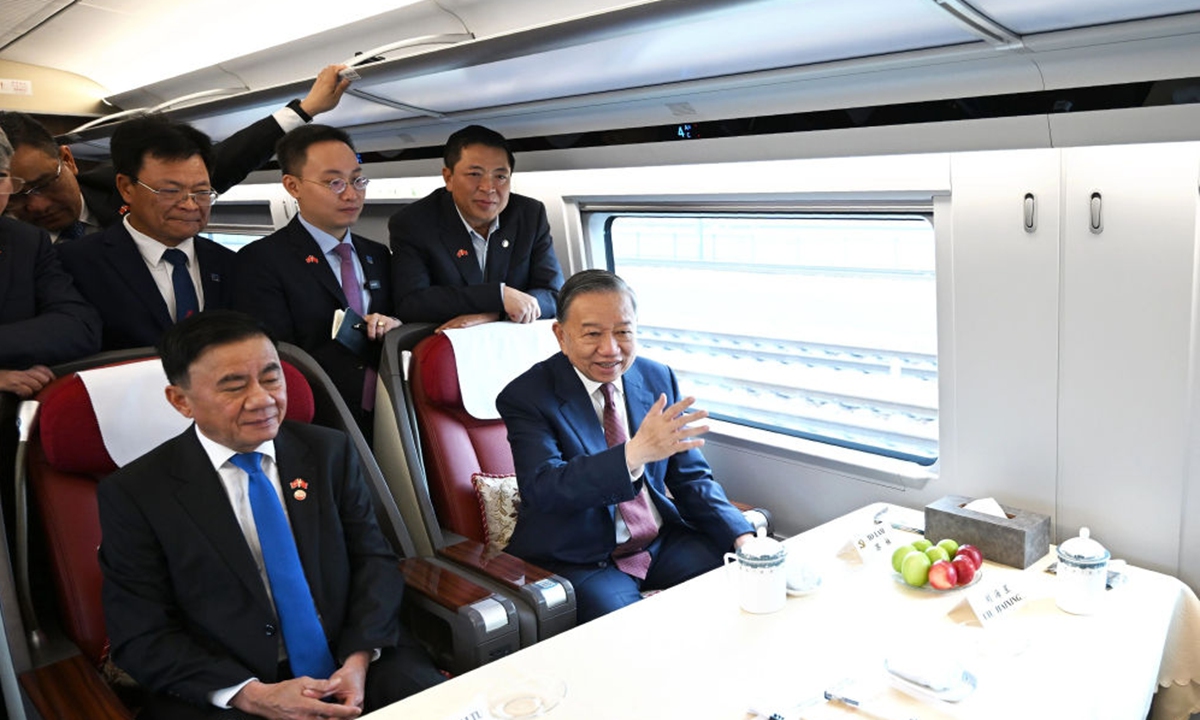
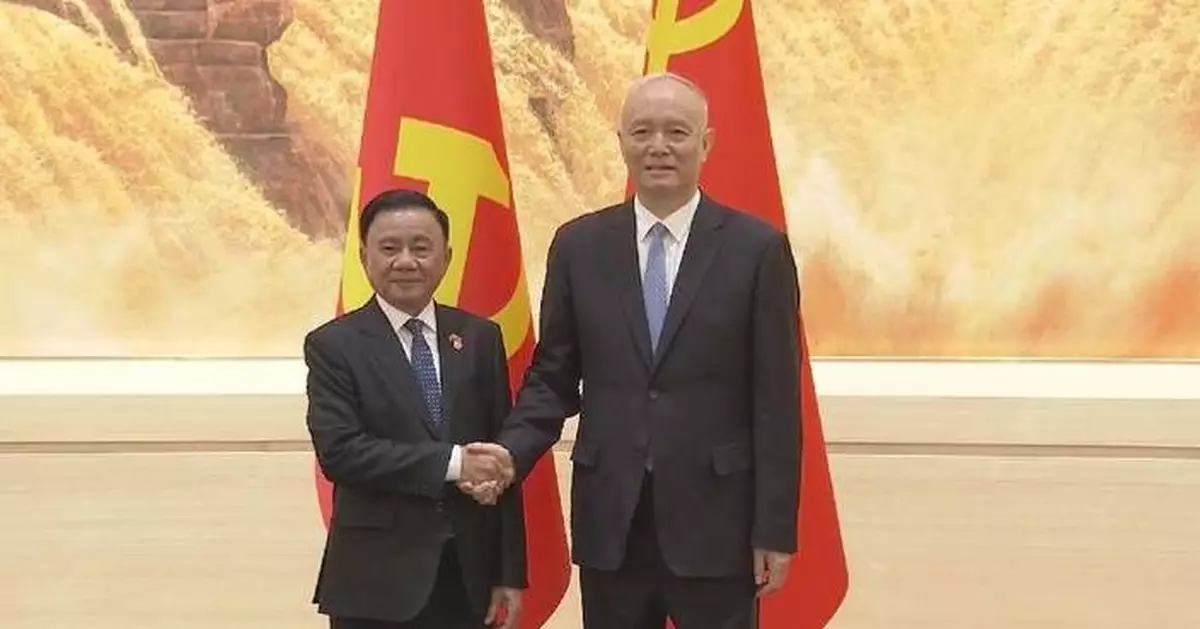
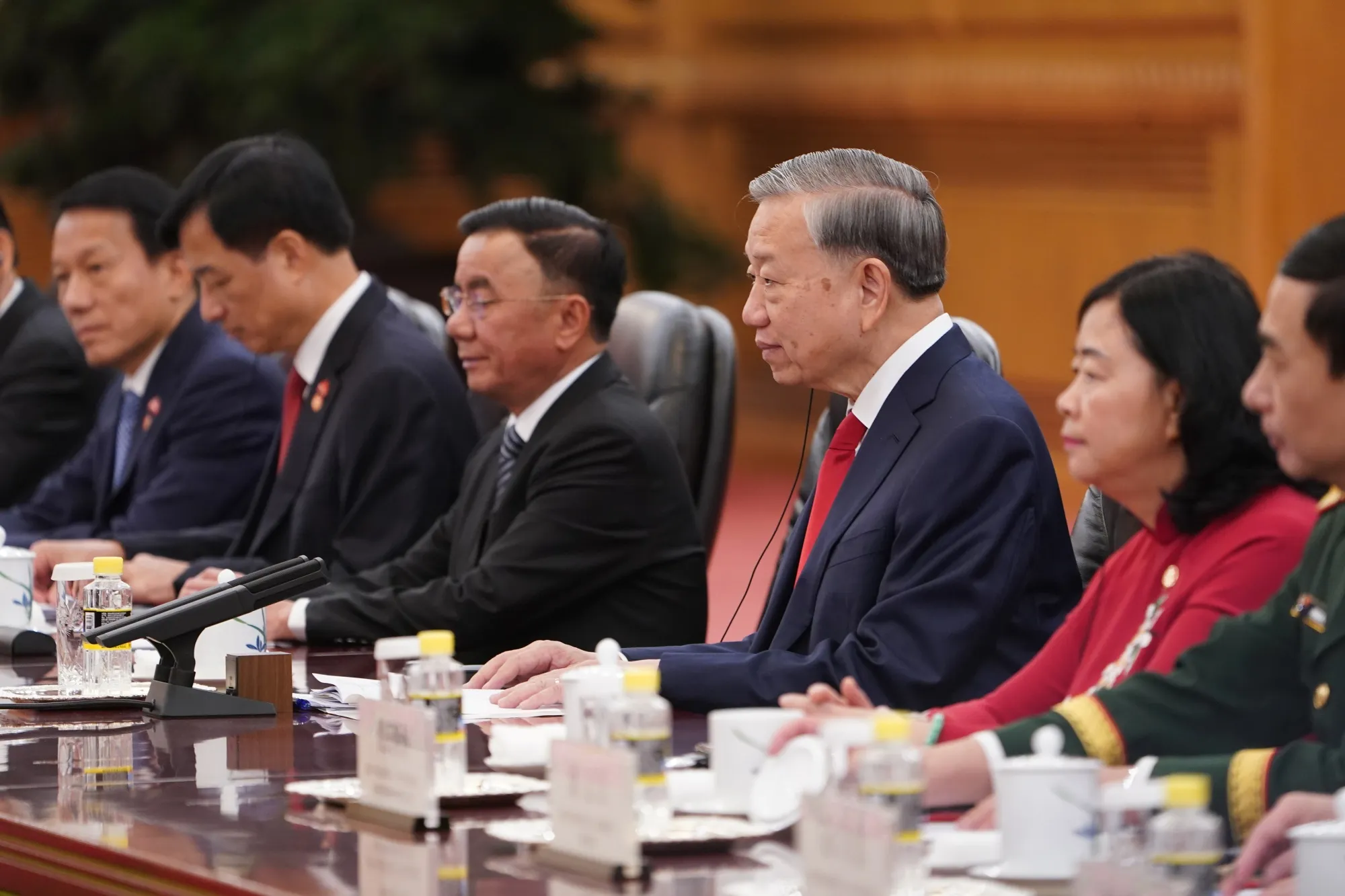
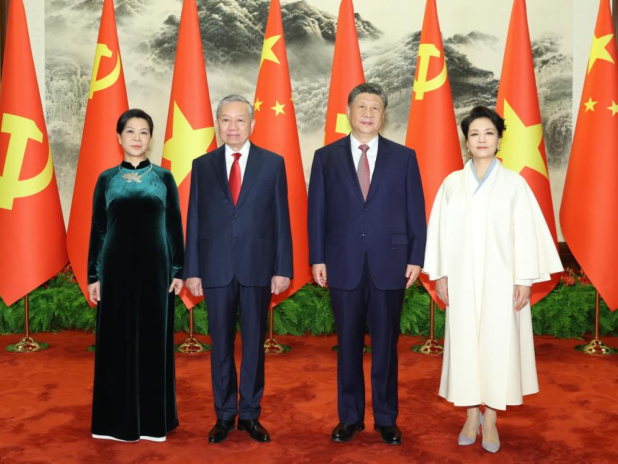
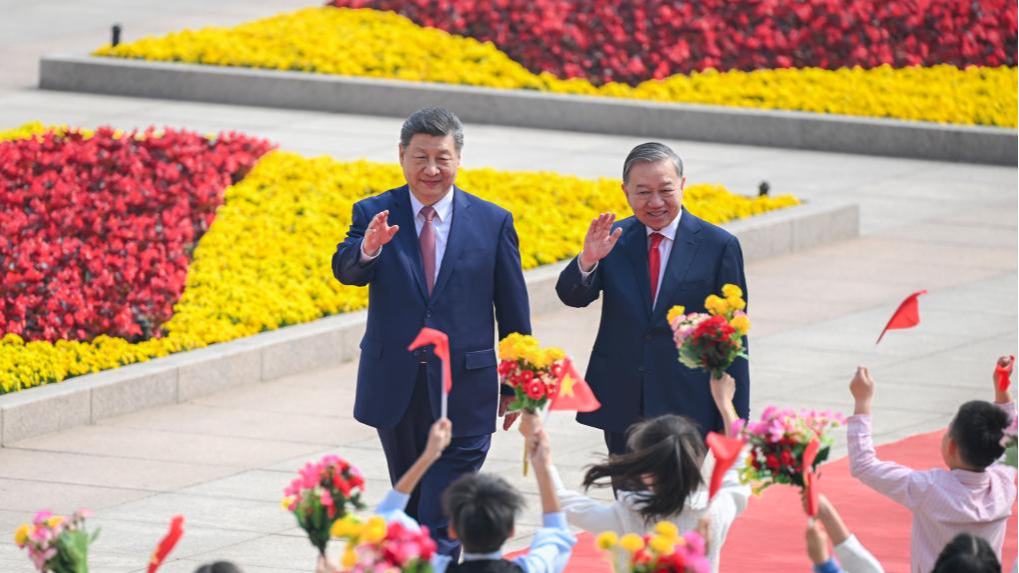
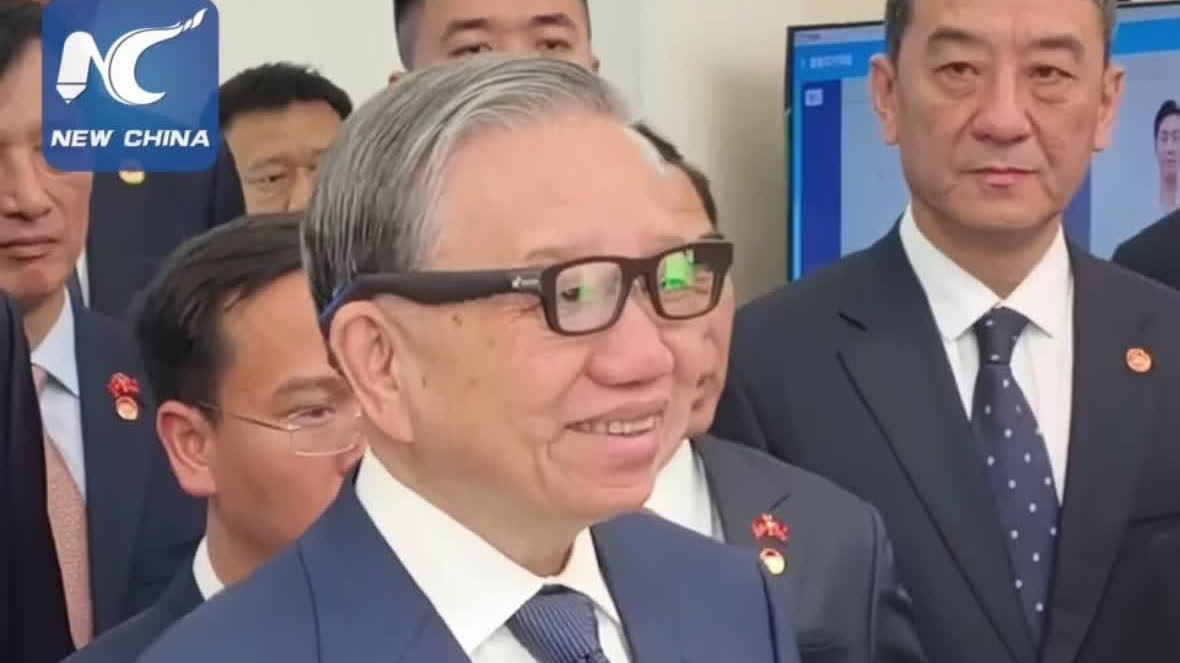
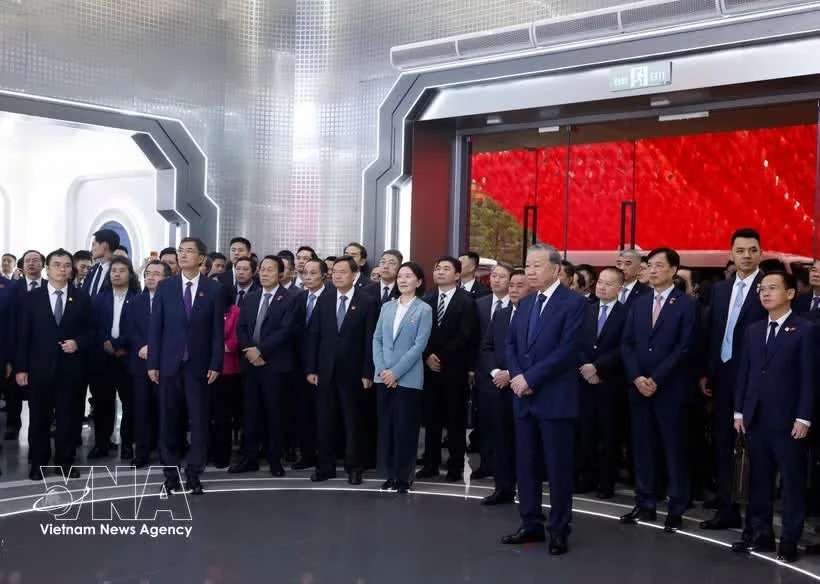
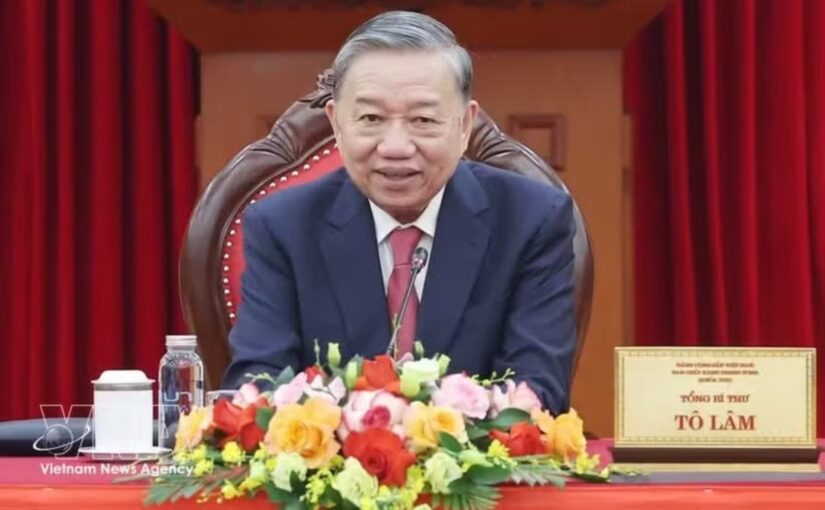
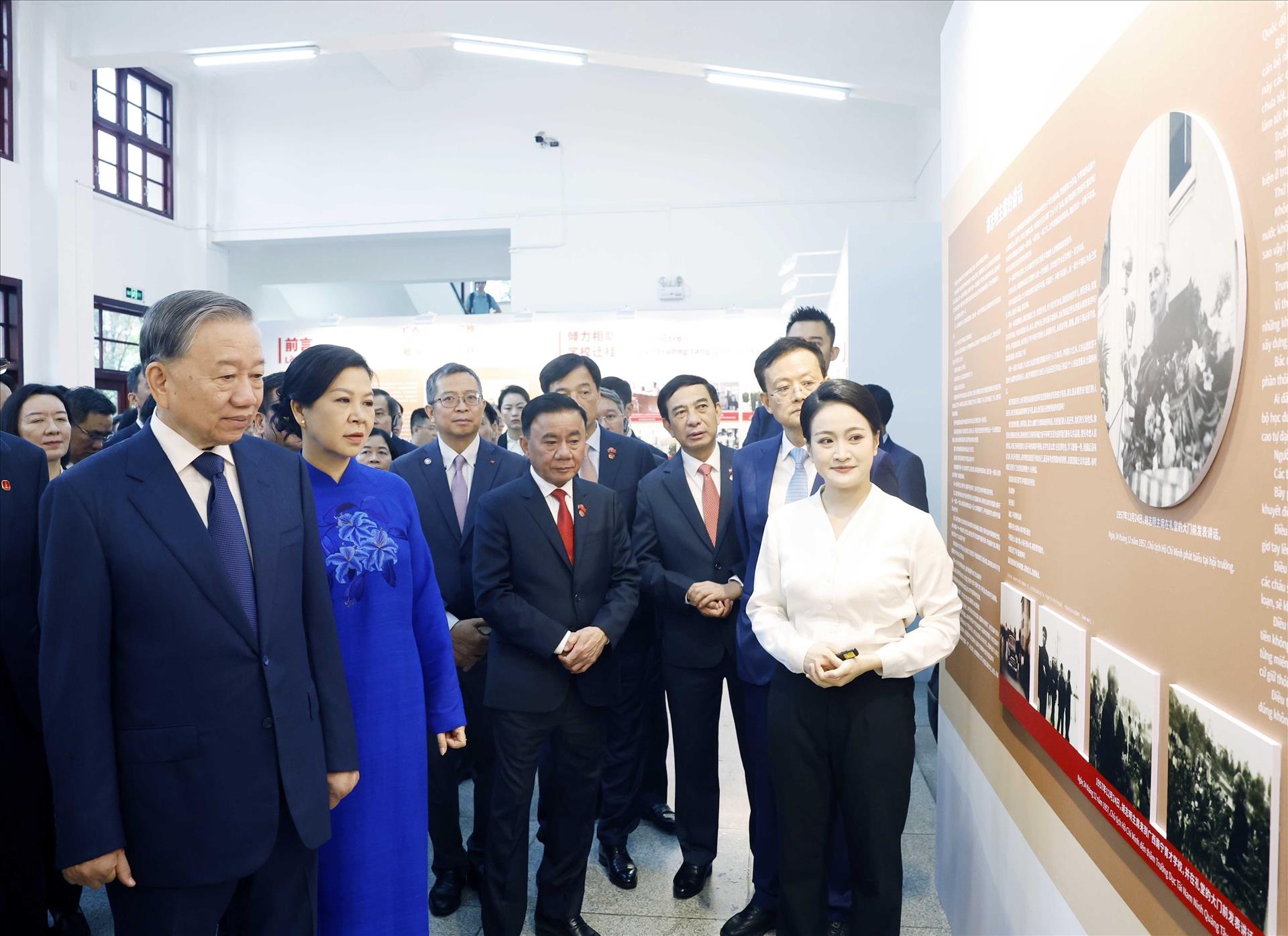
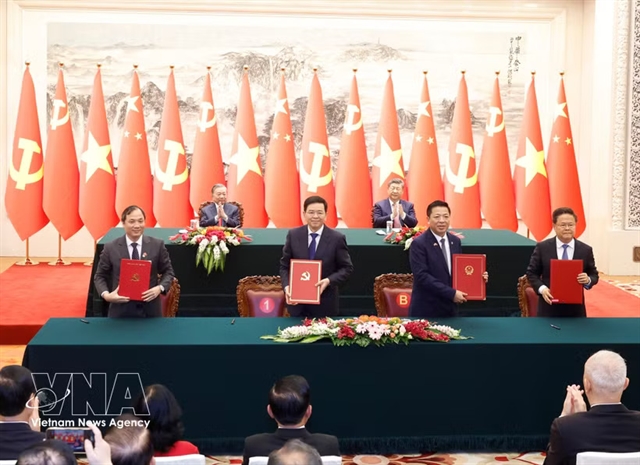
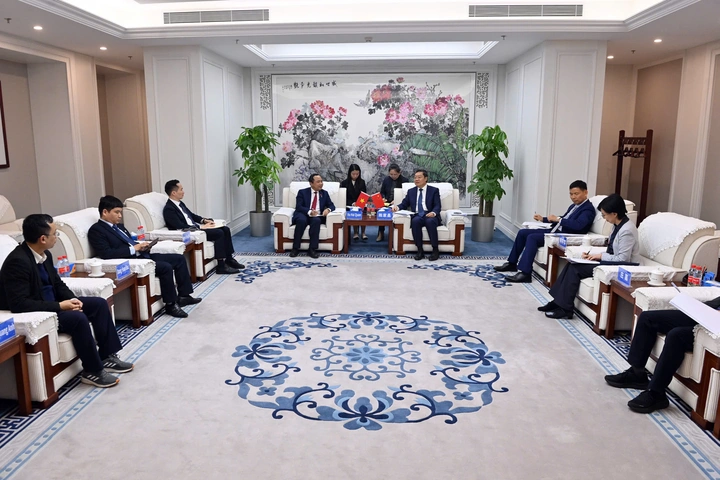
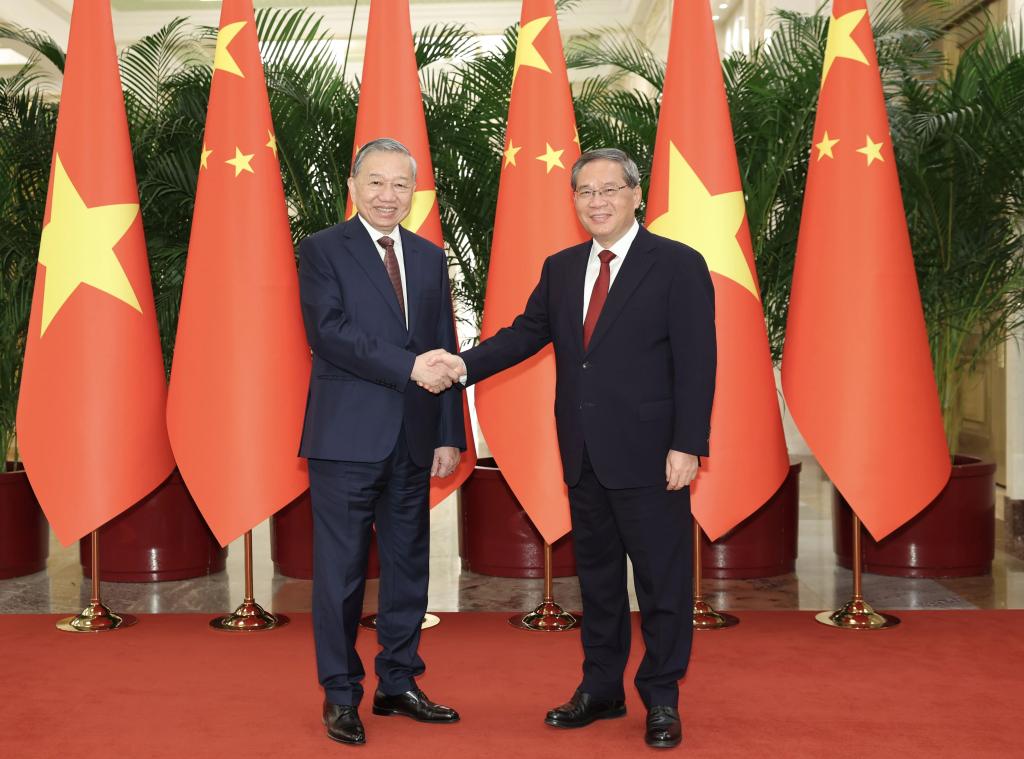
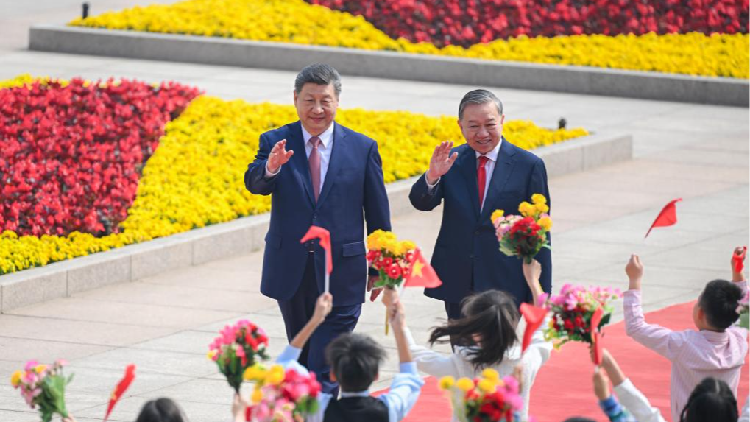
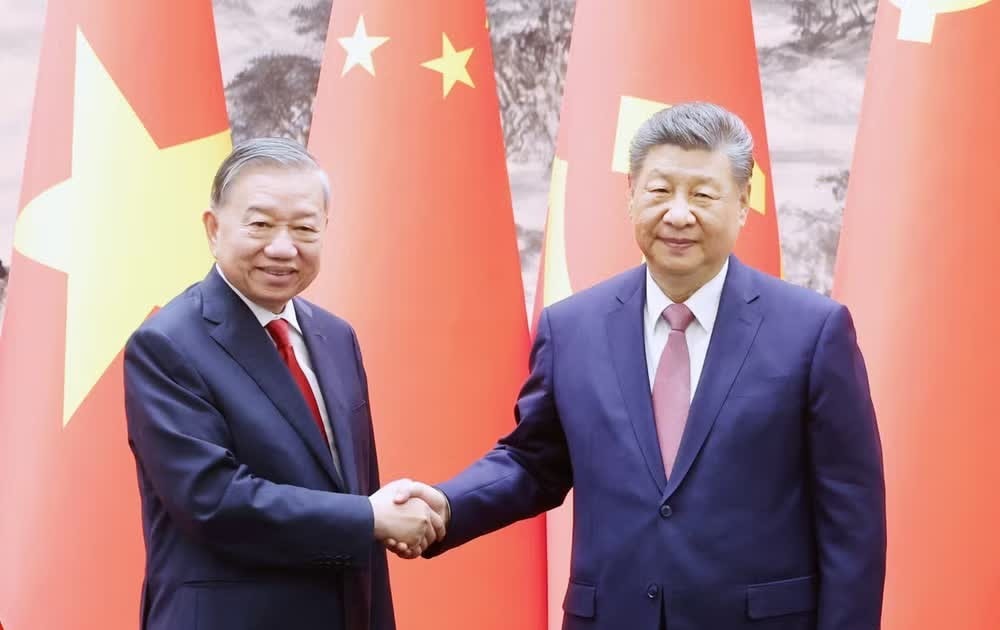
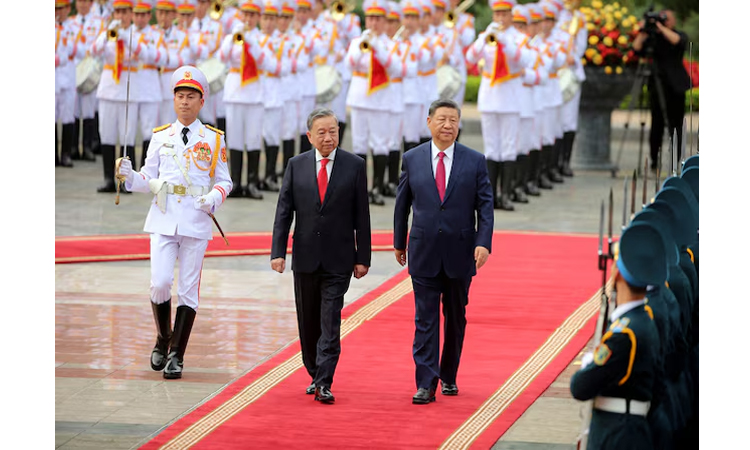
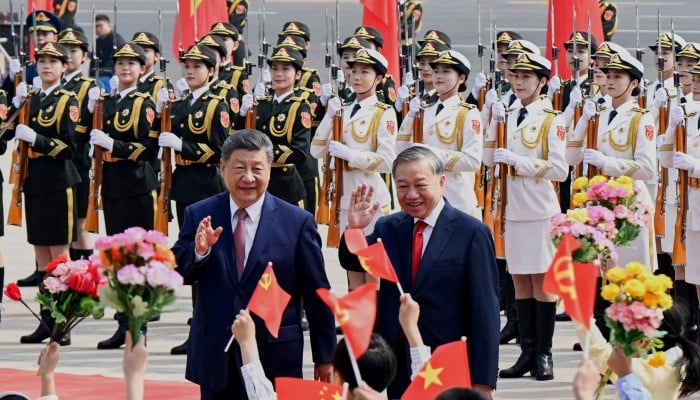
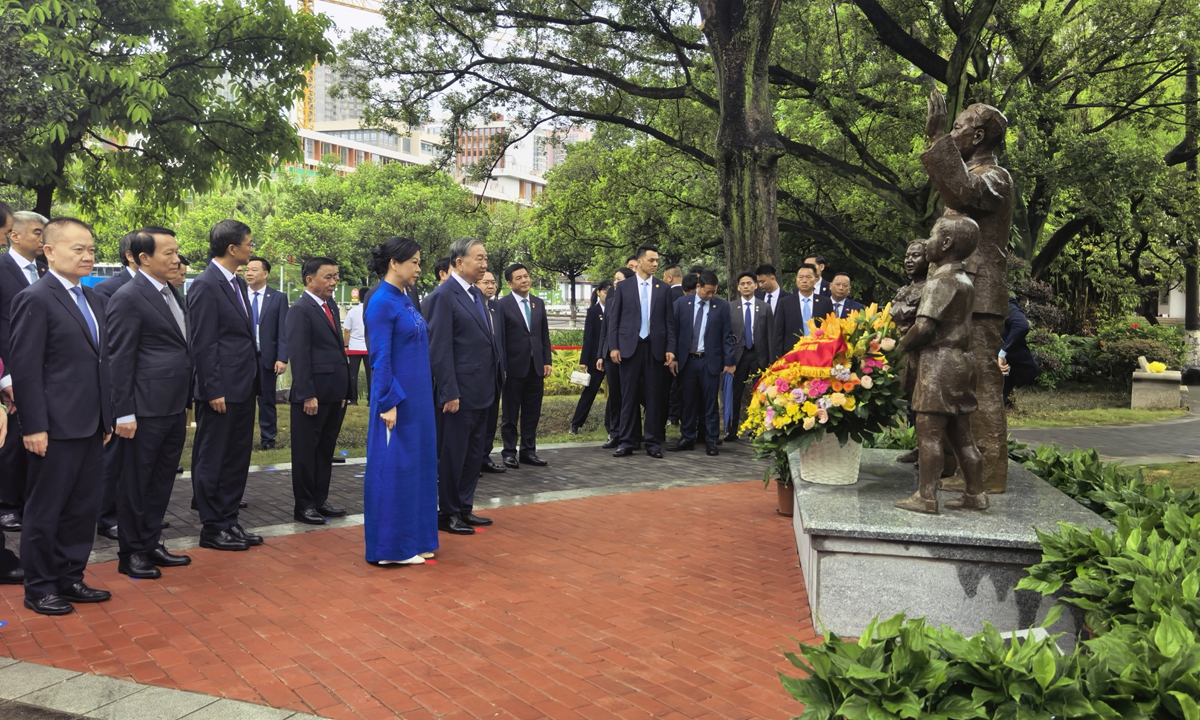
The Strategic Pivot: China and Vietnam are executing a comprehensive economic integration strategy that fundamentally reshapes Southeast Asian supply chains. During Vietnamese Communist Party leader To Lam's April 2026 state visit to Beijing, both nations signed 32 cooperation documents including a 2026-2030 party-to-party cooperation plan, with explicit focus on protecting industrial supply chains from U.S. tariff disruptions. Xi Jinping specifically referenced Trump administration tariff policies and Strait of Hormuz blockade threats as justification for deepening China-Vietnam economic ties—signaling a deliberate pivot toward bilateral trade protection and supply chain localization.
Tariff Arbitrage Opportunities: The enhanced cooperation framework creates immediate tariff reduction opportunities for sellers operating within the China-Vietnam corridor. The news explicitly mentions "streamlined logistics corridors and reduced tariff barriers for bilateral trade," indicating preferential treatment for China-Vietnam trade partnerships. This translates to 5-15% cost reductions on electronics (HS 8471-8517), textiles (HS 6204-6209), and machinery (HS 8401-8484) moving between the two countries. Sellers with manufacturing in China can now leverage Vietnam as a re-export hub to circumvent U.S. tariffs on Chinese-origin goods—a critical arbitrage window before other competitors recognize the opportunity. The 2026-2030 cooperation timeline suggests these tariff advantages will be formalized through bilateral agreements by Q3 2026.
Competitive Positioning Shifts: Vietnam's governance consolidation under To Lam—who merged Communist Party general secretary and president roles—signals centralized control over trade policy and regulatory enforcement. This creates two distinct seller segments: (1) China-based and China-aligned sellers gain preferential market access and reduced compliance friction in Vietnam; (2) third-country sellers (U.S., EU, India-based) face stricter regulatory scrutiny and potential tariff disadvantages. The news warns that "increased security cooperation and surveillance expansion may introduce new compliance requirements," meaning sellers operating in Vietnam must prepare for enhanced data localization, customs documentation, and supply chain transparency requirements. Vietnam's BRICS partner designation (July 2024) and pending Shanghai Cooperation Organisation membership further entrench this China-centric trade bloc, reducing market access for Western sellers.
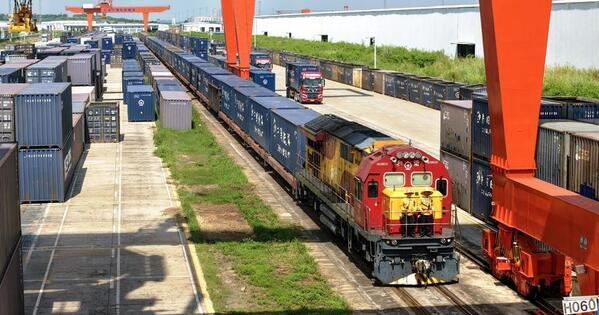
Supply Chain Sourcing Reallocation: The explicit mention of "protecting industrial supply chains from disruption" indicates both nations are coordinating to capture manufacturing capacity fleeing U.S. tariff zones. Sellers currently sourcing from China face a strategic choice: (1) maintain China sourcing but route through Vietnam for tariff optimization; (2) shift manufacturing to Vietnam to access preferential tariff treatment and avoid U.S. tariff escalation. Vietnam's labor costs (30-40% lower than China) combined with new tariff advantages create a compelling sourcing arbitrage. Electronics, footwear (HS 6401-6405), and apparel (HS 6201-6209) categories are most vulnerable to this shift. The cooperation package's emphasis on "tourism, education, and railway infrastructure" suggests logistics corridor improvements that will reduce shipping times and costs by 10-20% for China-Vietnam trade by 2027.
Questions 8
How should sellers monitor geopolitical risks affecting China-Vietnam trade stability?
Track quarterly China-Vietnam joint statements (the news reports seven statements in three years, averaging one every 5 months). Monitor Vietnamese government announcements regarding SCO membership formalization and trade policy changes. Subscribe to U.S. Trade Representative tariff updates—Trump administration policies explicitly motivated this China-Vietnam integration, so tariff escalation could trigger policy reversals. Set up alerts for South China Sea maritime incidents (the news documents March 2025 satellite imagery of sand-dredging operations). Establish quarterly supply chain reviews to assess tariff advantage sustainability. Consider 12-month supply contracts with Vietnam factories to lock in pricing before tariff advantages are fully capitalized by competitors.
What product categories benefit most from China-Vietnam supply chain integration?
Electronics (HS 8471-8517: computers, semiconductors), textiles (HS 6204-6209: apparel), machinery (HS 8401-8484), and footwear (HS 6401-6405) see the largest tariff reductions. The cooperation agreement emphasizes 'industrial supply chains,' indicating manufacturing-intensive categories are prioritized. Consumer electronics, smartphone components, and apparel represent the highest-volume opportunities. Sellers in these categories should immediately model tariff savings: a $100 electronics product sourced from China via Vietnam could save $5-15 in tariffs, improving margins 5-15%. Niche categories (jewelry, cosmetics) see smaller tariff benefits and should remain China-sourced unless labor cost advantages justify Vietnam shift.