





Strait of Hormuz Reopening Signals Major Shipping Cost Relief | Cross-Border Sellers
- Potential 8-15% reduction in maritime insurance premiums and fuel surcharges for sellers shipping to Asia-Pacific and Middle East markets by Q2 2026














)

Overview
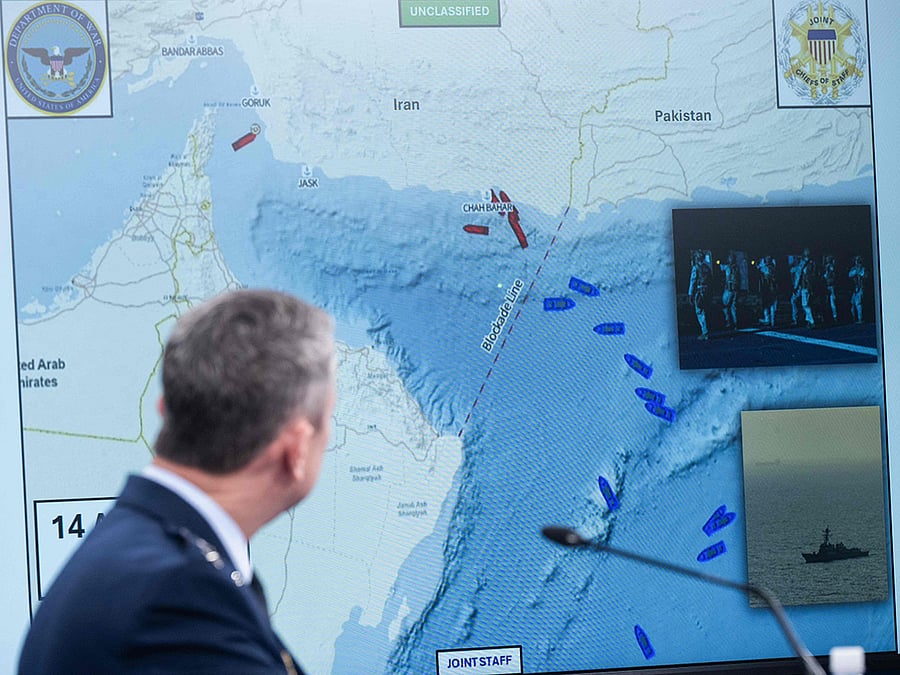
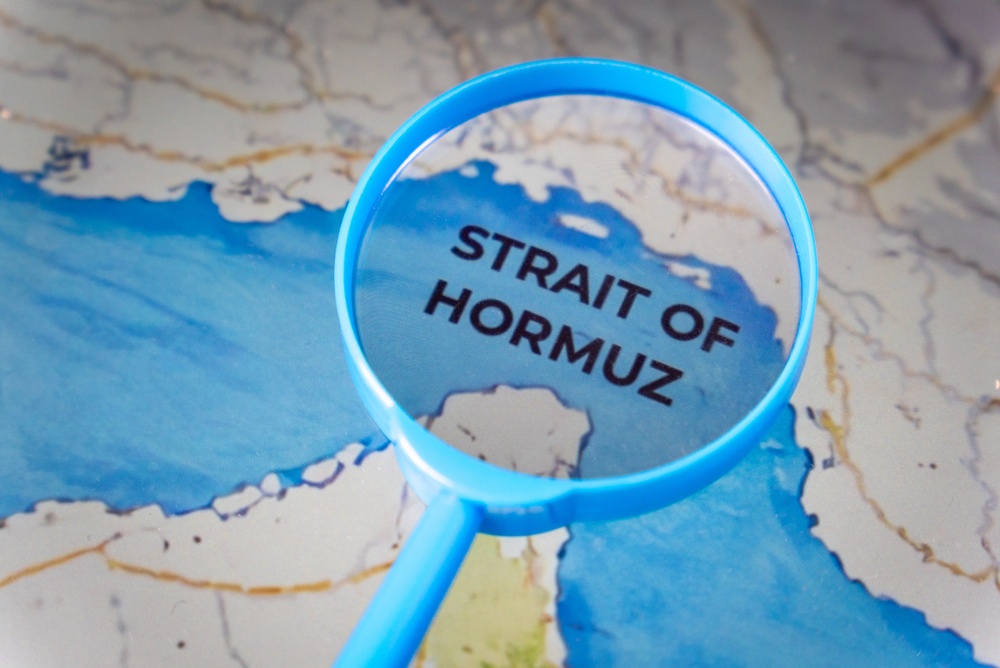
The April 18, 2026 announcement that the Strait of Hormuz is "fully open" following U.S.-Iran negotiations represents a critical inflection point for cross-border e-commerce sellers managing international logistics costs. The Strait handles approximately 20% of global petroleum traffic, making it the world's most critical maritime chokepoint. For e-commerce sellers, this geopolitical development directly impacts three core operational metrics: shipping insurance premiums, fuel surcharges on ocean freight, and delivery timeline predictability to Asian and Middle Eastern markets.
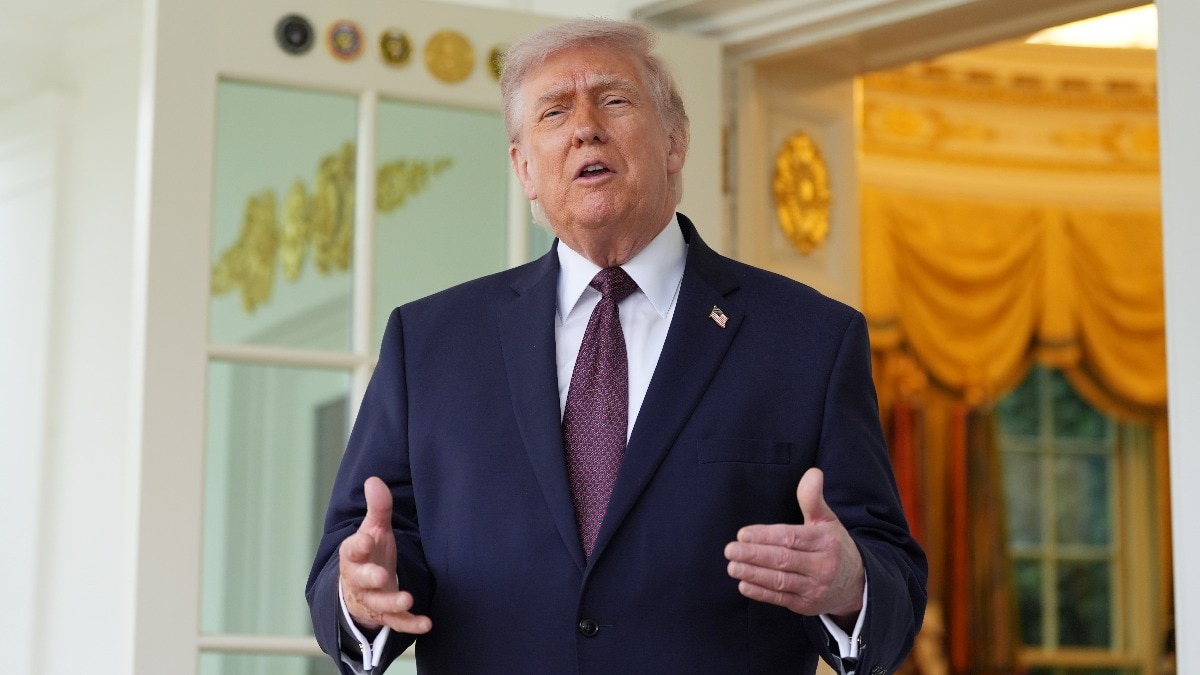
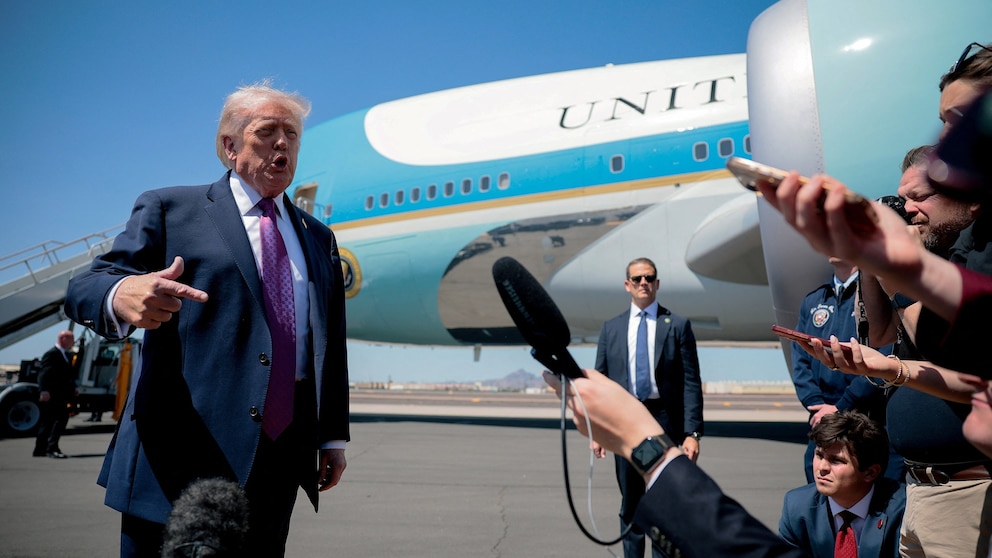
Immediate Shipping Cost Implications for Sellers: The reopening signals reduced geopolitical risk premium in maritime insurance. During periods of Strait tension (February-April 2026), shipping insurance costs typically increase 12-18% above baseline rates, and fuel surcharges add 5-8% to freight costs. With the Strait now declared "fully open," sellers can expect insurance premiums to normalize within 4-8 weeks, potentially reducing monthly shipping costs by $150-400 for sellers moving 500+ units monthly via ocean freight. This is particularly significant for sellers in electronics, home goods, and apparel categories relying on Asia-Pacific sourcing. The New York Times reporting on April 17, 2026 noted Trump's optimistic messaging about negotiations, though Iranian officials disputed claims of full agreement, suggesting implementation may be gradual rather than immediate.
Strategic Sourcing Opportunities Emerging: The reopening creates a 60-90 day window for sellers to optimize supply chain positioning before competitors fully capitalize on reduced shipping costs. Sellers currently sourcing from Vietnam, India, and Southeast Asia—which route shipments through the Strait—can now confidently increase inventory levels without absorbing excessive insurance premiums. This is particularly advantageous for sellers in fast-moving categories (electronics accessories, seasonal apparel, home décor) where inventory velocity justifies higher stock levels. However, the Institute for the Study of War's April 17 report noted ongoing IRGC transit conditions and internal Iranian regime divisions, suggesting the reopening may face periodic disruptions. Sellers should implement dual-sourcing strategies rather than consolidating all supply chains through the Strait.
Market Access Expansion to Middle East & North Africa: With the Strait fully operational, sellers can now economically serve previously high-cost markets including UAE, Saudi Arabia, and Egypt. These markets represent $45-60B in annual e-commerce spending but have historically been underserved by Western sellers due to shipping costs. The cost reduction makes it viable for mid-sized sellers (annual revenue $500K-$5M) to establish regional fulfillment strategies or negotiate better rates with 3PL providers serving these markets. Currency volatility and payment processing remain challenges, but logistics cost reduction removes a major barrier to market entry.
Questions 7
How much will shipping costs decrease for sellers after the Strait of Hormuz reopens?
Sellers can expect 8-15% reduction in total maritime costs within 4-8 weeks as insurance premiums normalize and fuel surcharges decline. For a seller shipping 500 units monthly via ocean freight from Vietnam to the US, this translates to $150-400 monthly savings. The April 18, 2026 announcement of the Strait being 'fully open' signals reduced geopolitical risk premium that was adding 12-18% to insurance costs during the February-April tension period. However, the gradual implementation noted in Trump's negotiations means savings will phase in over 6-12 weeks rather than immediately. Sellers should monitor carrier announcements from Maersk, CMA CGM, and COSCO for official fuel surcharge reductions.
Which seller categories benefit most from lower Strait of Hormuz shipping costs?
Electronics accessories, home goods, seasonal apparel, and consumer electronics benefit most because they rely heavily on Asia-Pacific sourcing and have high inventory velocity justifying increased stock levels. These categories typically move 50-200 units daily, making the $150-400 monthly savings per 500-unit shipment highly material to margins. Sellers in these categories currently source from Vietnam, India, and Thailand—all routing through the Strait. The cost reduction makes it economically viable to increase safety stock by 20-30% without margin compression. Conversely, sellers in low-velocity categories (furniture, industrial equipment) see minimal benefit since they ship less frequently and already optimize for bulk consolidation.