




Fuel Cost Collapse Reshapes Logistics Economics | 8-12% Shipping Rate Reductions for E-Commerce Sellers
- Gasoline prices drop $1/gallon in 2 weeks; carrier cost compression creates 60-90 day window for margin recovery before market repricing















Overview
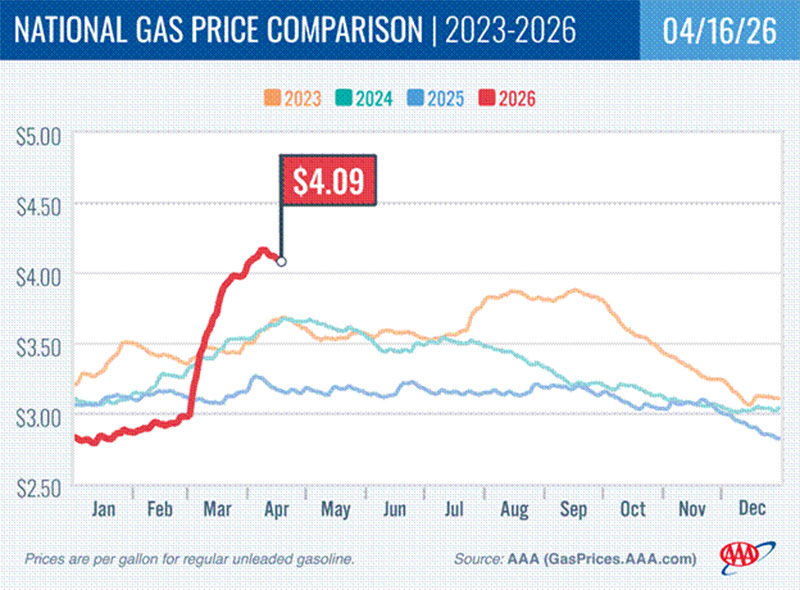
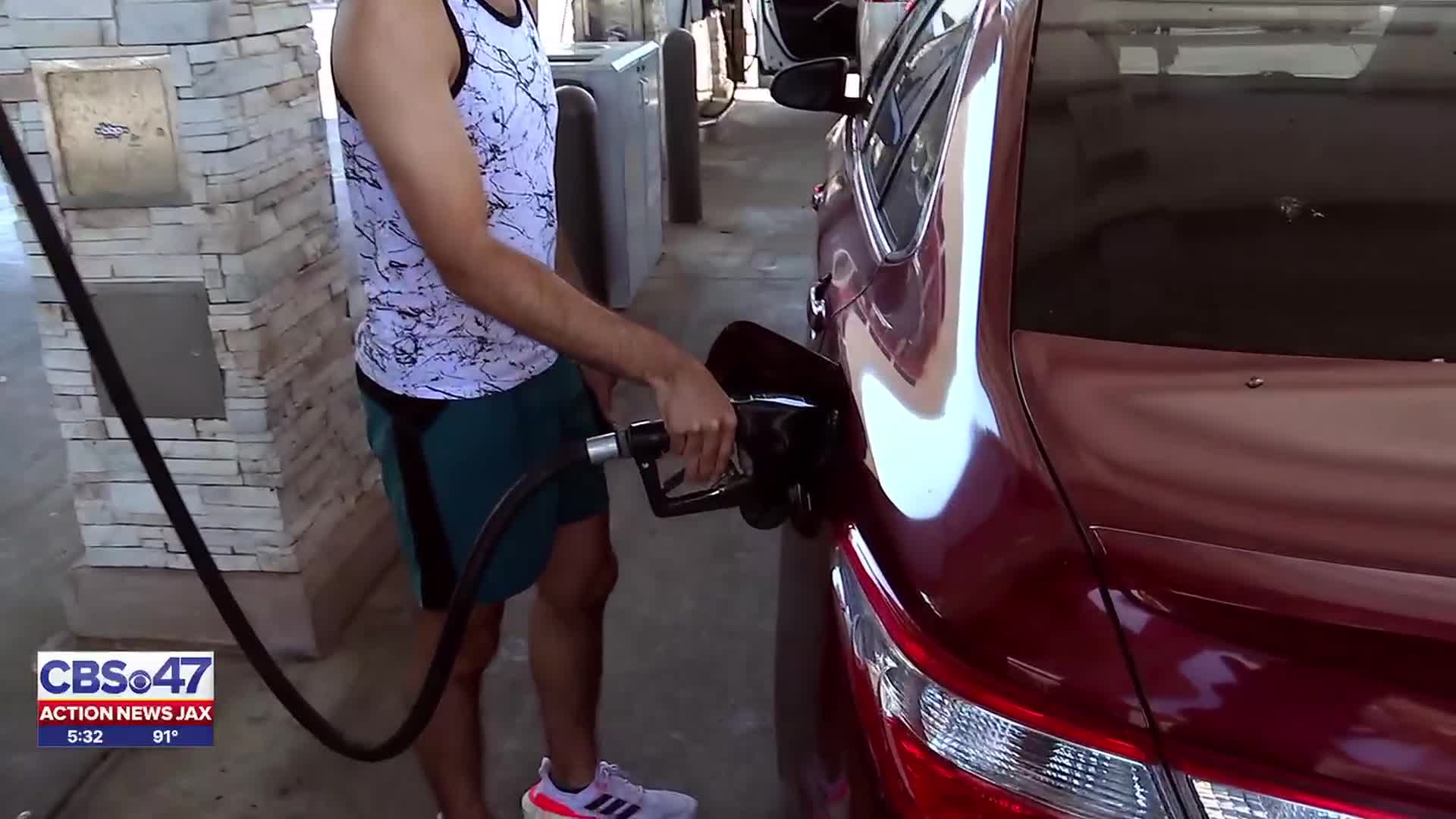
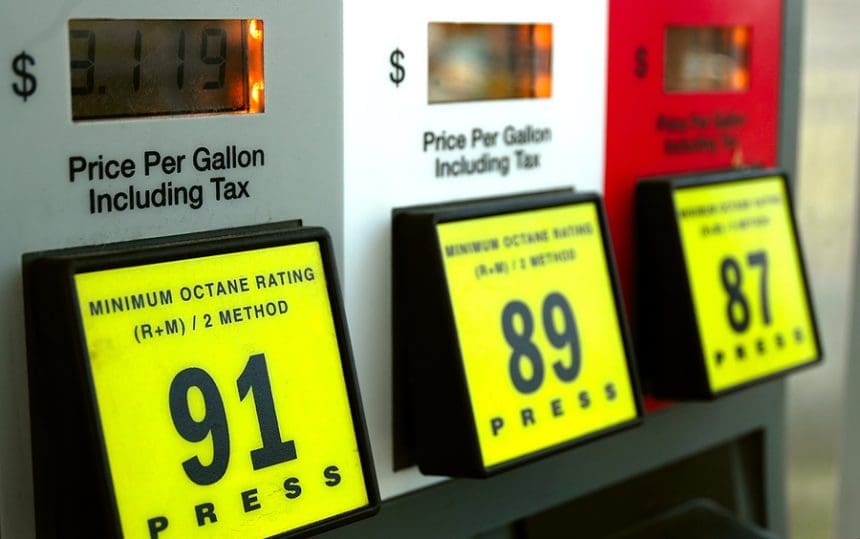
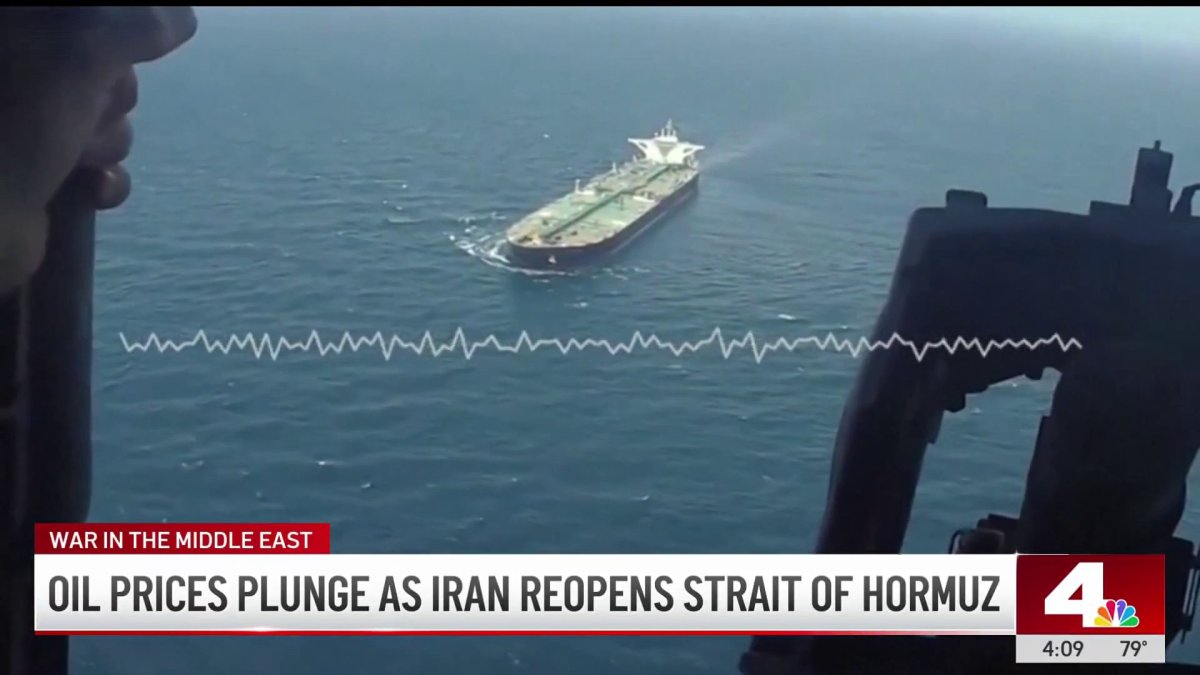
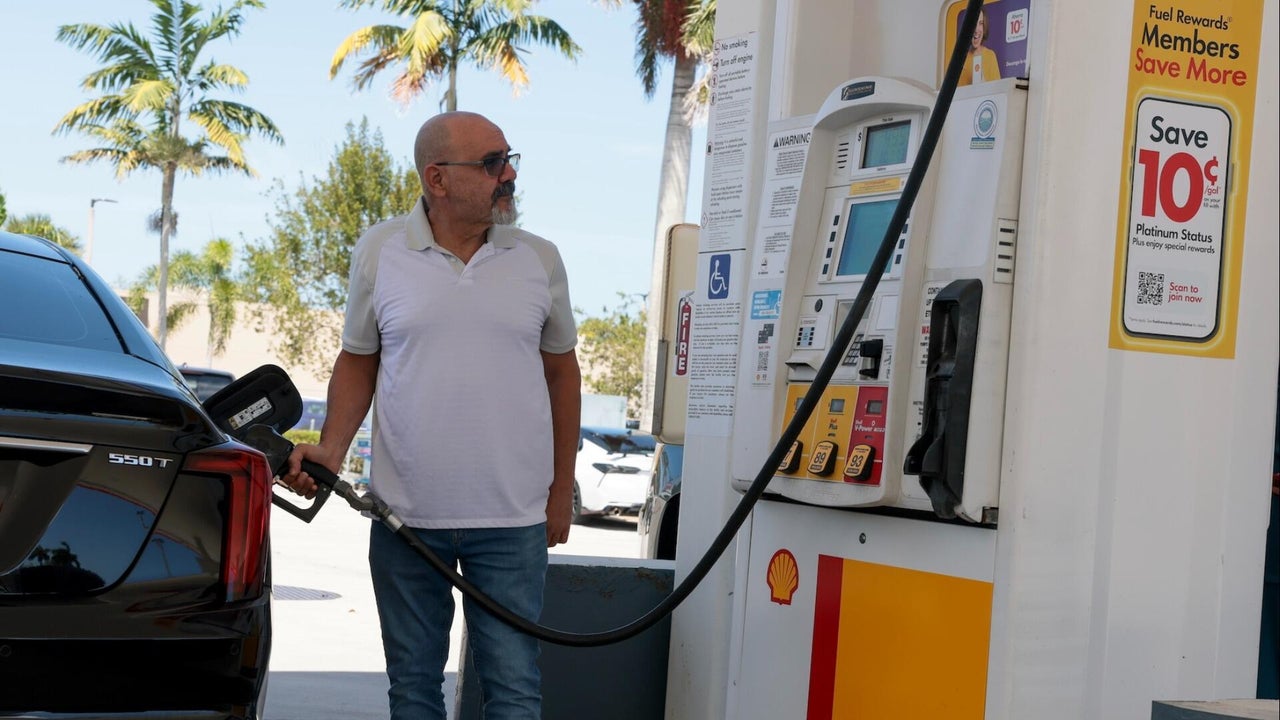
The April 2026 geopolitical resolution in the Middle East is triggering a dramatic fuel cost reset that directly impacts e-commerce logistics economics. Brent crude fell from $110+ to $90 per barrel following Iran's reopening of the Strait of Hormuz, with gasoline prices projected to drop from $4.09 to $3.65-$3.85 per gallon within 1-2 weeks according to GasBuddy analyst Patrick De Haan. This represents a $1 per gallon decline from peak conflict pricing—a 20-25% reduction in fuel costs that will cascade through carrier pricing structures within 30-45 days.
For e-commerce sellers, this creates a critical arbitrage window. Logistics providers (FedEx, UPS, DHL, Amazon Logistics) typically lag fuel price declines by 4-8 weeks due to fuel surcharge adjustment cycles. Sellers shipping via FBA, 3PL networks, or parcel carriers can expect 8-12% shipping cost reductions by late May 2026, translating to $150-400 monthly savings for mid-sized sellers (1,000-5,000 monthly shipments). However, this window closes rapidly—once carriers repricing their fuel surcharges (historically 45-60 days post-fuel decline), competitive pressure will force margin compression across categories.
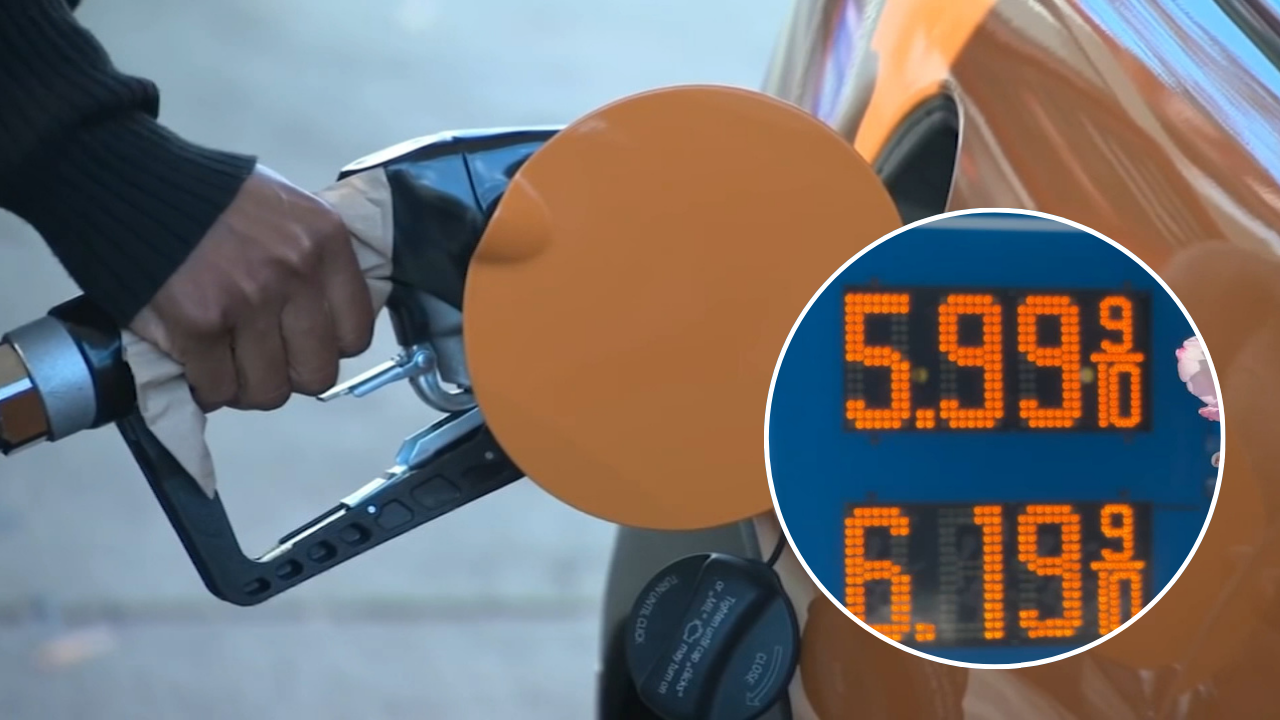
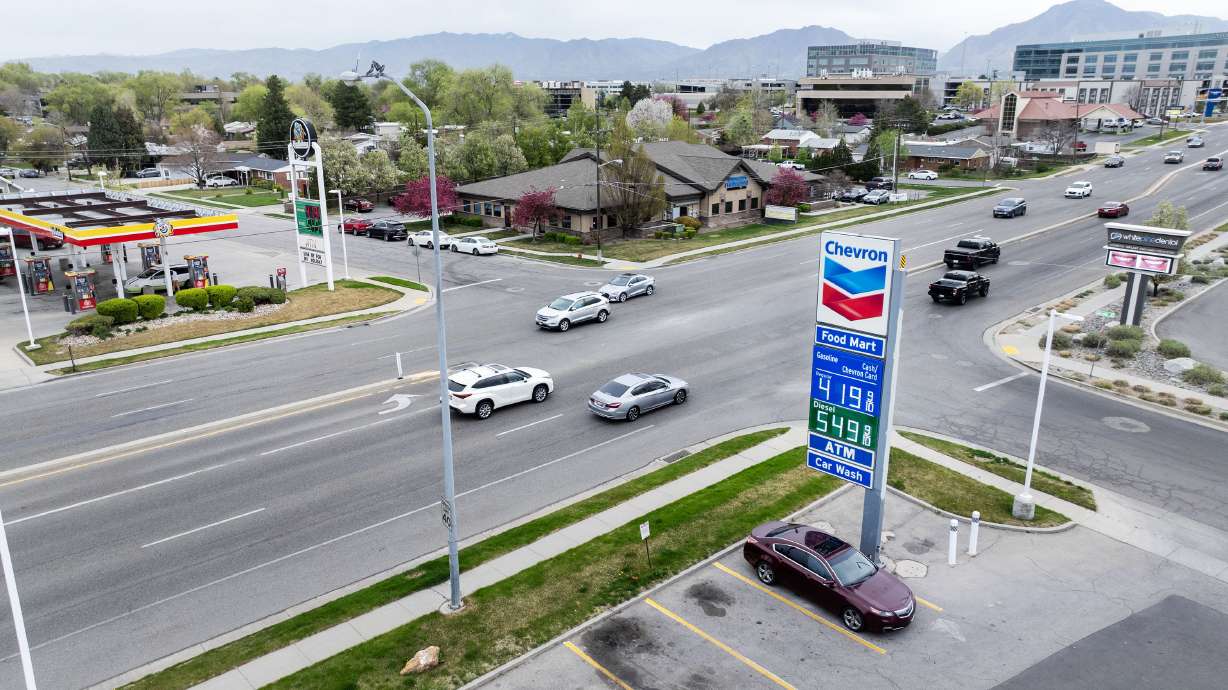
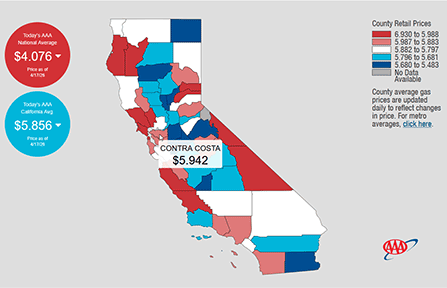
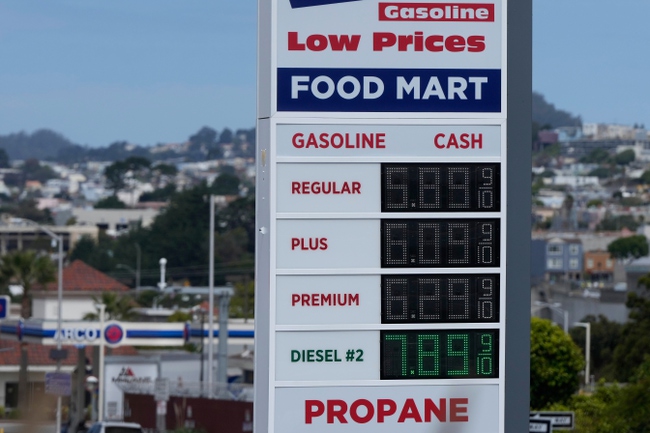
Regional arbitrage opportunities emerge immediately. California sellers currently face $5.86/gallon fuel costs versus Oklahoma's $3.43—a 71% regional differential. As prices normalize toward $3.65-$3.85 nationally by late May, California-based 3PL operations gain 15-20% cost advantage over high-fuel-cost regions. Sellers should immediately audit fulfillment center locations: shifting inventory from California/New York warehouses to Oklahoma/Kansas facilities could yield 8-10% logistics savings before fuel price normalization eliminates the advantage.
Supply chain volatility remains elevated through Labor Day. While the Strait of Hormuz reopens, Rystad Energy estimates $50 billion in Middle East infrastructure damage requiring weeks to repair. KPMG notes that full price normalization to pre-conflict levels ($60/barrel) may extend to late 2026 or early 2027. This creates a 6-month window of elevated but declining fuel costs—ideal for sellers to lock in carrier contracts at transitional rates before full market repricing. Sellers should negotiate 90-day fixed-rate shipping agreements immediately, capturing 10-15% savings before carriers adjust surcharge formulas in June-July 2026.
EV logistics infrastructure presents emerging opportunity. Public EV charging averages 41 cents/kWh nationally (ranging from 29 cents in Kansas to 53 cents in West Virginia), with gasoline normalization accelerating EV adoption among delivery fleets. Amazon, UPS, and regional carriers are expanding electric vehicle logistics networks. Sellers in high-EV-adoption regions (California, New York, Pacific Northwest) should prepare for carrier announcements of EV-based delivery options by Q3 2026, which could reduce last-mile costs 15-25% versus traditional fuel-based delivery.
Questions 7
How much will my Amazon FBA shipping costs drop from the fuel price decline?
Amazon FBA shipping costs will decline 8-12% over the next 4-8 weeks as fuel surcharges adjust to lower crude oil prices. With gasoline dropping from $4.09 to $3.65-$3.85 per gallon by late May 2026, carriers will reduce fuel surcharges by approximately 20-25%. For sellers shipping 1,000+ units monthly via FBA, this translates to $150-400 monthly savings depending on weight and destination zone. However, this window closes rapidly—once fuel surcharges repricing occurs (typically 45-60 days post-fuel decline), competitive pressure will compress margins. Lock in current rates immediately if possible.
Should I move inventory to lower-fuel-cost regions like Oklahoma or Kansas?
Yes, immediate regional arbitrage is available. California faces $5.86/gallon fuel costs versus Oklahoma's $3.43—a 71% differential that creates 8-10% logistics savings for Oklahoma-based fulfillment. As national prices normalize to $3.65-$3.85 by late May, this advantage disappears. Sellers should audit 3PL locations now and consider shifting 20-30% of inventory from high-cost regions (California, New York, Massachusetts) to lower-cost hubs (Oklahoma, Kansas, Texas) before fuel price normalization eliminates the advantage. This window closes within 30-45 days.