



US Government AI Procurement Shift | Anthropic Mythos Access Creates Cybersecurity Compliance Opportunities for Enterprise Sellers
- Treasury-led normalization of Anthropic federal contracts signals $2B+ government AI procurement expansion; sellers must prepare for enhanced cybersecurity compliance requirements and B2B opportunity windows







Overview
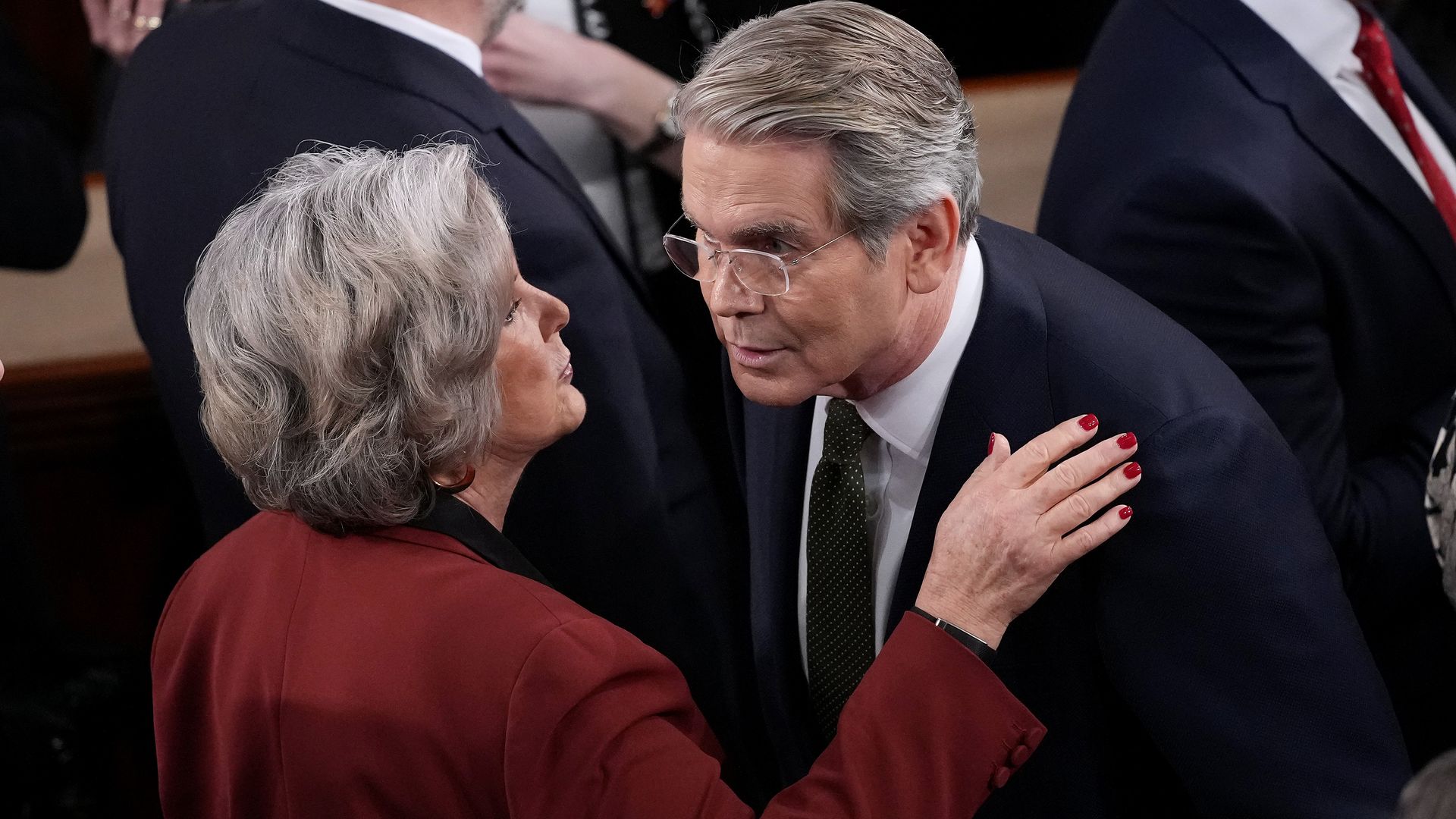
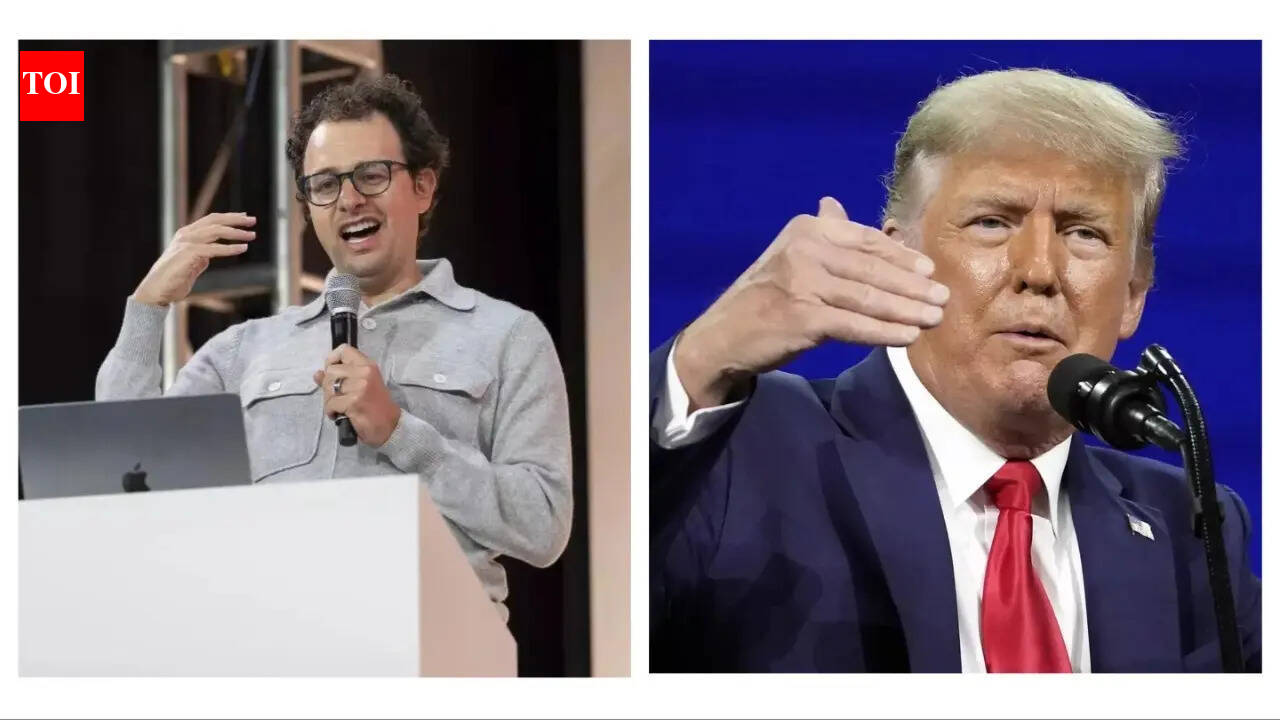
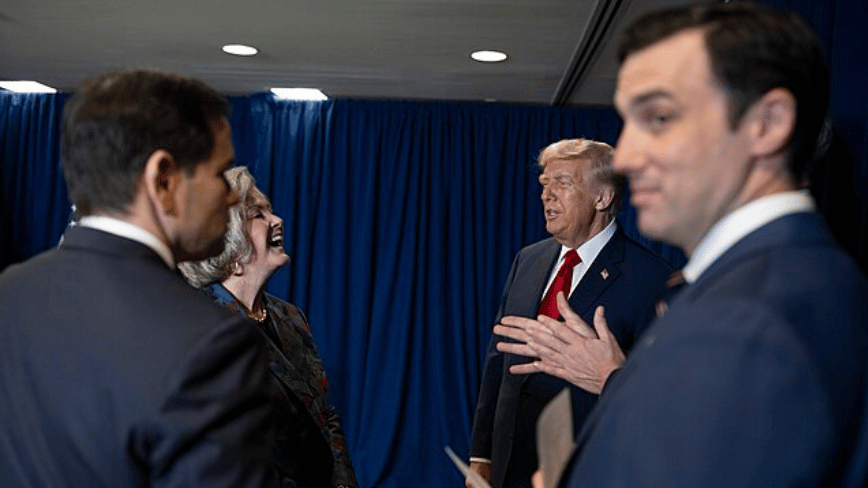
The Friday meeting between Treasury Secretary Scott Bessent, White House Chief of Staff Susie Wiles, and Anthropic CEO Dario Amodei represents a fundamental policy reversal that reshapes federal AI procurement strategy and creates cascading compliance requirements for enterprise sellers. After President Trump initially ordered all agencies to cease Anthropic use following the Pentagon's March 2025 "supply chain risk" designation, this diplomatic engagement signals Treasury Department leadership is prioritizing strategic AI capabilities over ideological concerns. The meeting focused on Anthropic's Claude Mythos Preview model—a cybersecurity-specialized AI tool currently restricted to fewer than 50 organizations—with government agencies expressing interest in accessing the technology for defensive cyber capabilities.
For enterprise sellers and B2B service providers, this policy shift creates three distinct opportunity windows. First, the normalization of Anthropic's federal role will likely trigger a $2-4B government AI procurement expansion across Treasury, Commerce, and civilian agencies over 18-24 months. Sellers offering cybersecurity compliance solutions, code vulnerability assessment services, and AI implementation consulting can position themselves as integration partners for federal agencies adopting Mythos. Second, the emphasis on "code safeguarding practices" and "model release protocols" indicates Treasury is establishing new federal AI governance standards—creating demand for compliance documentation, security audit services, and vendor certification programs. Third, the dual-use risk concerns mentioned in the news (potential financial system breach scenarios) will drive demand for enterprise-grade cybersecurity products, particularly in banking/fintech categories where government agencies are testing Mythos applications.
The competitive advantage window is 6-12 months. Most enterprise sellers haven't yet recognized that federal AI procurement normalization creates immediate B2B opportunities. Sellers with existing government contracts (GSA Schedule, SEWP, ITES-SW2) can leverage this policy shift to expand service offerings around AI governance, cybersecurity compliance, and Mythos integration. Sellers without federal contracts should prioritize GSA Schedule registration before Q3 2025, when federal agencies will likely issue RFPs for AI implementation services. The news indicates government agencies will continue using Anthropic tools despite Pentagon opposition, meaning compliance with Treasury's emerging standards—not Pentagon restrictions—will determine market access. This creates a 90-day window before competitors recognize the opportunity and saturate the federal procurement market with similar offerings.
Questions 7
What product categories and services should sellers develop to capitalize on this opportunity?
Sellers should prioritize developing or expanding services in five categories: (1) AI Model Governance & Compliance—documentation, audit, and certification services for federal AI deployments; (2) Code Vulnerability Assessment—automated tools and consulting to identify security gaps in legacy federal systems (45% of industrial networks have unpatched vulnerabilities per the news); (3) Cybersecurity Training—federal employee training on Mythos capabilities and responsible use protocols; (4) Integration & Implementation Services—helping agencies deploy Mythos across their infrastructure; (5) Dual-Use Risk Assessment—consulting to ensure AI tools aren't misused for financial system breaches or other prohibited applications. The news emphasizes cybersecurity as the primary use case, so sellers with existing cybersecurity expertise have fastest path to federal contracts. Estimated market size: $800M-1.2B across these five categories over 24 months.
How should sellers position themselves competitively given the 6-12 month opportunity window?
Sellers have a narrow competitive advantage window before larger defense contractors and consulting firms recognize this opportunity. Immediate actions (0-30 days): (1) If you have GSA Schedule, submit service modifications adding 'AI Governance,' 'Mythos Integration,' or 'Cybersecurity Compliance' by May 15, 2025; (2) If you lack federal contracts, begin GSA Schedule application immediately (90-120 day process); (3) Obtain NIST Cybersecurity Framework certification or SOC 2 Type II if not held. Strategic positioning (30-90 days): (1) Develop case studies showing AI implementation success in commercial sector, (2) Build partnerships with larger federal contractors to serve as subcontractors, (3) Create white papers on federal AI governance standards. The news indicates Treasury will prioritize vendors who can demonstrate 'code safeguarding practices'—sellers should emphasize security-first positioning in all federal marketing. Competitive advantage expires when defense contractors (Booz Allen, SAIC, Leidos) recognize the opportunity and leverage existing federal relationships—estimated 6-9 months from now.