




Windows Server Patch Crisis Threatens E-Commerce Infrastructure | KB5082063 Causes Domain Controller Failures
- April 2024 Microsoft patches KB5082063, KB5083769, KB5082052 trigger 3+ critical issues affecting Windows Server 2016-2025 and Windows 11 enterprise systems; domain controller reboot loops, BitLocker lockouts, and authentication failures create operational risks for sellers managing cloud-based inventory, payment processing, and logistics systems



%20(1).webp)











Overview
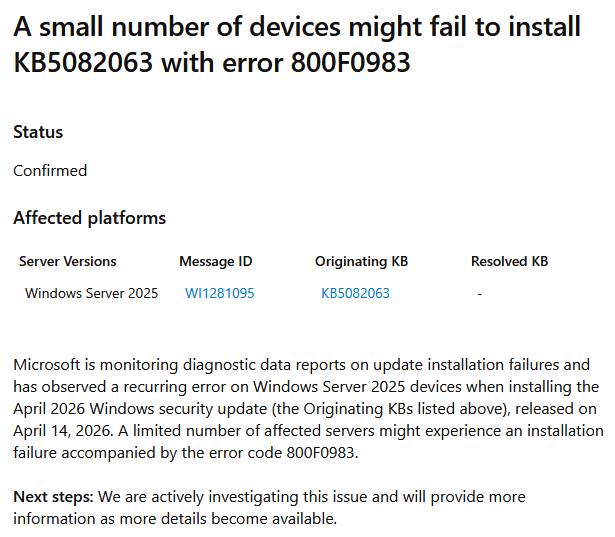
Microsoft's April 2024 Patch Tuesday updates have created a cascading infrastructure crisis affecting enterprise organizations globally, with direct implications for e-commerce sellers relying on Windows-based systems for critical business operations. The cumulative update KB5082063, released to address the earlier Windows Server 2025 rogue upgrade incident that emerged in 2024, has introduced at least three documented critical issues: domain controller reboot loops affecting Windows Server 2016, 2019, 2022, and 2025; BitLocker recovery key prompts on Windows 11 enterprise systems (KB5083769, KB5082052); and LSASS crashes in Privileged Access Management (PAM) environments. These failures directly impact e-commerce sellers operating enterprise infrastructure, as domain controller unavailability prevents network authentication, user login, and directory services—essential for accessing inventory management systems, payment processing platforms, and logistics software hosted on Windows Server environments.
For cross-border e-commerce sellers managing multi-region operations, this patch crisis creates immediate operational risks. Sellers using Windows Server-based infrastructure for Amazon Seller Central integrations, inventory synchronization, order management systems, and payment processing face potential service outages if domain controllers enter reboot loops. The reboot loop issue represents a severe stability problem where affected domain controllers continuously restart, preventing normal operations and forcing IT administrators to implement emergency mitigation strategies. Organizations running Windows Server 2016 through 2025 cannot safely deploy KB5082063 without risking authentication failures that would lock users out of critical business systems. The extended timeline from the initial Windows Server 2025 upgrade incident (emerged 2024) to resolution demonstrates Microsoft's quality assurance challenges, with the company now committing to release additional fixes "within days" to address the boot loop problem—indicating ongoing instability.
BitLocker encryption conflicts create secondary disruption for sellers managing Windows 11 enterprise workstations. The April 2024 updates trigger unexpected BitLocker recovery key prompts on systems with specific configurations (TPM platform validation, PCR7 binding, UEFI firmware), requiring IT intervention to resolve. While Microsoft notes the recovery key entry occurs only once per affected system, the disruption still demands IT resources and creates user confusion across organizations managing thousands of enterprise workstations. The root cause stems from Microsoft's transition to 2023-signed Windows Boot Manager code conflicting with existing BitLocker validation profiles on systems running older Boot Manager versions. Enterprise IT teams can implement preventive solutions through Group Policy configuration changes (setting TPM validation policy to Not Configured) or Known Issue Rollback (KIR) deployment, but these require proactive testing and staged deployment—resources many smaller e-commerce operations lack.
The broader pattern indicates systemic quality concerns with Microsoft's recent software releases. This represents the third major incident from a single patch, suggesting fundamental code changes rather than isolated bugs. For e-commerce sellers, this creates a critical decision point: delay patch deployment to maintain system stability (accepting security risks) or deploy patches and risk infrastructure outages (accepting operational risks). The incident underscores the importance of staged deployment strategies, isolated testing environments, and robust backup/recovery procedures for critical systems—investments that require IT expertise and infrastructure many smaller sellers outsource or underfund.
Questions 8
Which Windows Server versions are affected by the KB5082063 reboot loop issue?
The critical reboot loop issue from KB5082063 affects Windows Server 2016, 2019, 2022, and 2025, representing a broad range of enterprise infrastructure versions. This wide version range indicates the problem stems from fundamental code changes rather than version-specific bugs, making it difficult for sellers to isolate affected systems. Organizations running any of these versions cannot safely deploy KB5082063 without risking domain controller failures. Microsoft has acknowledged the issue and committed to releasing corrective updates within days, but the extended timeline from initial incident (2024) to resolution demonstrates the complexity of addressing widespread infrastructure issues affecting thousands of organizations globally.
How do Windows Server patch failures affect e-commerce sellers managing inventory systems?
Domain controller reboot loops from KB5082063 prevent network authentication and directory services, directly disrupting access to inventory management systems, order processing platforms, and payment gateways hosted on Windows Server infrastructure. When domain controllers continuously restart, users cannot log in to critical business systems, causing order fulfillment delays, inventory synchronization failures, and potential payment processing interruptions. Sellers managing multi-region operations across Windows Server 2016-2025 environments face cascading outages if they deploy the problematic patch without testing. The April 2024 patch crisis demonstrates why staged deployment and isolated testing are essential—a single patch affecting thousands of organizations globally can render entire domains unavailable within hours of deployment.