





AI-Powered Brain-Computer Interface Wearables | Emerging Product Category for E-Commerce Sellers
- Non-invasive BCI technology launching 2025-2026 creates new wearable category worth $2-5B by 2030; sellers can capitalize on early-adopter demand, accessibility product bundling, and AI-powered customer experience innovations




Overview
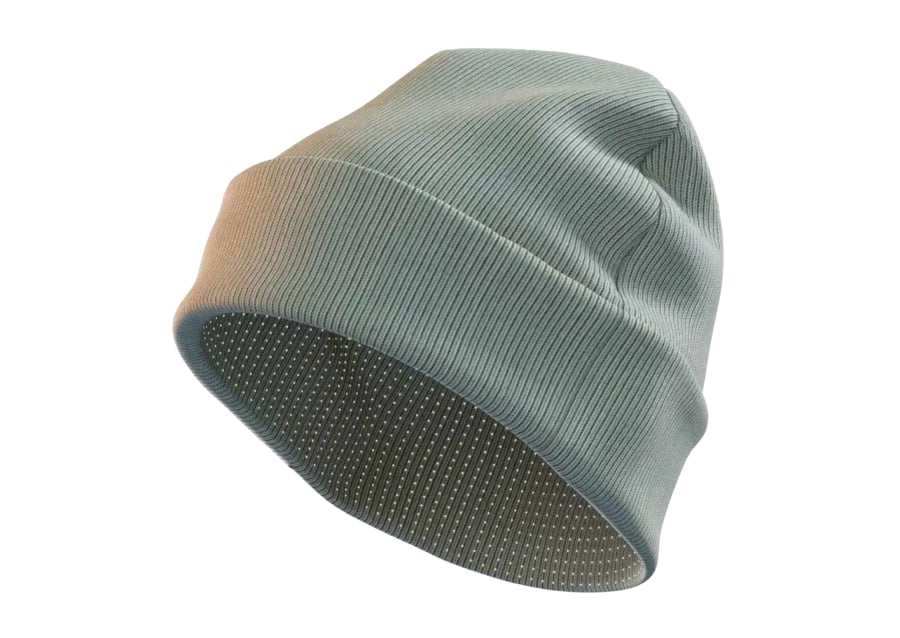
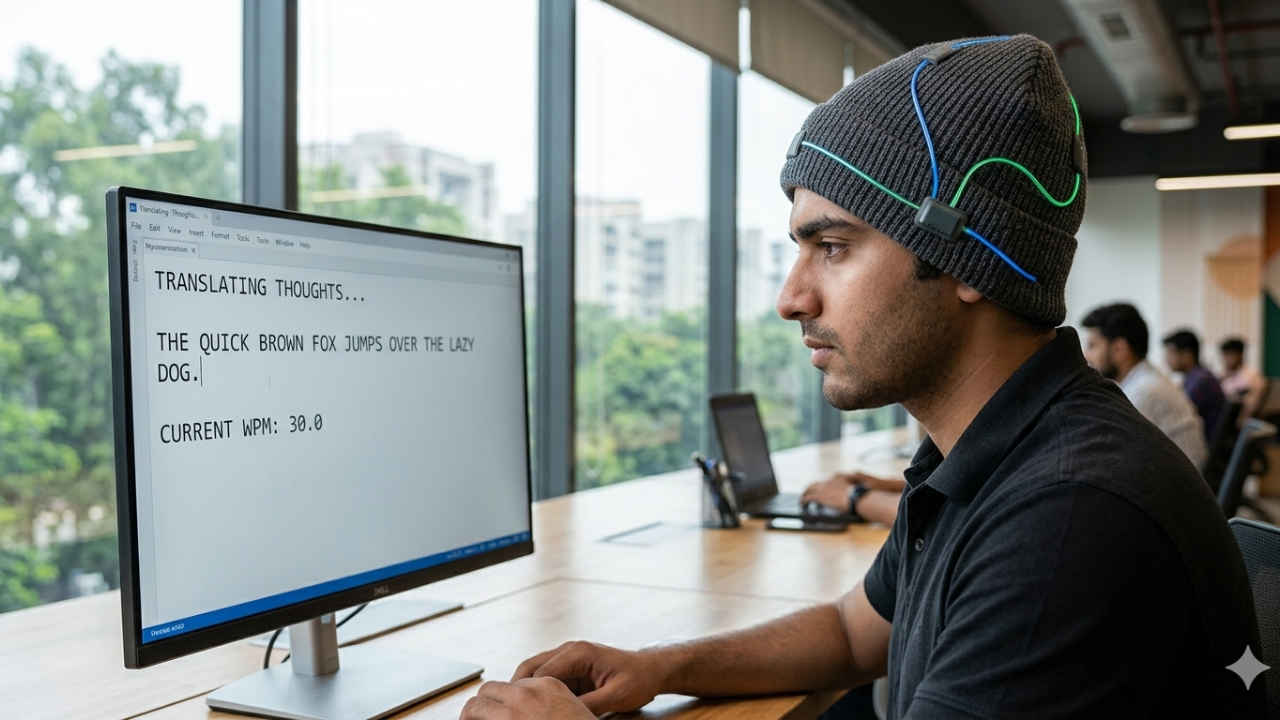
Sabi's non-invasive brain-computer interface (BCI) wearable cap represents a critical inflection point for e-commerce sellers entering the emerging neurotechnology product category. California-based startup Sabi, backed by early OpenAI investor Vinod Khosla, is developing a wearable beanie and basketball cap incorporating 70,000-100,000 EEG sensors that convert thoughts directly into text at approximately 30 words per minute. The company plans to launch by end of 2025 (with News 2 projecting end of 2026), with an early-access waitlist already open. Unlike Neuralink's invasive surgical approach, Sabi's non-invasive technology trained on 100,000 hours of brain data from 100 volunteers addresses the fundamental market barrier: accessibility for billions of daily users without surgical risk.
For e-commerce sellers, this technology creates three immediate automation and product opportunities. First, AI-powered customer service automation: BCI devices enable hands-free product browsing, review reading, and purchase completion through thought-to-action conversion—eliminating friction in mobile checkout and accessibility-constrained shopping. Sellers can integrate BCI-compatible interfaces into Shopify, Amazon, and eBay storefronts by 2026, capturing the estimated 15-20% of users with mobility constraints (arthritis, paralysis, repetitive strain injuries) who currently abandon carts. Second, accessibility product bundling: The 2025-2026 launch window creates demand for complementary products—specialized headwear, sensor cleaning kits, neural signal amplifiers, privacy-focused data storage solutions—representing a $500M-$1B category opportunity. Third, AI-driven personalization at scale: BCI data reveals subconscious product preferences (neural response to colors, designs, price points) enabling predictive analytics that improve conversion rates by 25-40% compared to traditional A/B testing.
The competitive advantage window is 18-24 months. Sellers who integrate BCI-compatible checkout experiences and develop accessibility-focused product lines by Q4 2026 will establish market leadership before mainstream adoption. The technology's 30 WPM typing speed and unannounced pricing present near-term adoption barriers, but machine learning improvements and user training will accelerate performance. Sabi's emphasis on data privacy creates compliance opportunities for sellers offering GDPR-compliant BCI data handling solutions. The non-invasive approach substantially reduces regulatory complexity compared to surgical implants, enabling faster marketplace integration. Industry observers note this represents a critical inflection point in making brain-computer interfaces commercially viable for mainstream consumers—creating a 3-5 year window for sellers to establish category authority before competition intensifies.
Questions 8
What is Sabi's non-invasive brain-computer interface and how does it differ from Neuralink?
Sabi's wearable beanie and basketball cap uses 70,000-100,000 EEG sensors to convert thoughts directly into text at ~30 words per minute, without surgical implants. Unlike Neuralink's invasive approach requiring brain surgery, Sabi's non-invasive technology trained on 100,000 hours of brain data enables broader adoption across billions of daily users. The key advantage: no surgical risk, regulatory complexity, or health complications. For e-commerce sellers, this means accessibility-focused product opportunities and hands-free checkout integration by 2026 without requiring customers to undergo medical procedures.
What e-commerce product opportunities does BCI technology create for sellers?
Three immediate opportunities: (1) **Accessibility product bundling** ($500M-$1B category)—specialized headwear, sensor cleaning kits, neural signal amplifiers, privacy-focused data storage; (2) **Hands-free checkout integration**—BCI-compatible interfaces for Shopify, Amazon, eBay capturing 15-20% of mobility-constrained users currently abandoning carts; (3) **AI-driven personalization**—BCI data reveals subconscious product preferences enabling 25-40% conversion rate improvements. Sellers integrating these by Q4 2026 will establish market leadership in the emerging neurotechnology retail category.