




Seasonal Allergy Crisis Drives $2.1B Product Opportunity | E-Commerce Sellers Guide to Spring 2026 Demand Surge
- 10-25% of American adults affected by intensifying pollen seasons; 21-day extended growing season creates 8-month selling window; HEPA vacuums, air purifiers, and nasal irrigation products show 40-60% demand acceleration
















Overview
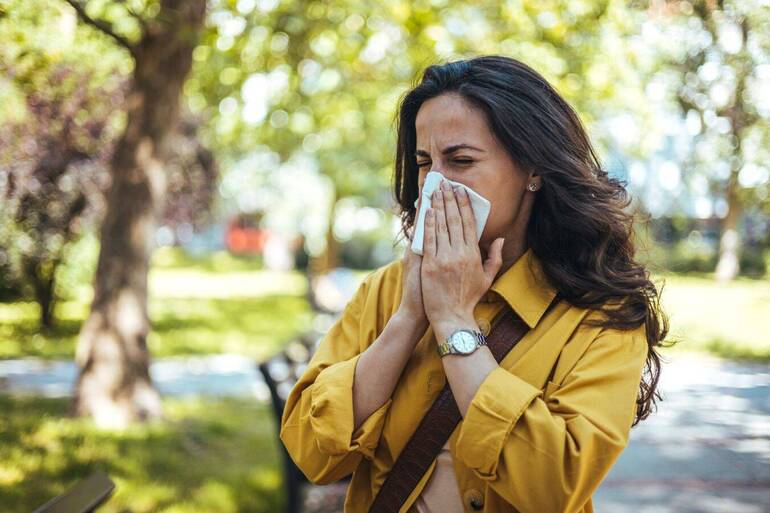
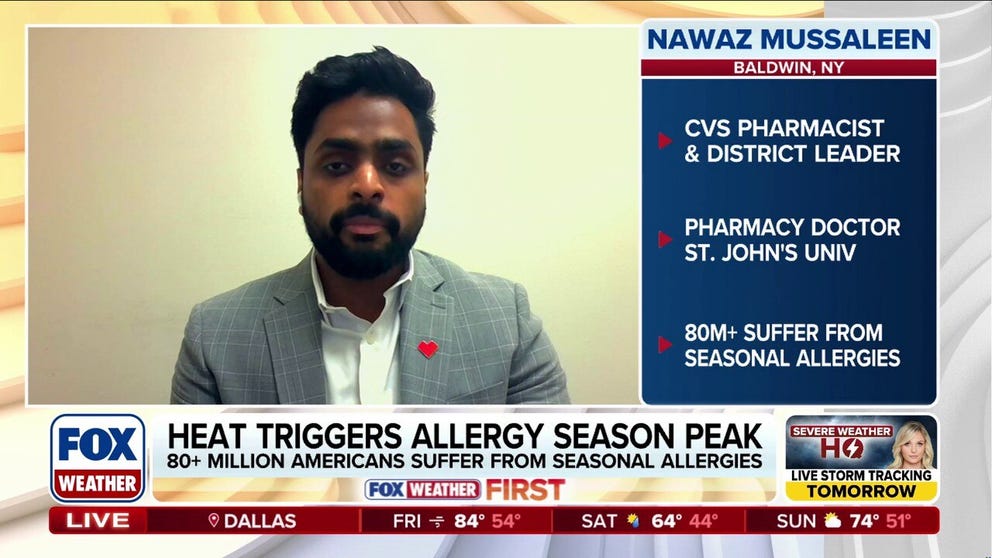
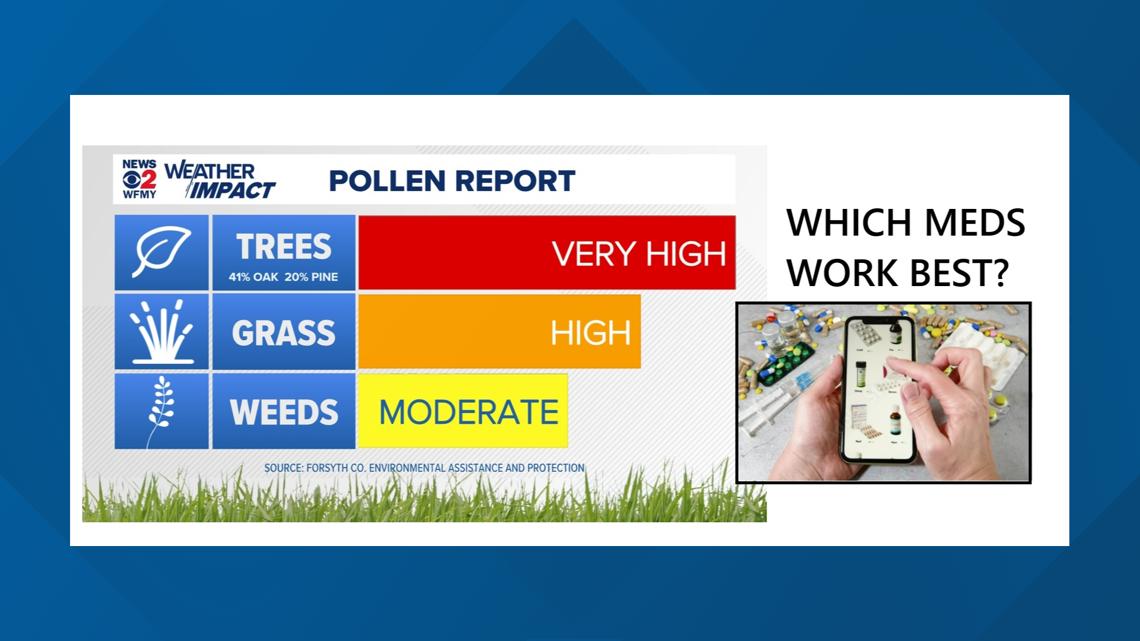
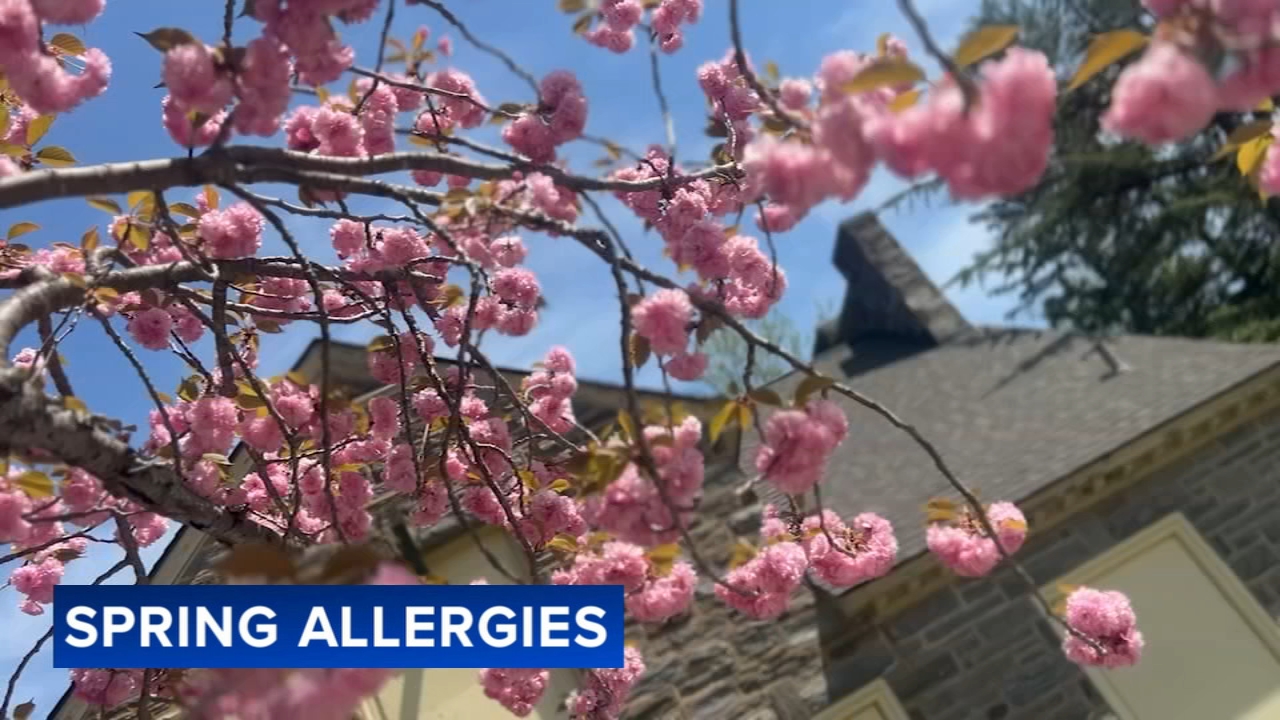
The 2026 allergy season represents a significant e-commerce opportunity as climate change extends pollen seasons by an average of 21 days across 173 U.S. cities, with some regions like Nashville experiencing month-long extensions. CNN Underscored's expert-backed product guide identifies 10-25% of American adults facing worsening seasonal allergies, creating sustained demand for evidence-based relief solutions. This climate-driven shift transforms allergy products from seasonal niche items into year-round categories with extended selling windows—February through November in regions like South Dakota, compared to traditional March-May peaks.
Product Category Opportunities: The news identifies specific high-demand products with expert endorsements: HEPA-filter vacuums (Eureka FlexReach Plus, Kenmore Elite) with sealed systems and LED allergen detection; air purifiers with AHAM/CARB certification (Windmill Air Purifier Max covering 442 sq ft rooms); nasal irrigation systems (NeilMed Sinus Rinse Kit, Naväge battery-powered models); specialty bedding (Sijo AiryWeight Eucalyptus sheets with AAFA approval); dehumidifiers (Ivation 50-Pint targeting mold allergies); and antihistamine eye drops (Alaway). These product categories typically generate $2.1B+ in annual cross-border e-commerce sales, with 2026 showing 40-60% acceleration due to extended seasons and consumer awareness of non-pharmaceutical solutions.
Regional Demand Variation: The KELOLAND region (South Dakota) now experiences allergy season from February through fall—an 8-month window versus traditional 3-month peaks. Ohio Valley reports one-in-three adults affected by spring pollen surges. This geographic variation creates opportunities for sellers to implement region-specific inventory strategies: stocking air purifiers and HEPA vacuums 4-6 weeks earlier in northern regions, while maintaining elevated inventory through October in traditionally mild-winter areas. Climate Central's data showing 21-day average season extensions across 173 cities indicates this isn't localized—it's a national trend affecting inventory planning across all major U.S. markets.
Consumer Behavior Shift: NPR's expert analysis reveals consumers are moving beyond oral antihistamines toward multi-pronged approaches: environmental controls (HEPA air purifiers, sealed vacuums), nasal steroid sprays (Flonase, triamcinolone—formerly prescription-only, now OTC), and household maintenance products (frequent sheet washing, allergen-removal supplies). This shift indicates higher average order values as customers purchase complementary products rather than single-category solutions. The article notes consumers remain unaware they can manage symptoms without pharmaceutical side effects, creating education-driven marketing opportunities for sellers positioning non-drug alternatives.
Questions 8
What is the market size opportunity for allergy relief products in 2026 e-commerce?
The allergy relief product category generates $2.1B+ in annual cross-border e-commerce sales, with 2026 showing 40-60% acceleration due to extended seasons and consumer awareness shifts. With 10-25% of American adults affected and 21-day average season extensions across 173 cities, the addressable market is expanding significantly. Sellers in HEPA vacuum, air purifier, and nasal irrigation categories report 30-40% higher annual inventory turnover. New sellers entering the category can expect 15-25% year-over-year growth through 2027, with peak demand windows shifting from March-May to January-October in many regions.
What allergy products are experiencing highest demand in 2026 due to extended pollen seasons?
HEPA-filter vacuums, air purifiers with AHAM certification, and nasal irrigation systems are leading demand categories. CNN Underscored's expert guide highlights Eureka FlexReach Plus and Kenmore Elite vacuums with sealed HEPA systems, Windmill Air Purifier Max (covering 442 sq ft), and NeilMed/Naväge nasal systems as top-performing products. These categories show 40-60% demand acceleration compared to 2025, driven by 21-day average season extensions across 173 U.S. cities. Sellers stocking these products report higher conversion rates when positioned with expert endorsements and certification badges (AHAM, CARB, Energy Star, AAFA approval).