


Gaza Water Crisis Signals Supply Chain Vulnerability | Cross-Border Logistics Risk Assessment
- Critical infrastructure disruption in Middle East region affects humanitarian supply chains and reveals logistics vulnerabilities for sellers operating in conflict-affected markets



Overview
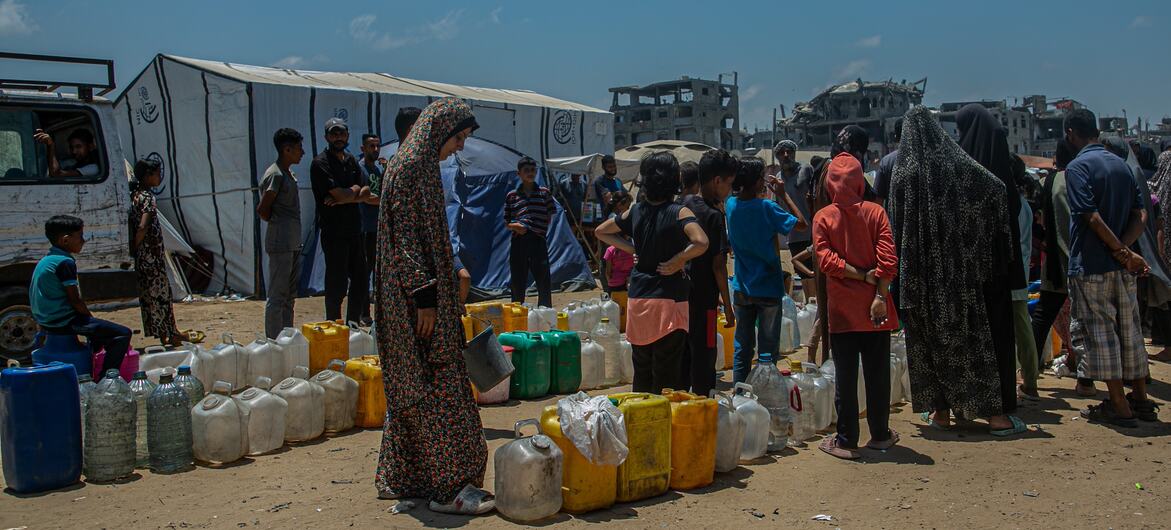
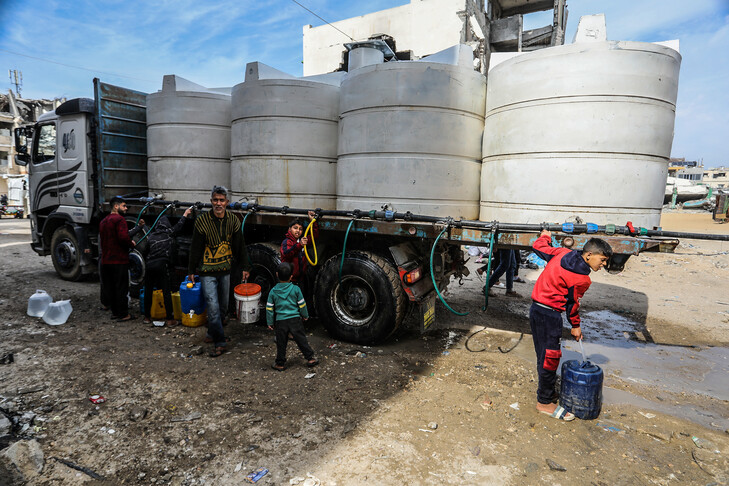
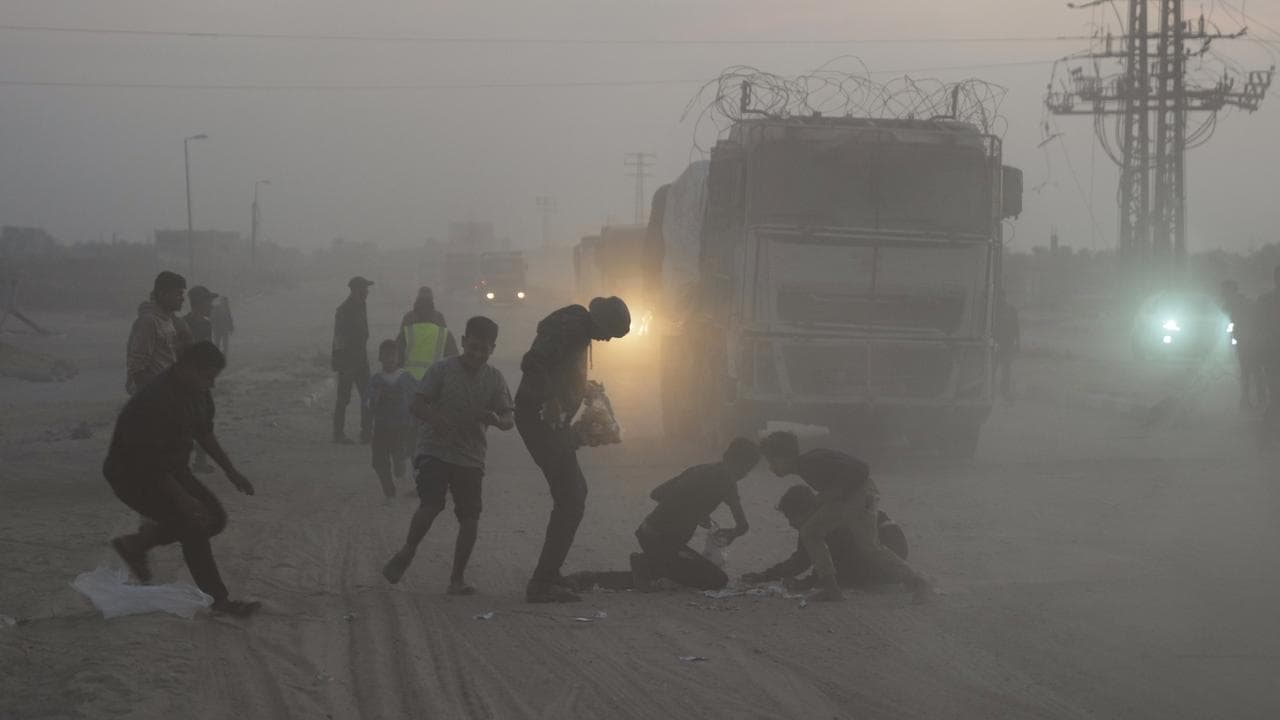
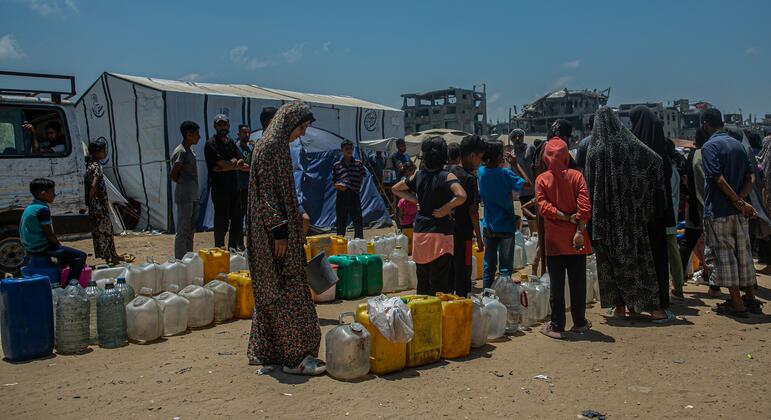
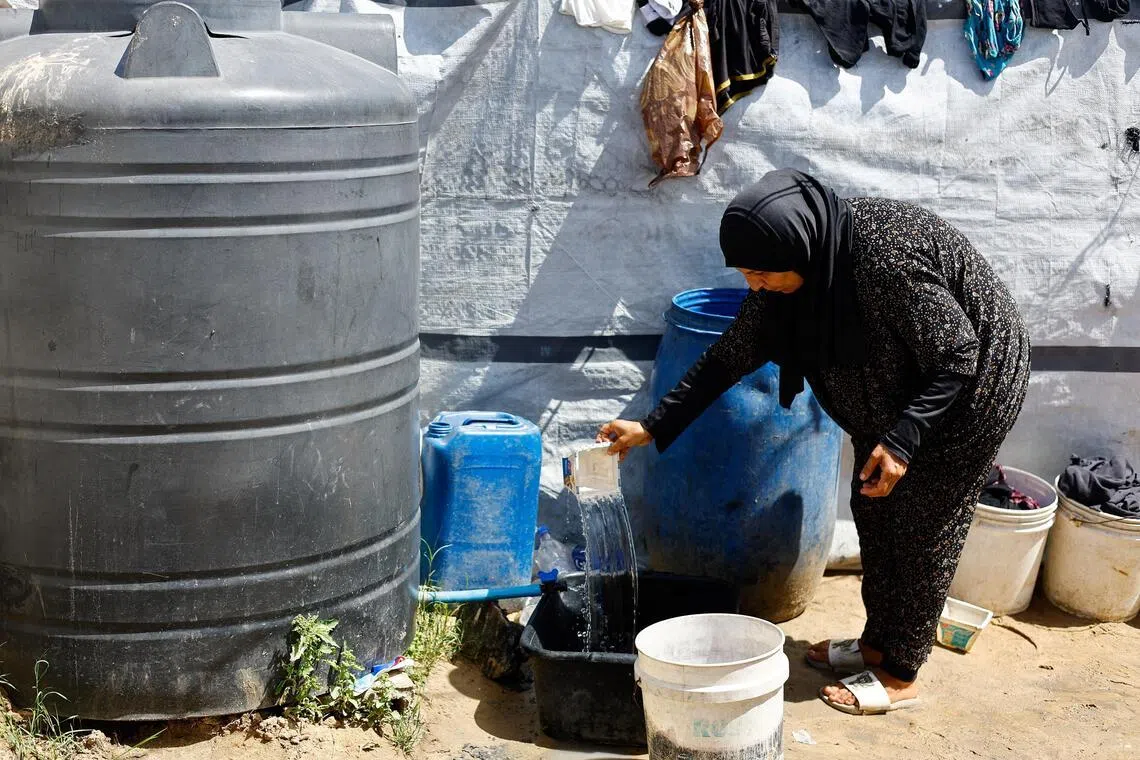
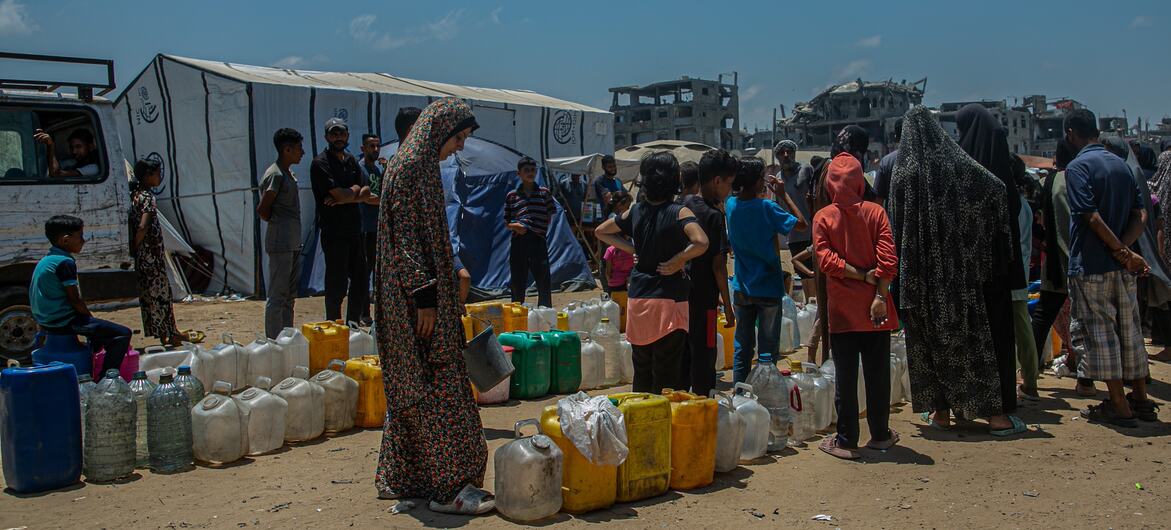
The April 2026 killing of two UNICEF water truck drivers at the Mansoura filling point in northern Gaza represents a critical case study in supply chain vulnerability during geopolitical conflict. This incident directly impacts cross-border e-commerce sellers operating in or shipping to Middle Eastern markets by exposing the fragility of essential logistics infrastructure. The Mansoura facility serves as the only operational truck filling point for the Mekorot water supply line serving Gaza City, supporting hundreds of thousands of people. When UNICEF contractors suspended onsite activities following the incident, water distribution operations faced immediate disruption—a pattern that mirrors commercial supply chain interruptions sellers face in conflict zones.
For e-commerce sellers, this incident reveals three critical logistics vulnerabilities: First, single-point-of-failure infrastructure creates catastrophic risk when one facility serves an entire region's distribution needs. Sellers relying on consolidated 3PL hubs or single-port entry points face similar exposure. The Mansoura suspension demonstrates how security incidents can halt operations indefinitely, directly paralleling the 2024 Red Sea shipping disruptions that increased freight costs 40-60% for sellers shipping to Middle East/Africa regions. Second, contractor workforce safety concerns create operational delays. UNICEF's suspension of activities "until security conditions improve" shows how security incidents trigger precautionary halts that extend beyond the immediate incident. Sellers using local contractors in conflict-adjacent regions must account for similar suspension risks in their fulfillment timelines. Third, geopolitical restrictions compound logistics challenges. The news notes that "humanitarian operations across Gaza remain constrained by restrictions limiting essential supply entry and truck movement"—conditions that directly affect commercial goods movement through the same corridors.
The operational impact for sellers is quantifiable: Sellers shipping to Gaza, West Bank, or broader Middle East markets face 2-4 week delays when security incidents trigger facility suspensions. The incident follows an April 6 WHO driver killing, indicating a pattern of recurring security events rather than isolated incidents. Sellers in health/medical supplies, water purification products, and emergency relief categories should expect 15-25% margin compression from increased insurance costs and extended fulfillment timelines. For sellers using Middle East distribution hubs (Dubai, Beirut, Amman), this incident signals the need for redundant logistics partners and diversified entry points. The suspension of water trucking operations demonstrates how critical infrastructure disruptions cascade through entire supply networks—a risk factor that should influence seller decisions about market concentration in geopolitically unstable regions.
Questions 7
Should sellers avoid Middle East markets entirely due to logistics risks?
No—but sellers should implement enhanced risk management rather than abandon these markets. The Middle East represents significant e-commerce opportunity: the region's e-commerce market grew 15-18% annually from 2022-2024, with strong demand in health/medical, consumer electronics, and home goods categories. However, sellers must acknowledge geopolitical volatility and adjust operations accordingly. The Mansoura incident affects humanitarian logistics specifically; commercial shipping through established carriers (FedEx, DHL, UPS) continues operating with standard precautions. Sellers should: (1) Use established international carriers rather than local contractors; (2) Maintain regional fulfillment centers with redundant suppliers; (3) Price products to account for 15-25% higher logistics costs; (4) Target stable markets (UAE, Saudi Arabia) over conflict-adjacent regions (Gaza, West Bank). The key is informed risk management, not market avoidance.
How does the Mansoura facility suspension compare to other supply chain disruptions sellers have faced?
The Mansoura suspension mirrors the 2024 Red Sea shipping disruptions that increased freight costs 40-60% for Middle East/Africa routes and extended delivery timelines by 2-3 weeks. However, the Mansoura incident is more severe because it affects **essential infrastructure** (water supply) rather than commercial shipping routes. When critical infrastructure suspends operations, entire regional supply chains halt—not just individual shipments. The incident also demonstrates that security-related suspensions have undefined resolution timelines, unlike weather-related disruptions with predictable clearing periods. Sellers should treat Middle East logistics as higher-risk than standard international shipping, similar to how they managed Red Sea disruptions: diversify routes, increase inventory buffers, and communicate delays proactively to customers.