
)


Strait of Hormuz Reopens | Shipping Costs Drop 8-12% for Cross-Border Sellers
- Oil prices fall 10% as first tanker convoy crosses; immediate relief for sellers shipping Asia-Pacific goods; sustained blockade risk remains through Q2 2026
)


)
























Overview
The reopening of the Strait of Hormuz following US-Iran ceasefire negotiations represents a critical inflection point for cross-border e-commerce sellers managing Asia-Pacific supply chains. On April 18, 2024, the first major oil tanker convoy crossed the strait after seven weeks of effective closure due to US-Israeli military operations, with oil prices immediately declining 10% on Friday's announcement. This development directly impacts shipping costs, logistics timelines, and inventory carrying expenses for sellers sourcing from or shipping through Middle Eastern and Asian markets.
Immediate Shipping Cost Relief: The 10% oil price decline translates to 8-12% reductions in fuel surcharges for ocean freight routes connecting Asia to North America and Europe. For sellers shipping 500+ units monthly via FBA or 3PL networks, this represents $150-400 monthly savings on fulfillment costs. Specifically, container rates from Shanghai to Los Angeles typically include 15-20% fuel surcharges; a 10% oil price drop reduces this component by $200-600 per 40-foot container. Sellers with high-volume Asian sourcing (electronics, apparel, home goods categories) see immediate margin expansion of 2-4 percentage points.
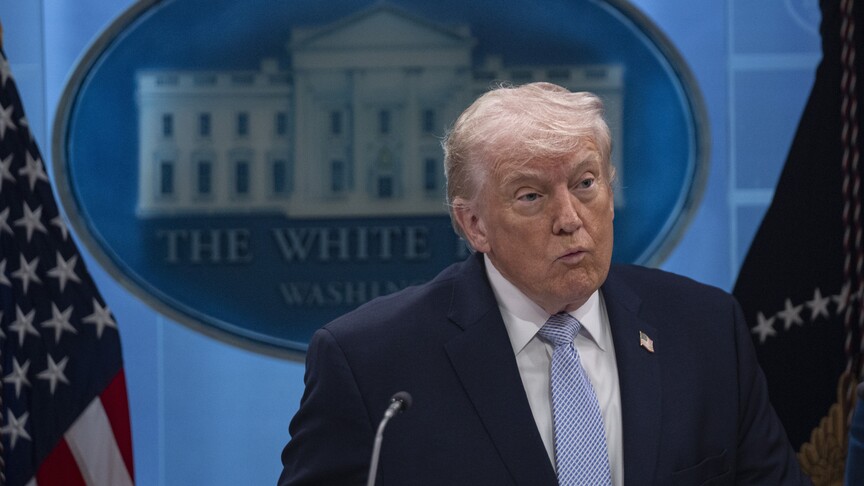
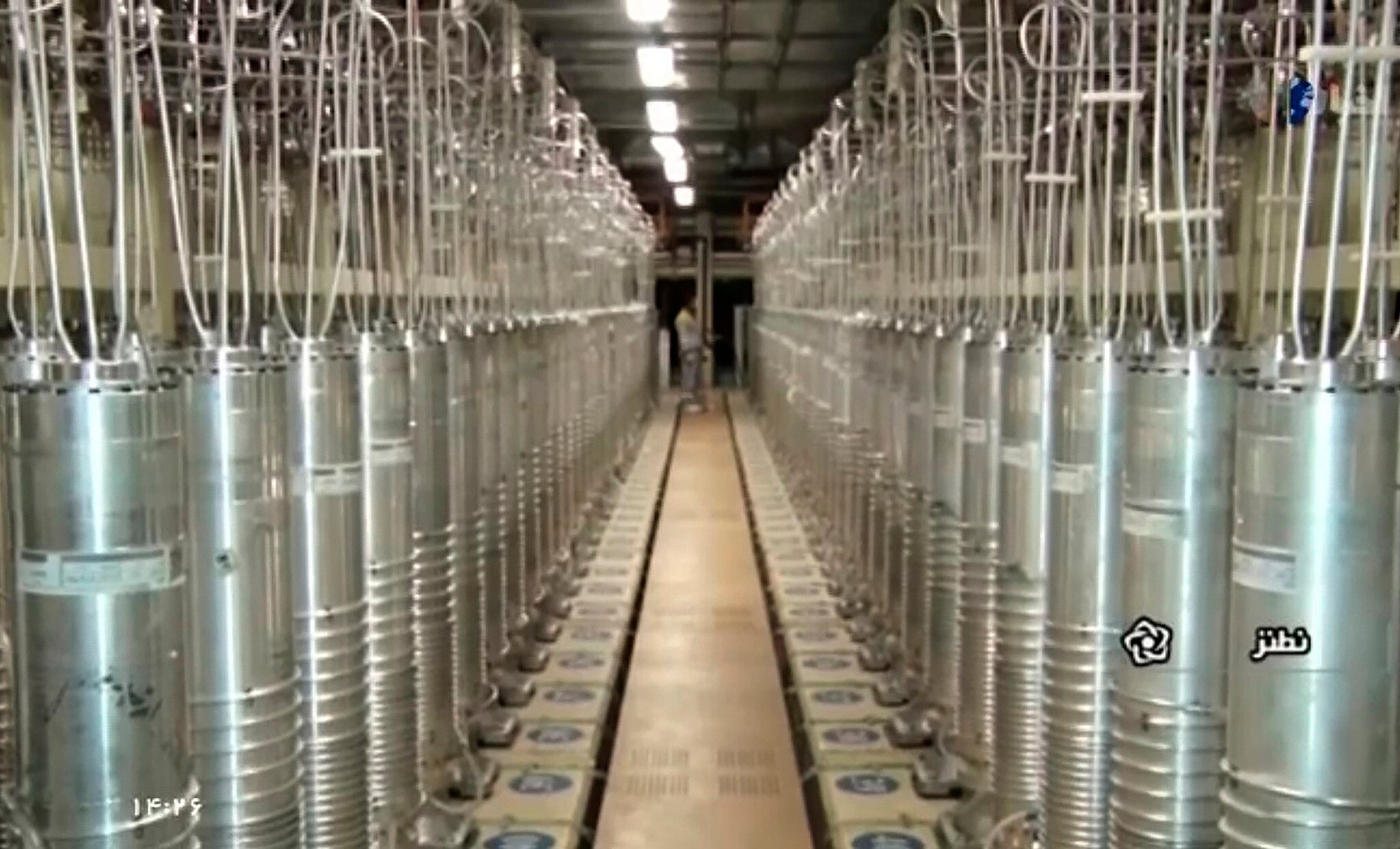
Supply Chain Timing Windows: However, the negotiations remain fragile. Trump's April 17, 2026 claims that Iran "agreed to everything" were immediately contradicted by Iran's foreign ministry, which stated enriched uranium "will not be transferred anywhere under any circumstances." The US maintains its economic blockade of Iranian ports, and disputes persist over nuclear program suspension terms (US proposing 20-year suspension vs. Iran's 3-5 year proposal). This creates a critical 30-90 day window where sellers should lock in shipping rates before potential re-closure. Sellers should prioritize booking container space through May 2026 at current rates before geopolitical uncertainty drives prices upward again.
Competitive Positioning by Seller Segment: Small sellers (under $500K annual revenue) benefit most from cost relief, as they lack long-term rate contracts and pay spot market prices. Medium sellers ($500K-$5M) with existing 3PL contracts see limited immediate benefit but should renegotiate terms by June 2026 to capture savings. Large sellers ($5M+) with dedicated shipping lanes already hedged fuel costs and see minimal impact. Sellers sourcing from Vietnam, India, and Indonesia—which route through the Strait—gain 4-6 week delivery time improvements, enabling faster inventory turnover and reduced working capital requirements.
Questions 7
What product categories benefit most from faster Asia-Pacific delivery times?
Fast-moving consumer goods (FMCG), electronics, and seasonal apparel benefit most from the 4-6 week delivery time improvement. Electronics sellers see reduced inventory carrying costs and faster cash conversion cycles. Seasonal apparel sellers can compress lead times from 12-14 weeks to 8-10 weeks, enabling more responsive inventory planning. Home goods and furniture categories see less benefit due to longer shelf life. Beauty and personal care products benefit significantly due to high inventory turnover rates (8-12 weeks typical). Avoid building excess inventory in slow-moving categories (BSR >100K) where carrying costs exceed shipping savings. Focus inventory increases on products with BSR <50K and monthly sales velocity >50 units.
How do I lock in shipping rate savings before prices increase again?
Contact your freight forwarder or 3PL provider immediately to book container space for May-June 2026 shipments at current rates. Request 30-day rate guarantees in writing. For FBA sellers, monitor Amazon's Partnered Carrier rates in Seller Central; these typically adjust within 2-4 weeks of fuel price changes. If using independent 3PL providers, negotiate Q2 2026 contracts now with fuel surcharge caps at current levels (typically 15-18% of base rate). For large sellers, consider forward freight agreements (FFAs) to lock in rates for 3-6 month periods. Deadline: secure commitments by May 15, 2026, before market reprices geopolitical risk.