



Baltic Logistics Risk Alert | EU-Russia Tensions Threaten Cross-Border Supply Chains
- Geopolitical escalation targets Riga logistics hub; sellers face supply chain disruption risks across Latvia, Estonia, Lithuania





Overview
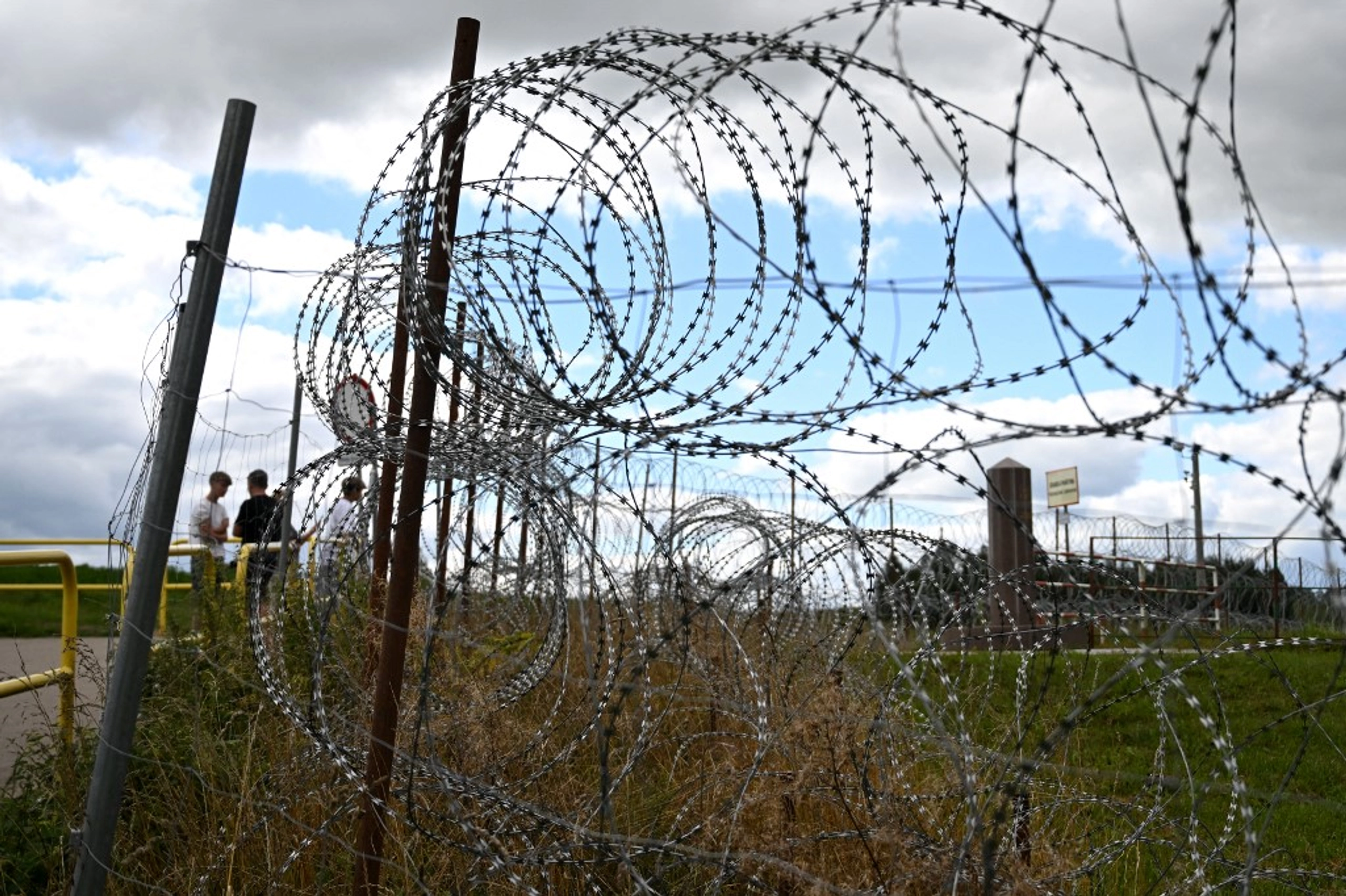
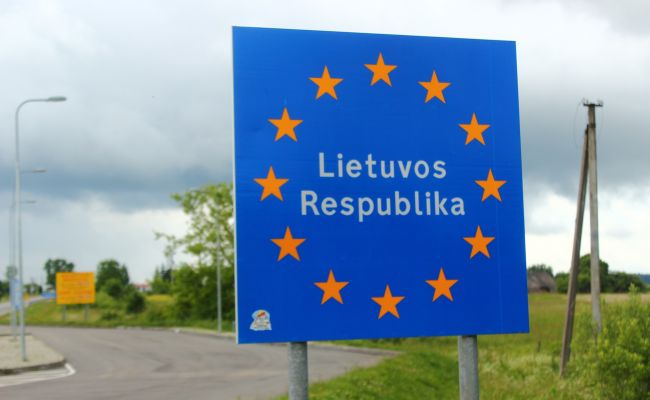
The escalating EU-Russia tensions centered on unsubstantiated accusations against Latvia represent a critical operational risk for cross-border e-commerce sellers operating in the Baltic region. Russia's Ministry of Defense has explicitly targeted a logistics complex (A6) in Riga at 462 Latgales Street, labeling it a "legitimate target" for missile strikes, while expanding target lists to include major cities across NATO and allied nations including Tallinn (Estonia), Vilnius (Lithuania), and multiple Western European cities. The European Commission has dismissed these accusations as disinformation and information warfare tactics, but the rhetoric signals potential escalation in military or cyber operations that could disrupt critical logistics infrastructure serving European e-commerce markets.
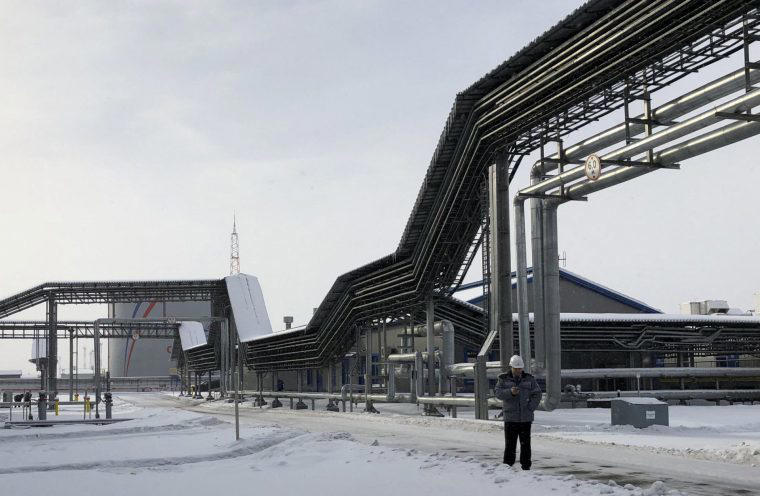
For sellers maintaining fulfillment operations in the Baltic states, this geopolitical tension creates immediate operational vulnerabilities. The targeting of civilian logistics infrastructure—whether through actual military action or cyber disruption—could severely impact inventory management, order fulfillment timelines, and cross-border shipping corridors. Sellers using 3PL providers or warehousing facilities in Latvia, Estonia, or Lithuania face potential service interruptions, increased insurance costs (estimated 15-25% premium increases for high-risk regions), and supply chain delays of 2-4 weeks if infrastructure is damaged. The broader Eastern European logistics network, which handles approximately 12-15% of EU-bound cross-border e-commerce shipments, could experience cascading disruptions affecting sellers across multiple categories.
The strategic implications extend beyond immediate operational risks. Baltic logistics hubs serve as critical transshipment points for sellers sourcing from Asia and Eastern Europe to Western European markets. Disruption to these corridors would force sellers to reroute shipments through alternative hubs (Poland, Germany, Czech Republic), increasing per-unit logistics costs by 8-12% and extending delivery times by 5-7 business days. Sellers with inventory concentrated in Baltic warehouses face potential total loss scenarios if facilities are damaged, while those with diversified fulfillment networks can absorb disruptions more effectively. The information warfare component also signals potential cyber attacks on logistics platforms and customs systems, creating compliance and tracking risks for sellers relying on automated documentation systems.
Immediate Actions Required: Sellers should conduct urgent risk assessments of Baltic warehouse locations, review insurance coverage for geopolitical events, and develop contingency fulfillment plans using alternative 3PL providers in Western Europe. Diversification of inventory across multiple fulfillment centers (recommend 30-40% reallocation away from Baltic region) should be prioritized within 30-45 days. Monitor EU security advisories and logistics provider announcements for operational updates. Consider temporary suspension of new inventory shipments to Baltic facilities until geopolitical situation stabilizes.
Questions 8
How do alternative fulfillment routes compare to Baltic logistics in cost and speed?
Rerouting through Western European hubs (Poland, Germany, Czech Republic) increases per-unit logistics costs by 8-12% compared to Baltic facilities, but provides geopolitical stability and faster delivery to Western European markets. Baltic routes typically cost 5-8% less but now carry infrastructure disruption risk. For sellers serving Western Europe, the cost premium of alternative routes is justified by reduced supply chain risk and more predictable delivery timelines. Calculate break-even point: if disruption probability exceeds 20-25% and average order value exceeds €50, alternative routing becomes economically rational despite higher per-unit costs.
What cyber risks accompany the geopolitical tensions in the Baltic region?
The EU Commission characterizes Russia's rhetoric as 'information warfare toolkit' designed to precede escalatory military or cyber operations. Sellers face potential cyber attacks on logistics platforms, customs systems, and automated documentation infrastructure used for cross-border shipping. These attacks could disrupt order tracking, delay customs clearance (adding 3-5 business days), and compromise seller data. Implement enhanced cybersecurity protocols: use VPN for platform access, enable two-factor authentication on seller accounts, maintain offline backup records of critical shipment data, and coordinate with 3PL providers on their cyber resilience measures.