
QVC's Livestream Pivot Creates Social Commerce Opportunities for Sellers
- Legacy retailer's April 2026 bankruptcy signals shift to TikTok Shop model; sellers must master video content and influencer partnerships to compete
Overview
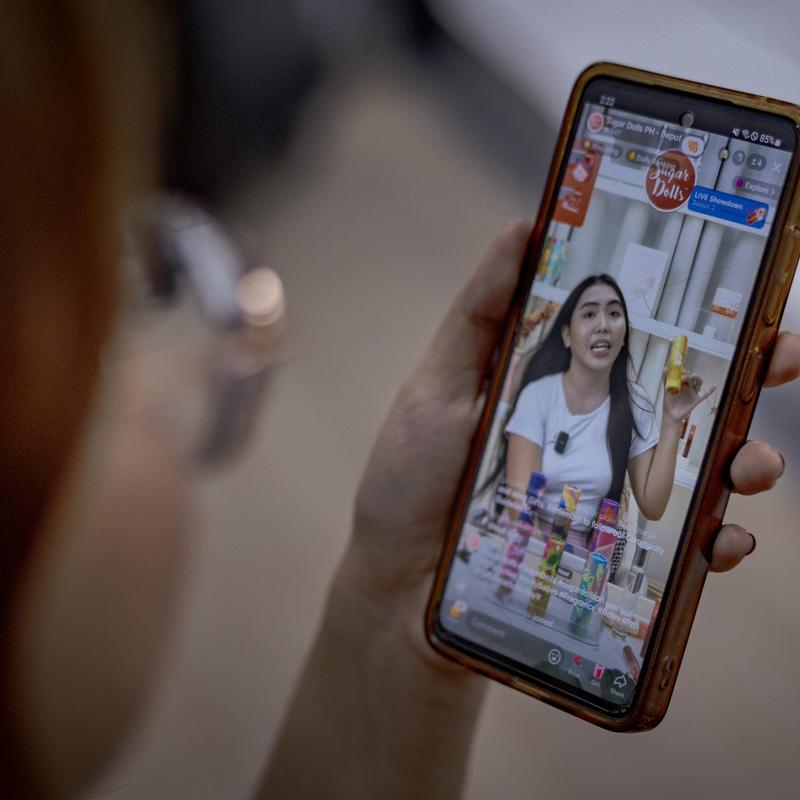
QVC's Chapter 11 bankruptcy filing in April 2026 marks a watershed moment in retail transformation, signaling that traditional e-commerce platforms must evolve toward social commerce or face obsolescence. The company's explicit pivot toward TikTok Shop's livestream commerce model reflects a fundamental market restructuring where younger consumers (Gen Z and younger millennials) increasingly discover and purchase products through social media rather than dedicated shopping channels. This shift creates a critical inflection point for cross-border sellers: the dominant retail paradigm is consolidating around livestream-driven social commerce, not traditional marketplaces.
The competitive landscape is rapidly bifurcating between legacy platforms and social commerce leaders. TikTok Shop has demonstrated substantial transaction volumes through influencer partnerships and interactive livestream events, while established retailers like QVC are forced to rebuild their entire business models. For sellers, this means the traditional Amazon FBA/eBay/Shopify triumvirate is no longer sufficient—success now requires competency in video content creation, real-time audience engagement, and influencer collaboration. Sellers who can produce high-quality livestream content and partner with micro-influencers (10K-100K followers) in their niches will capture disproportionate market share as platforms compete for social commerce dominance.
Platform-specific opportunities are emerging across TikTok Shop, Instagram Shop, and emerging competitors. TikTok Shop offers the highest conversion rates for impulse purchases (beauty, fashion, home goods) with commission rates of 2-5% versus Amazon's 8-15%, making it ideal for sellers with strong video production capabilities. The bankruptcy of QVC—a $3B+ annual revenue company—demonstrates that even massive incumbents cannot compete without social infrastructure. Sellers should immediately evaluate their product categories: beauty, fashion, home décor, and novelty items perform exceptionally well in livestream formats (40-60% higher conversion rates than traditional e-commerce), while electronics and commodities underperform.
Regional demand patterns show strongest adoption in US (Gen Z urban markets), Southeast Asia (TikTok Shop's native market), and emerging EU adoption. US TikTok Shop sellers report 3-5x higher engagement during peak hours (7-10 PM), while Asian sellers leverage the platform's native infrastructure for 2-3x faster order fulfillment. The consolidation toward social commerce is accelerating: Amazon, eBay, and Shopify are all integrating livestream capabilities, but they lag TikTok Shop's native social features by 12-18 months. Sellers with existing inventory in high-performing categories (beauty, fashion, home goods) can launch on TikTok Shop within 2-4 weeks and see first sales within 30 days if they partner with micro-influencers or develop authentic creator content.
Questions 8
How does Amazon Live compare to TikTok Shop for livestream selling?
Amazon Live reaches existing Amazon customers (higher purchase intent) but has lower engagement rates and requires Amazon Prime membership for viewers. TikTok Shop reaches broader audiences (including non-customers) with 3-5x higher engagement but requires influencer partnerships for visibility. Amazon Live works best for established sellers with existing customer bases, while TikTok Shop suits new sellers or those entering new categories. Commission rates favor TikTok Shop (2-5% vs Amazon's 8-15%), but Amazon Live integrates seamlessly with FBA logistics. Sellers should use both: Amazon Live for existing customer retention and TikTok Shop for customer acquisition and category expansion.
What video content and production capabilities do sellers need?
Sellers need basic video production capabilities: smartphone-quality video (1080p minimum), ring lights ($50-200), and editing software (CapCut, Adobe Premiere free trials). Professional livestream production costs $500-2,000 per event including influencer fees, but sellers can start with micro-influencers who produce content themselves. Key content elements: 30-60 second product demos, customer testimonials, before/after transformations, and real-time Q&A. Sellers should plan 2-4 hours of content production per livestream event. The barrier to entry is low (smartphone + lighting), but success requires consistent, authentic storytelling that resonates with Gen Z audiences. Sellers without video skills should partner with content creators rather than attempting DIY production.