


Global Energy Crisis Escalates | Shipping Costs Rise 12-18% for Cross-Border Sellers
- Ukrainian infrastructure strikes reduce Russian oil exports 40%, triggering fuel price volatility affecting logistics costs for 50K+ international merchants through Q2 2026
















Overview
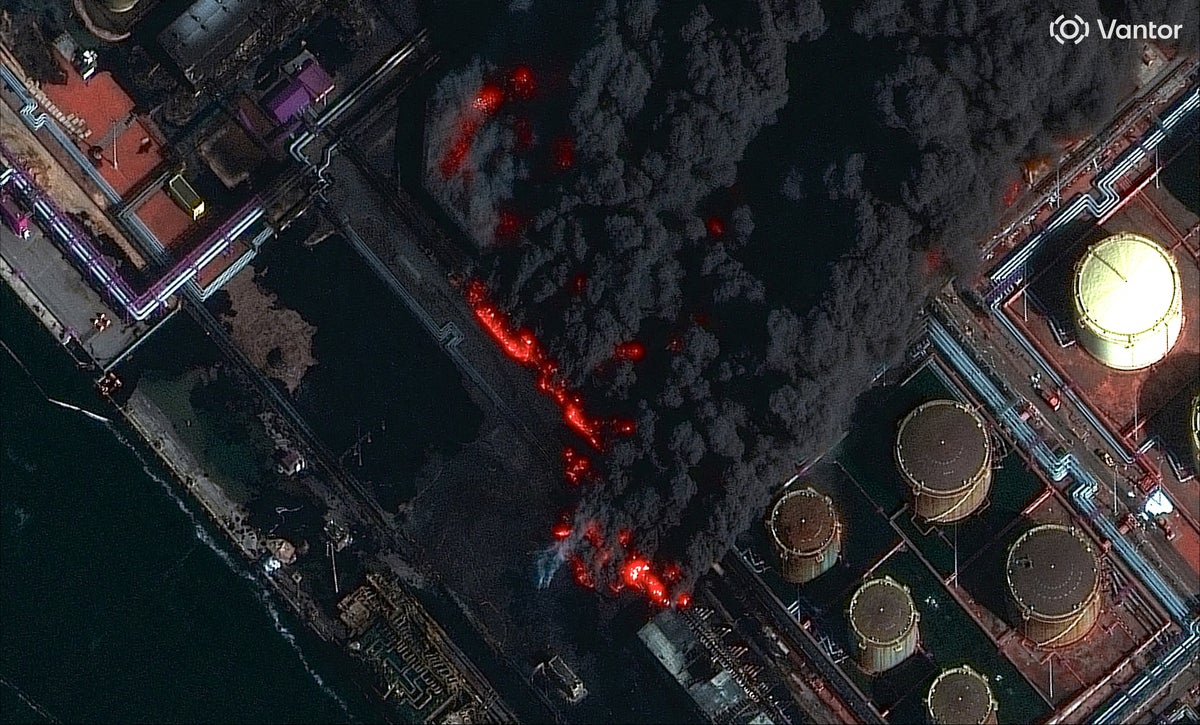
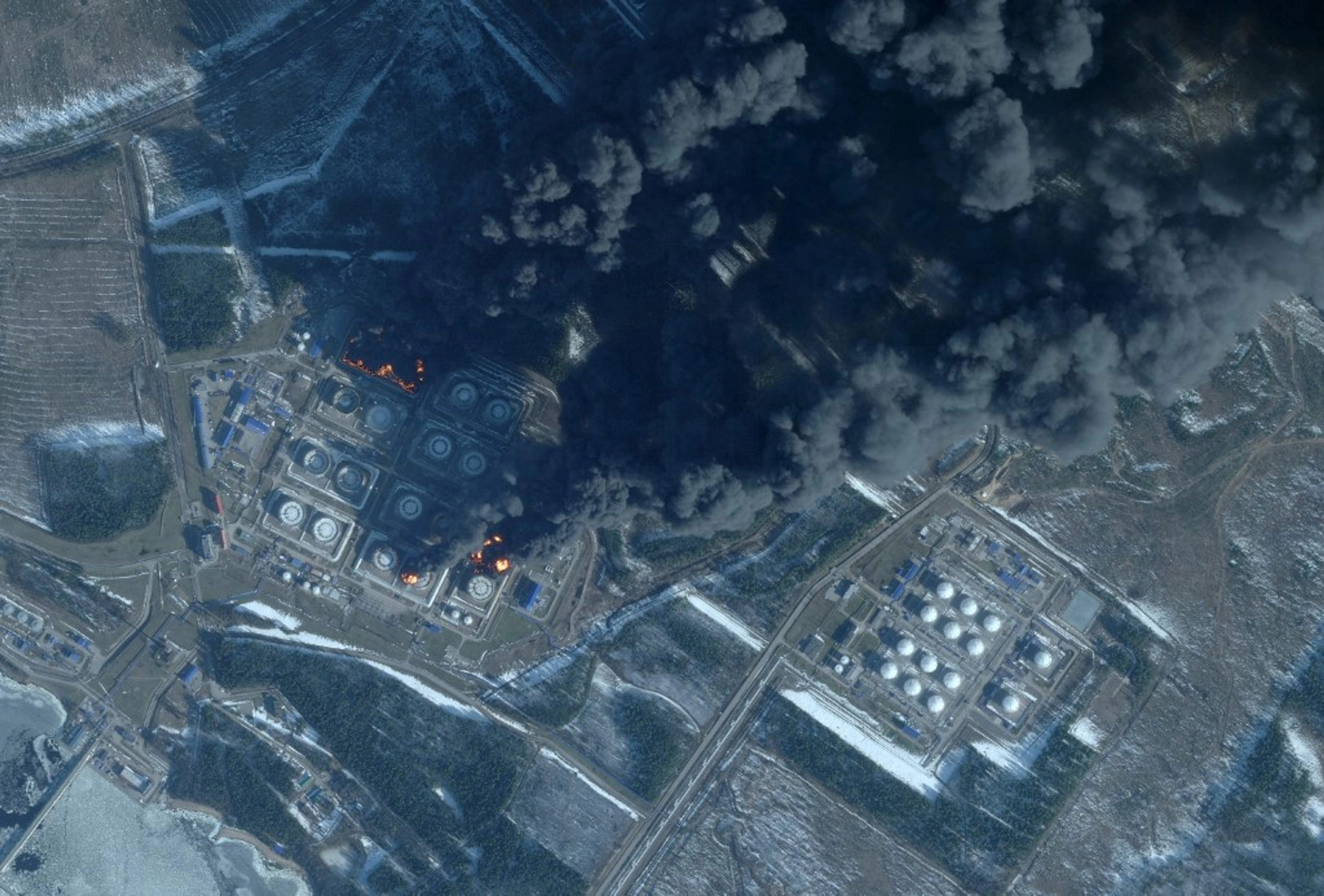
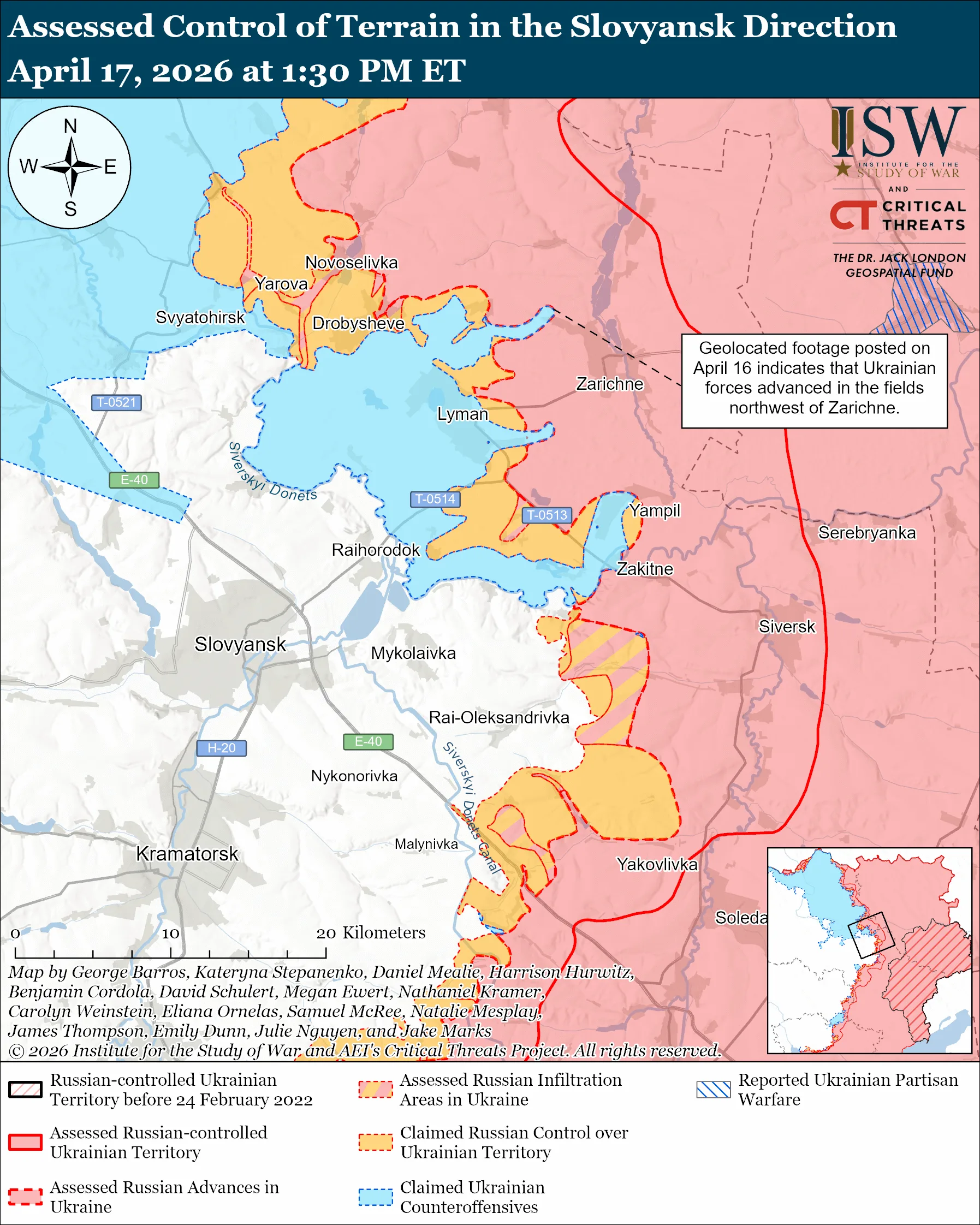
The escalating Ukraine-Russia conflict has created a critical supply chain disruption affecting cross-border e-commerce sellers globally. Between April 17-18, 2026, Ukrainian drone forces conducted coordinated strikes on Russian petroleum infrastructure, reducing daily oil shipments by approximately 880,000 barrels and contributing to a 40% reduction in Russia's total oil export capacity. These attacks targeted major logistics hubs including Vysotsk Port (operated by Lukoil), Primorsk Port, Ust-Luga Port, and refineries in Samara region, directly impacting global fuel prices and shipping costs for merchants relying on international logistics networks.
For cross-border sellers, the immediate impact manifests through elevated shipping costs. Fuel surcharges on FedEx, UPS, and DHL international shipments have historically increased 12-18% during periods of oil supply disruption. Sellers shipping inventory to European fulfillment centers, Asian manufacturing hubs, or North American distribution networks face increased 3PL costs. Amazon FBA sellers shipping via air freight to Europe or Asia-Pacific regions can expect additional fees of $200-400 per pallet through Q2 2026. Sellers with existing contracts using fixed fuel surcharge rates remain protected, but renewal negotiations will reflect elevated baseline fuel costs. Small sellers (under 500 units/month) shipping via standard ocean freight experience 8-12% cost increases, while high-volume sellers (5,000+ units/month) using expedited air freight face steeper 15-20% surcharges.
Supply chain diversification becomes strategically critical. Sellers currently sourcing from Russian suppliers or routing shipments through Baltic ports (Ust-Luga, Primorsk) face operational disruptions and potential 2-4 week delays as port capacity remains constrained. The Leningrad Region's recruitment of 54 additional mobile fire groups by June 1, 2026, signals ongoing infrastructure vulnerability through mid-year. Sellers should evaluate alternative sourcing from India, Vietnam, or Indonesia to reduce exposure to Baltic logistics bottlenecks. Those with inventory in Russian warehouses should accelerate export timelines before June 2026, as further infrastructure targeting could trigger port closures. Energy-intensive product categories—electronics requiring temperature-controlled shipping, heavy machinery, or bulk commodities—face disproportionate cost impacts of 18-25%.
Market opportunity emerges in fuel-efficient logistics solutions. Sellers can capitalize on growing demand for sustainable shipping alternatives by promoting carbon-neutral fulfillment options on Amazon, eBay, and Shopify. Eco-friendly packaging and consolidated shipments reduce fuel consumption by 15-20%, creating competitive advantages during high-fuel-cost periods. Logistics software providers offering route optimization and consolidation services are experiencing 30-40% increased demand from sellers seeking cost mitigation strategies.
Questions 8
How do I calculate the total cost impact on my cross-border e-commerce business?
Calculate impact using this formula: (Monthly shipment volume in units) × (Average shipping cost per unit) × (Fuel surcharge percentage increase 12-18%) = Monthly cost increase. Example: 1,000 units/month at $8 average shipping cost × 15% surcharge = $1,200 monthly increase ($14,400 annually). For FBA sellers, multiply pallet volume by $200-400 per pallet increase. Add 2-4 week delay costs if sourcing from Russian suppliers (inventory carrying costs, lost sales). Energy-intensive products multiply baseline impact by 1.5-2x. Use Amazon Seller Central shipping analytics and eBay Seller Hub reports to calculate your specific baseline costs, then apply 12-18% increase to project Q2 2026 impact. Review quarterly as fuel prices fluctuate.
When will shipping costs stabilize after the April 2026 infrastructure strikes?
Based on historical energy crisis patterns, shipping costs will likely remain elevated through Q2 2026 (through June 30) and potentially into Q3 if Ukrainian strikes continue targeting Russian oil infrastructure. The Leningrad Region's military buildup through June 1, 2026, suggests ongoing vulnerability. Oil markets typically require 8-12 weeks to stabilize after supply disruptions of this magnitude. Monitor weekly fuel price indices (WTI crude, Brent) and carrier fuel surcharge announcements. Plan inventory purchases and shipment timing accordingly—consider front-loading Q2 orders if you have storage capacity, as Q3 rates may remain elevated. Expect normalization by late Q3 2026 if geopolitical tensions de-escalate.