


)

Japan-Australia Defense Partnership Reshapes Indo-Pacific Supply Chains | $17B Military Export Signals New Trade Corridors for Sellers
- $17 billion warship deal (2025-2029) accelerates Japan's defense export strategy, creating 15.1B yen in industrial subsidies that reshape manufacturing hubs and logistics networks affecting cross-border sellers in electronics, precision components, and industrial equipment categories






)
















Overview
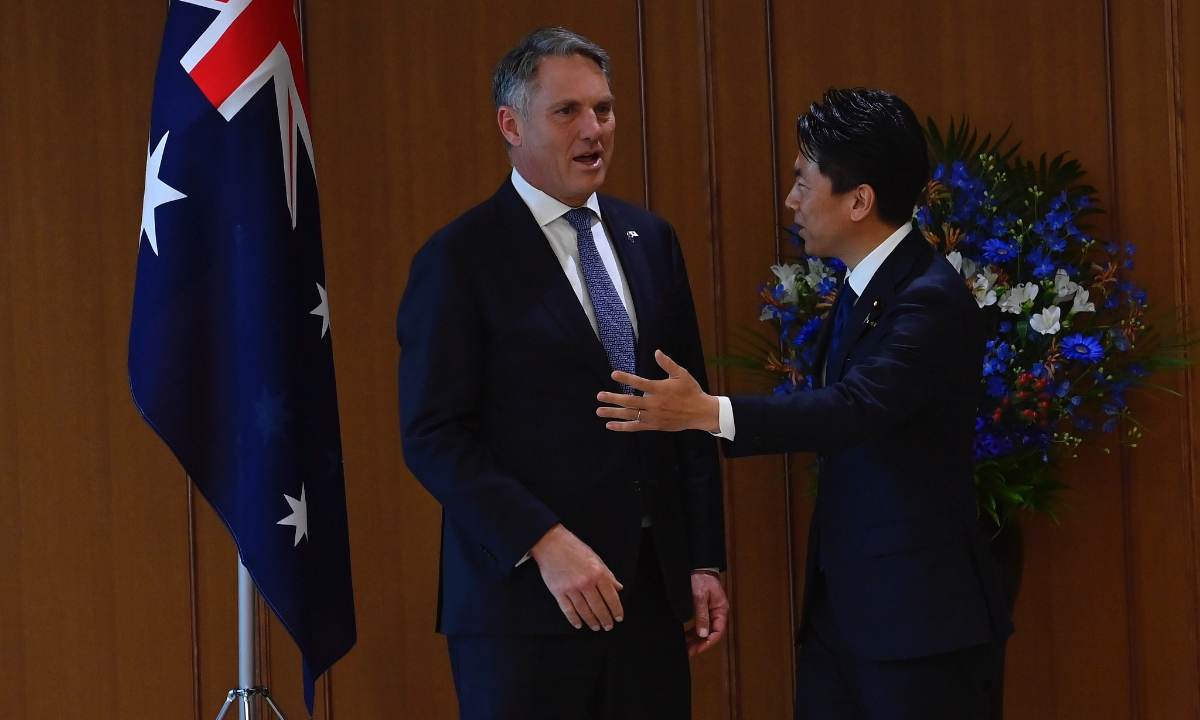
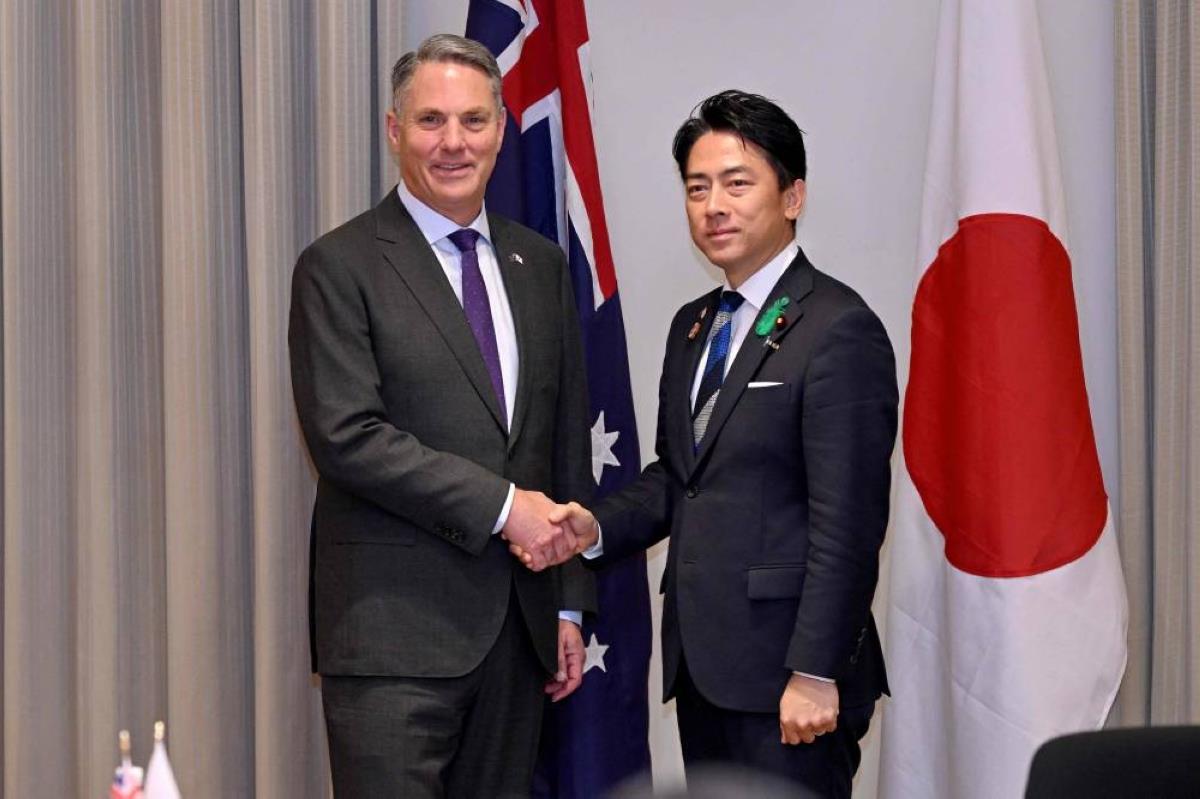
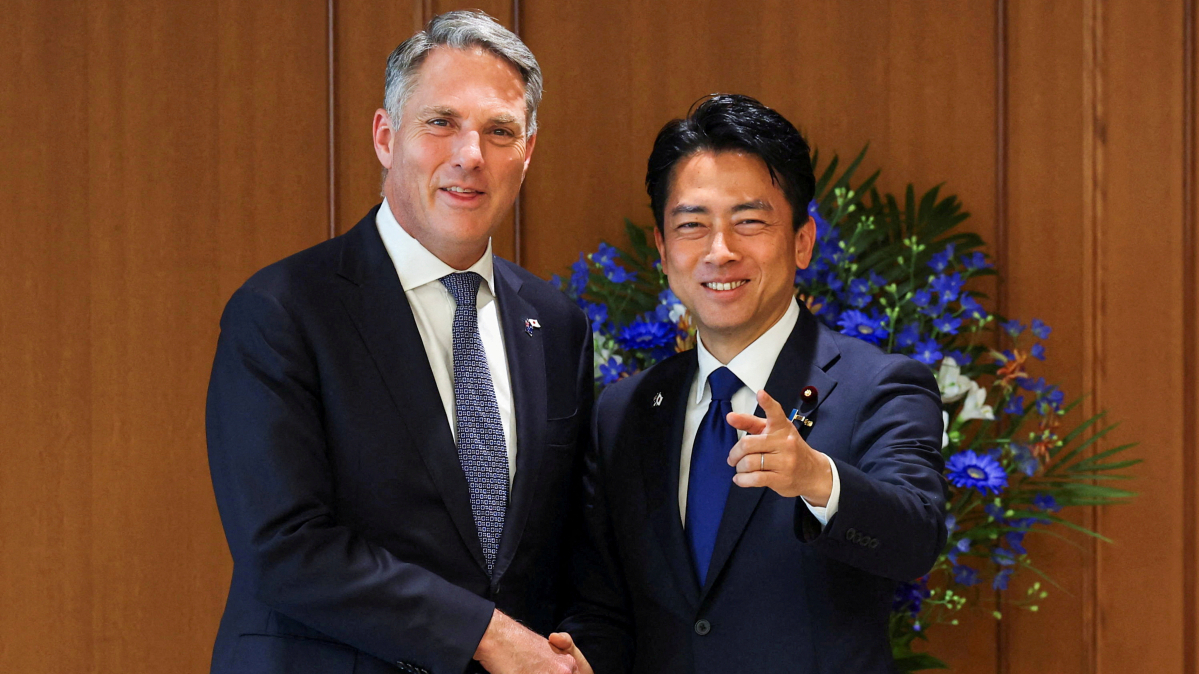
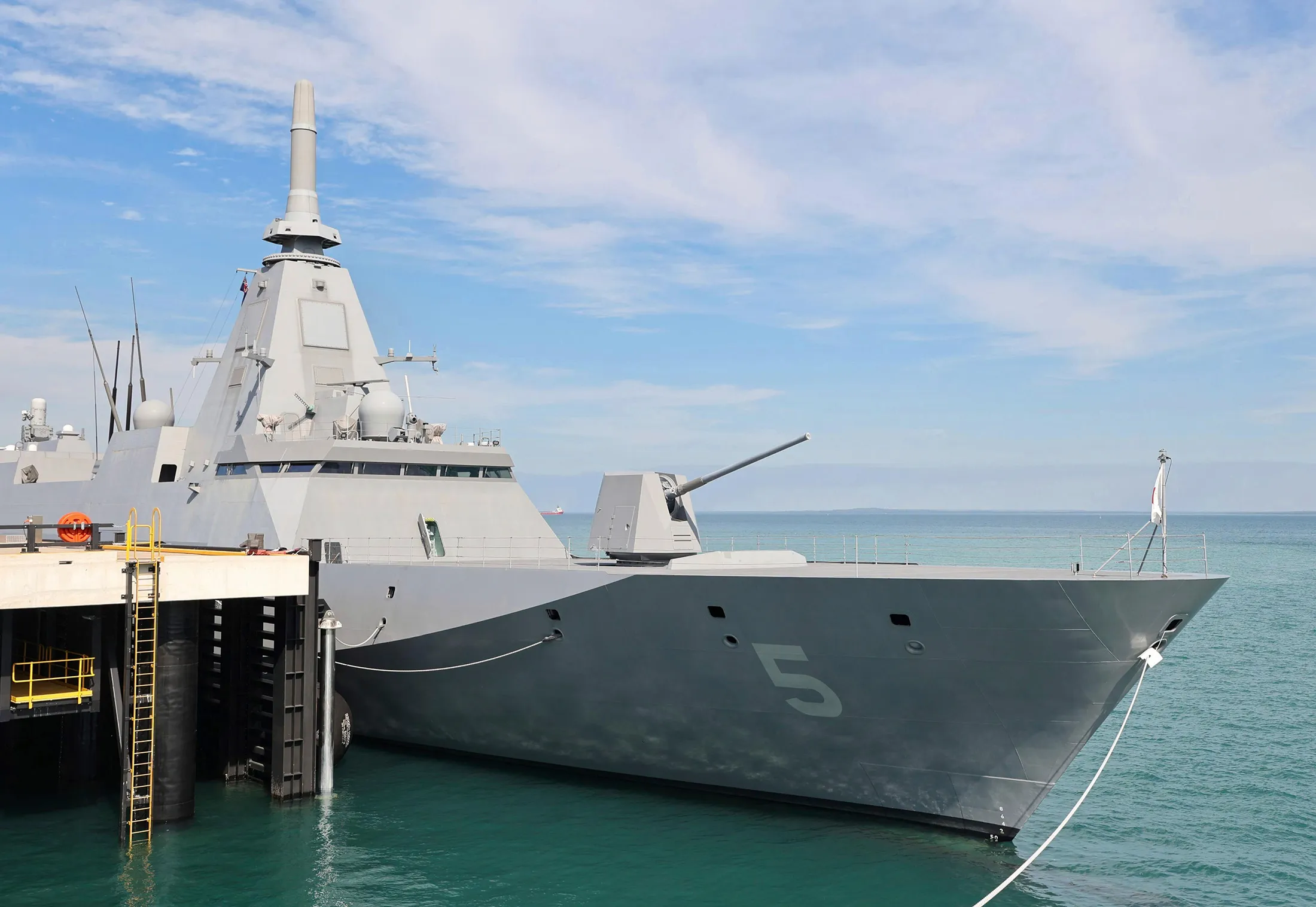
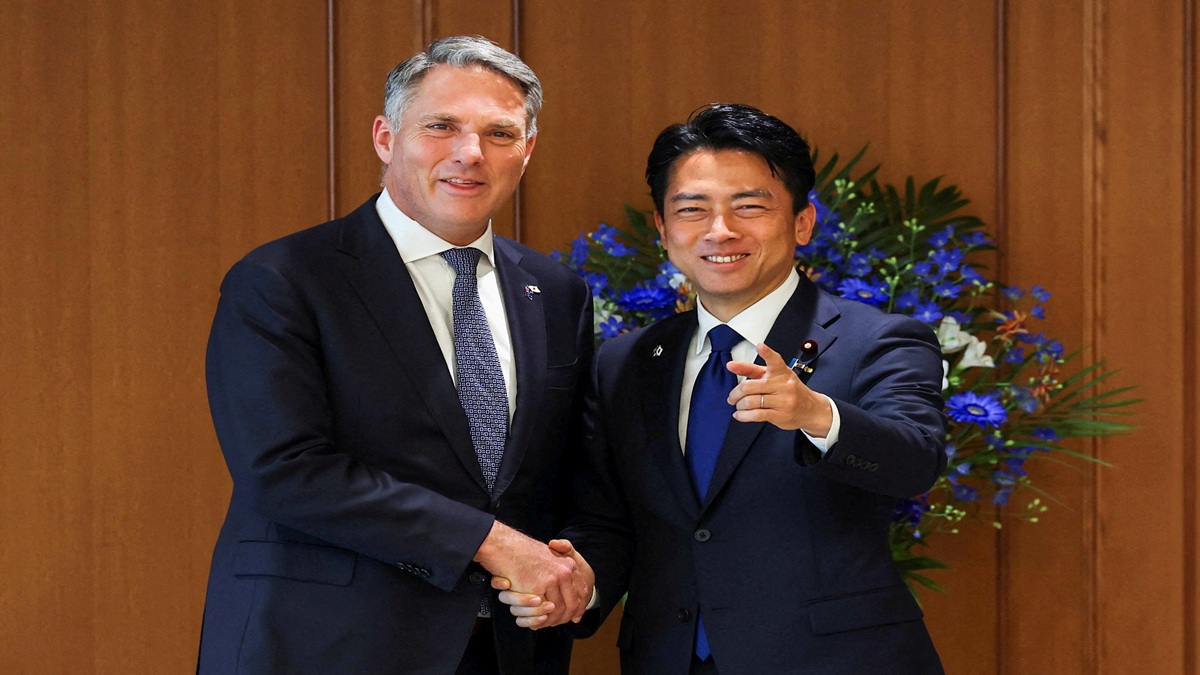
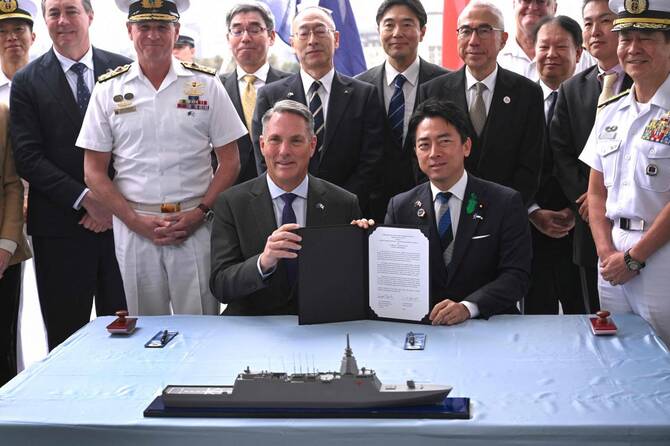
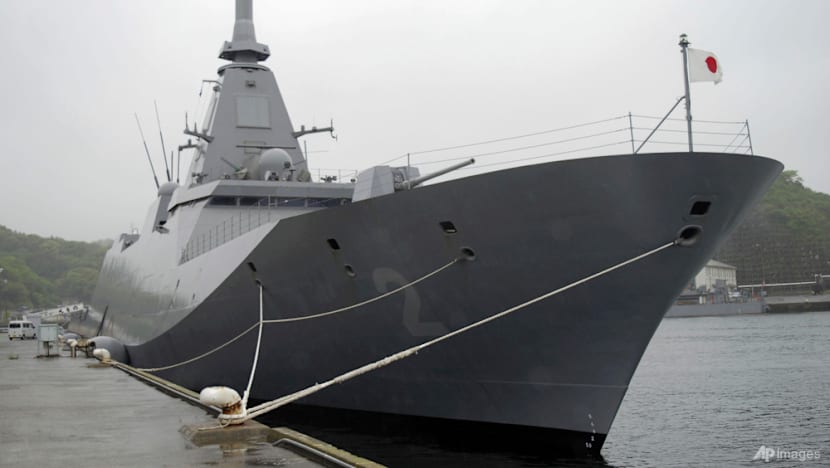
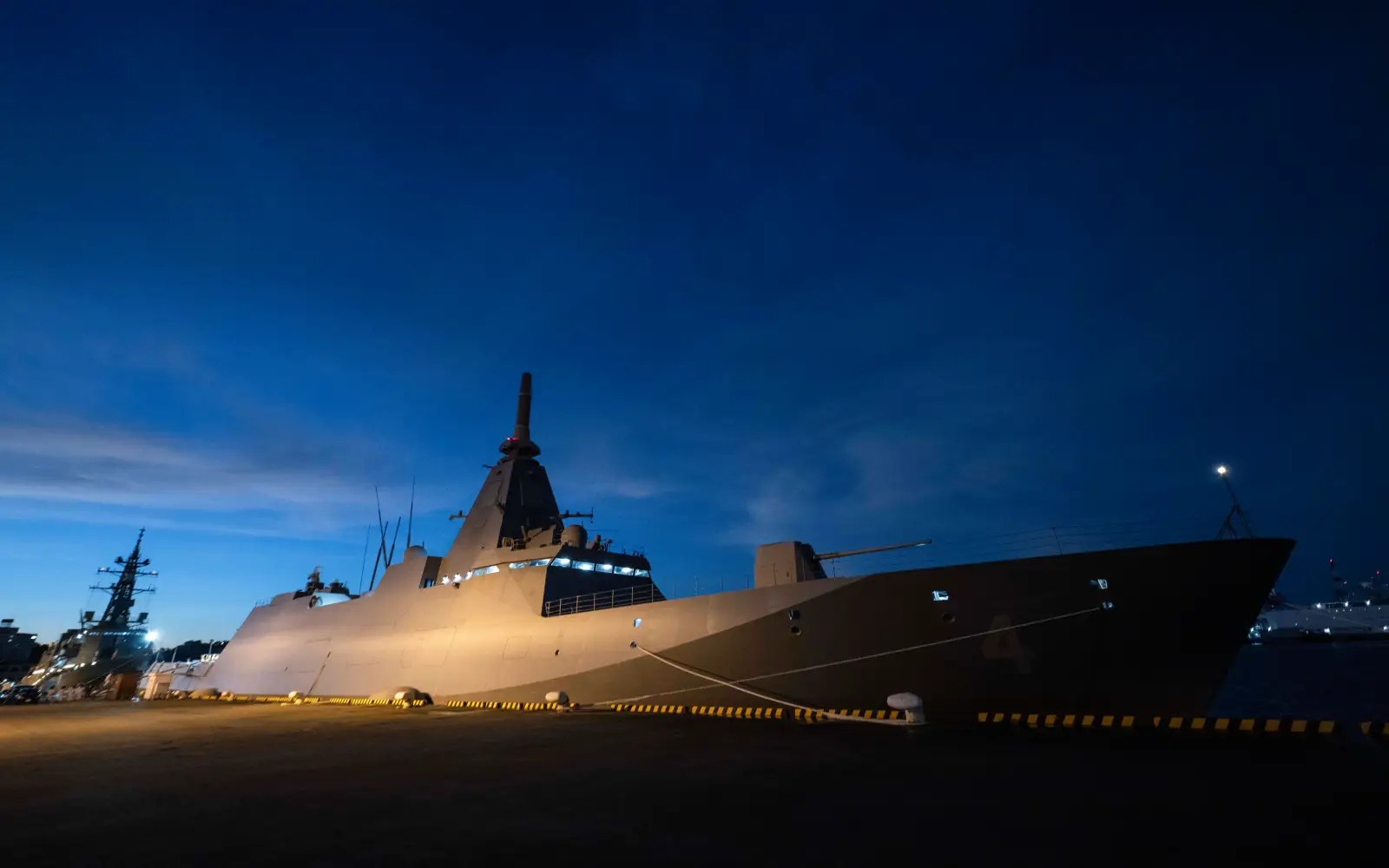
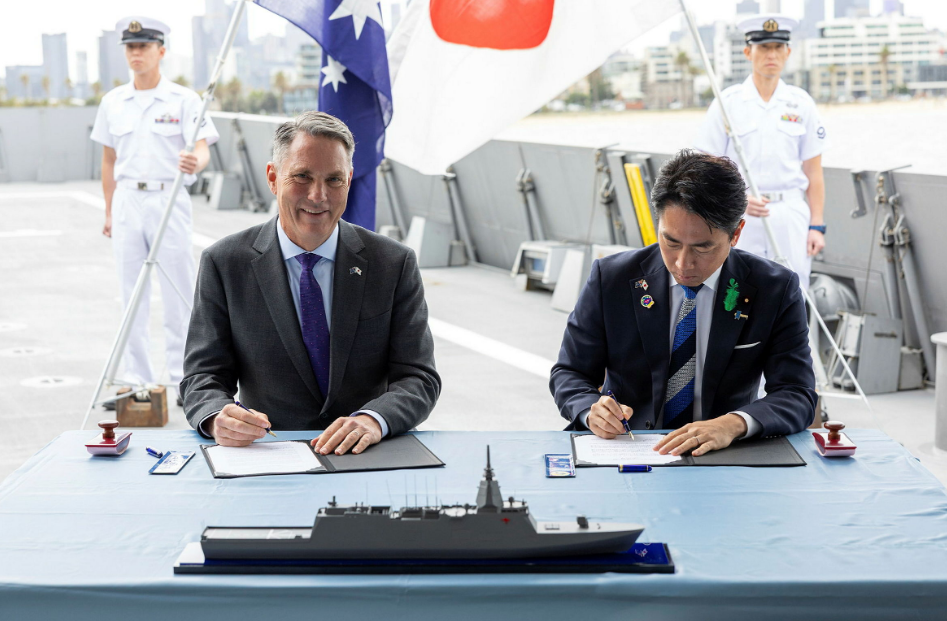
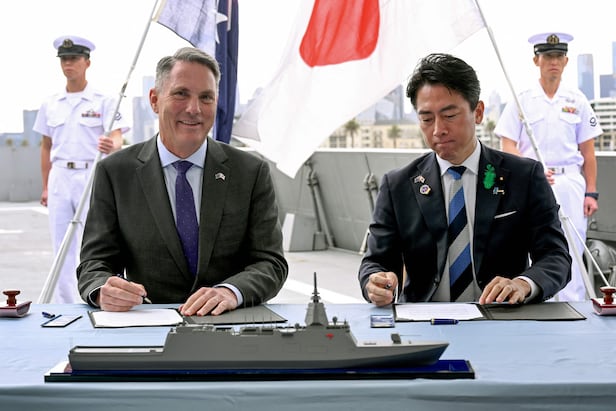
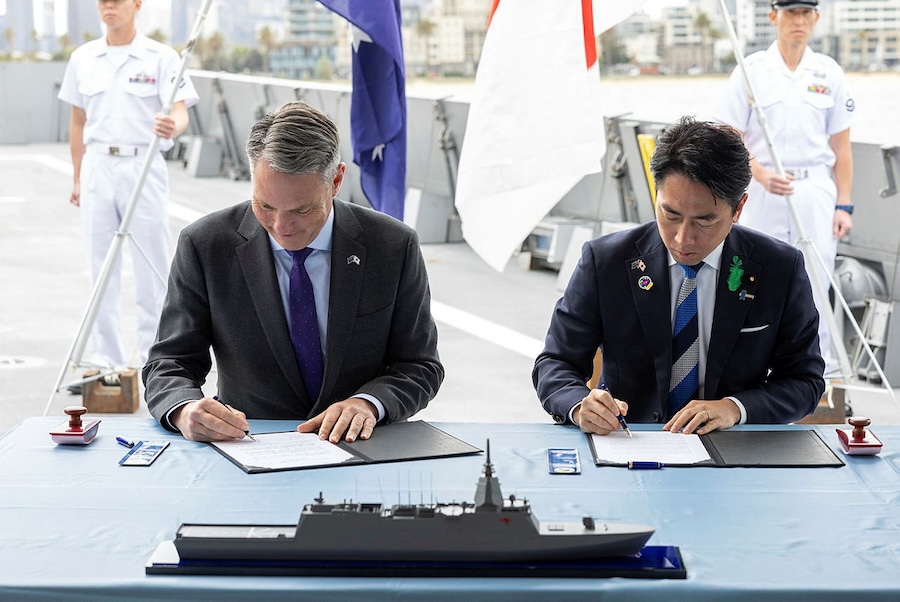
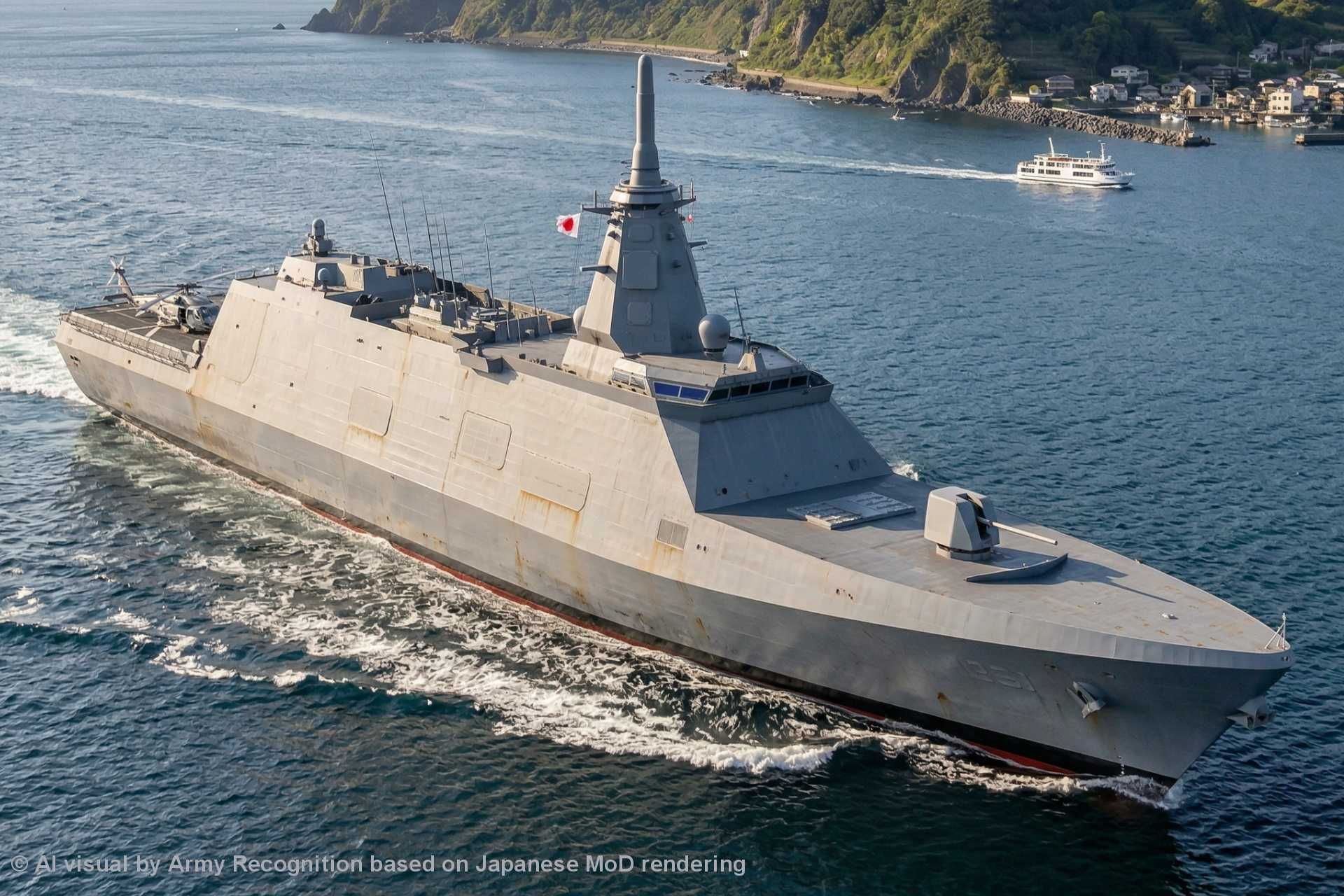
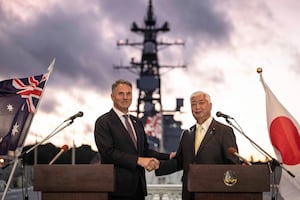
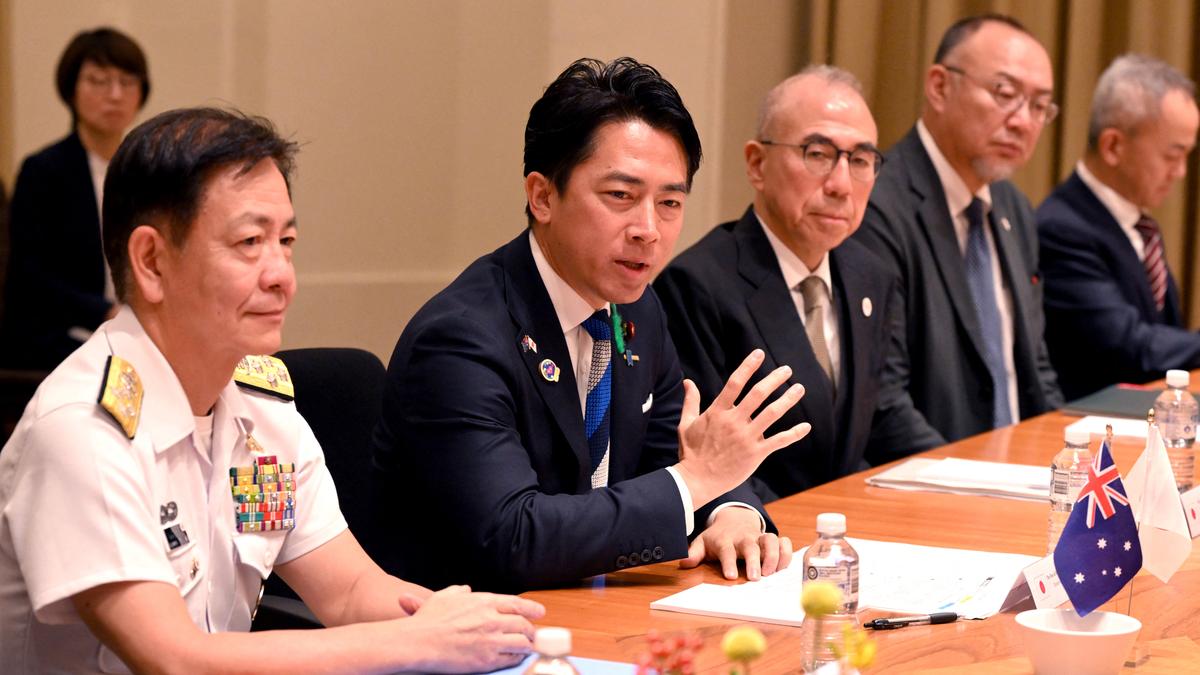
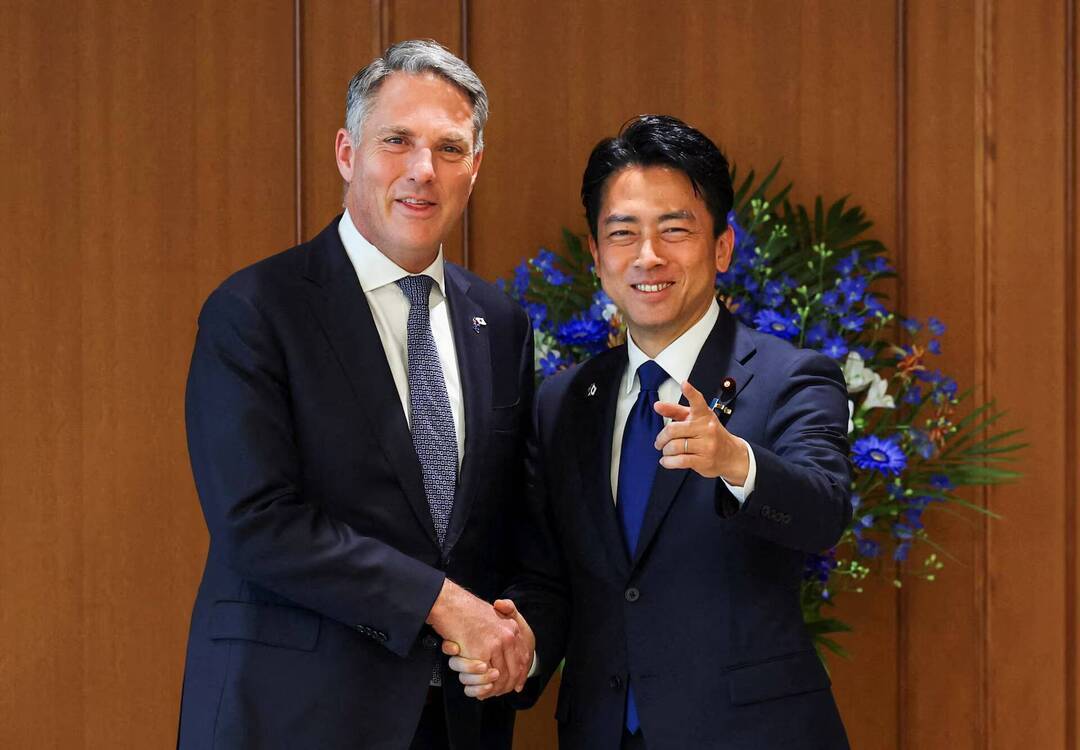
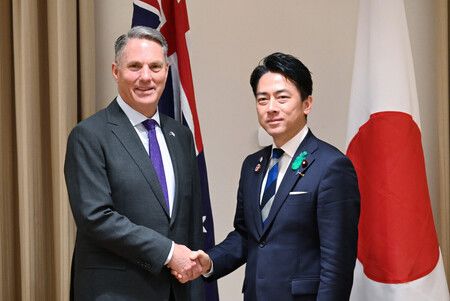
The April 2026 Australia-Japan warship contract ($7 billion USD / A$10 billion) combined with Japan's 128.6 billion yen ($806 million) frigate construction awards represents a critical geopolitical shift with profound implications for cross-border e-commerce sellers. Japan's strategic pivot away from postwar pacifism—ending its military export ban in 2014—signals accelerated defense industrialization that directly impacts supply chain geography, manufacturing capacity allocation, and logistics infrastructure in the Indo-Pacific region.
Defense Spending Creates Industrial Capacity Reallocation: Japan's FY2025-2026 defense budget allocations (314.8 billion yen for systems, 104.3 billion yen for additional ships) represent sustained industrial investment that reshapes manufacturing priorities. Mitsubishi Heavy Industries (MHI) and Japan Marine United (JMU) will consume significant precision manufacturing capacity through 2029, affecting component availability and pricing for electronics, sensors, and industrial equipment sellers sourcing from Japanese suppliers. The 15.1 billion yen in Tokyo-approved export subsidies indicate government-backed cost advantages for defense-related manufacturing, potentially creating tariff arbitrage opportunities for sellers in dual-use technology categories (electronics, optics, precision machinery) that serve both military and commercial markets.
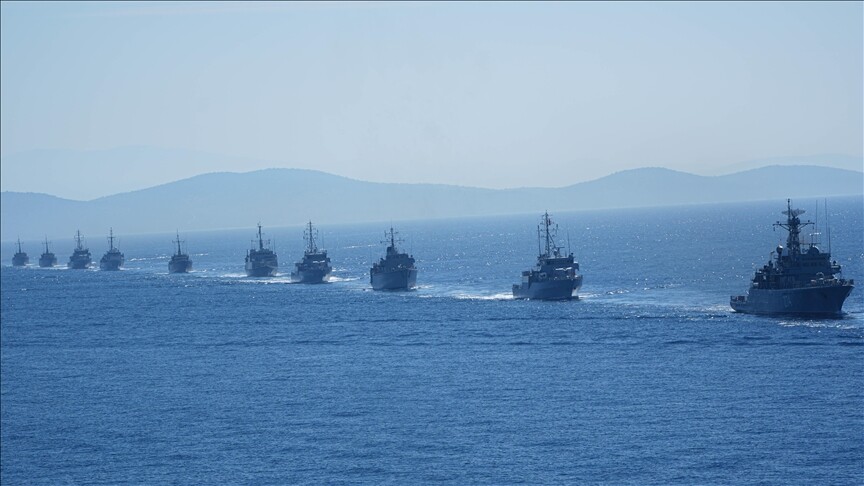
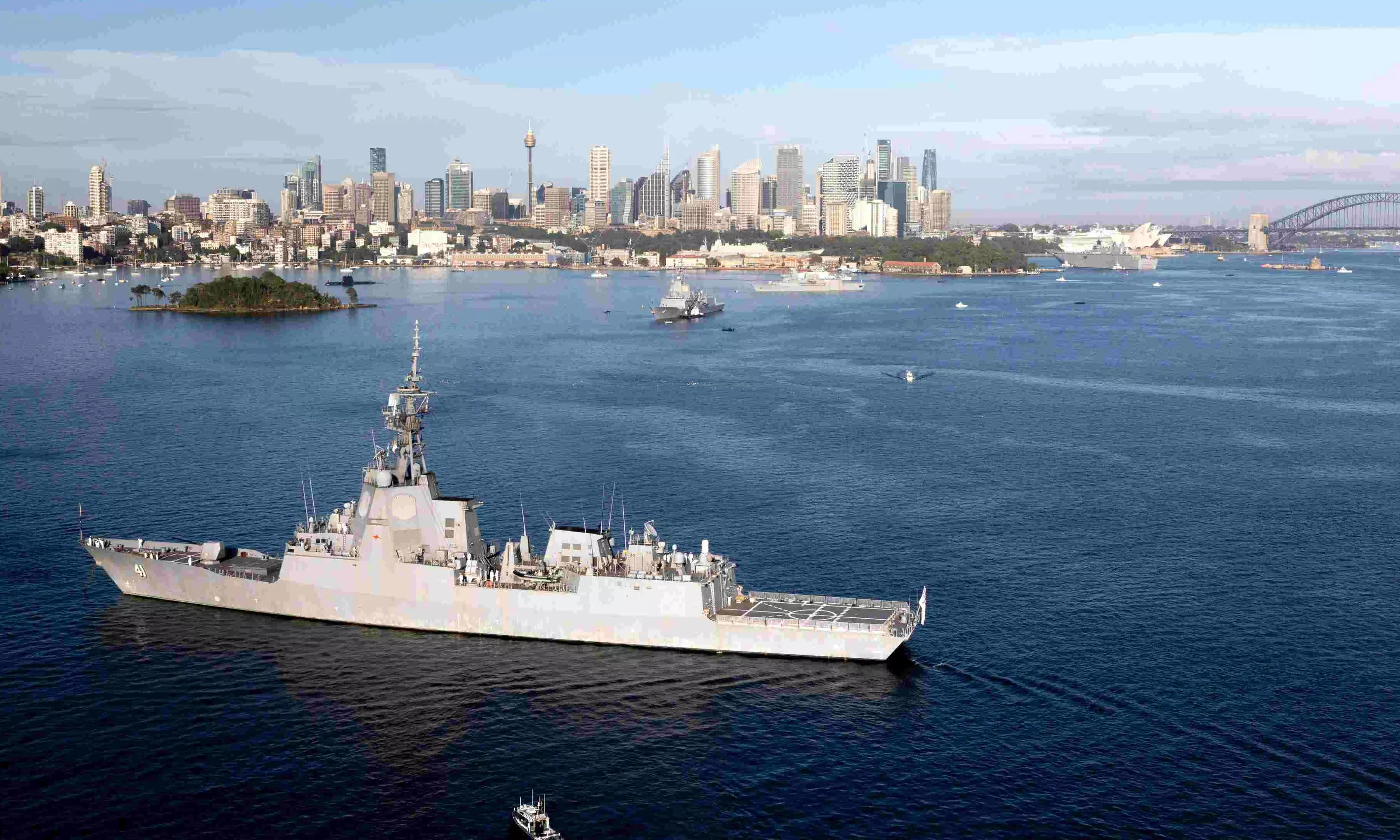
Indo-Pacific Logistics Infrastructure Expansion: The frigate construction timeline (2029+ delivery, with 8 additional ships built in Australia's Henderson shipyard) signals infrastructure investment in Australian ports and manufacturing hubs. This creates emerging logistics corridors for sellers shipping to Australia and the broader Indo-Pacific region. Sellers in industrial equipment, marine components, and specialized electronics should monitor Australian port capacity expansions and potential tariff incentives for defense-adjacent supply chains. The strategic focus on "protecting critical maritime trade routes" indicates increased naval presence that may affect shipping insurance costs, route optimization, and delivery timelines for sellers using Indo-Pacific shipping lanes.
Competitive Advantage for Japan-Based Suppliers: The defense export strategy establishes Japan as a preferred defense technology partner, strengthening its industrial ecosystem. Sellers sourcing precision components, electronics, or industrial equipment from Japanese manufacturers may benefit from government-backed supply chain stability and potential export financing programs. Conversely, sellers competing with Japanese suppliers in electronics or precision manufacturing categories should expect increased competition as Japanese firms gain government subsidies and export support. The 12-frigate program (total 12 upgraded FFMs planned) represents sustained demand through 2030+, creating stable sourcing opportunities for component suppliers.
Questions 8
What competitive risks do sellers face from Japanese suppliers gaining government export support?
Japanese suppliers in electronics, precision manufacturing, and industrial equipment gain competitive advantages through 15.1 billion yen in government export subsidies and defense-backed supply chain stability. This reduces their cost structures by 5-15% compared to non-subsidized competitors. Sellers competing with Japanese firms should expect margin compression in these categories through 2029+. To mitigate risk, sellers should: (1) diversify sourcing to non-Japanese suppliers in Vietnam, India, or South Korea; (2) focus on niche categories where Japanese suppliers lack scale; (3) develop proprietary products with higher margins; (4) consider acquiring Japanese suppliers or forming joint ventures to access subsidized supply chains. Monitor MHI and JMU capacity utilization quarterly to identify when defense contracts reduce commercial component availability.
How does the Japan-Australia defense partnership affect tariff structures and trade agreements for cross-border sellers?
The $17 billion defense contract strengthens Japan-Australia trade relationships, potentially accelerating tariff reductions for defense-adjacent categories under existing trade agreements (Japan-Australia Economic Partnership Agreement). Sellers in electronics, precision components, and industrial equipment may benefit from preferential tariff treatment as defense supply chains deepen. The strategic partnership signals government priority for defense-related imports, potentially creating tariff exemptions or reduced rates for components supporting frigate construction. Sellers should monitor Australian Customs tariff schedules for defense-related HS codes (e.g., 8406-8409 for machinery, 8526-8528 for communications equipment) and evaluate tariff arbitrage opportunities by sourcing through Japan-Australia corridors rather than China-Australia routes.