

Airline Consolidation Blocked | Logistics Costs & Shipping Competition Remain Stable for E-Commerce Sellers
- American Airlines rejects United merger proposal (April 17-18, 2026); maintains competitive airline market with 4 major carriers; preserves air freight pricing pressure and logistics flexibility for cross-border sellers















Overview
The Failed United-American Airlines Merger Preserves Competitive Logistics Landscape for E-Commerce Sellers
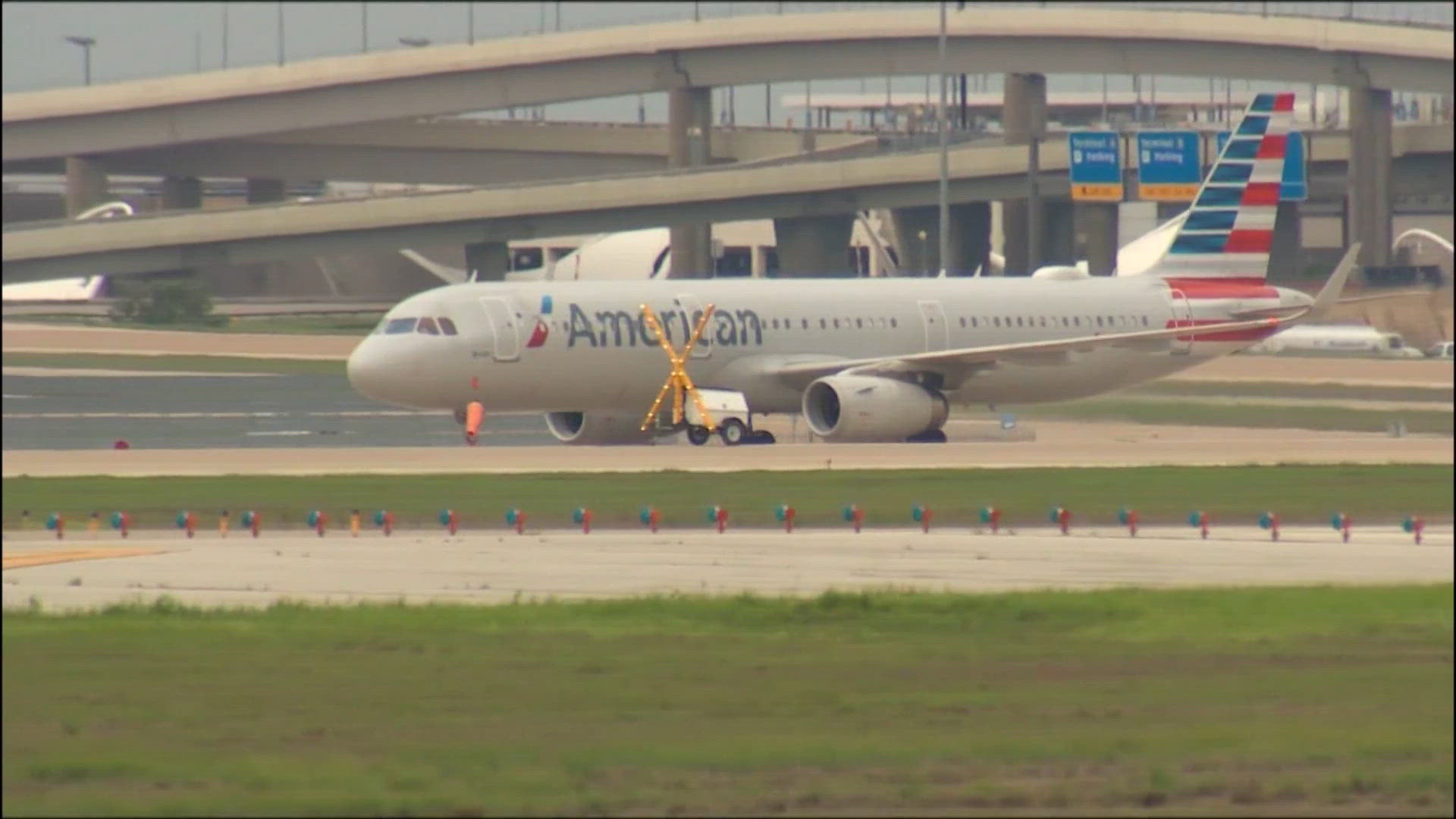
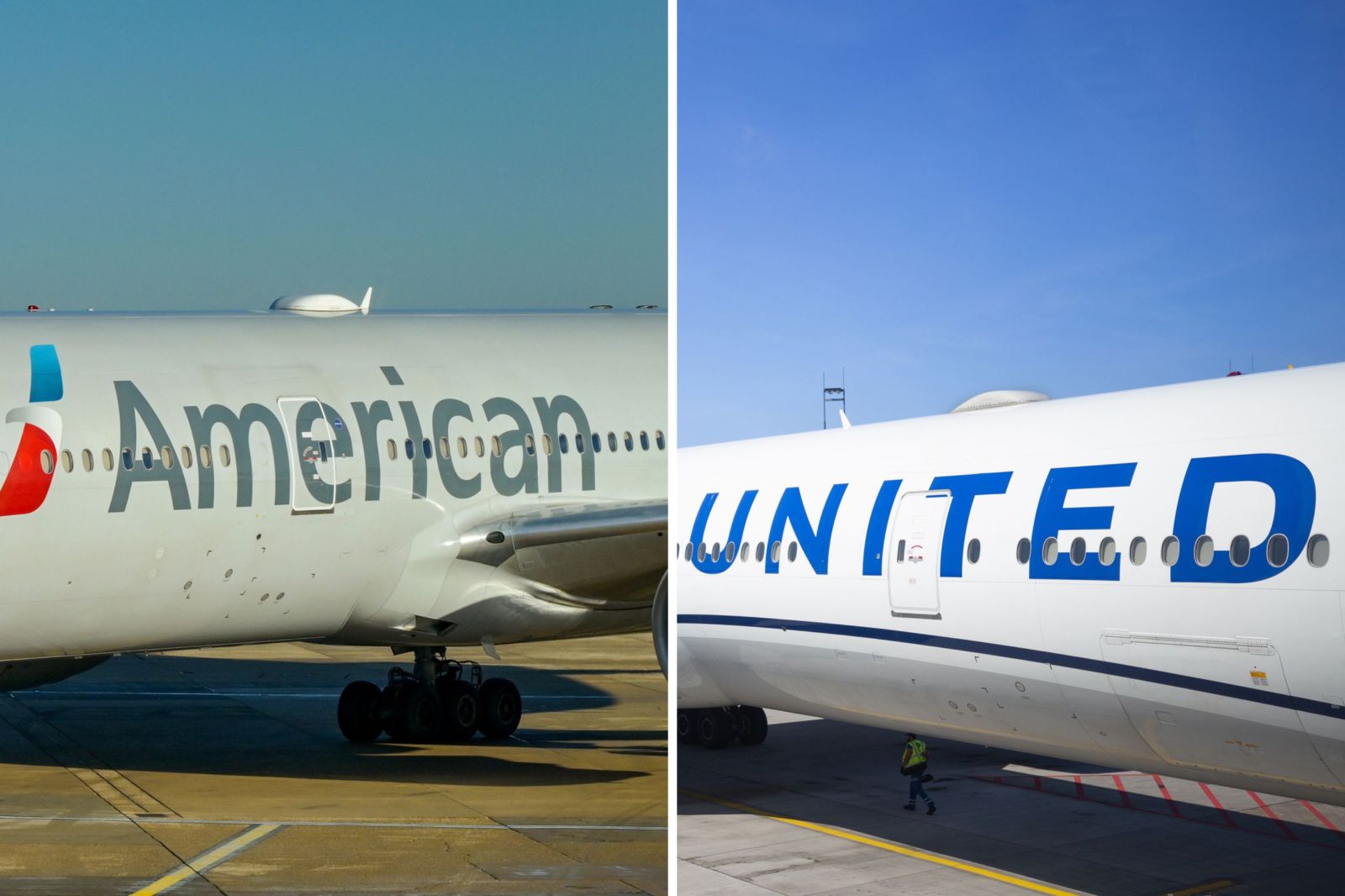
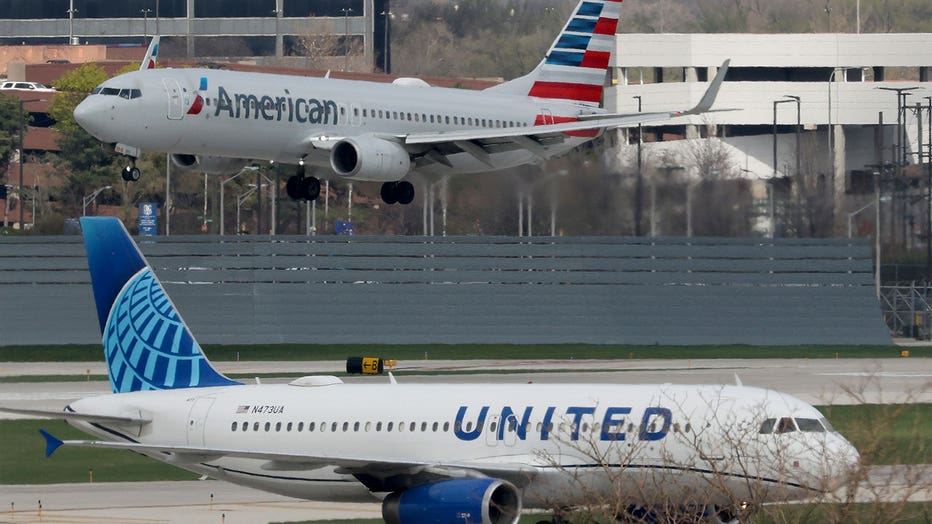
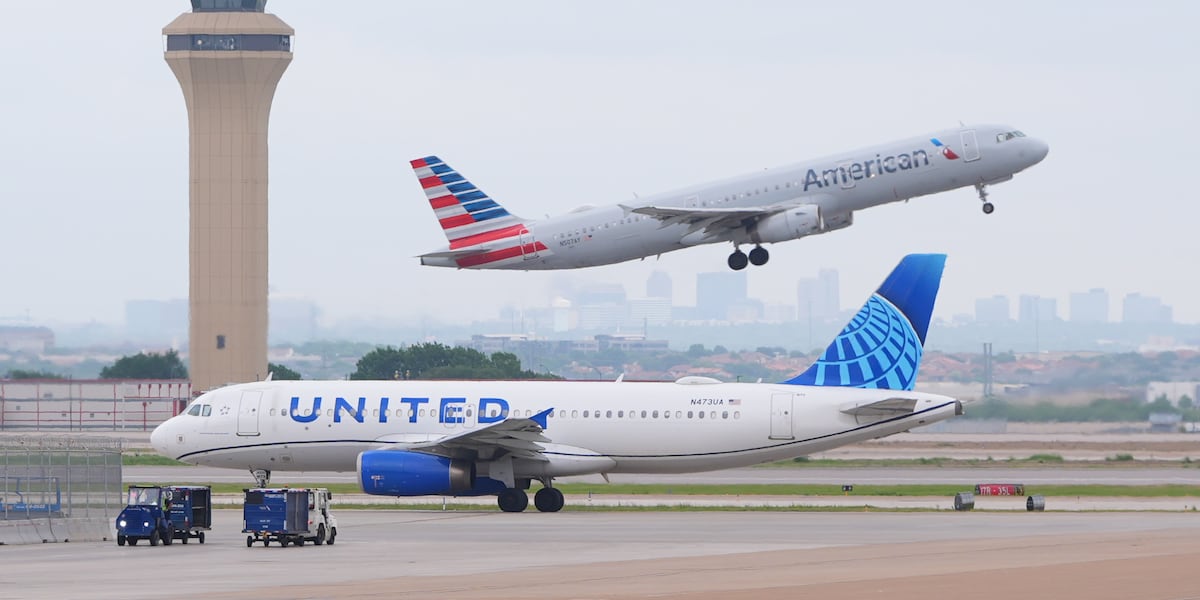
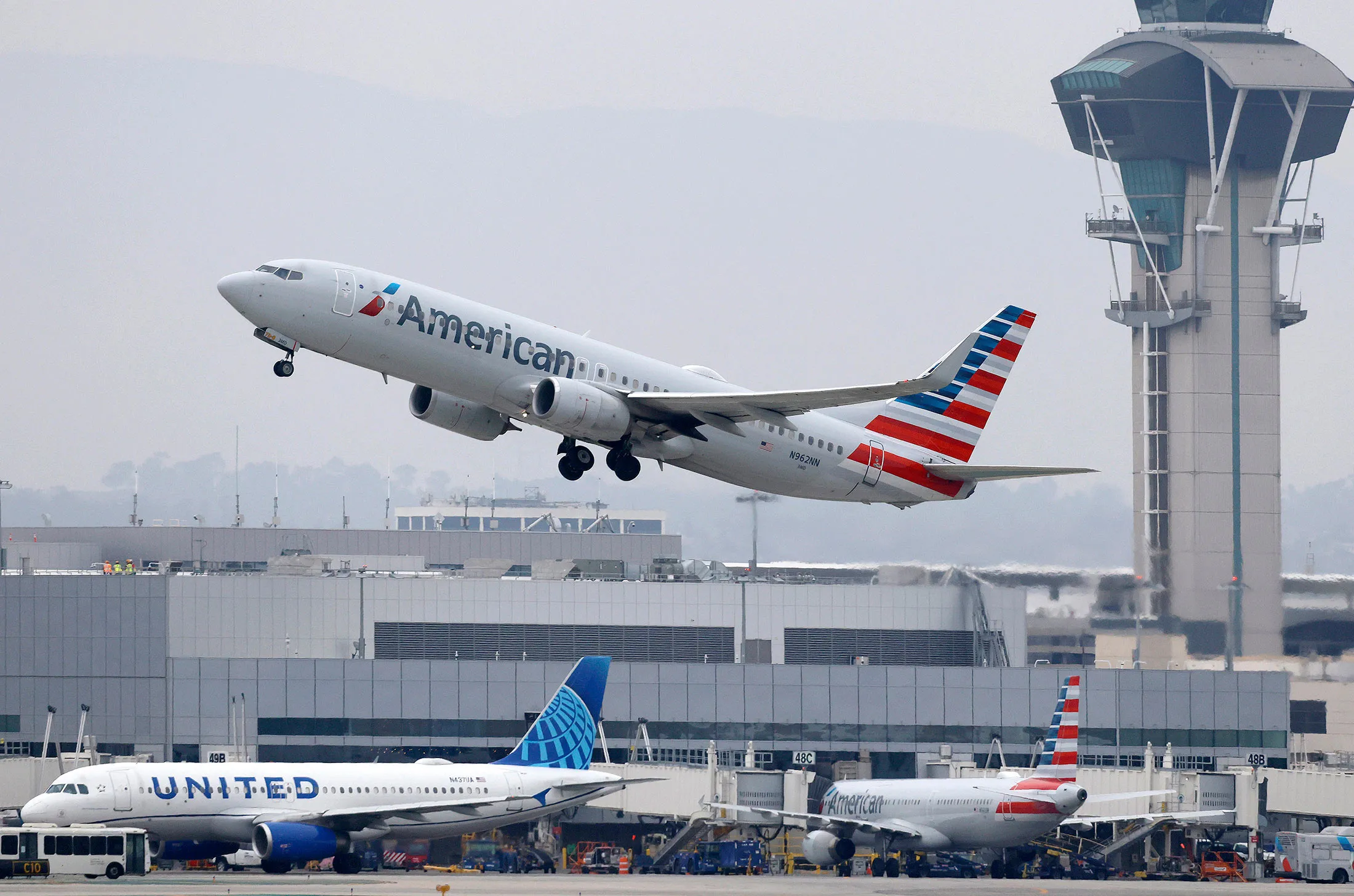
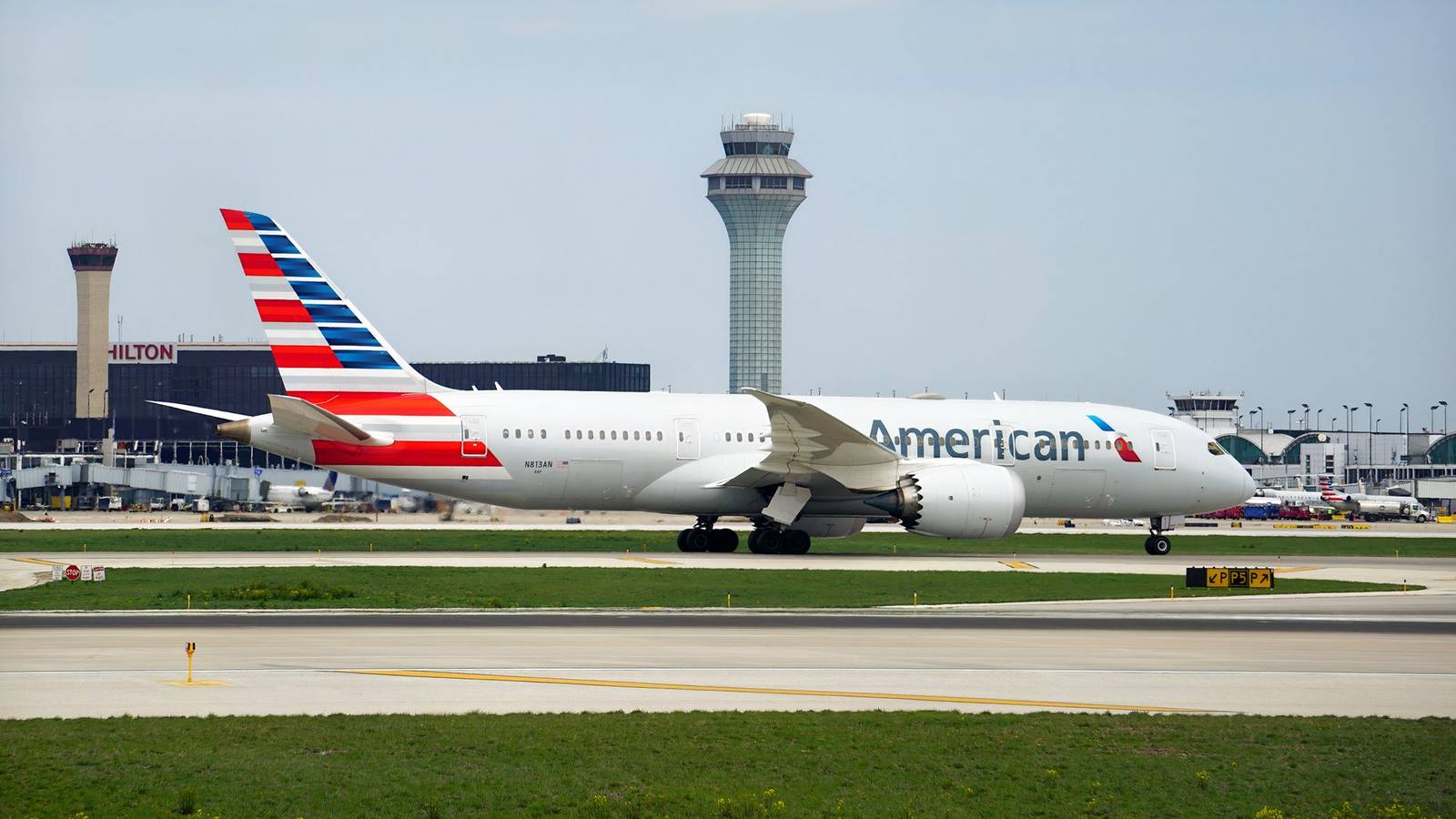
On April 15-18, 2026, United Airlines CEO Scott Kirby's third major acquisition attempt—targeting American Airlines—was formally rejected, marking a critical moment for the logistics and shipping infrastructure that underpins cross-border e-commerce. American Airlines explicitly stated it was "not engaged with or interested in any discussions regarding a merger with United Airlines," citing antitrust concerns and negative competitive impacts. This rejection maintains the current four-carrier oligopoly (American, United, Delta, Southwest) that has shaped air freight pricing and capacity for the past decade.
Why This Matters for E-Commerce Sellers: Logistics Cost Stability and Competitive Pressure
The proposed merger would have created an entity controlling approximately one-third of U.S. domestic aviation capacity, fundamentally altering air freight economics. For e-commerce sellers relying on air freight for time-sensitive shipments—particularly cross-border sellers using FedEx, UPS, and DHL networks that depend on airline capacity—consolidation would have reduced competitive pressure on fuel surcharges and capacity pricing. American Airlines' $8 billion market capitalization (roughly one-fourth to one-fifth that of United and Delta) reflects investor skepticism about its low-cost strategy, yet its continued independence as a standalone carrier preserves pricing competition in key logistics hubs.
Operational Impact on Seller Shipping Costs: The rejection prevents a potential 8-15% increase in air freight surcharges that typically accompany reduced carrier competition. Sellers shipping high-value, time-sensitive products (electronics, luxury goods, perishables) via air freight benefit from maintained competition between four major carriers. The merger would have eliminated American's aggressive low-fare positioning, which historically pressures other carriers to maintain competitive fuel surcharges and capacity availability. Current air freight costs for cross-border shipments remain stable at approximately $4-8 per kilogram for standard routes (US-EU, US-Asia), with the four-carrier market structure supporting this pricing.
Strategic Implications for Seller Logistics Planning: American Airlines' commitment to "independent strategic objectives" and "operational efficiency improvements" signals continued investment in cargo operations and fleet modernization. The company's emphasis on competing with budget carriers (Spirit, Frontier) suggests it will maintain aggressive pricing in regional hubs—particularly Chicago O'Hare and Texas hubs (Dallas, Houston)—where both United and American operate significant cargo facilities. For sellers using 3PL providers and freight forwarders, this competitive dynamic preserves negotiating leverage on air freight rates through 2026-2027.
Regulatory Environment and Future Consolidation Risk: The rejection reflects broader antitrust enforcement priorities under the current administration, despite initial pro-deal signals. White House skepticism about merger impacts on "ticket prices" (a politically sensitive consumer cost issue ahead of November 2026 midterm elections) indicates that future airline consolidation faces substantial regulatory barriers. This creates a stable, predictable logistics environment for sellers planning 2026-2027 supply chain strategies, with low probability of major carrier consolidation disrupting air freight capacity or pricing.
Geopolitical and Fuel Cost Context: The timing coincides with the U.S.-Israeli war with Iran (beginning early March 2026), which sent jet fuel prices soaring and forced airlines to raise fares and fees. American Airlines' rejection of the merger—despite fuel cost pressures—suggests the company believes it can achieve profitability through independent operational improvements rather than consolidation. This signals continued competitive investment in cargo capacity and pricing, benefiting sellers who depend on air freight for cross-border logistics.
Questions 7
How does American Airlines' low-cost strategy impact seller shipping options?
American Airlines' emphasis on low-fare competition with budget carriers (Spirit, Frontier) creates pricing pressure across the industry, benefiting sellers who negotiate air freight rates. The airline's continued independence preserves this competitive dynamic. For sellers, American's low-cost positioning means: (1) Competitive fuel surcharges across all carriers, (2) Maintained cargo capacity in regional hubs, (3) Pricing leverage in negotiations with FedEx, UPS, and DHL. Expect American to maintain aggressive pricing in cargo operations as part of its standalone growth strategy, supporting seller cost management through 2026-2027.
Should sellers adjust logistics strategies based on the failed merger?
No immediate adjustments are necessary. The rejection creates a stable, predictable logistics environment with low consolidation risk through 2026-2027. However, sellers should: (1) Lock in air freight rates with 3PL providers for 12-month contracts to protect against fuel surcharge volatility, (2) Diversify carrier usage across all four major airlines to maintain negotiating leverage, (3) Monitor quarterly fuel surcharge trends as geopolitical risks remain elevated. The stable four-carrier market structure supports long-term logistics planning without major disruption risk.