
Intel Core Series 3 Processors 2026 | Laptop Seller Inventory Refresh Opportunity
- 70+ OEM designs launching April-Q2 2026 create major product refresh cycle for electronics sellers on Amazon, eBay, and regional marketplaces










Overview
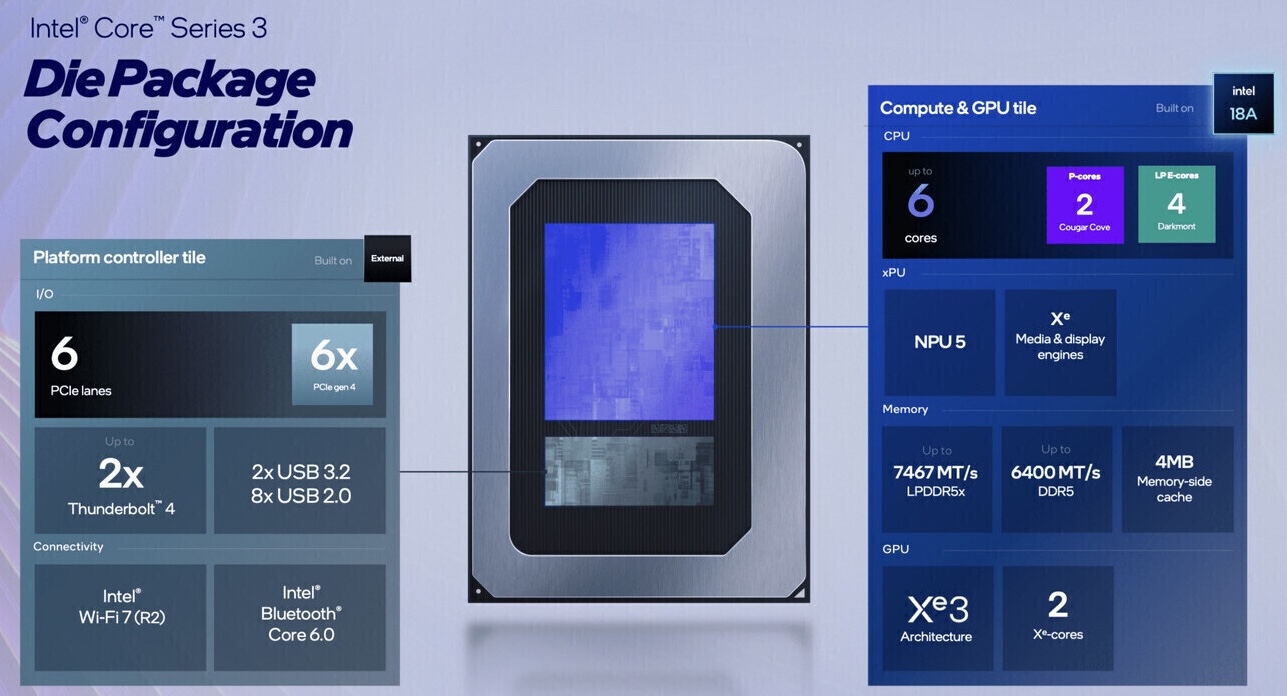
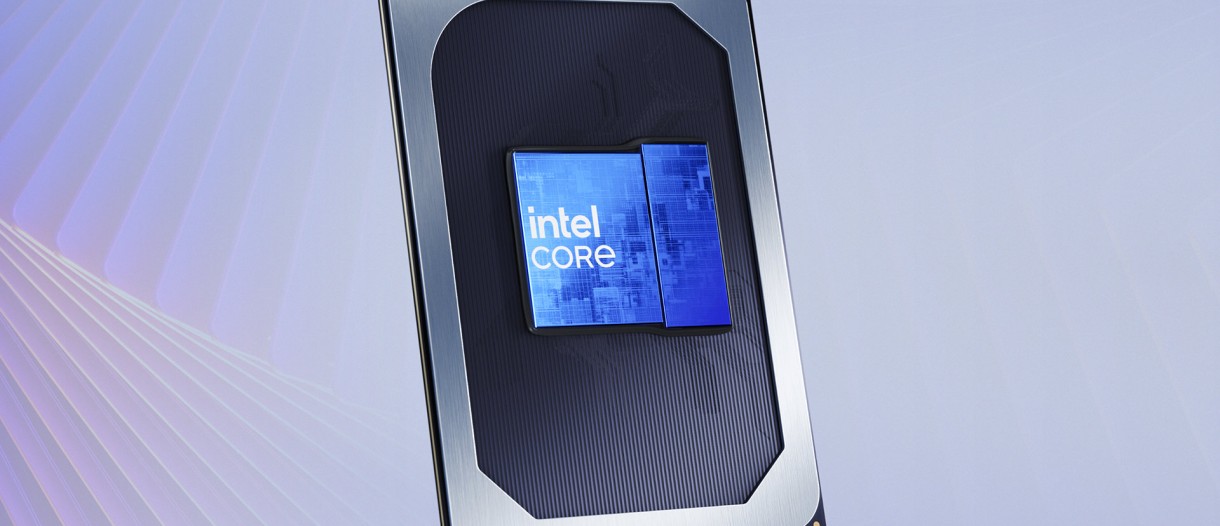
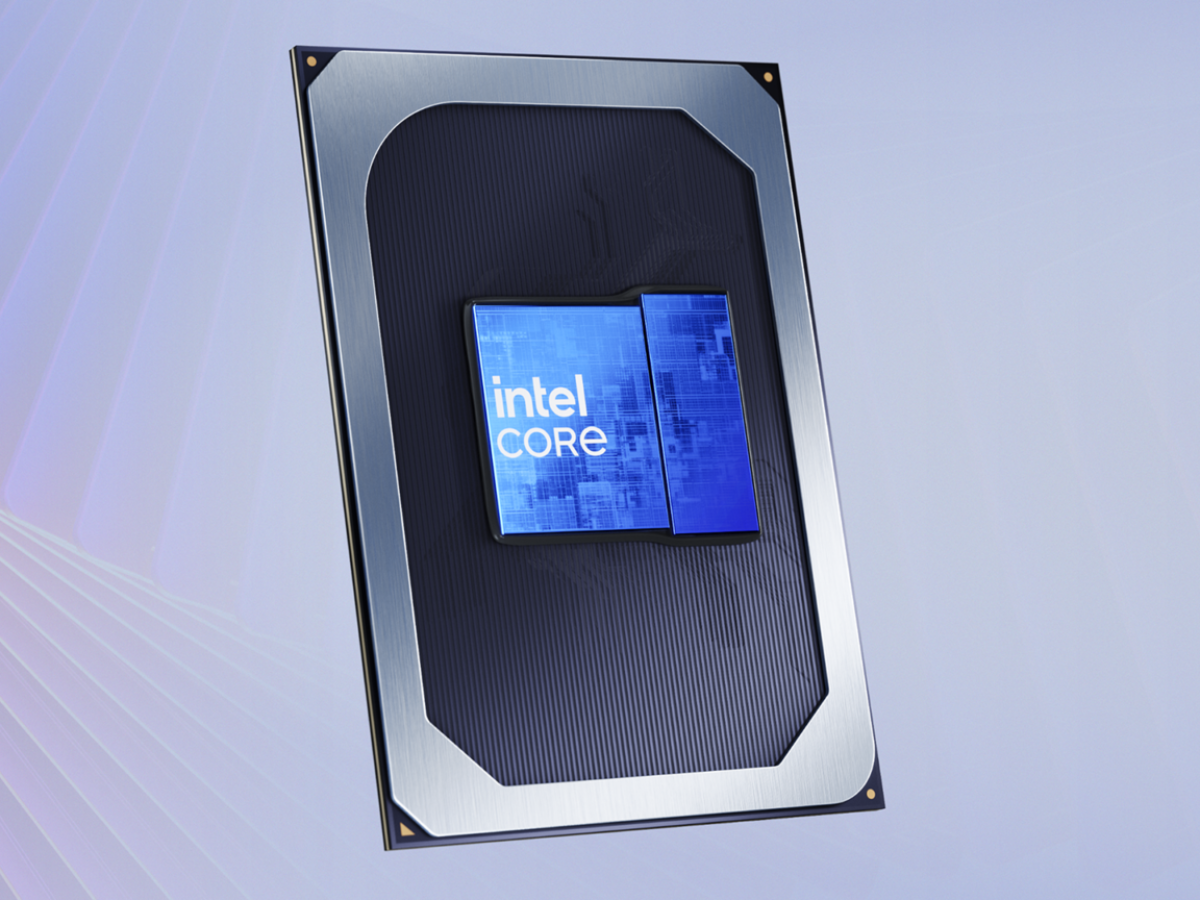
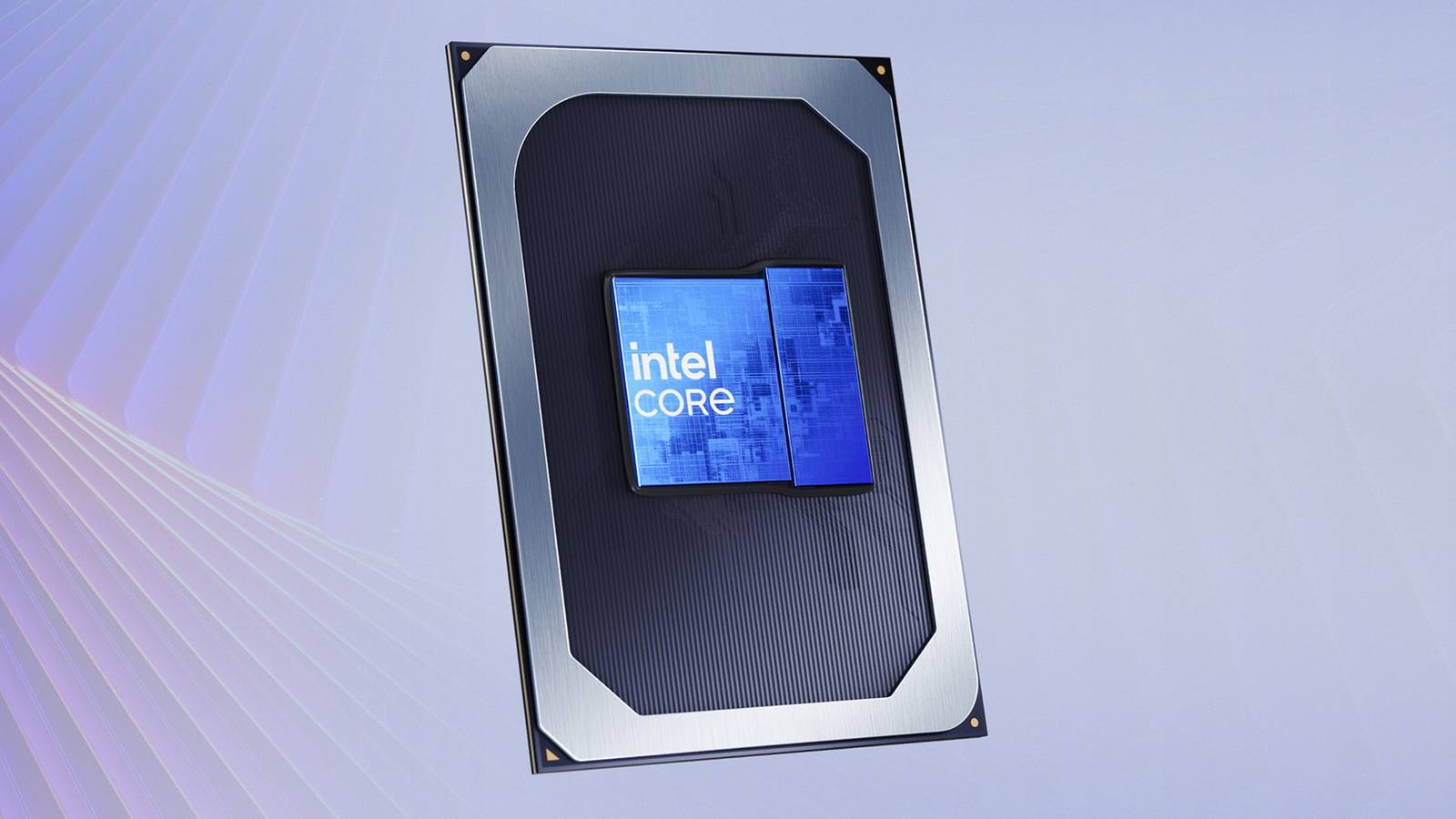
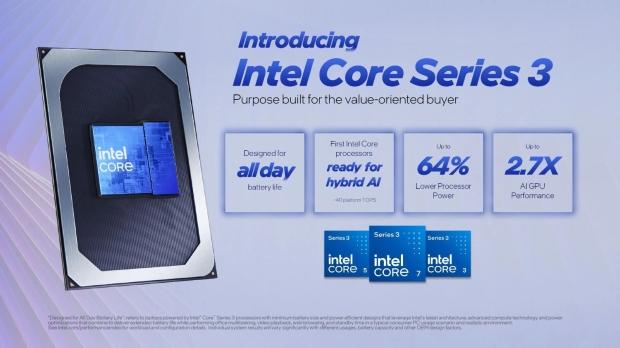
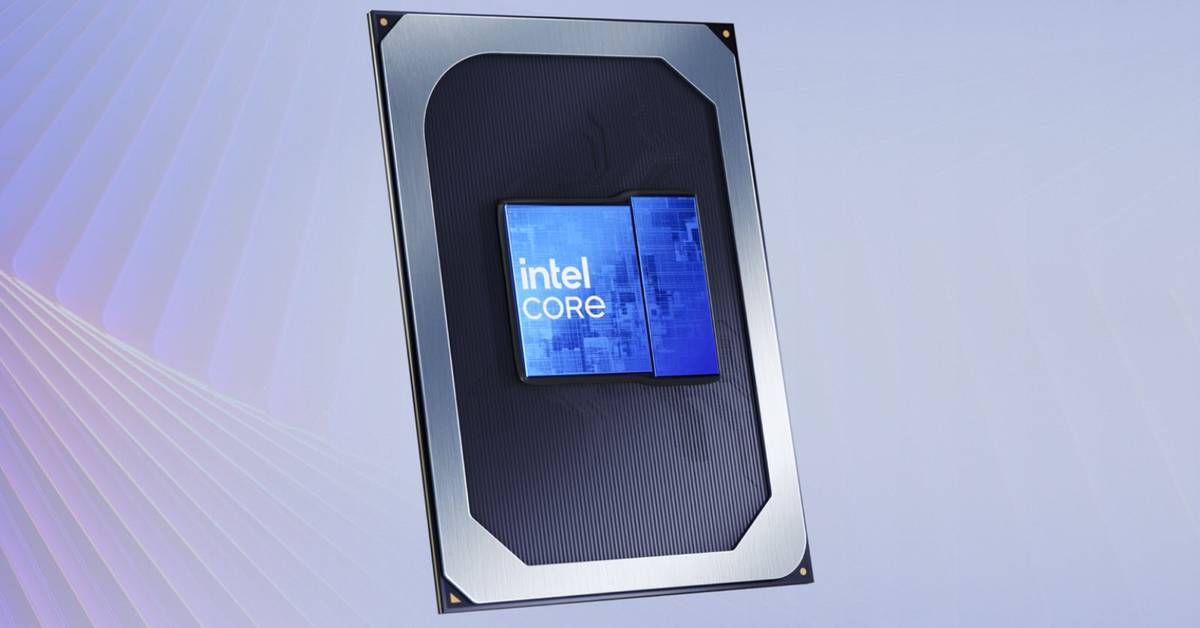
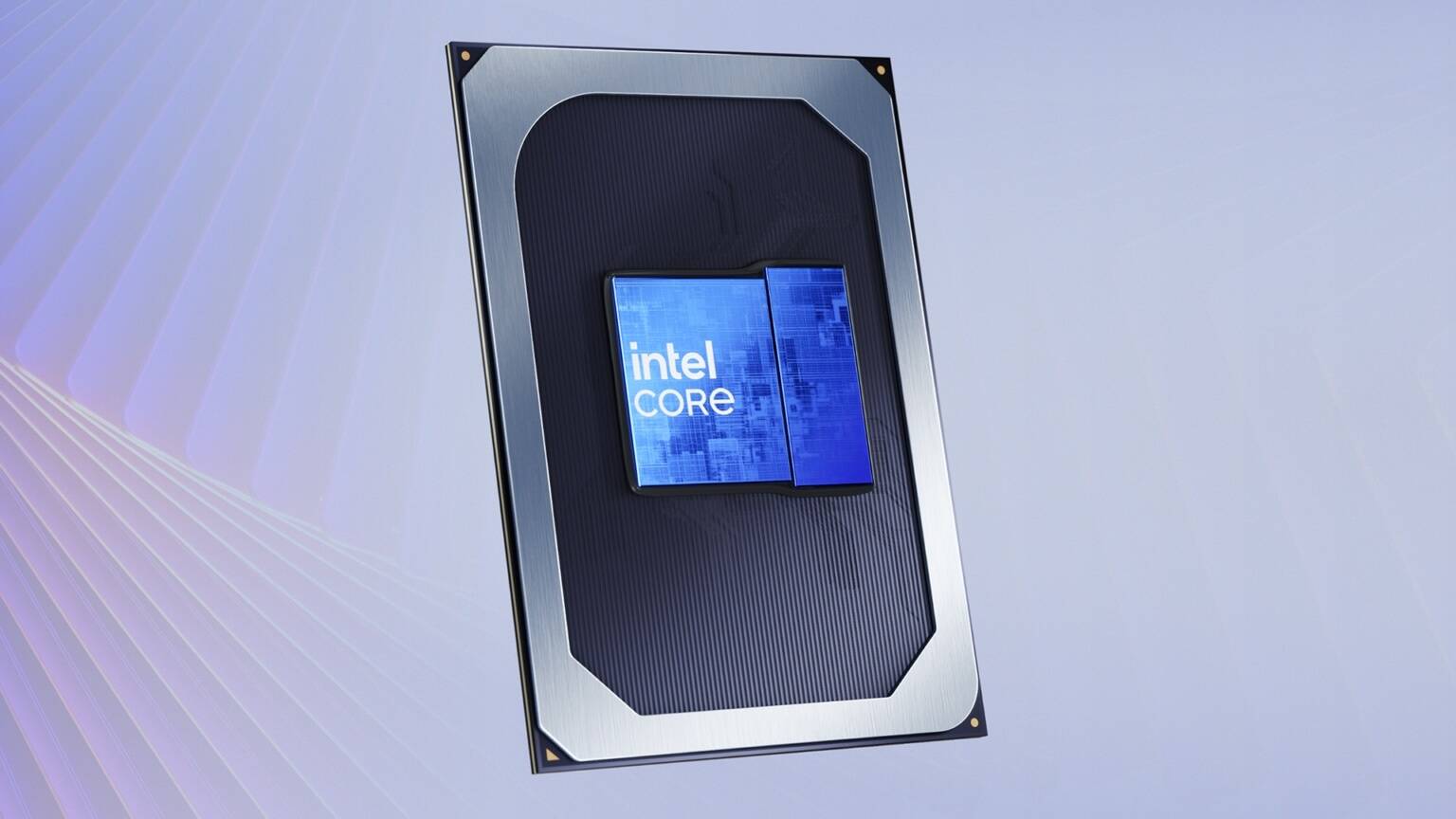
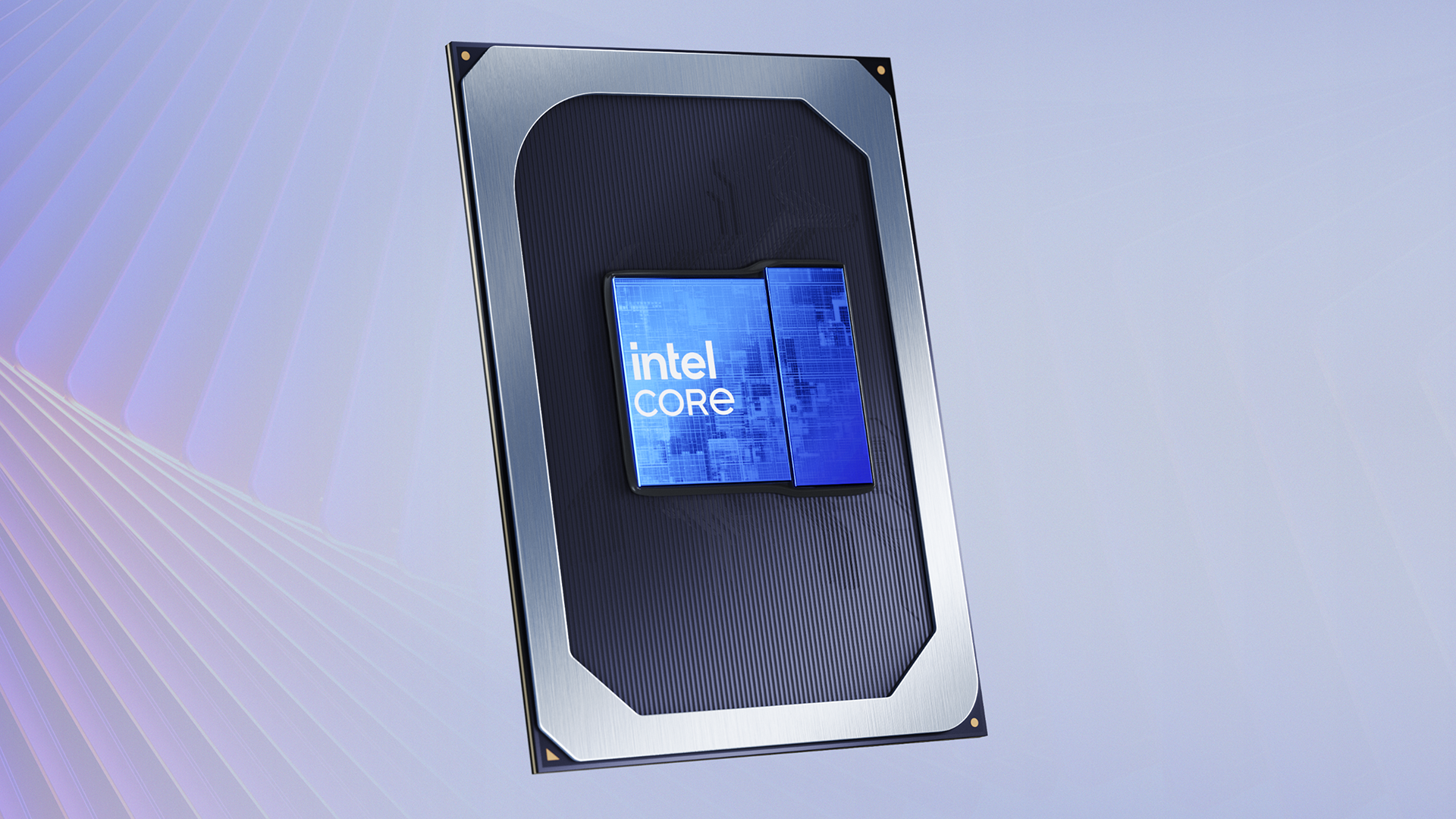
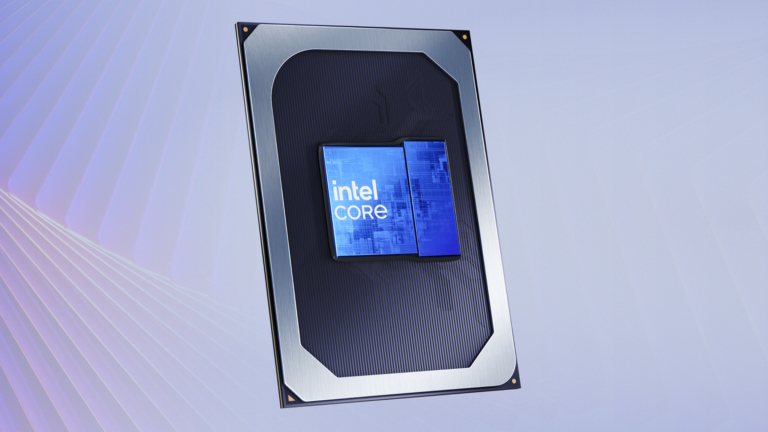
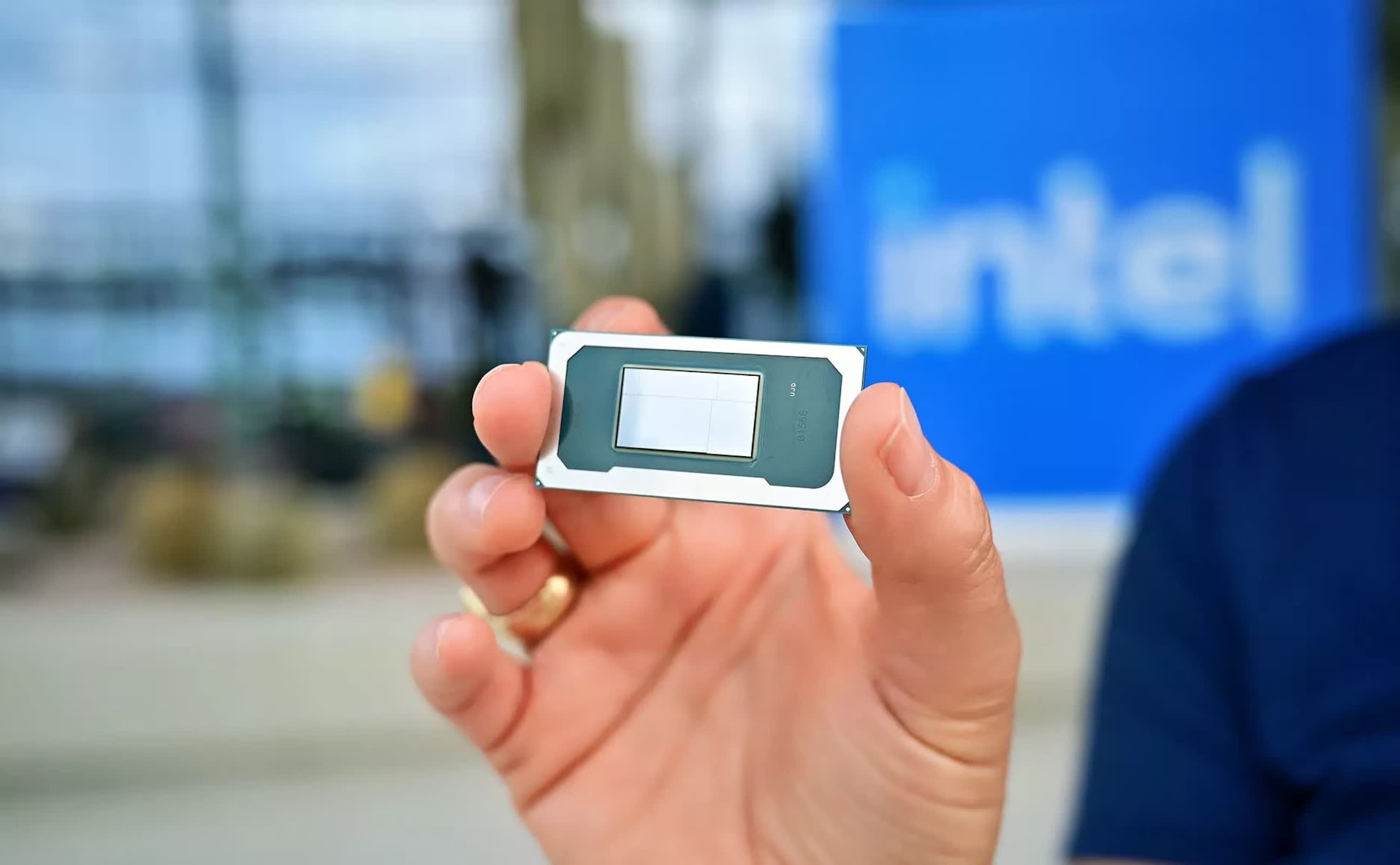
Intel's April 16, 2026 launch of Core Series 3 processors (codenamed Wildcat Lake) represents a significant product refresh cycle for cross-border electronics and laptop sellers. Built on Intel's domestically-manufactured 18A process node, these budget-oriented processors deliver 47% better single-thread and 41% better multi-thread performance versus five-year-old systems, with 2.8x improved GPU AI performance and up to 64% lower power consumption compared to previous-generation Core 7 150U chips. The launch directly impacts e-commerce inventory planning: over 70 system designs from major OEMs (Acer, ASUS, Dell, HP, Lenovo, MSI, Samsung) will launch throughout 2026, with consumer/commercial systems available starting April 16 and edge computing systems shipping in Q2 2026.
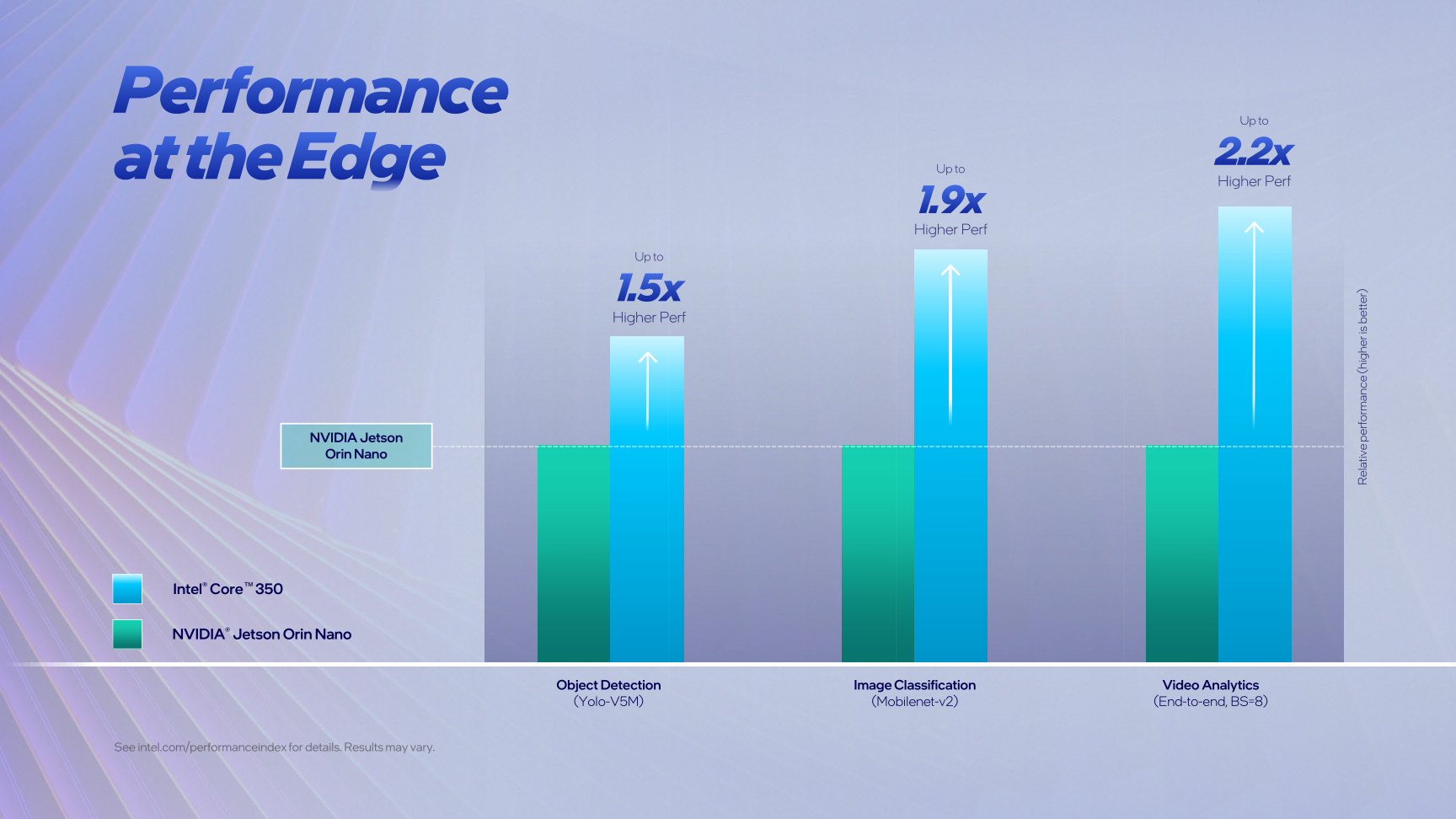
For electronics sellers, this creates three distinct market opportunities. First, the mainstream laptop segment experiences a major refresh cycle—Acer's Aspire Go (14", 15", 16" models), ASUS Vivobook (14", 15", 17") and ExpertBook variants, plus Dell, Samsung, and Lenovo announcements create sustained demand from April through Q4 2026. Battery life improvements (12.5 hours office work, 18.5 hours Netflix streaming) and AI-ready capabilities (17 TOPS NPU performance) address consumer pain points, driving upgrade cycles from 5-year-old systems. Second, the value-conscious segment expands significantly—Core Series 3 processors democratize AI acceleration and modern connectivity (Wi-Fi 7, Bluetooth 6, dual Thunderbolt 4) at accessible price points, targeting educational institutions and small businesses. Third, edge computing applications (IoT, video analytics, object detection) create B2B opportunities, with Core 7 350 variants delivering 1.5x higher object detection and 1.9x faster image classification versus Nvidia Jetson Orin Nano.
Supply chain implications favor domestic sourcing. Intel's shift from TSMC to U.S. manufacturing (Hillsboro and Chandler facilities) using 18A process technology begun in late summer 2025 signals geopolitical supply chain stabilization. Device manufacturers increasingly seek domestically-produced components, reducing Asian manufacturing dependency—a trend that benefits sellers offering U.S.-manufactured or assembled systems. The 2026 launch timeline creates inventory planning windows: April 16 marks consumer/commercial availability, Q2 2026 marks edge system launches, and throughout 2026 OEM partners announce specific models. Sellers should anticipate pricing pressure as 70+ competing designs flood the market, but volume opportunities expand significantly across consumer, commercial, and industrial verticals. The processor's AI capabilities (40 platform TOPS, 15-17 INT8 TOPS NPU) position laptops for emerging AI-powered applications, creating differentiation opportunities for sellers emphasizing AI-ready features in product listings and marketing.
Questions 8
How should sellers position Core Series 3 laptops against previous-generation Intel Core processors in competitive marketplaces?
Core Series 3 represents the first meaningful refresh of non-flagship laptop processors in several years, replacing older Raptor Lake architecture (2022-2023) with new Wildcat Lake silicon. This genuine architectural upgrade provides meaningful differentiation versus recycled older designs. Sellers should emphasize: (1) 47% single-thread and 41% multi-thread performance improvements; (2) 64% lower power consumption enabling extended battery life; (3) AI-ready NPU capabilities (15-17 INT8 TOPS) for emerging AI applications; (4) Modern connectivity (Wi-Fi 7, Bluetooth 6, Thunderbolt 4). These advantages support premium positioning relative to previous-generation inventory and justify price premiums during launch phase (April-June 2026).
What AI capabilities should sellers highlight for business and education segments?
Core Series 3 processors deliver up to 40 platform TOPS for AI workloads and 17 TOPS NPU performance, enabling AI-powered applications for productivity, content creation, and analytics. Educational institutions can leverage AI acceleration for machine learning coursework and research. Small businesses benefit from AI-ready capabilities for customer analytics, content generation, and automation. Sellers should emphasize these capabilities in product descriptions targeting education and SMB segments, positioning Core Series 3 laptops as future-proof investments for emerging AI-powered workflows.