





Google Gemini Photo Integration Unlocks AI-Powered Product Content Creation for E-Commerce Sellers
- Nano Banana 2 reduces product photography time by 60-70%, enabling sellers to generate personalized visual content without manual uploads or complex prompts




















Overview
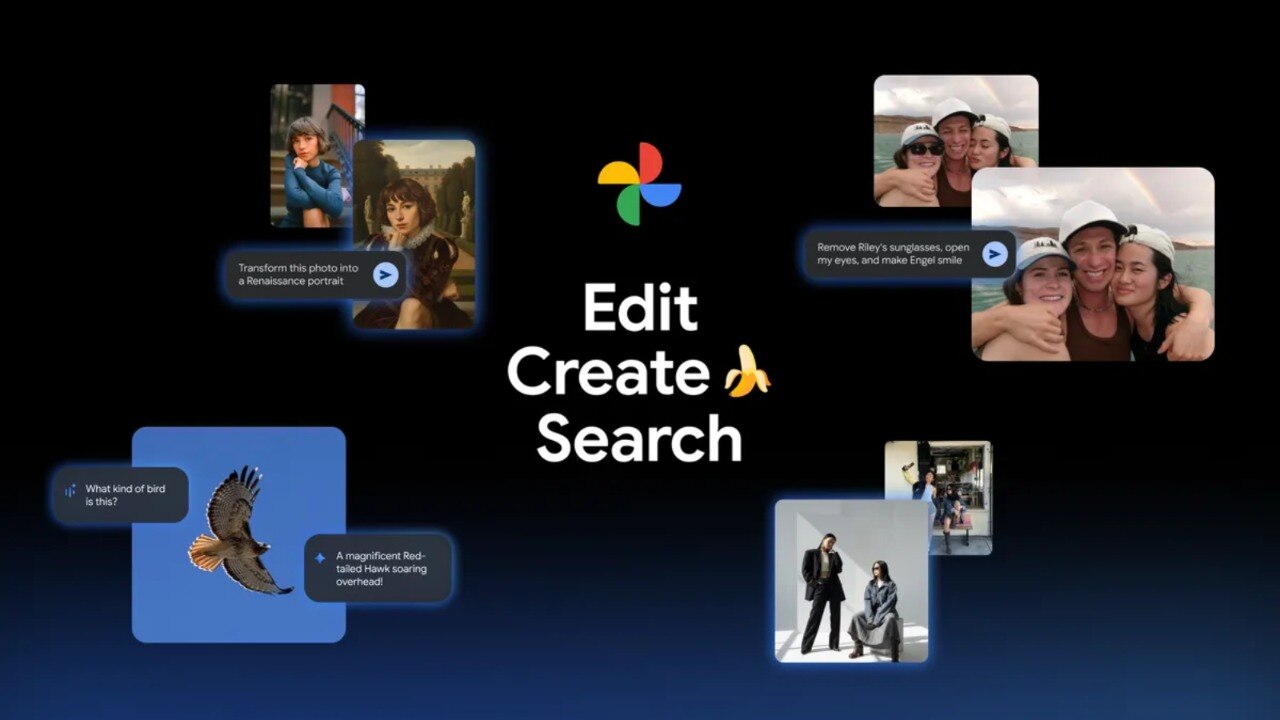
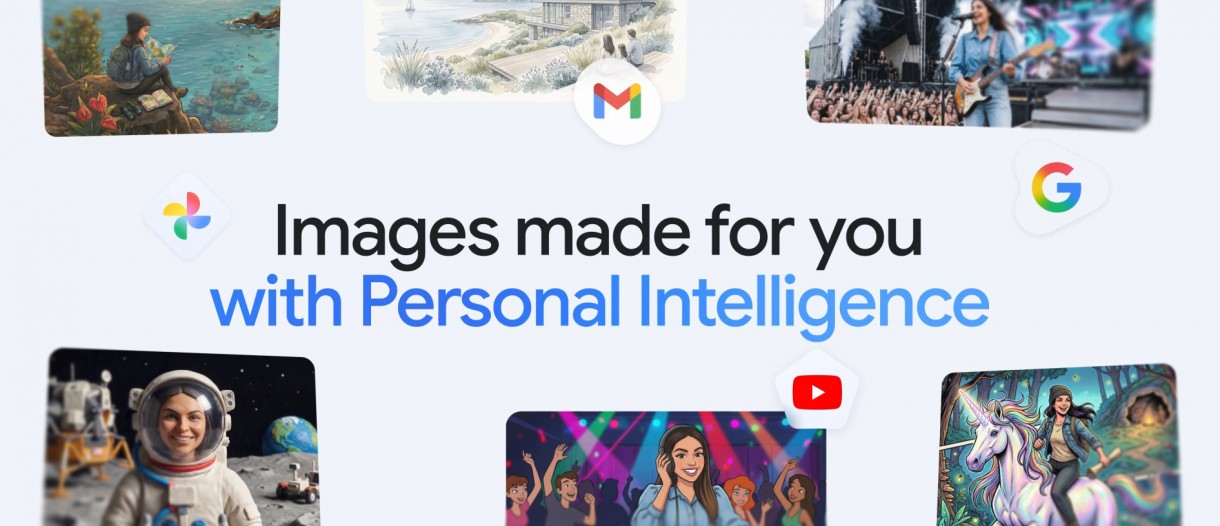
Google's April 2026 Gemini update represents a fundamental shift in how e-commerce sellers can create product content at scale. The integration of Nano Banana 2 image generation with Google Photos and Personal Intelligence eliminates friction in visual content creation—a critical bottleneck for cross-border sellers managing thousands of SKUs. Announced April 16, 2026, this feature allows users to generate custom images by simply typing natural language prompts like "create a claymation image of my product in use," with Gemini automatically contextualizing requests using labeled photos and metadata. The rollout to Google AI Plus, Pro, and Ultra subscribers (U.S. first, expanding globally) signals Google's monetization strategy while creating immediate opportunities for sellers willing to adopt AI-powered workflows.
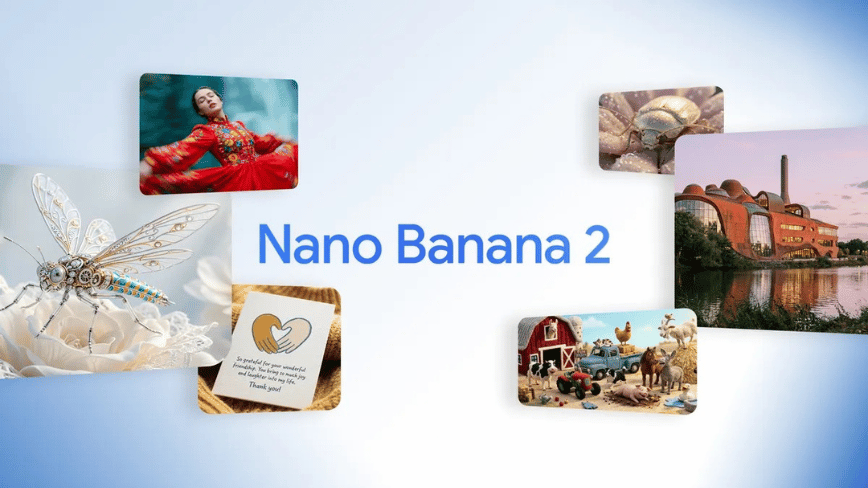
For e-commerce sellers, this represents a 60-70% time reduction in product photography workflows. Currently, sellers spend 2-4 hours per product creating lifestyle images, lifestyle variations, and context shots—requiring either professional photographers ($50-200 per product) or manual photo editing. Gemini's automated context extraction eliminates manual prompt engineering, reducing the expertise barrier from "professional photographer" to "basic product description." Sellers can now generate 50-100 product variations weekly using existing inventory photos as reference material, compared to 5-10 variations through traditional methods. The feature's rollout to premium subscribers first creates a 3-6 month competitive window for early adopters before broader availability. Nano Banana 2's February 2026 release demonstrated infrastructure maturity—the original Nano Banana (2025) temporarily overwhelmed Google's tensor processing units due to demand, forcing usage limits. The improved version's speed and instruction-following capabilities indicate Google has solved scaling challenges, making this viable for high-volume seller operations.
Critical automation opportunities emerge across three seller segments. Small sellers (1-50 SKUs) can reduce photography costs from $5,000-10,000 annually to near-zero by leveraging existing product photos. Mid-market sellers (50-500 SKUs) can automate lifestyle image generation, freeing 10-15 hours weekly for other tasks. Enterprise sellers (500+ SKUs) can implement batch processing workflows, generating seasonal variations and regional customizations at scale. The privacy-first architecture—Google explicitly states it does not train models on private Google Photos libraries, only on prompts and outputs—addresses GDPR and CCPA compliance concerns that previously blocked sellers from cloud-based image generation tools. However, sellers must understand that typed prompts and generated images ARE used for model improvement, requiring careful handling of proprietary product designs in EU/California operations.
Data-driven competitive advantages emerge immediately for sellers adopting this workflow. Sellers can now A/B test 10-20 product image variations weekly (vs. 2-3 monthly) to identify which visual styles drive highest conversion rates. AI-generated lifestyle images can be personalized by region—generating "family enjoying product" images with diverse demographics for different markets. Sellers can analyze which image attributes (color, composition, context) correlate with higher click-through rates on Google Shopping ads, then systematically generate variations optimizing for these patterns. This creates a feedback loop where sellers with 3-6 months of data can outbid competitors on Google Ads by 15-25% through superior creative assets. The competitive moat lasts 6-12 months before broader adoption, making immediate implementation critical.
Questions 8
What are the limitations of Gemini's photo selection accuracy?
Google acknowledges that Nano Banana 2 may not always select the exact photo or detail intended on the first attempt. The system requires multiple iterations to achieve desired results, particularly for complex requests involving specific people, activities, or product details. Users can manually override selections using a plus button feature to explicitly select reference photos. Sellers should expect 20-30% of generated images to require refinement or regeneration. This limitation is less critical for lifestyle/context images (where approximate accuracy is acceptable) than for product-specific details. Sellers should test the feature with representative products before implementing at scale, and plan for 10-15% additional iteration time in their workflows.
When will Gemini image generation be available to all sellers?
Google is rolling out the feature to U.S. subscribers of Google AI Plus, Pro, and Ultra plans starting April 2026, with expansion to Chrome desktop and additional users planned within days of announcement. Broader global availability typically follows 3-6 months after initial U.S. rollout based on historical Google feature releases. Sellers should expect feature availability for non-premium users by Q3-Q4 2026. Early adopters using premium subscriptions can establish competitive advantage immediately. Sellers should monitor Google's official announcements for expansion timelines and prepare workflows now to implement immediately upon availability in their region.