




Hormuz Strait Shipping Crisis | Ocean Freight Costs Rise 8-15% for Asia-Europe Routes
- Iranian military restrictions trigger immediate shipping delays and insurance premium spikes affecting sellers shipping electronics, textiles, and machinery from Asia to Europe and Middle East markets
)








Overview
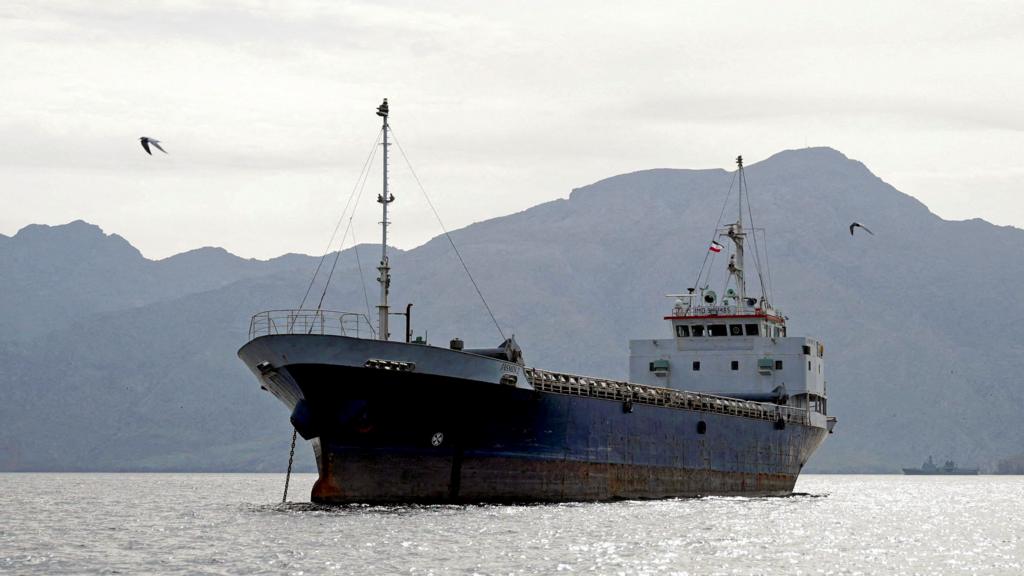
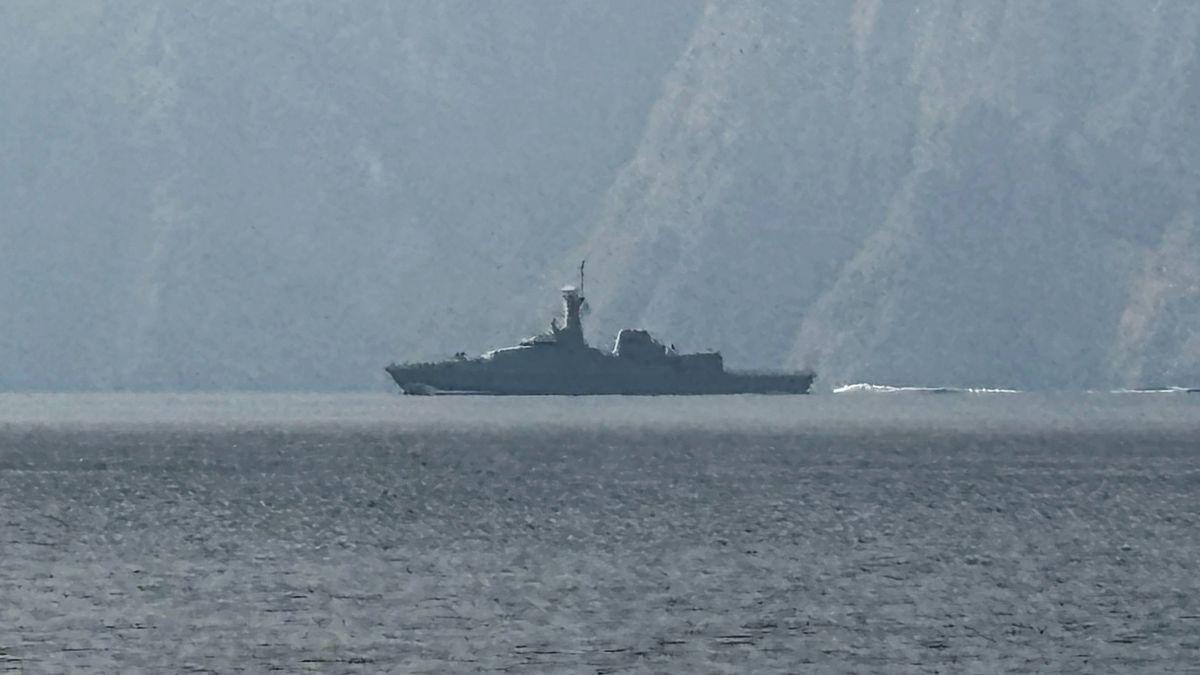
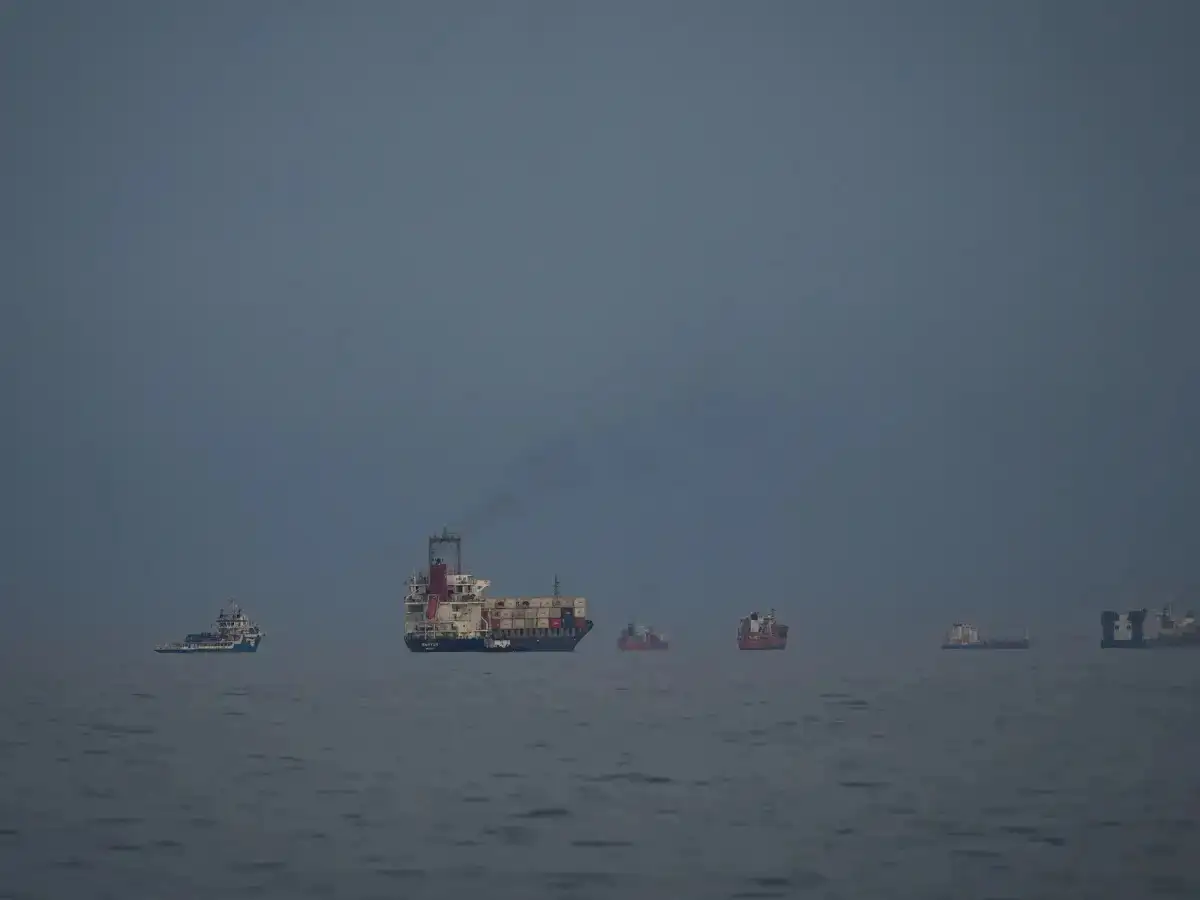
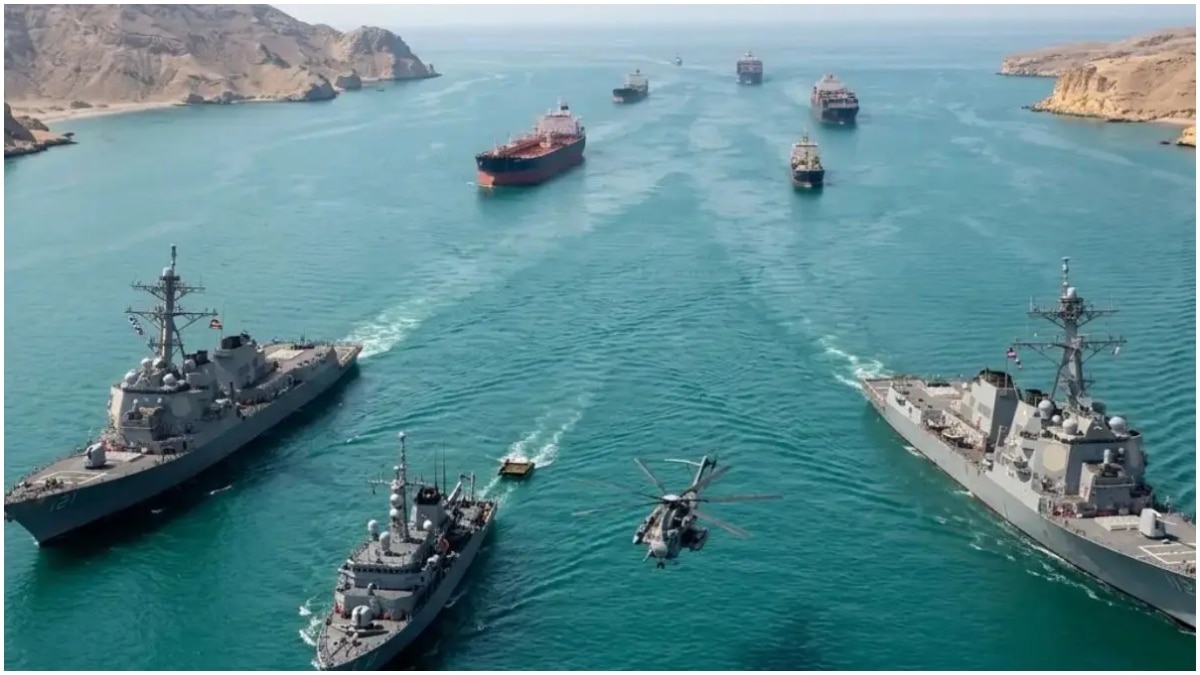
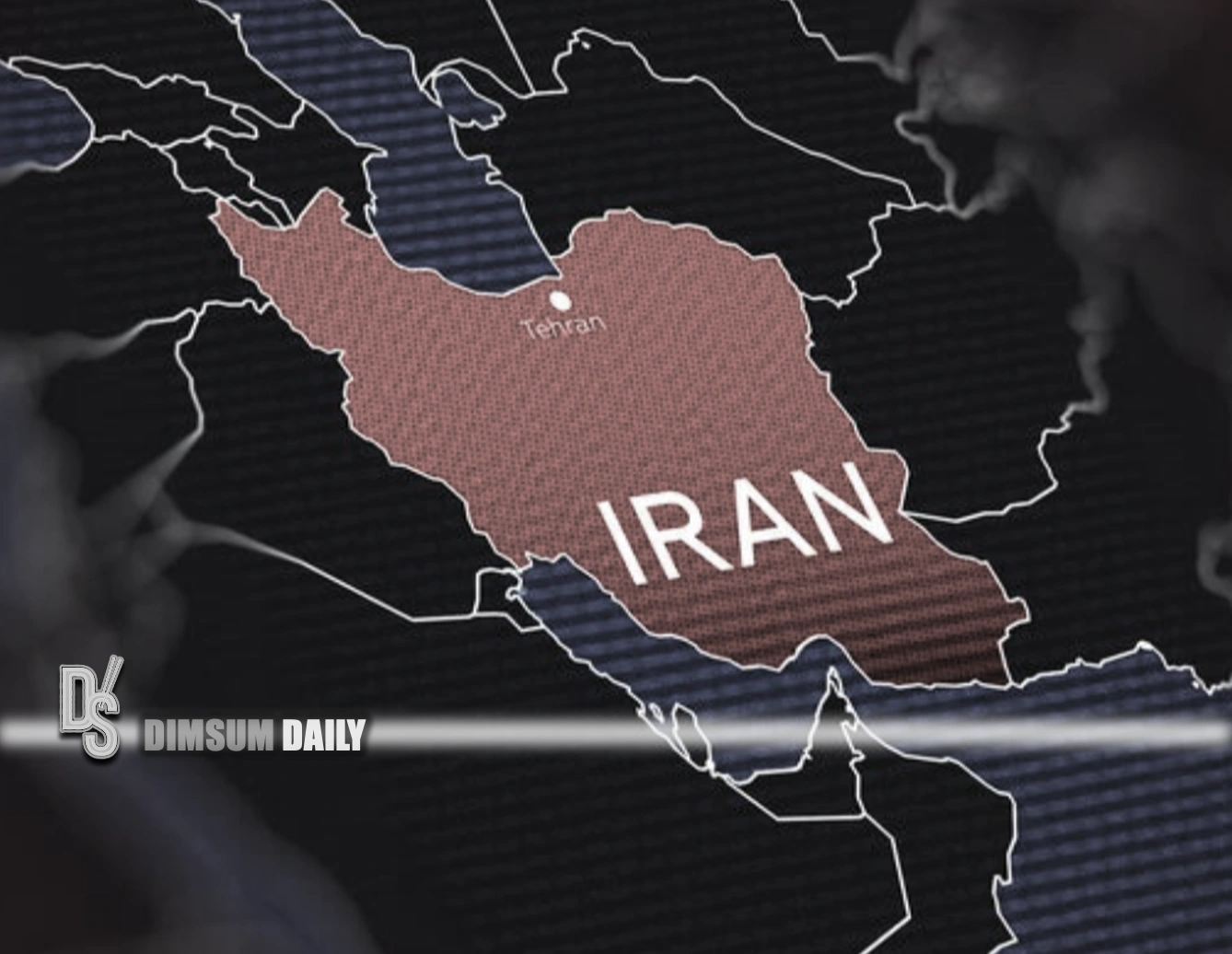
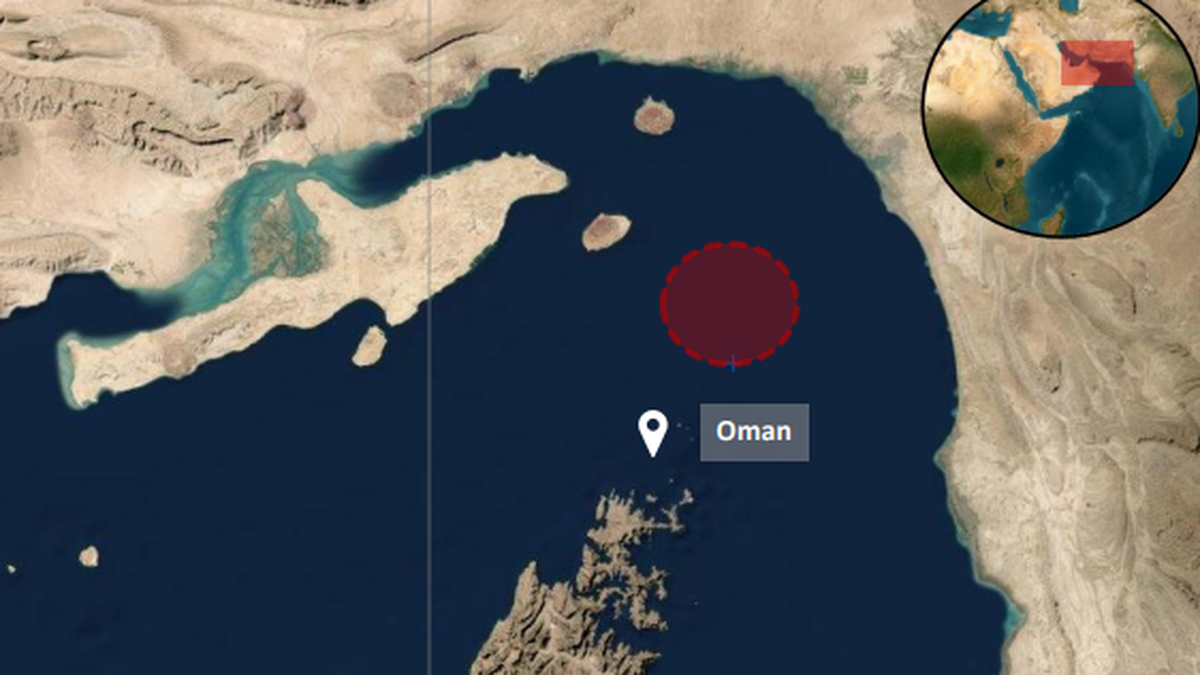
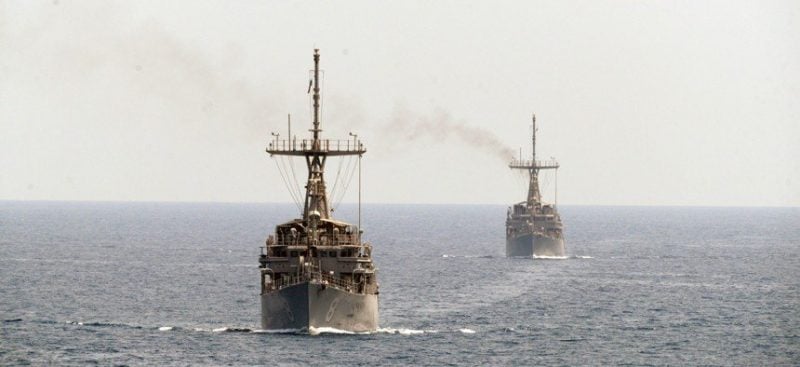
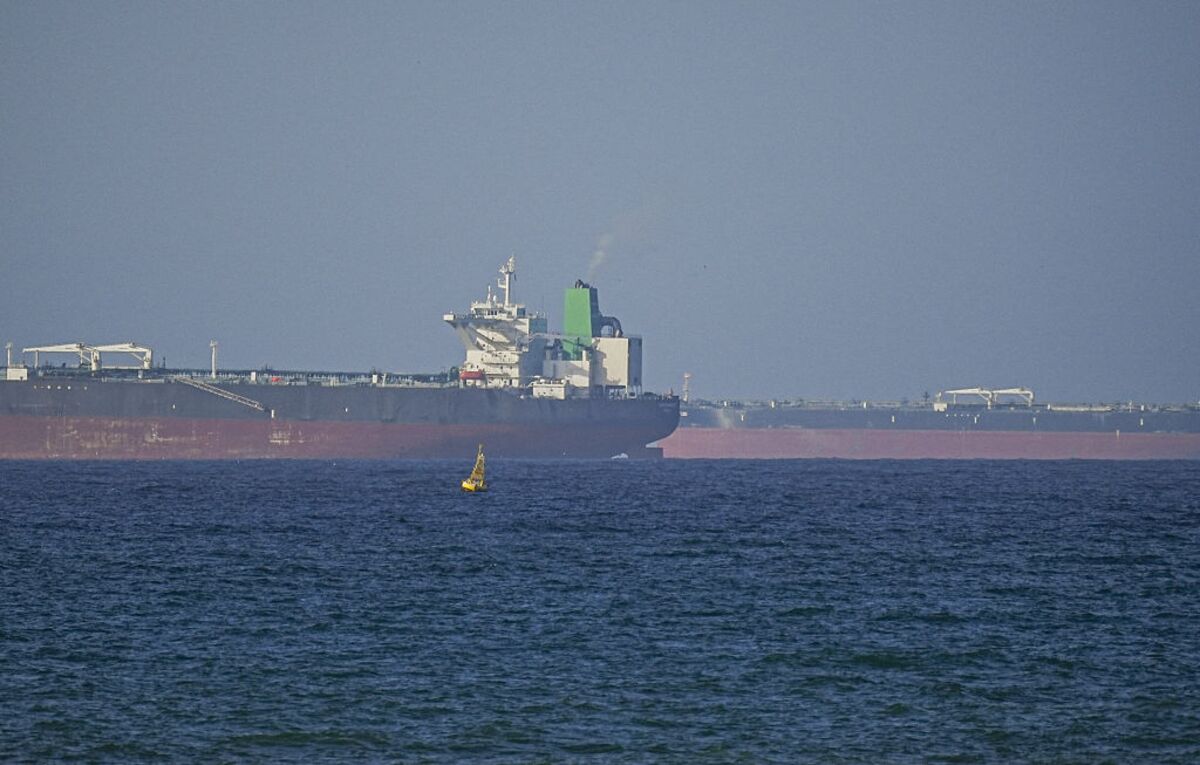
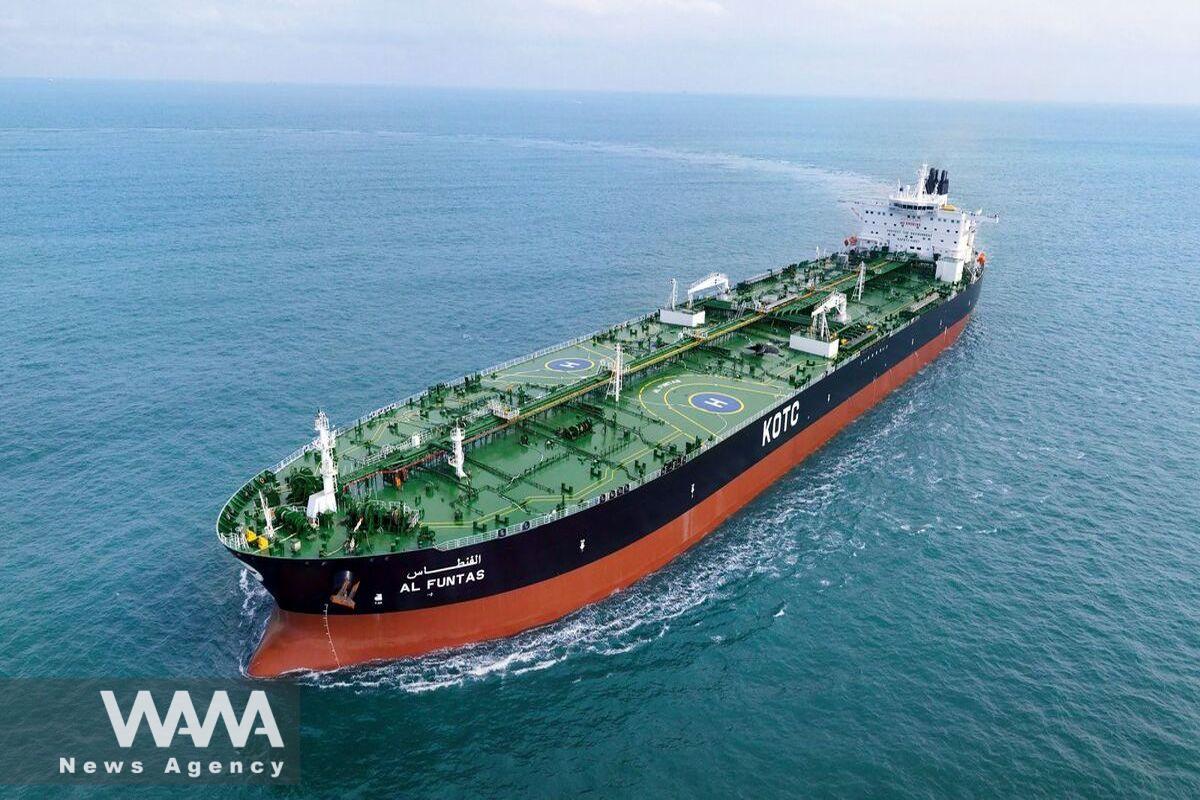
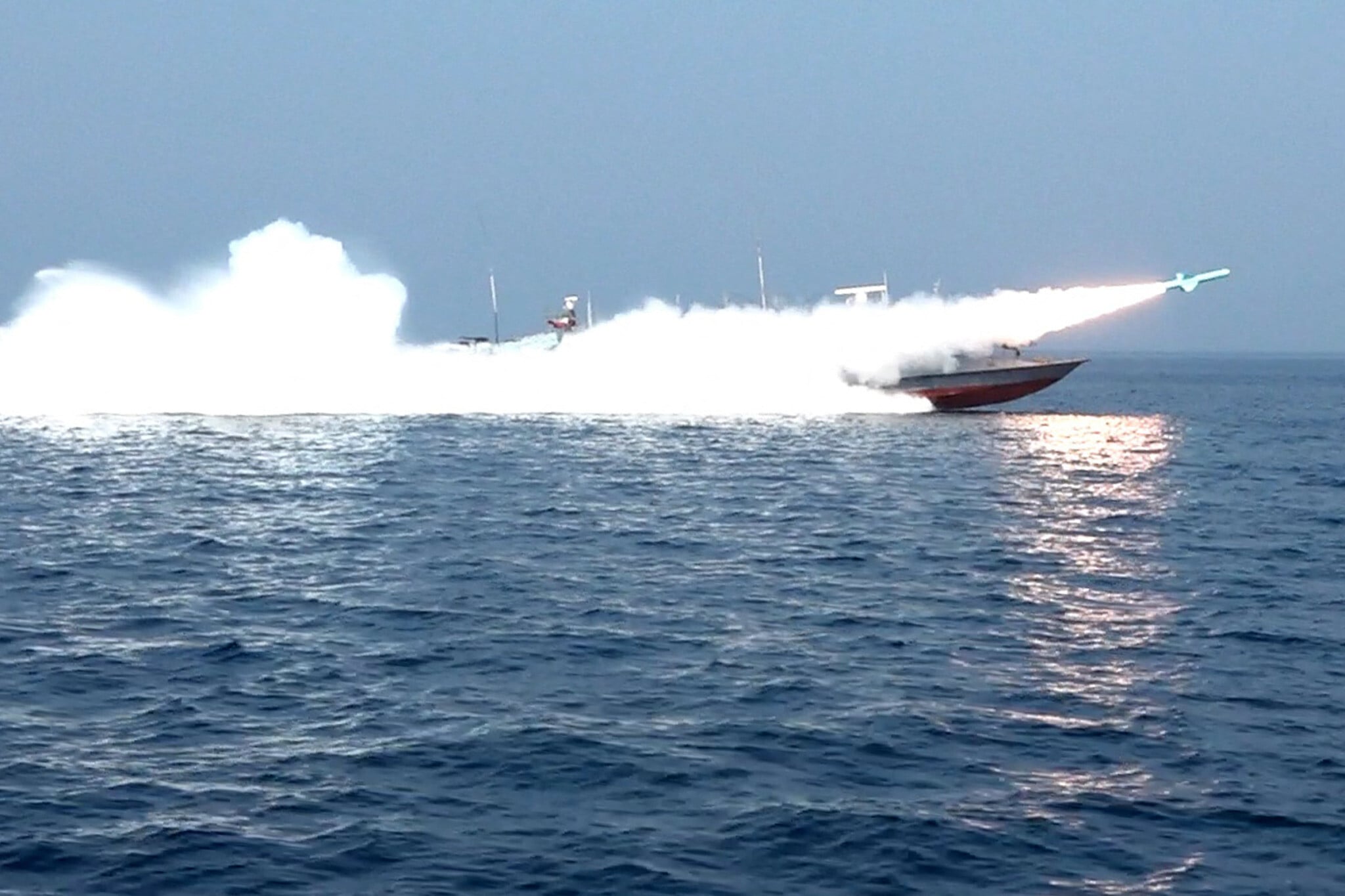
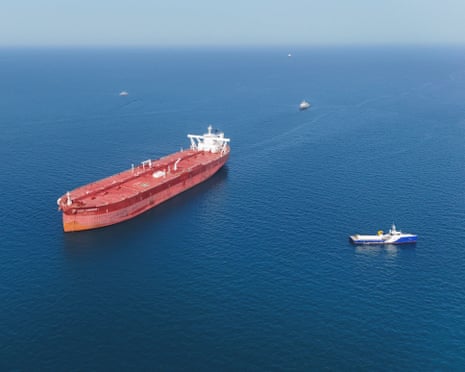
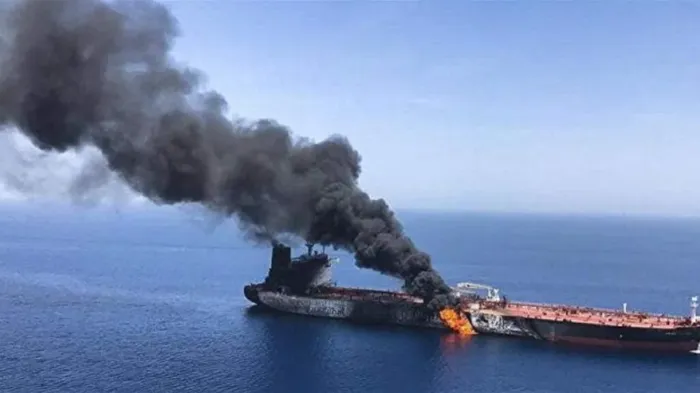
The April 18, 2026 military escalation in the Strait of Hormuz represents a critical logistics inflection point for cross-border e-commerce sellers. Iranian Revolutionary Guards gunboats fired on merchant vessels attempting transit, with Iran's navy declaring the strait closed to shipping. This chokepoint handles approximately 21% of global petroleum trade and serves as the primary maritime corridor connecting Asian manufacturing hubs (China, Vietnam, India) to European and Middle Eastern consumer markets. For e-commerce sellers, this translates to immediate operational disruptions: historical precedent shows similar Hormuz tensions trigger shipping delays of 3-14 days and cost increases of 5-15% on affected routes.
Immediate shipping cost impacts are severe for specific seller segments. Ocean freight rates on Asia-Europe routes (Shanghai to Rotterdam) typically cost $800-1,200 per 20ft container; Hormuz tensions historically push these to $900-1,380 per container (+12-15% premium). Insurance premiums for vessels transiting the strait increase 8-12% during heightened tensions, adding $60-150 per container to landed costs. Sellers shipping high-volume categories—electronics (smartphones, laptops), textiles (apparel, home goods), machinery, and consumer goods—face the steepest margin compression. A seller shipping 500 containers monthly from China to EU markets could see additional logistics costs of $30,000-75,000 monthly during extended tensions.
Route diversification becomes strategically critical within 7-14 days. Sellers have three primary alternatives: (1) Suez Canal rerouting via Cape of Good Hope adds 10-14 days transit time and $200-400 per container in additional fuel costs; (2) Air freight acceleration for time-sensitive inventory costs $4-8 per kg versus $0.80-1.20 per kg for ocean freight, viable only for high-margin products (electronics accessories, luxury goods, pharmaceuticals); (3) Inventory repositioning to pre-positioned warehouses in Middle East hubs (Dubai, Jebel Ali) or Southeast Asia (Singapore, Bangkok) reduces Hormuz dependency. Sellers with 3-6 month inventory buffers in strategic warehouse locations can maintain delivery commitments while competitors face stockouts. The UK Maritime Traffic Organization (UKMTO) reports ongoing restrictions with no negotiation timeline set between Iran and US forces, suggesting 30-90 day disruption window.
Questions 7
What warehouse locations should I use to avoid Hormuz shipping disruptions?
Strategic positioning in three hubs minimizes Hormuz dependency: (1) **Middle East hubs** (Dubai, Jebel Ali, Doha) serve EU/Asia markets without Hormuz transit, using alternative routes; (2) **Southeast Asia hubs** (Singapore, Bangkok, Ho Chi Minh City) source from regional suppliers and serve Asia-Pacific demand; (3) **US/EU regional warehouses** (Los Angeles, Rotterdam, Frankfurt) enable FBA/FBM fulfillment without ocean freight. Sellers shipping 1,000+ containers monthly should allocate 20-30% inventory to Middle East 3PL providers (DHL Supply Chain, Geodis, Agility) and 30-40% to Southeast Asia hubs. This costs $0.50-1.50 per unit monthly in storage but eliminates Hormuz transit risk and reduces delivery times by 5-10 days.
Which product categories face the highest margin compression from Hormuz shipping costs?
High-volume, low-margin categories suffer most: textiles/apparel (8-12% margins), home goods (10-15% margins), and consumer electronics (12-18% margins). A $20 apparel item with 10% margin ($2 profit) sees $0.15-0.30 additional shipping cost per unit, reducing margin to 7-8.5%. Electronics (laptops, smartphones) with 15-20% margins absorb costs better. Luxury goods, pharmaceuticals, and high-value components (15%+ margins) can sustain 5-15% cost increases. Sellers should prioritize inventory restocking in high-margin categories and consider liquidating low-margin stock before Hormuz tensions extend beyond 60 days.