


Middle East Supply Chain Crisis | Shipping Delays & Sourcing Costs Surge for E-Commerce Sellers
- Strait of Hormuz disruptions threaten 20% of global oil supply; Vietnam/Bangladesh manufacturing hubs face energy shutdowns; lithium costs spike 16%+ as Albemarle downgrade signals commodity volatility



















Overview
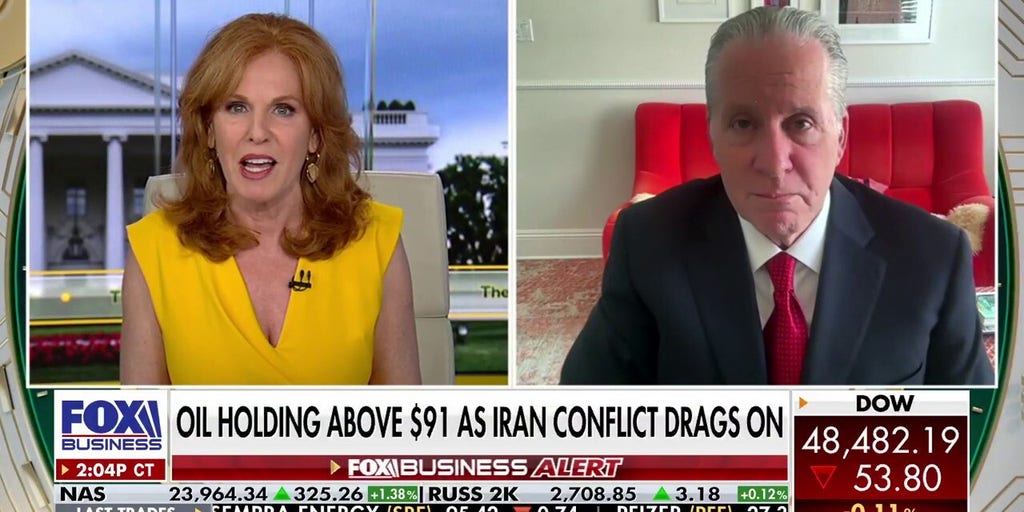
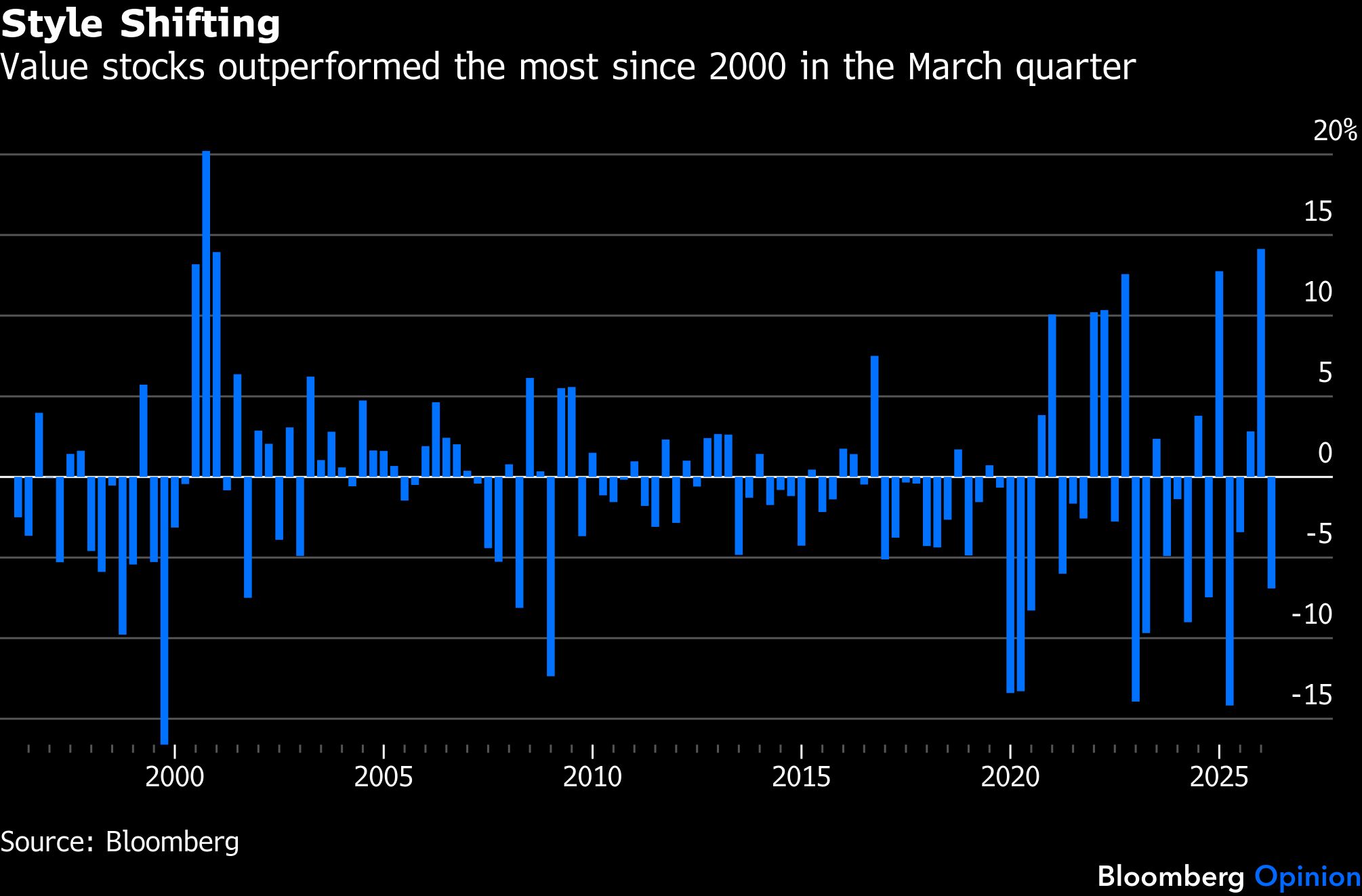
The Iran-U.S. geopolitical conflict is creating a critical disconnect between optimistic equity market signals and deteriorating supply chain realities that directly threaten e-commerce sellers' profitability. While stock markets rebounded 11% above March lows by late April 2026, underlying infrastructure damage remains severe and far from resolved. The Strait of Hormuz—handling 20% of global oil and natural gas—remains operationally constrained despite conditional reopening announcements. Mines, U.S. military blockade operations, and selective Iranian passage restrictions mean tanker traffic normalization requires weeks to months, with facility repairs potentially taking substantially longer.
For cross-border e-commerce sellers, the immediate impact manifests through three critical supply chain vulnerabilities. First, energy cost inflation threatens manufacturing hubs in Vietnam and Bangladesh, the primary sourcing regions for plastic products, packaging, and consumer electronics. The International Energy Agency warns of potential manufacturing shutdowns due to soaring energy costs, directly threatening product availability for sellers relying on these regions. Second, lithium commodity volatility creates procurement uncertainty for battery-powered products, electric vehicles, and energy storage solutions. Albemarle Corporation's 16% stock surge followed by analyst downgrade from Outperform to Neutral (April 17, 2026) signals that lithium price sustainability remains questionable—critical for sellers in electronics, power tools, and portable device categories. Third, jet fuel shortages projected within six weeks threaten air freight capacity to Europe, forcing sellers to shift to slower ocean freight with 3-4 week delays and higher consolidation costs.
The market complacency documented by industry experts—traders underestimating physical disruption severity—creates a timing window for proactive sellers. Historical precedent from Iraq's 1990 invasion of Kuwait demonstrates infrastructure restoration requires far longer than diplomatic breakthroughs suggest. Current market algorithms react to headlines rather than underlying economic realities, creating dangerous divergence between asset valuations and actual global economic conditions. For sellers, this means the April 2026 market recovery masks ongoing supply chain damage that will manifest in Q2-Q3 2026 as inventory shortages, price spikes, and margin compression. Sellers maintaining conservative inventory positions and diversifying sourcing away from Vietnam/Bangladesh now gain competitive advantage over those betting on rapid normalization. The IMF warning of "deep and global economic pain" if conflict protraction occurs suggests sellers should prepare contingency sourcing strategies immediately rather than waiting for clearer signals.
Questions 8
What does Albemarle's analyst downgrade signal about lithium costs for battery product sellers?
Albemarle Corporation (major lithium supplier) experienced 16% stock surge on April 17, 2026, but Baird analysts immediately downgraded from Outperform to Neutral with $120 price target. This disconnect between price movement and fundamental assessment signals lithium price sustainability remains questionable. Sellers in battery-powered products, electric vehicles, portable electronics, and energy storage should expect lithium cost volatility of ±10-15% through Q3 2026. The downgrade suggests lithium prices may decline from current peaks, but timing is uncertain. Recommendation: avoid aggressive inventory builds in lithium-dependent categories; maintain 4-6 week inventory buffers instead of 8-12 weeks to reduce holding costs if prices decline.
Which product categories face the highest sourcing risk from Vietnam and Bangladesh manufacturing shutdowns?
Manufacturing hubs in Vietnam and Bangladesh face potential shutdowns due to soaring energy costs, directly threatening plastic products, packaging, consumer electronics, and power tools. The International Energy Agency warns energy facility damage in Gulf states prevents repairs until hostilities cease completely. Sellers sourcing plastic injection-molded products, packaging materials, electronics components, and battery-powered devices should diversify sourcing immediately to India, Indonesia, or Mexico. Energy cost inflation of 40-60% in these regions makes products 8-15% more expensive. Conservative sellers should reduce Vietnam/Bangladesh inventory by 20-30% and allocate to alternative sourcing regions within 30 days.