




Executive Power Meets Corporate Autonomy: The Warner Bros. Political Interference Dilemma
- Unprecedented Presidential Intervention Exposes Fragile Boundaries Between Political Influence and Business Independence







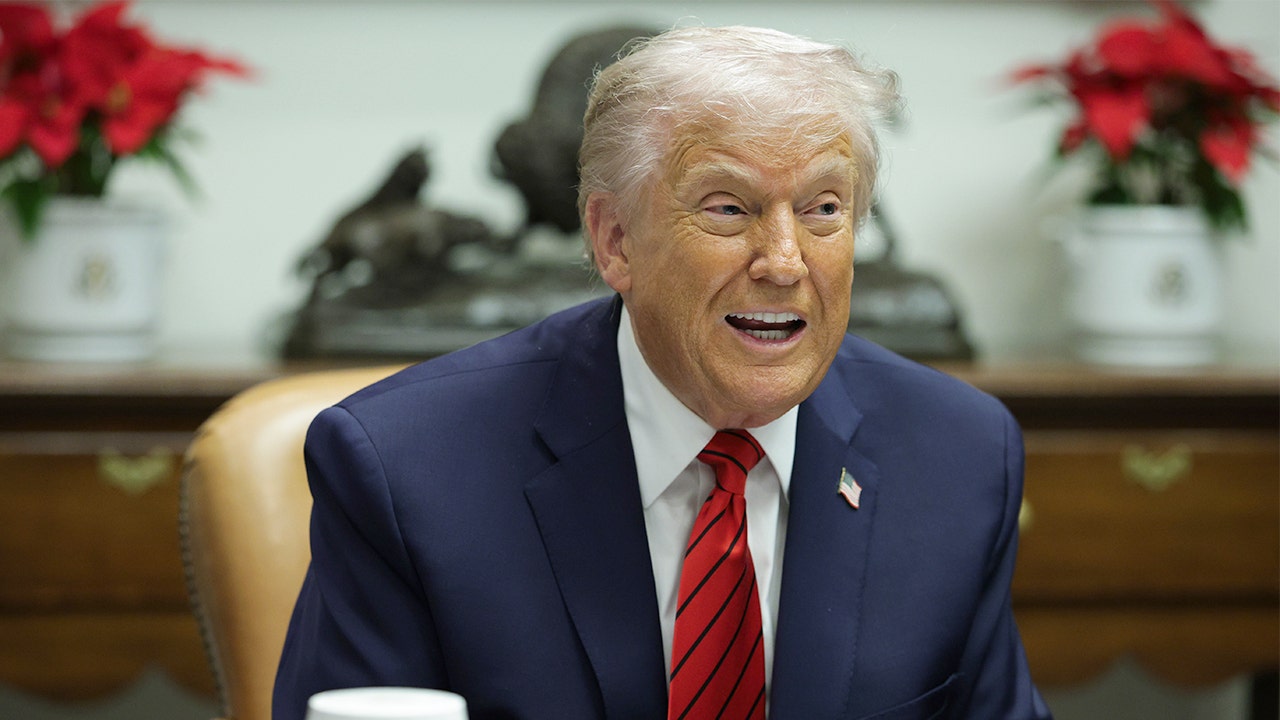



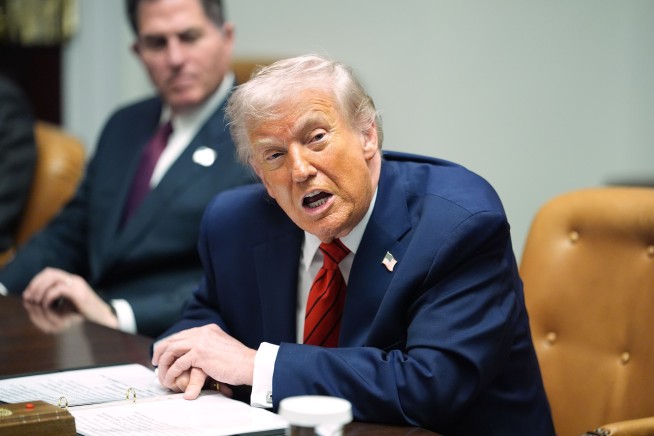

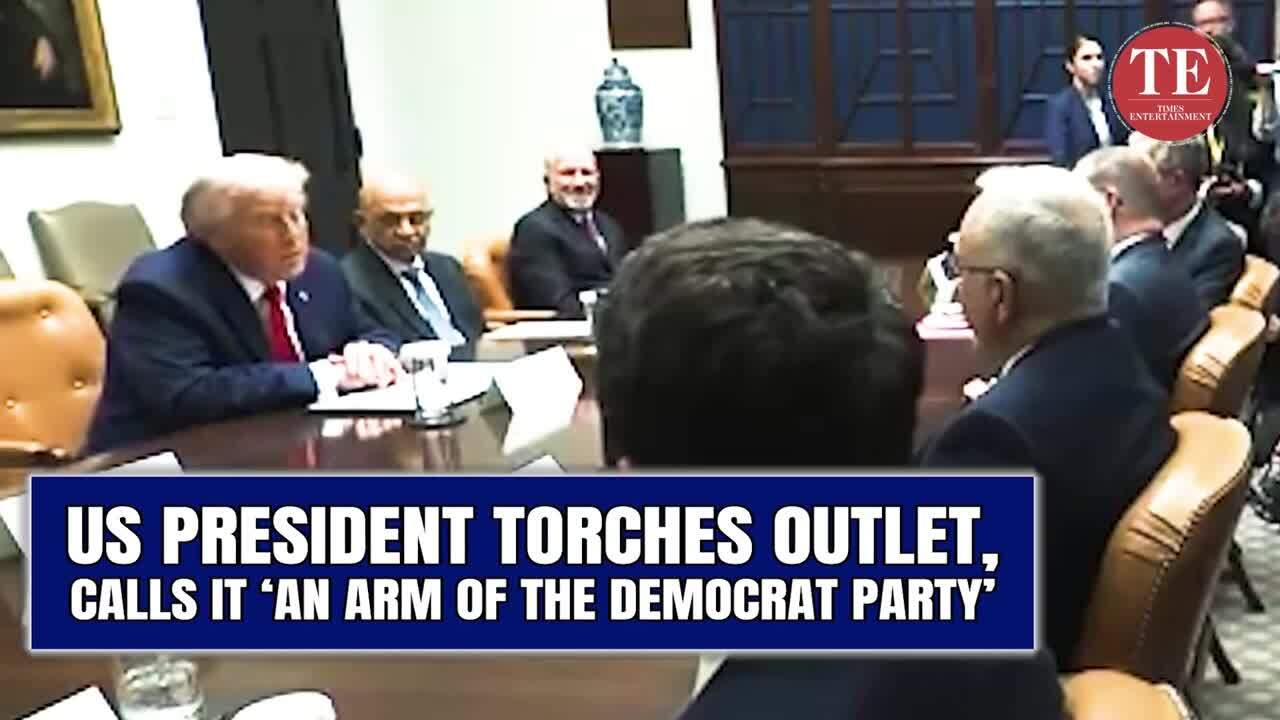


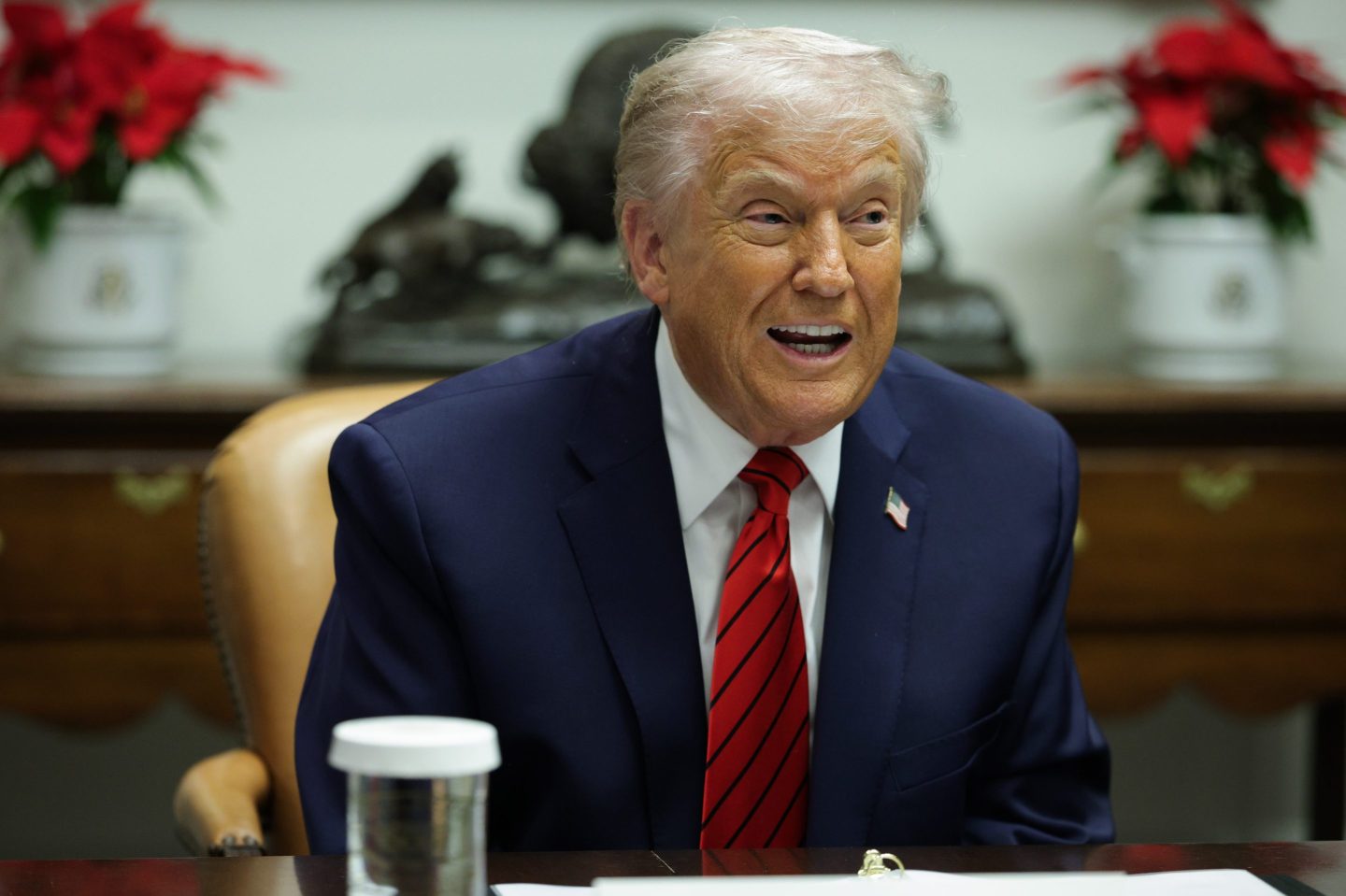


Overview
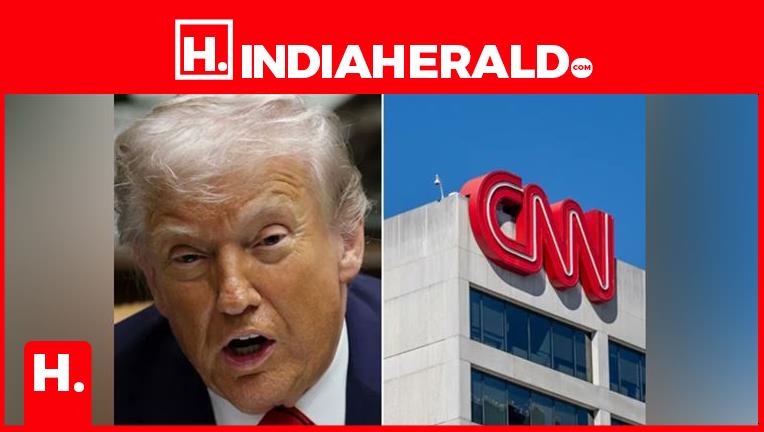
The intersection of political power and corporate governance has reached a critical inflection point, as exemplified by the unprecedented allegations of presidential meddling in Warner Bros. Studios' operations. This development represents more than a mere political controversy—it signals a profound challenge to the traditional boundaries of executive influence in private sector decision-making.
Regulatory Boundaries Under Stress: The core issue transcends a single media company's affairs, revealing a broader systemic tension between political leadership and corporate autonomy. By allegedly attempting to interfere with Warner Bros. Studios' operations, the executive branch is testing the fundamental principles of business independence. This intervention suggests a dangerous precedent where political actors might seek to directly manipulate private sector strategic decisions, undermining the core principles of free market dynamics.
Compliance and Governance Implications: From a regulatory compliance perspective, this situation creates significant uncertainty for businesses operating in highly visible industries. The potential for direct political intervention introduces a new layer of regulatory risk that extends far beyond traditional compliance frameworks. Companies must now consider not just formal regulations, but also the potential for direct political pressure that could fundamentally alter their strategic trajectories.
Strategic Adaptation Imperative: For corporate leaders, this development demands a proactive approach to organizational resilience. Businesses must develop robust governance mechanisms that can withstand potential political interference while maintaining strategic independence. This includes strengthening internal decision-making processes, enhancing transparency, and creating clear communication protocols that can effectively manage external political pressures.
The long-term implications are profound: if unchecked, such interventions could fundamentally reshape the relationship between political power and corporate autonomy. Organizations must now view political risk management as a critical strategic capability, not just a peripheral compliance function.
Questions 3
What are the potential long-term risks for businesses?
The primary risk is the erosion of clear boundaries between political power and corporate autonomy. Businesses may face increased uncertainty, potential strategic disruptions, and the need to develop more sophisticated political risk management strategies to protect their operational integrity.
How does this Warner Bros. situation impact corporate governance?
The incident exposes significant vulnerabilities in corporate governance, demonstrating how political actors might attempt to directly influence private sector strategic decisions. Companies must now develop more robust internal mechanisms to protect organizational independence and strategic decision-making.