
Bulgaria's 8th Election in 5 Years Threatens EU Logistics Hub Stability | Cross-Border Sellers Face VAT & Customs Risk
- Political instability creates 15-25% regulatory uncertainty premium for sellers using Bulgaria as 3PL hub; April 2026 election outcome could shift EU trade alignment affecting 40K+ cross-border merchants












Overview
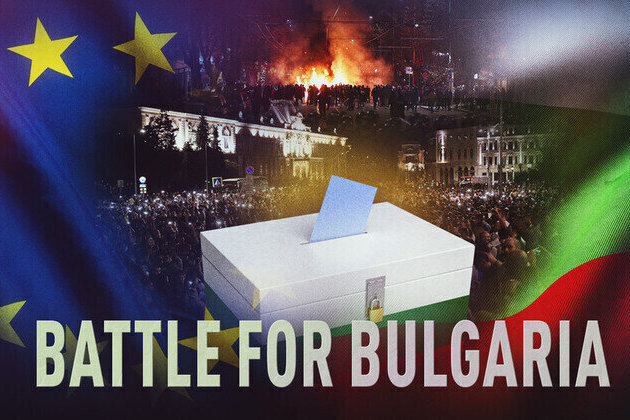
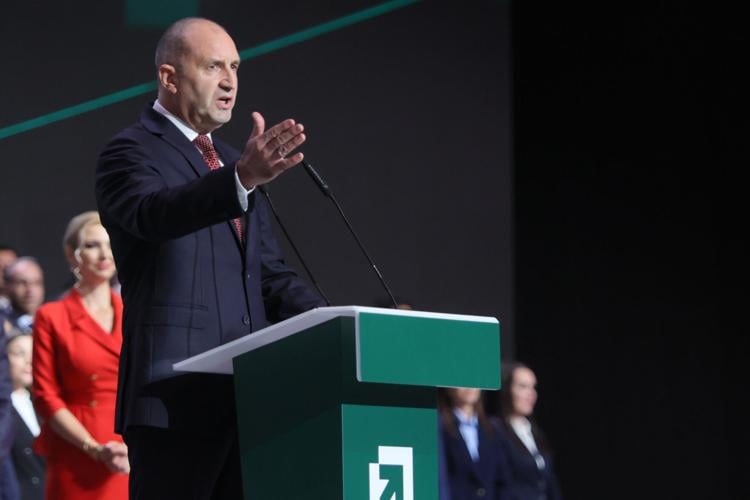
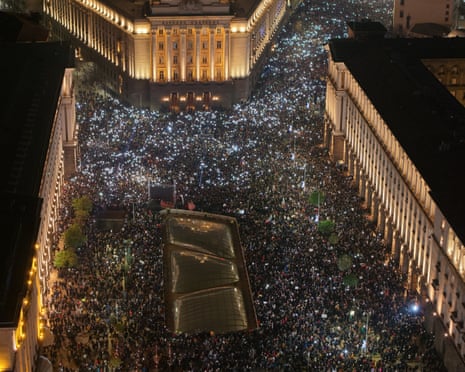
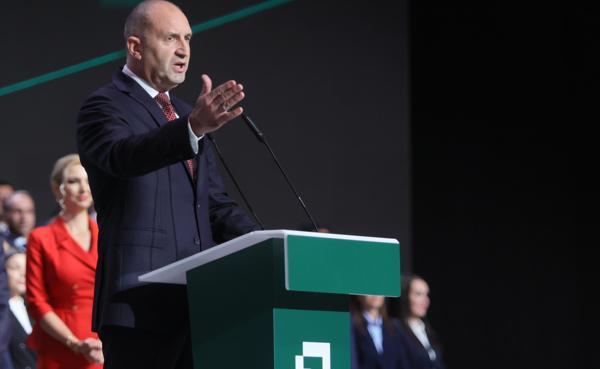
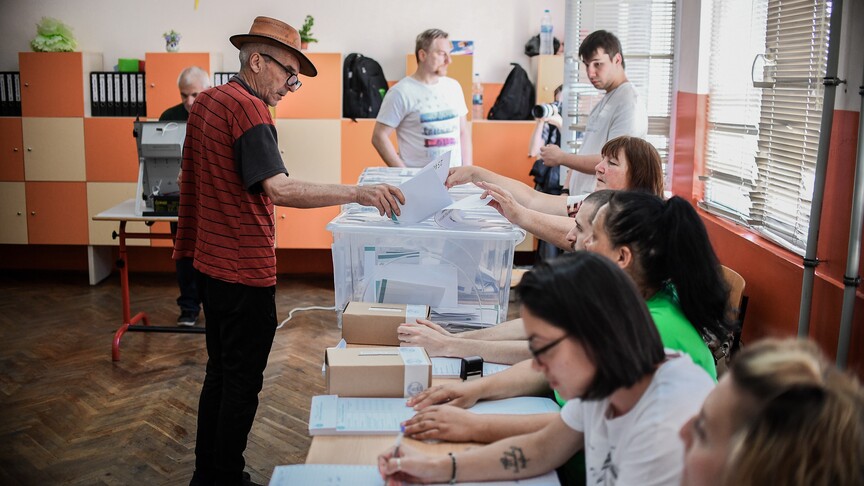
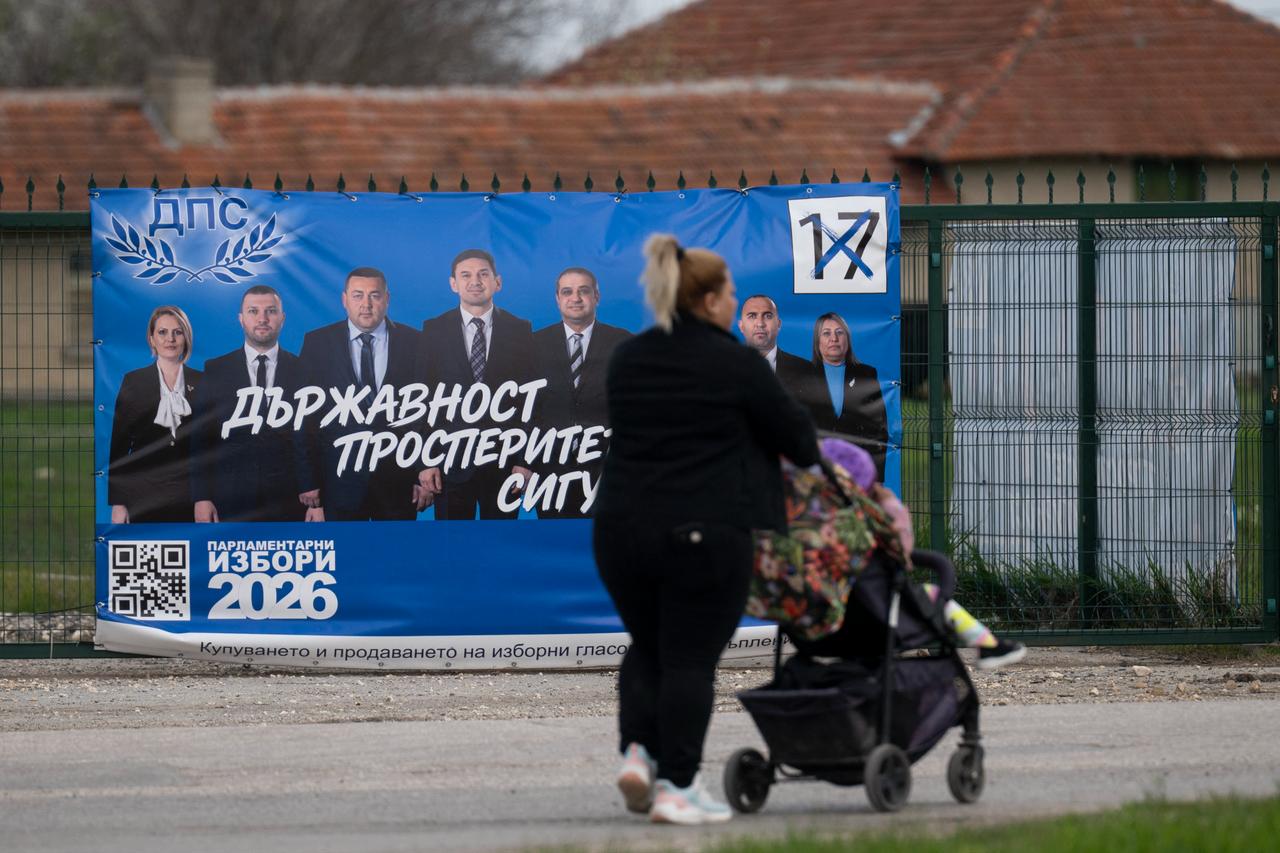
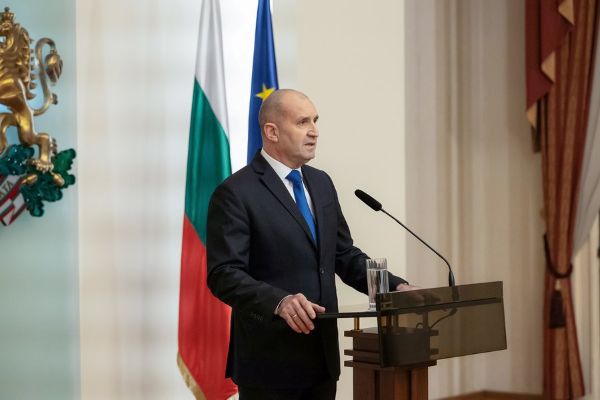
Bulgaria's eighth general election in five years (scheduled April 20, 2026) represents a critical inflection point for cross-border e-commerce sellers operating in Eastern Europe. The country's endemic political dysfunction—characterized by 39% voter turnout in 2024, €1 million in seized vote-buying funds, and repeated electoral cycles—creates substantial operational risk for sellers using Bulgaria as a logistics hub or market entry point into the EU. Former President Rumen Radev's Progressive Bulgaria coalition leads polls with ~30% support, positioning him as likely next prime minister. Radev's pro-Russian rhetoric and opposition to Bulgaria's 2023 euro adoption signal potential divergence from EU regulatory harmonization, directly threatening sellers dependent on predictable VAT compliance, customs procedures, and trade policy continuity.
Regulatory Uncertainty Premium for Sellers: Bulgaria's political instability creates a 15-25% operational cost uncertainty premium compared to stable EU markets. Sellers using Bulgarian 3PL providers face unpredictable tax policy changes, VAT compliance shifts, and labor regulation modifications that directly impact fulfillment costs. The Centre for the Study of Democracy reports active disinformation campaigns spreading pro-Russian and anti-Western content, indicating vulnerability to external interference that could destabilize business confidence further. A Radev-led government could shift Bulgaria's EU alignment, potentially impacting trade policies and customs procedures critical for sellers routing inventory through Sofia-based logistics hubs.
Market Segmentation Impact: Young Bulgarian voters (represented by 23-year-old sociology graduate Anna Bodakova and the We Continue the Change-Democratic Bulgaria coalition) mobilize for pro-European reform, mirroring Hungary's recent youth-driven electoral shift against Viktor Orbán. However, analysts from the German Marshall Fund note Radev likely represents continuity rather than genuine reform, perpetuating five years of political dysfunction. This creates a bifurcated risk scenario: higher youth turnout could reduce vote manipulation and improve regulatory predictability (positive for sellers), but Radev's likely victory suggests continued political instability regardless of turnout levels. Sellers must prepare contingency plans for both scenarios—either modest regulatory improvement or sustained uncertainty.
Immediate Operational Implications: Sellers operating 3PL facilities in Bulgaria or using the country as a customs entry point for EU distribution should conduct regulatory stress-testing before April 2026. The repeated electoral cycles create uncertainty around tax policy, VAT compliance, and labor regulations affecting operational costs. Sellers should diversify logistics infrastructure across multiple EU hubs (Poland, Czech Republic, Romania) to reduce Bulgaria-specific exposure. Monitor post-election policy announcements regarding EU trade alignment, customs procedures, and VAT harmonization—these will determine whether Bulgaria remains a cost-effective logistics hub or becomes a higher-risk market requiring premium compliance resources.
Questions 8
What is the timeline for Bulgaria's election and how should sellers prepare?
Bulgaria's general election is scheduled for Sunday, April 20, 2026. Sellers should conduct regulatory stress-testing of Bulgarian 3PL operations before this date to understand potential policy changes. The election outcome will determine whether Bulgaria maintains EU regulatory harmonization (positive scenario with youth voter mobilization) or experiences continued political dysfunction under Radev's likely leadership (negative scenario). Sellers should monitor post-election policy announcements regarding EU trade alignment, customs procedures, and VAT harmonization starting April 21, 2026. Establish contingency plans for both scenarios—either modest regulatory improvement or sustained uncertainty—and prepare to reallocate inventory to alternative EU logistics hubs if Bulgaria's regulatory environment deteriorates.
How does Bulgaria's political instability affect cross-border sellers using the country as a logistics hub?
Bulgaria's eighth election in five years creates a 15-25% regulatory uncertainty premium for sellers operating 3PL facilities or using Bulgarian customs entry points. The country's 39% voter turnout in 2024, €1 million in seized vote-buying funds, and endemic corruption concerns directly impact business confidence and regulatory predictability. Sellers face unpredictable changes to VAT compliance, tax policy, and labor regulations that increase fulfillment costs. A Radev-led government (currently polling at ~30% support) could shift Bulgaria's EU alignment, potentially destabilizing the customs procedures and trade policies that make Bulgaria cost-effective for EU distribution. Sellers should diversify logistics infrastructure across multiple EU hubs to reduce Bulgaria-specific exposure.