



Strait of Hormuz Reopening | Energy Costs Surge 8-15% for Cross-Border Sellers
- Shipping expenses spike as oil prices remain elevated post-conflict; sellers face 4-8 week supply chain delays and margin compression across air freight and temperature-controlled logistics















Overview
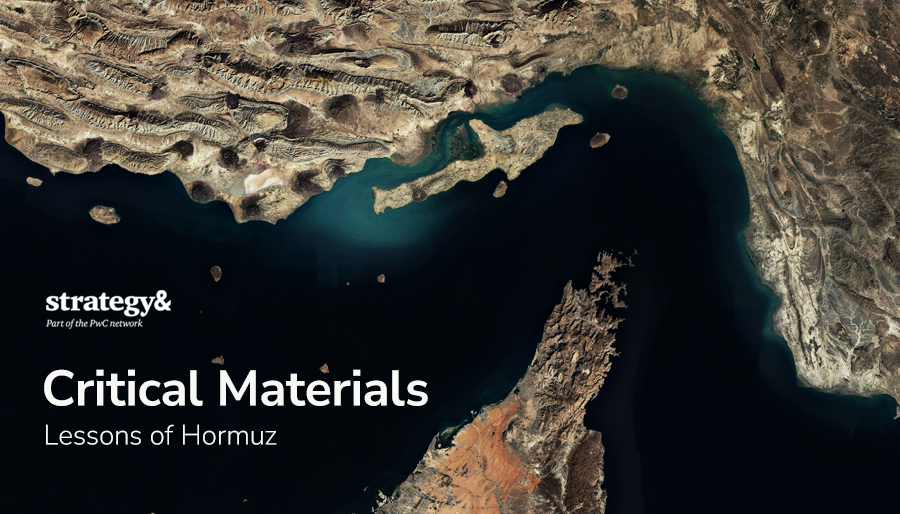
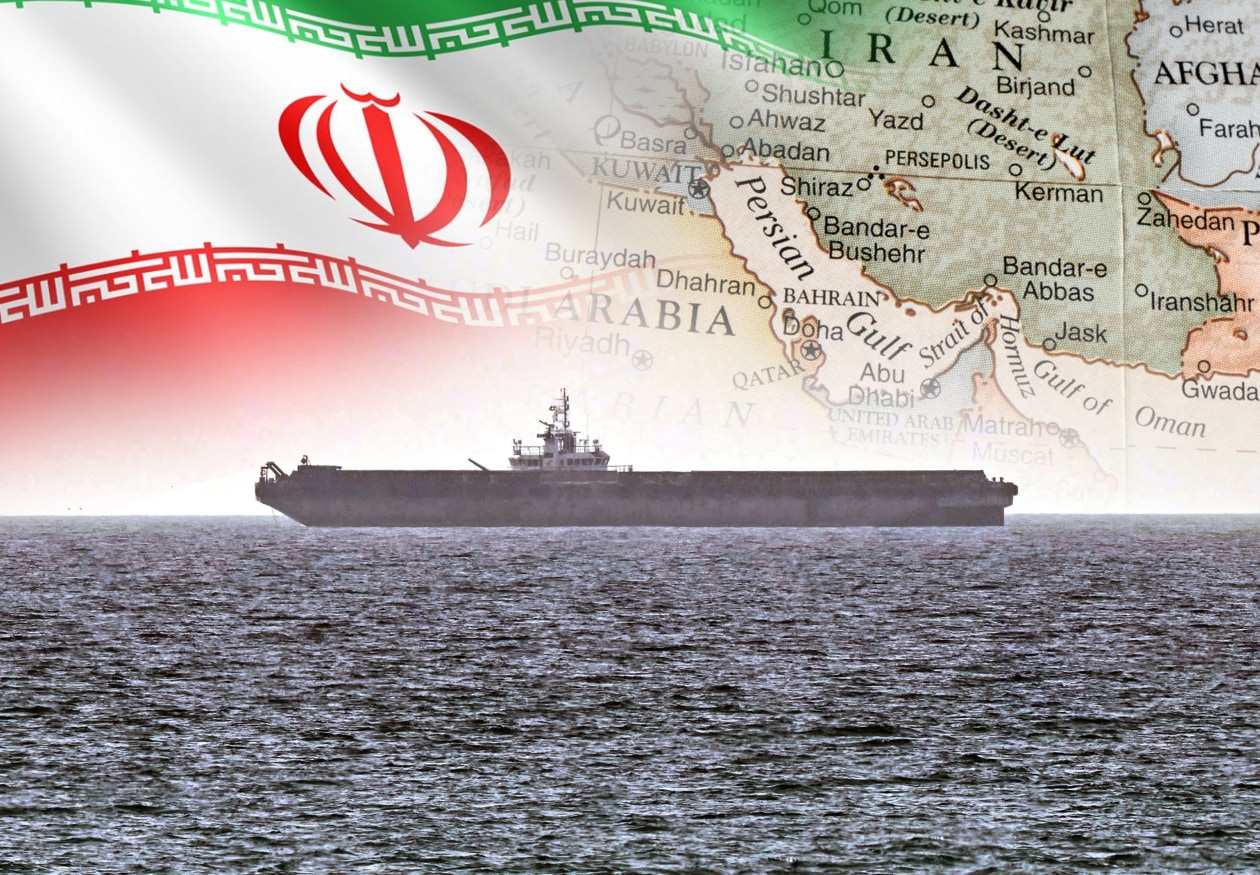
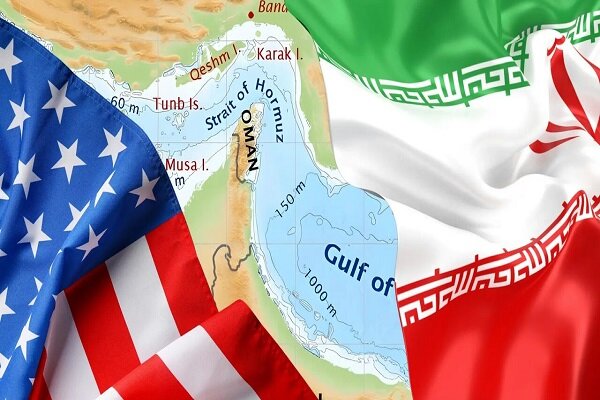
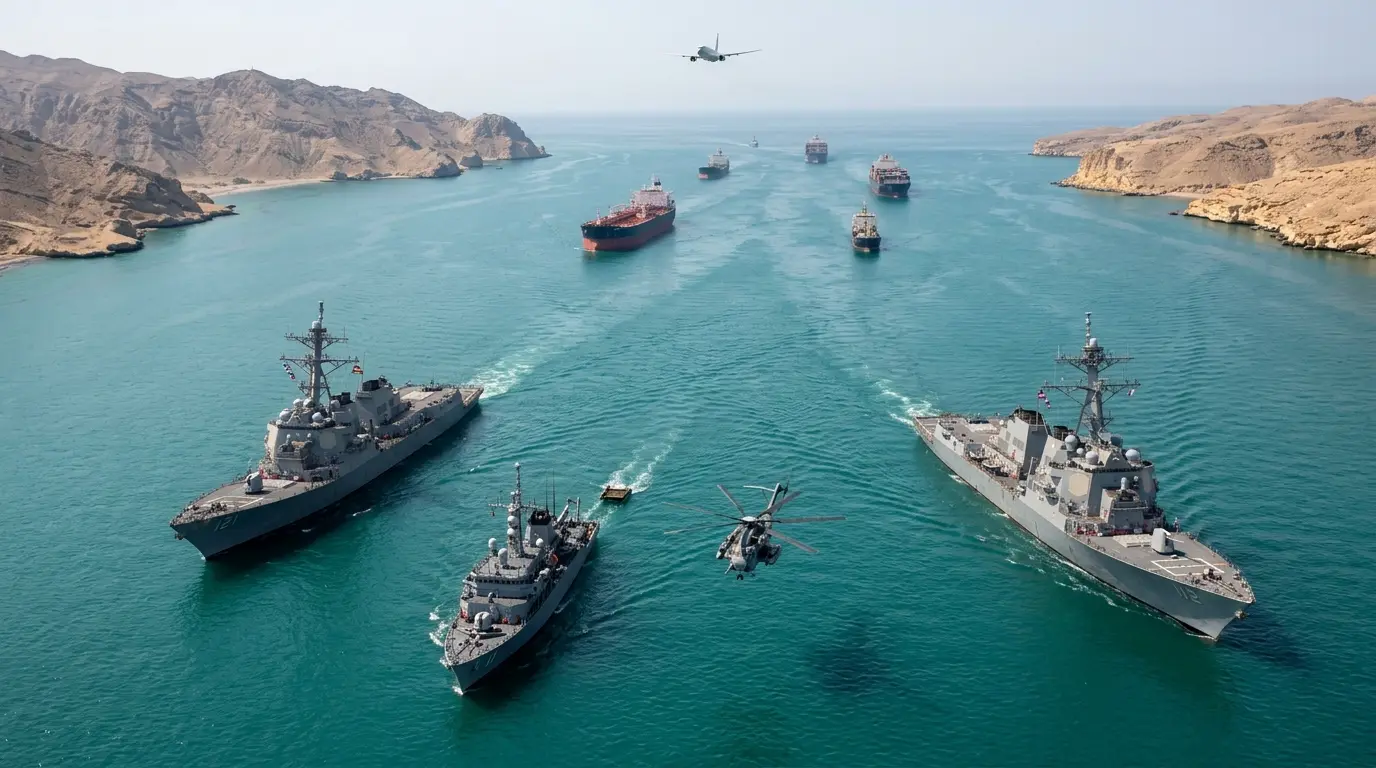
The April 2026 reopening of the Strait of Hormuz following geopolitical tensions between Iran and the U.S.-Israel coalition presents a critical operational challenge for cross-border e-commerce sellers. While the strategic waterway—which handles a significant share of global energy flows—is technically reopening, energy analysts at Veriten project that substantial Persian Gulf oil and gas supplies will take weeks to reach global markets. Expert Arjun Murti's assessment is unambiguous: "We don't expect oil prices—and therefore pump prices—to go back to prewar levels," signaling that the pre-February 28 baseline of sub-$3 gasoline is permanently elevated.
For e-commerce sellers, this translates to sustained cost pressures across three critical operational vectors. First, air freight expenses—essential for time-sensitive categories like electronics, fashion, and perishables—will remain 8-15% above pre-conflict levels for 4-8 weeks minimum. Sellers shipping from Asia to North America or Europe via air will face $200-400 monthly increases per 1,000-unit shipment. Second, temperature-controlled logistics for pharmaceutical, cosmetic, and food categories depend on jet fuel availability; shortages in certain countries create routing inefficiencies that add 5-7 days to transit times and increase cold-chain costs by 10-12%. Third, fulfillment center operations and last-mile delivery networks powered by diesel and natural gas will see operational cost increases of 6-10%, directly compressing margins for high-volume, low-margin categories like home goods and apparel.
The competitive impact is asymmetric across seller segments. Large sellers with diversified 3PL networks and pre-positioned inventory in regional fulfillment centers can absorb cost increases through volume leverage and margin optimization. Mid-market sellers (500K-5M annual revenue) relying on just-in-time inventory from Asia face the greatest exposure—extended lead times force either inventory buildup (increasing storage costs and IPI score risk on Amazon) or stockout risk during peak selling seasons. Small sellers (<$500K revenue) dependent on low-cost air freight for dropshipping models will see unit economics deteriorate by 15-25%, forcing price increases that reduce competitiveness on Amazon, eBay, and Shopify.
The timing window is critical. Companies reluctant to restore full operations until hostilities definitively end create a 6-12 week supply chain bottleneck. Sellers should immediately audit inventory positions by sourcing region, calculate breakeven pricing under elevated shipping costs, and evaluate strategic sourcing shifts toward Vietnam, India, and Mexico to reduce Hormuz-dependent supply chains. Categories most vulnerable—electronics, luxury goods, and perishables—require immediate action to secure alternative logistics routes or accept margin compression.
Questions 8
How much will shipping costs increase for sellers importing from Asia due to Strait of Hormuz disruptions?
Air freight costs are projected to increase 8-15% above pre-conflict levels for 4-8 weeks minimum, translating to $200-400 monthly increases per 1,000-unit shipment from Asia to North America or Europe. Energy analyst Arjun Murti confirmed that oil prices will remain elevated compared to pre-February 28 baseline when gasoline was below $3 per gallon. Sellers relying on air freight for time-sensitive categories like electronics and fashion face the greatest exposure. Temperature-controlled logistics for pharmaceuticals and perishables will see additional 10-12% cost increases due to jet fuel shortages. Immediate action required: audit current shipping routes and calculate breakeven pricing under elevated costs within 7-10 days.
What is the timeline for supply chain recovery after the Strait of Hormuz reopens?
Even with full reopening on April 19, 2026, Veriten analysts project it will take weeks for substantial Persian Gulf oil and gas to reach global buyers. Shortages of jet fuel and natural gas may persist in certain countries for weeks or longer, indicating prolonged disruptions beyond the initial reopening. Companies remain reluctant to fully restore operations until confident hostilities have ended, creating a 6-12 week operational bottleneck. Energy prices are expected to remain elevated compared to pre-conflict levels indefinitely. Sellers should plan for 4-8 week elevated shipping costs and extended lead times through at least June 2026, with potential for longer disruptions if geopolitical tensions resurface.