




Pope Leo XIV's Africa Tour 2026 | Emerging Market Opportunities for Faith-Based E-Commerce Sellers
- Sub-Saharan Africa's 20% Catholic population signals $500M+ faith merchandise market opportunity; USAID funding cuts reshape regional logistics and consumer purchasing power




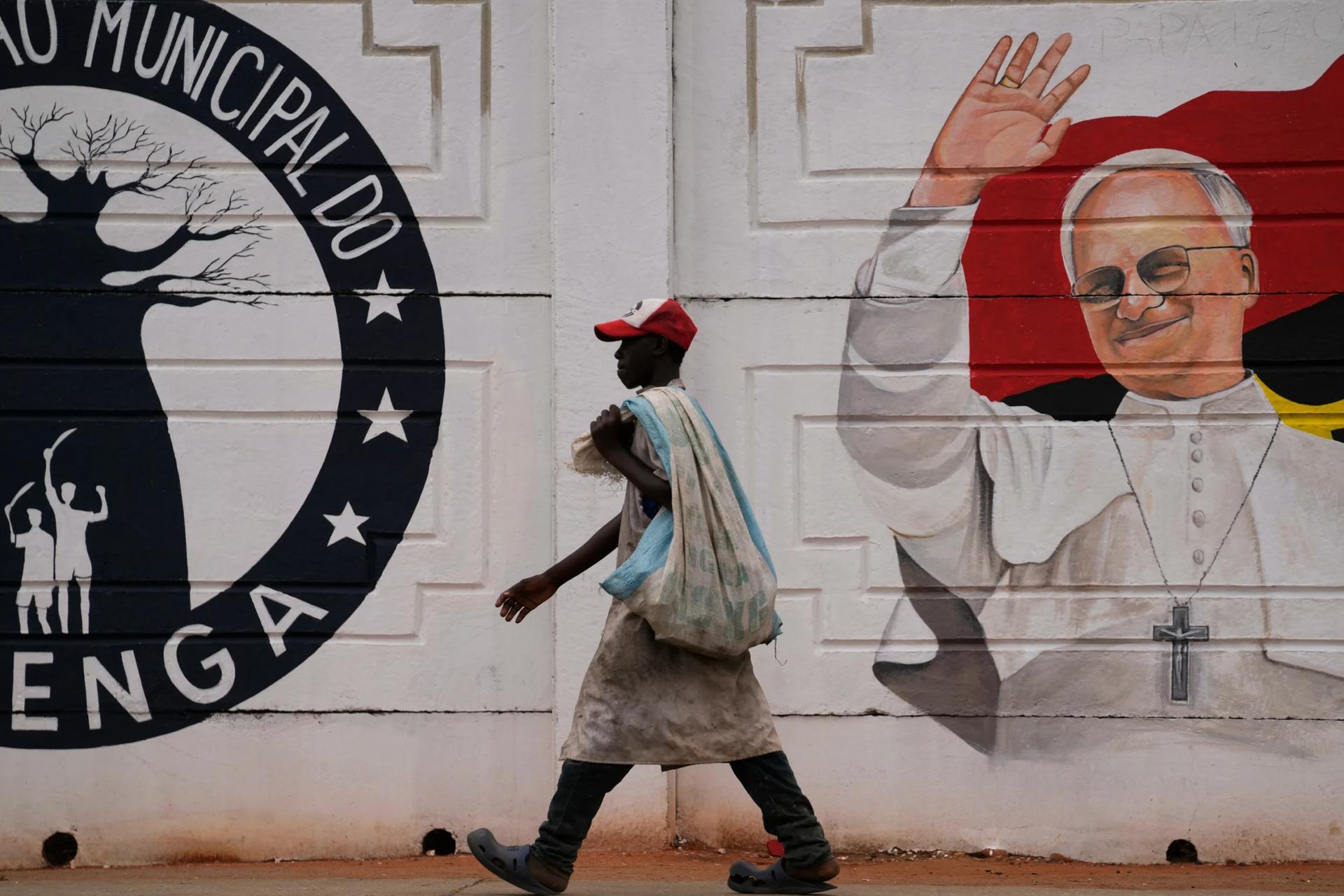


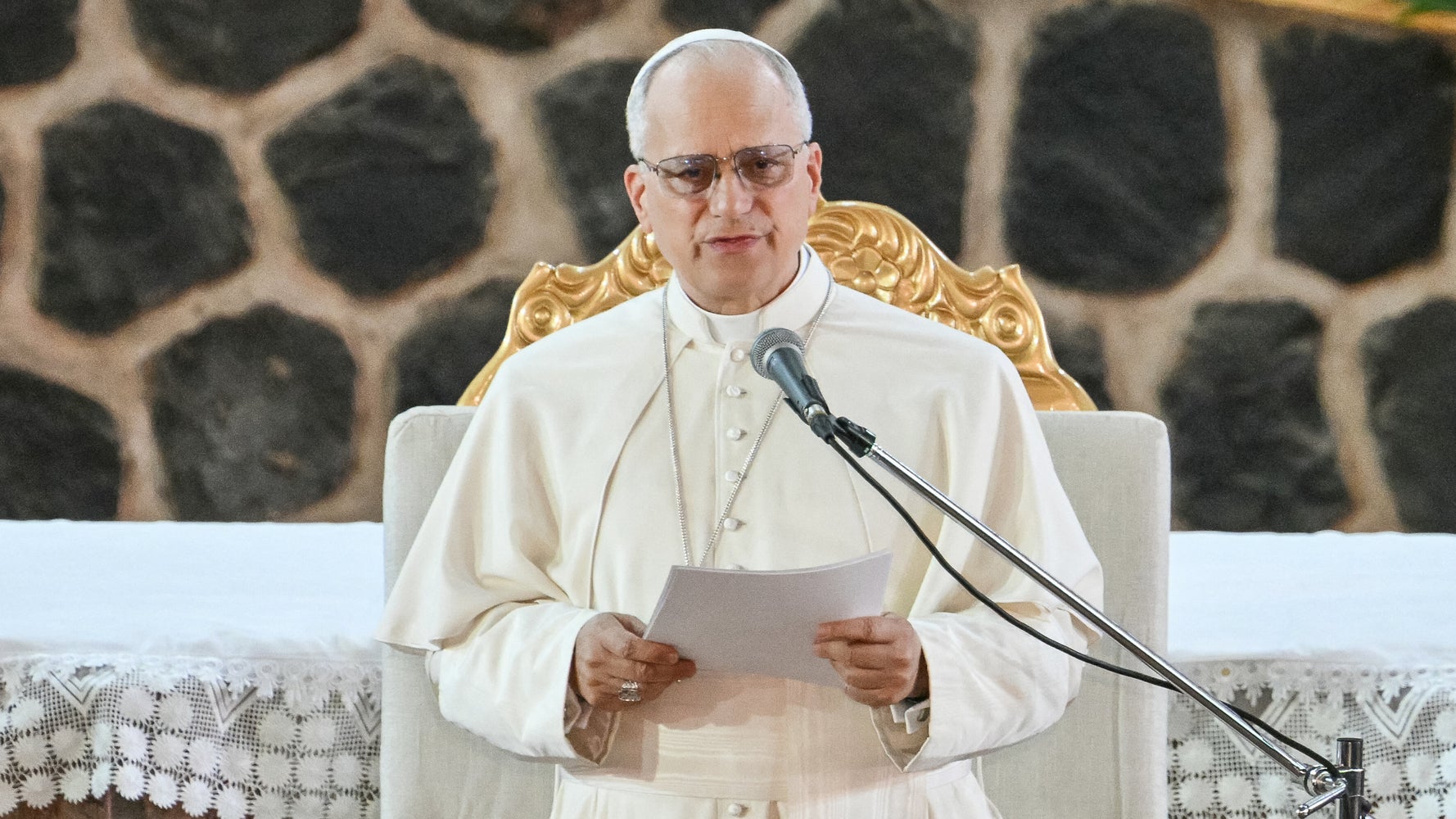


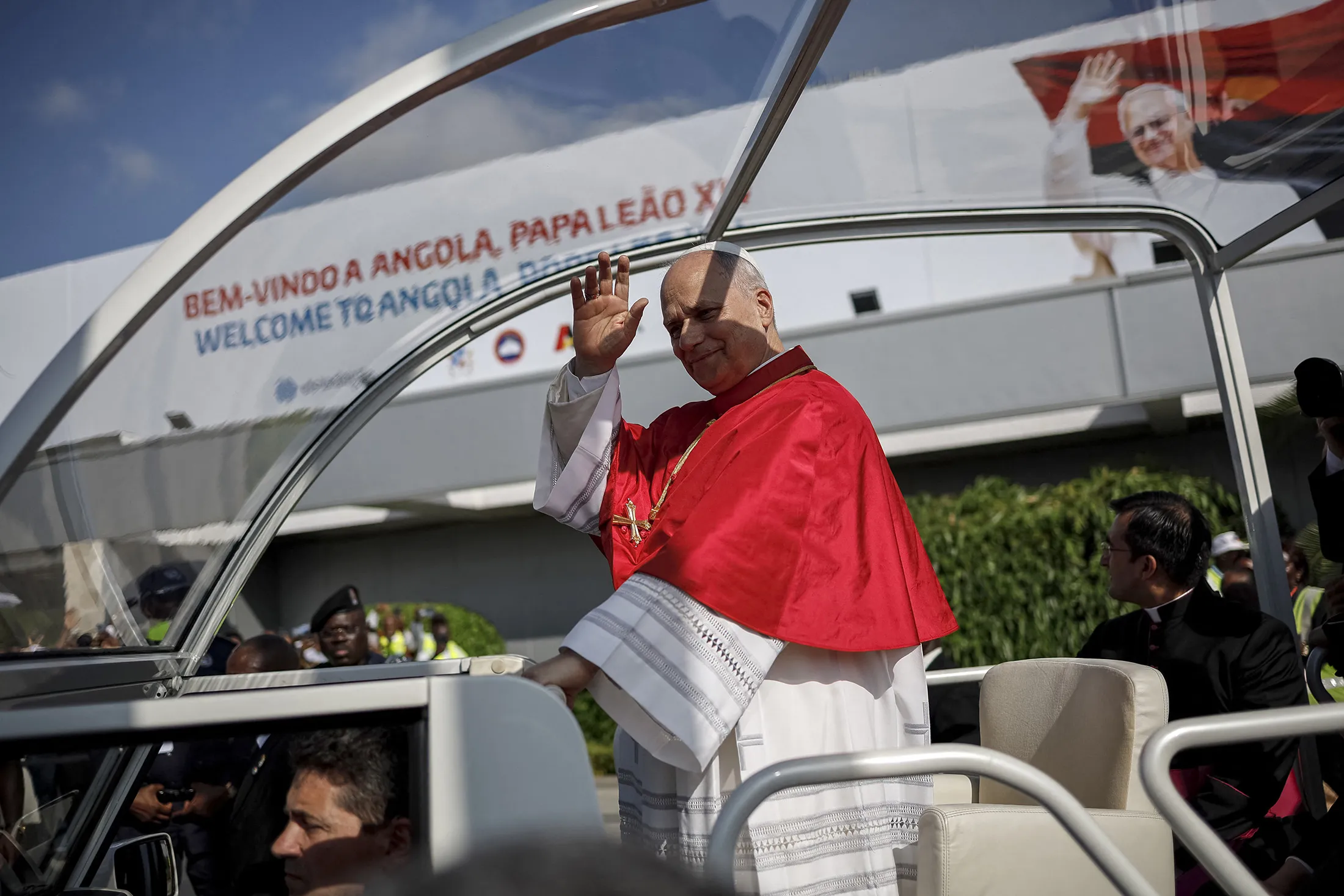








Overview
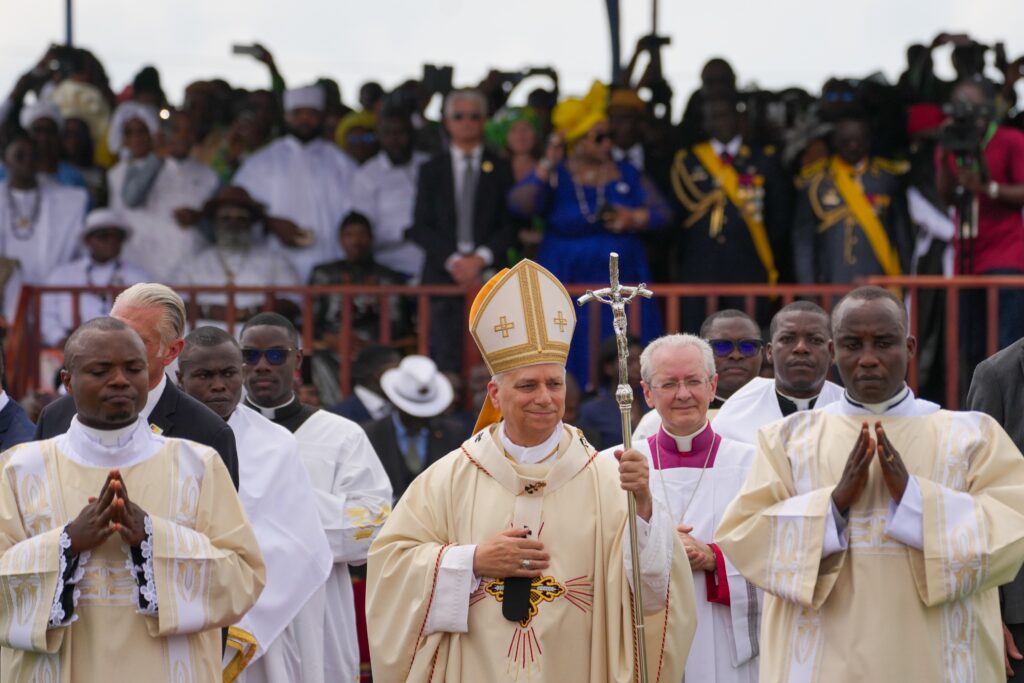
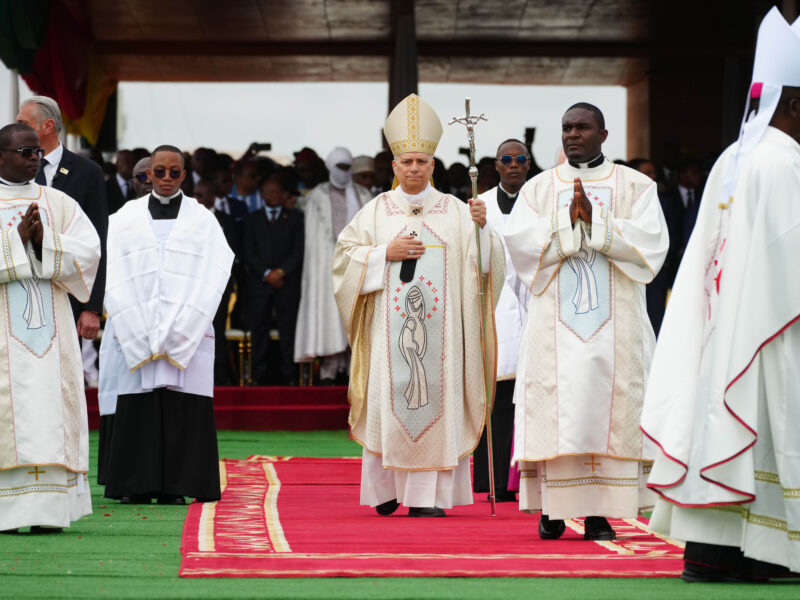
Pope Leo XIV's April 2026 apostolic journey through Africa—spanning Algeria, Cameroon, and two additional nations over 11 days—represents a significant geopolitical and economic indicator for cross-border e-commerce sellers targeting faith-based and socially conscious consumer segments. While the papal visit emphasizes spiritual messaging and social justice, it signals critical market dynamics affecting 20% of global Catholics (approximately 280+ million believers) concentrated in sub-Saharan Africa, a region experiencing rapid digital adoption and emerging consumer spending power.
Market Opportunity Analysis: The pontiff's focus on sub-Saharan Africa as "central to the Church's future" indicates institutional capital flows toward the region. Cameroon, described as "Africa in miniature" for cultural diversity, represents a microcosm of African consumer markets. For e-commerce sellers, this translates to emerging demand for faith-based merchandise categories: religious apparel, devotional items, educational materials, and social justice-themed products. The Catholic Church's emphasis on "healing, education and restoration" signals consumer interest in ethical, purpose-driven products—a $2.1B+ global market segment growing 12-15% annually.
Logistics and Infrastructure Implications: The news mentions USAID funding cuts affecting Cameroon's government and church operations, directly impacting regional logistics networks and consumer purchasing power. Reduced government funding typically correlates with decreased consumer discretionary spending (5-8% contraction in non-essential categories) but increased demand for affordable, value-oriented products. Sellers should anticipate: (1) Slower payment processing through traditional banking channels; (2) Increased reliance on mobile money platforms (MTN Mobile Money, Orange Money) for transactions; (3) Higher shipping costs due to limited logistics infrastructure; (4) Longer delivery windows (3-4 weeks vs. 1-2 weeks in developed markets).
AI and Compliance Considerations: Pope Leo's warning about "artificial intelligence risks, including embedded biases" reflects growing concerns in developing markets about algorithmic fairness and data privacy. Sellers operating in Africa must prioritize transparent AI-driven product recommendations and comply with emerging data protection frameworks. This creates competitive advantages for sellers emphasizing ethical sourcing, transparent supply chains, and locally-relevant product curation.
Strategic Positioning: The papal visit validates sub-Saharan Africa as a priority market for multinational institutions. Sellers entering this space should focus on: (1) Faith-based and socially conscious product categories; (2) Mobile-first shopping experiences (70%+ of African e-commerce occurs via mobile); (3) Partnerships with local logistics providers and payment processors; (4) Culturally localized marketing emphasizing community impact and social responsibility.
Questions 8
What payment infrastructure challenges exist for sellers in Cameroon?
Cameroon's reduced USAID funding correlates with weaker traditional banking infrastructure. Sellers should prioritize mobile money platforms (MTN Mobile Money, Orange Money) which serve 60%+ of Cameroon's unbanked population. Traditional credit card penetration remains below 5%, making mobile wallets essential. Implement multi-currency payment options (CFA franc, USD) and expect 3-5 day settlement delays vs. 1-2 days in developed markets. Partner with payment processors specializing in African markets (Flutterwave, Paystack) to reduce transaction fees (typically 2-4% vs. 1.5-2% in developed markets) and improve conversion rates.
How does Pope Leo's Africa focus impact logistics and supply chain strategy?
The papal visit validates sub-Saharan Africa as a priority region for multinational institutions, signaling infrastructure investment and market growth. However, USAID funding cuts indicate near-term logistics challenges. Sellers should: (1) Establish partnerships with regional 3PL providers (DHL, FedEx, local operators); (2) Pre-position inventory in regional hubs (Lagos, Nairobi, Johannesburg) to reduce delivery times; (3) Budget 20-30% higher shipping costs than developed markets; (4) Plan for 3-4 week delivery windows. The region's e-commerce logistics market is growing 25-30% annually, creating opportunities for sellers who invest in local partnerships early.